
Lepus Fagani
Ethiopian Hare
Highland grasslands, scrub, and woodland edges
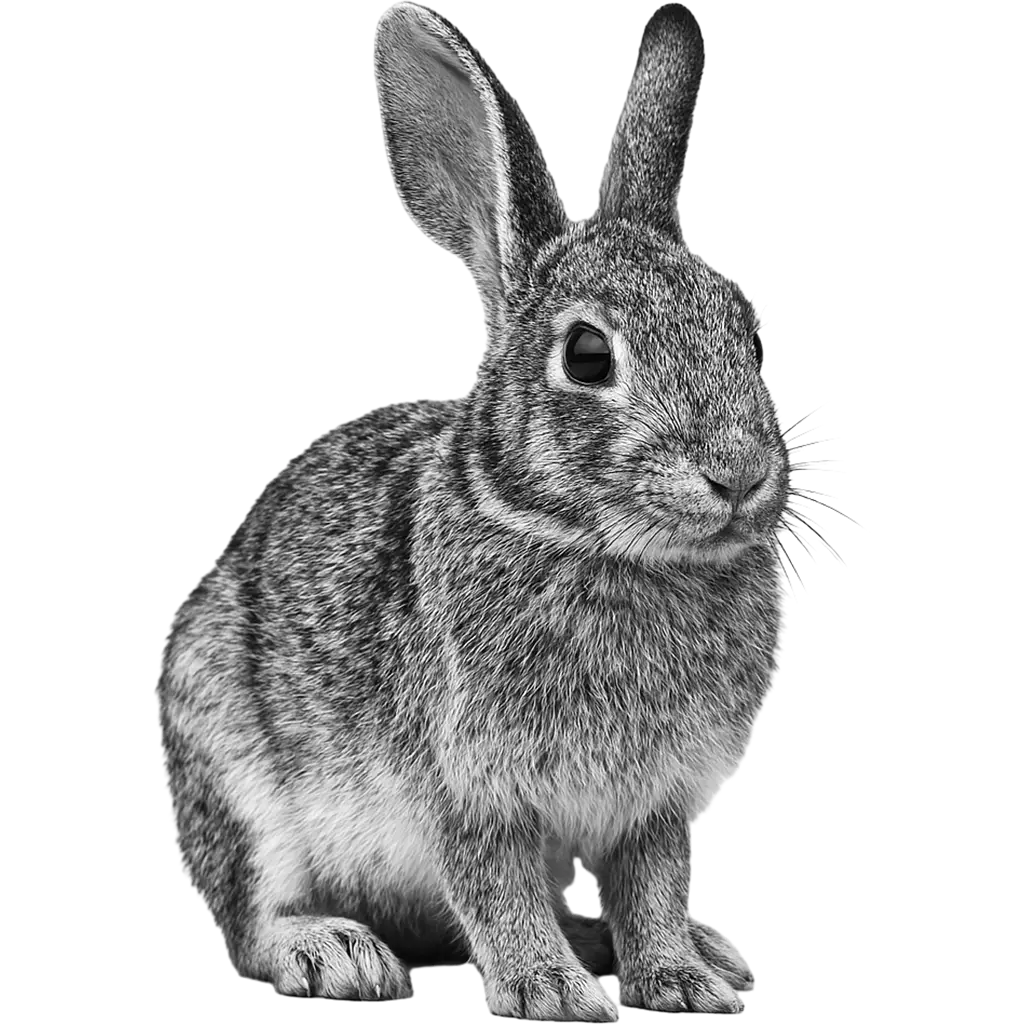
The Ethiopian Hare displays a lean, athletic build with long, alert ears and a sleek grey-brown coat accented by subtle white markings. Its powerful hind legs and streamlined body are perfectly adapted for rapid, bounding escapes, while its dense fur offers protection in cooler highland climates. Every feature, from its keen eyes to its nimble frame, epitomizes evolutionary finesse.
| Population: | Stable population across highland regions of Ethiopia; not currently endangered |
| Generation Length: | 1-2 years |
| Average Weight: | 2-3.5 kg |
| Average Length: | 45-55 cm |
| Lifespan: | 6-8 years in the wild, up to 10 years in captivity |
| Diet: | Herbivorous, primarily grasses and leaves |
| Conservation Status: | Least Concern (LC) |
In the wild, the Ethiopian Hare is most active during dawn and dusk, venturing out into expansive highland grasslands and scrublands to forage. This crepuscular creature relies on its speed and agility to navigate rugged terrains and evade predators. Often seen alone or in small, loosely connected groups, it uses well-defined home ranges to secure food resources and shelter. Its lifestyle includes intermittent resting in natural burrows or under sparse vegetation during the hottest parts of the day. Seasonal variations drive shifts in activity patterns, ensuring that its behavior is finely tuned to environmental changes.
The Ethiopian Hare maintains a herbivorous diet that primarily consists of grasses, leaves, and low-growing shrubs. This steady intake of fibrous plant material fuels its energetic sprints and acrobatic leaps across open fields. Its digestion is highly efficient at extracting nutrients and moisture from tough vegetation, which is critical during dry spells. Occasionally, it supplements its diet with tender shoots and, when available, soft fruits, thereby achieving a balanced nutritional profile essential for growth, repair, and sustained activity in its often harsh habitat.
During the mating season, Ethiopian Hares display brief yet vigorous courtship behaviors. Males engage in rhythmic leaps and subtle scent marking to attract females, resulting in temporary pair bonds that culminate in mating. With little to no postnatal parental care, the young are born relatively mature and capable of independent survival, ensuring that each reproductive cycle contributes robustly to genetic diversity.
The population of the Ethiopian Hare is considered stable, with consistent numbers reported across its native highland zones. Despite minor fluctuations caused by seasonal shifts and predation pressures, the species maintains a viable, resilient presence. Continuous field observations affirm that these hares are well-adapted to their challenging environment, sustaining a healthy balance within their ecological niche.
Classifications
The Key Attributes
Features
- Movement:
Running and jumping
- Territorial Behavior:
Generally solitary with defined home ranges
- Speed:
Fast
- Diet:
Herbivorous
- Physical Features:
- Long ears
- Powerful hind legs
- Dense fur
- Slender body
- Expressive eyes
- Primary Senses:
- Hearing
- Sight
Understanding Habitat and Range
Geography
- Habitat:
Highland grasslands, scrub, and woodland edges
- Migration Patterns:
Local seasonal movements
- Geographical Range:
Ethiopian highlands
- Climate Preferences:
Temperate to arid high-altitude climates
Navigating the Wilderness
In the wild
- Predators:
Birds of prey, foxes, and small carnivores
- Prey:
N/A
- Feeding Behavior:
Active foraging during dawn and dusk
- Diet:
Herbivorous, primarily grasses and leaves
- Defensive Mechanisms:
- Rapid escape
- Camouflage
- Preferred Food Sources:
- Grasses
- Leaves
- Low shrubs
Insights Into Reproduction
Mating
- Mating System:
Polygynous
- Number of Offspring:
2-4 per litter
- Gestation Period:
42 days
- Parental Involvement:
- Minimal; offspring are precocial
Youngsters Section
Ethiopian Hare
Fun Fact
Ethiopian Hares are remarkably fast and agile.
Their unique adaptations enable them to evade predators and thrive in harsh climates. Observers note that their long ears and sleek build enhance balance and thermoregulation during rapid escapes in open fields.

Download word search puzzles
Word Search Puzzles

Check Out Other Mammals
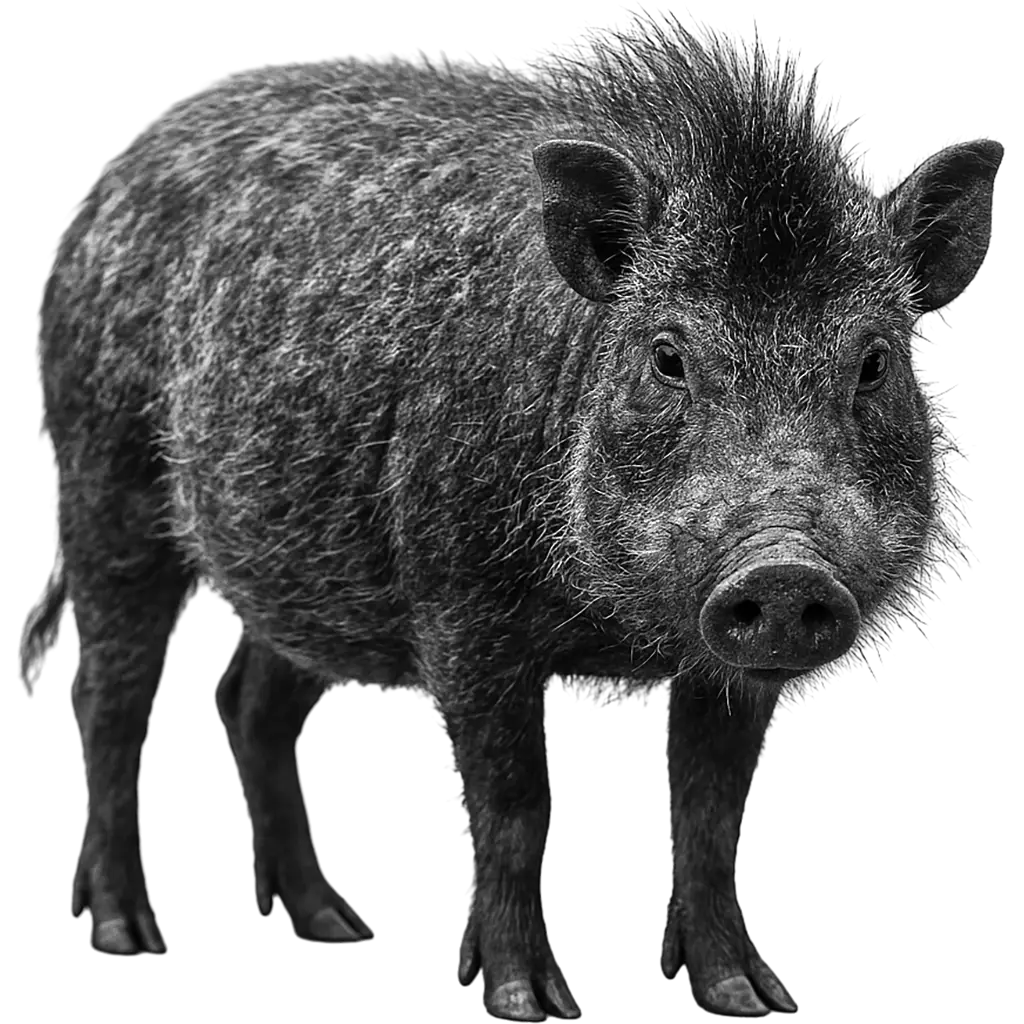
The Flores Warty Pig possesses a distinctive rugged appearance with pronounced warty facial features, a short snout, and curved tusks that give it a formidable look. Its robust body is covered in coarse, bristly hair ranging from dark brown to grey, perfectly camouflaged in forest understories. Compact and muscular, its
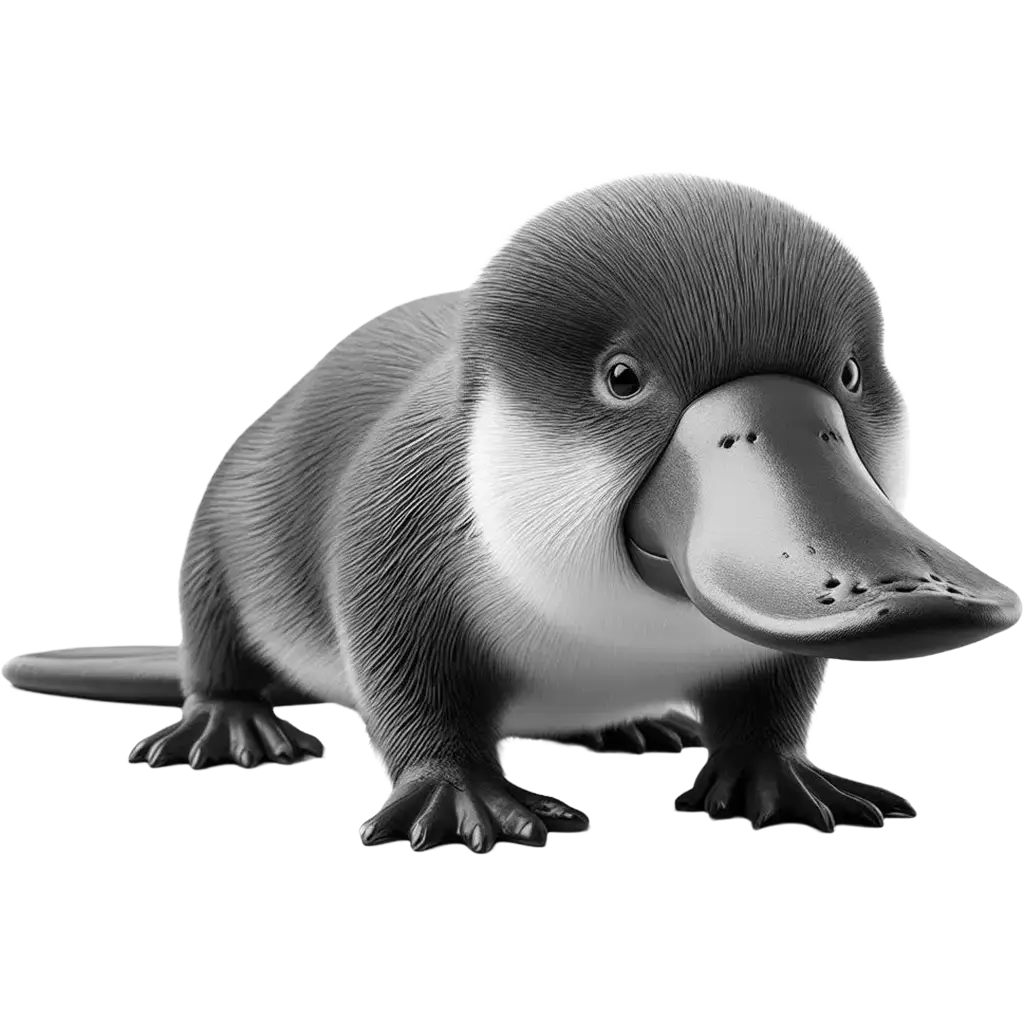
The Duck-Billed Platypus, ornithorhynchus anatinus, is one of the most unusual and fascinating mammals on the planet, native to eastern Australia and Tasmania. This semi-aquatic, egg-laying mammal (monotreme) is most notable for its distinctive duck-like bill, webbed feet, and flat tail. Adults can measure between 40 to 60 centimeters in
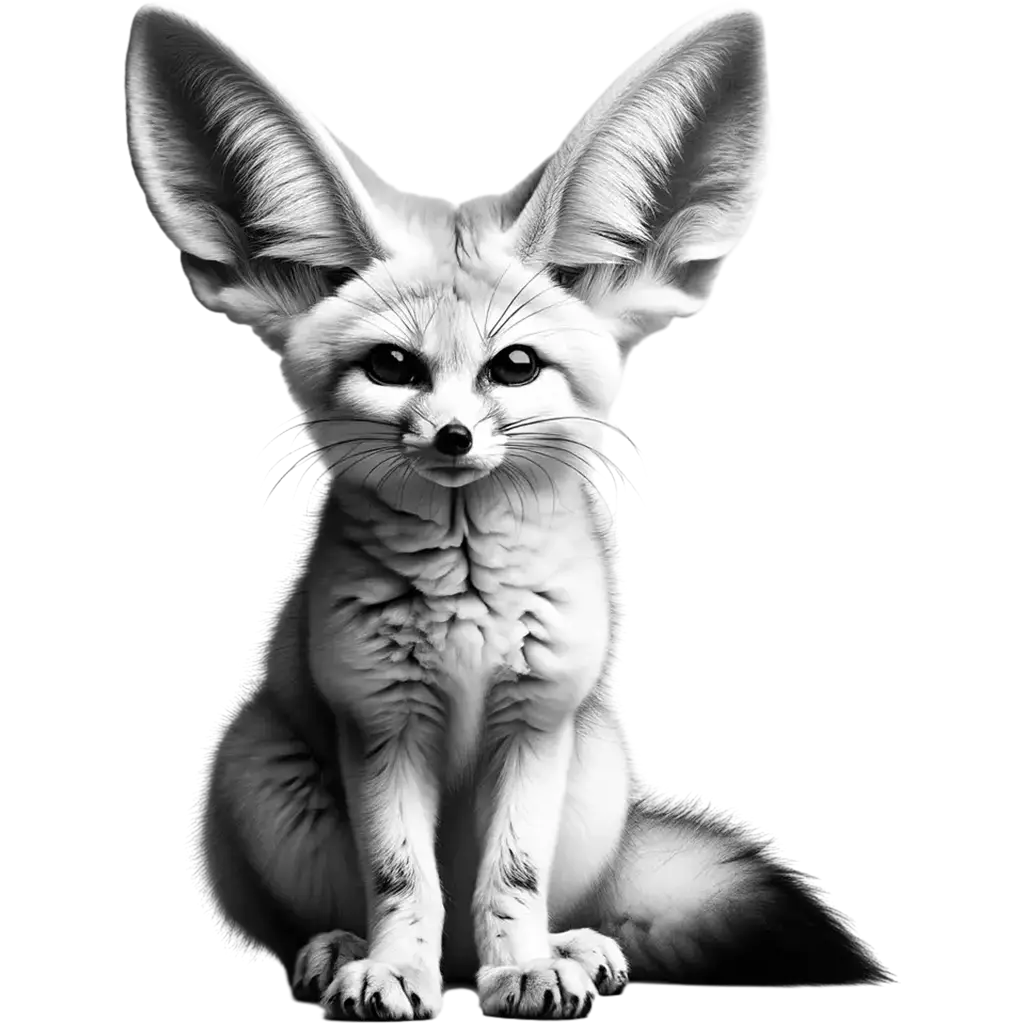
The Fennec Fox, vulpes zerda, is the smallest species of canid, renowned for its distinctive large ears and diminutive size. Adults typically weigh between 0.9 to 1.5 kg and measure about 24 to 41 cm in length, with an additional 20 cm for the tail. Their most striking feature, the
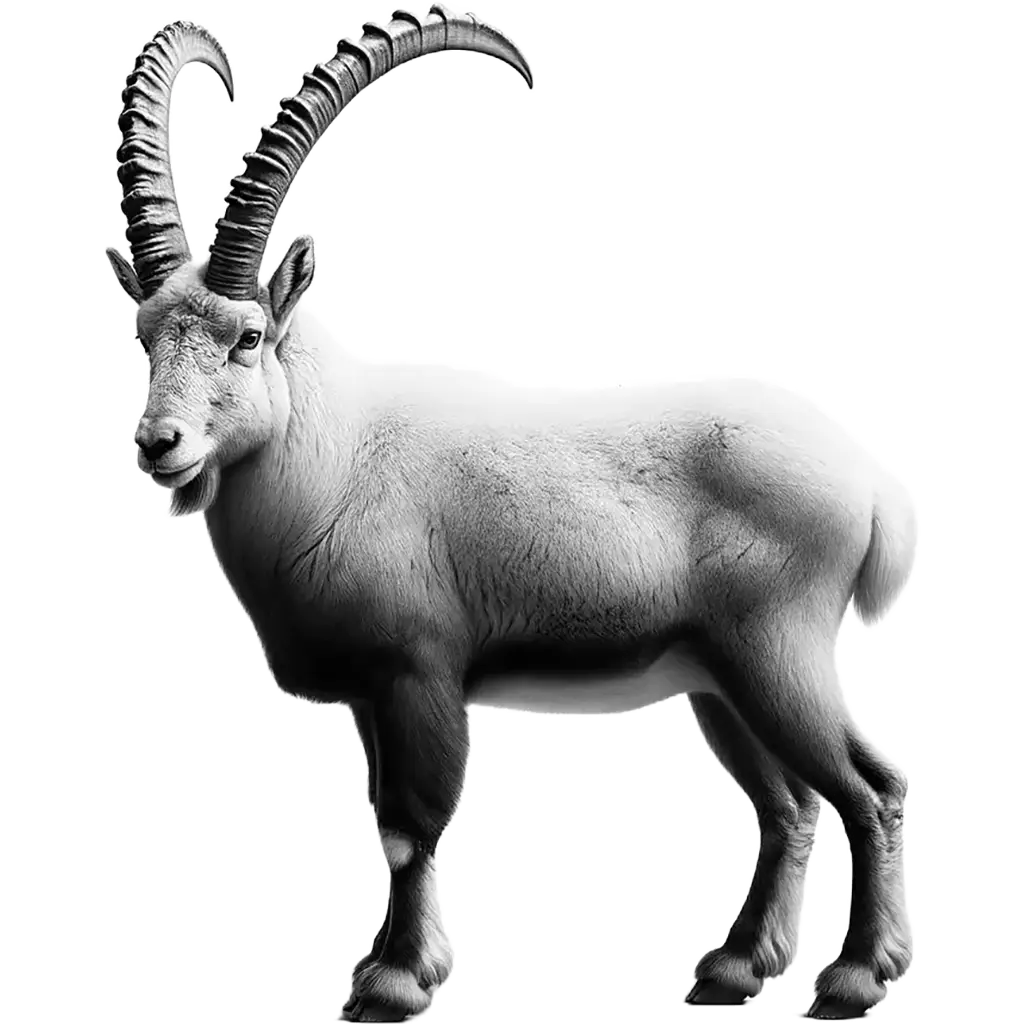
The Siberian Ibex, capra sibirica, is a robust and agile species of wild goat known for its impressive curved horns, which can reach up to 130 cm in length in males. These animals exhibit a coat that varies seasonally, being thicker and lighter in color during winter, and shorter and