
Equus Ferus Caballus
Horse
Varied; adapted to a wide range of habitats from grasslands to deserts
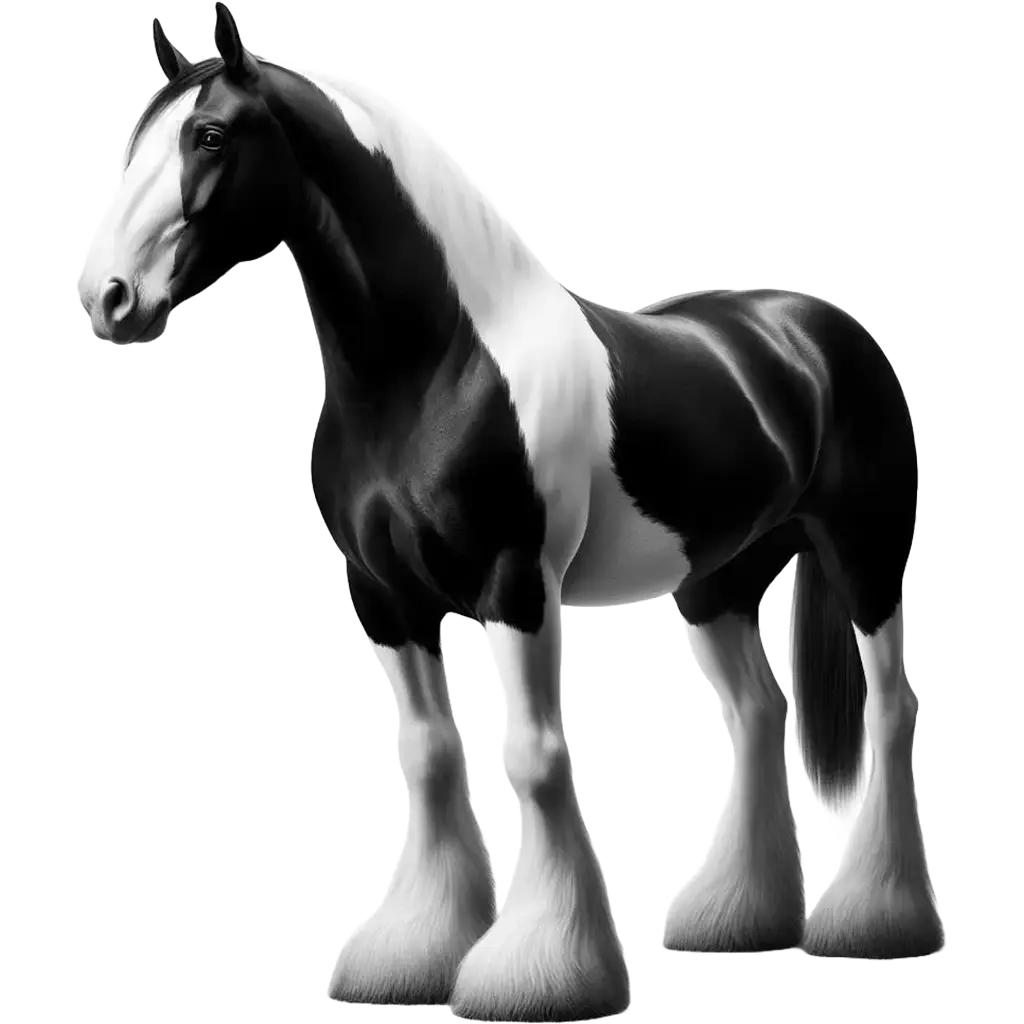
The Horse, equus ferus caballus, is a domesticated mammal that has been a close companion to humans for thousands of years, serving as a means of transport, a work animal, and a partner in recreation and sports. Horses vary widely in size, build, and coat color, with more than 300 breeds recognized around the world, tailored to various uses by humans. They typically stand between 142 to 163 centimeters at the shoulder, with some draft breeds being substantially larger. Their coats can be found in a range of colors, including bay, black, chestnut, and grey, often with distinctive markings such as stars, stripes, and blazes on their faces, and socks or stockings on their legs.
| Population: | Domesticated, with varied populations worldwide; wild populations are limited |
| Generation Length: | 5-7 years |
| Average Weight: | 380-1000 kg, depending on the breed |
| Average Length: | 2.4 m (total body length), 1.4-1.8 m (height at the withers) |
| Lifespan: | 25-30 years |
| Diet: | Grasses and similar vegetation |
| Conservation Status: | Not Evaluated (NE) |
Horses are noted for their strength, speed, and endurance, with a unique anatomy that allows for a range of gaits from the slow walk to the high-speed gallop, where they can reach speeds of up to 88 kilometers per hour (55 miles per hour) in short bursts. They have played a crucial role in the development of societies by facilitating exploration, trade, and warfare. Today, they continue to be valued for competitive sports, including racing, show jumping, and dressage, as well as for leisure activities like trail riding and equestrian tourism.
The diet of the Horse is primarily herbivorous, consisting of grasses and grains, supplemented with fruits, vegetables, and specialized feeds for additional nutrition. They have a highly efficient digestive system that allows them to extract energy from fibrous plant material. Proper nutrition is essential for maintaining their health, performance, and longevity.
Reproduction in Horses involves selective breeding practices to enhance desirable traits, such as speed, strength, and temperament. Mares (female Horses) have a gestation period of approximately 11 months and typically give birth to a single foal. Foals are able to stand and nurse within an hour after birth and are weaned at around 4 to 6 months of age. Young Horses reach maturity at around 5 years old, although they can live into their 20s and beyond, with the oldest recorded Horse living to the age of 62.
While Horses are not considered endangered as a species, many specific breeds are at risk due to changing agricultural practices, loss of habitat, and declining interest in traditional uses for Horses. Conservation efforts for these breeds focus on preserving genetic diversity, promoting sustainable practices in Horse care and breeding, and fostering a continued appreciation for the cultural and historical significance of Horses in human society.
Classifications
The Key Attributes
Features
- Movement:
Quadrupedal
- Territorial Behavior:
Highly social, forms herds in the wild
- Speed:
Up to 88 km/h for short bursts; varies by breed
- Diet:
Herbivore
- Physical Features:
- Large body
- Long legs
- Mane and tail
- Varied coat colors
- Primary Senses:
- Sight
- Hearing
- Smell
Understanding Habitat and Range
Geography
- Habitat:
Varied; adapted to a wide range of habitats from grasslands to deserts
- Migration Patterns:
Non-migratory; domestic horses are kept in controlled environments
- Geographical Range:
Domesticated worldwide; wild and feral populations exist in various regions
- Climate Preferences:
Adaptable to most climates
Navigating the Wilderness
In the wild
- Predators:
Wolves, cougars (primarily for young, sick, or elderly horses)
- Prey:
N/A
- Feeding Behavior:
Grazes on grasses and other vegetation
- Diet:
Grasses and similar vegetation
- Defensive Mechanisms:
- Speed
- Kicking
- Herd protection
- Preferred Food Sources:
- Grasses
- Herbs
- Shrubs
Insights Into Reproduction
Mating
- Mating System:
Polygynous in the wild
- Number of Offspring:
Usually 1 foal
- Gestation Period:
Approximately 11 months
- Parental Involvement:
- Mare cares for the foal; stallion provides protection for the herd
Youngsters Section
Horse
Fun Fact
Horses have a nearly 360-degree field of vision due to their eye placement on the sides of their heads.
This wide vision helps them detect predators from various angles. However, they have two blind spots: one directly in front of their nose and one directly behind them. Their eyes are the largest of any land mammal, allowing them to see well in low-light conditions.

Download word search puzzles
Word Search Puzzles
Check Out Other Mammals
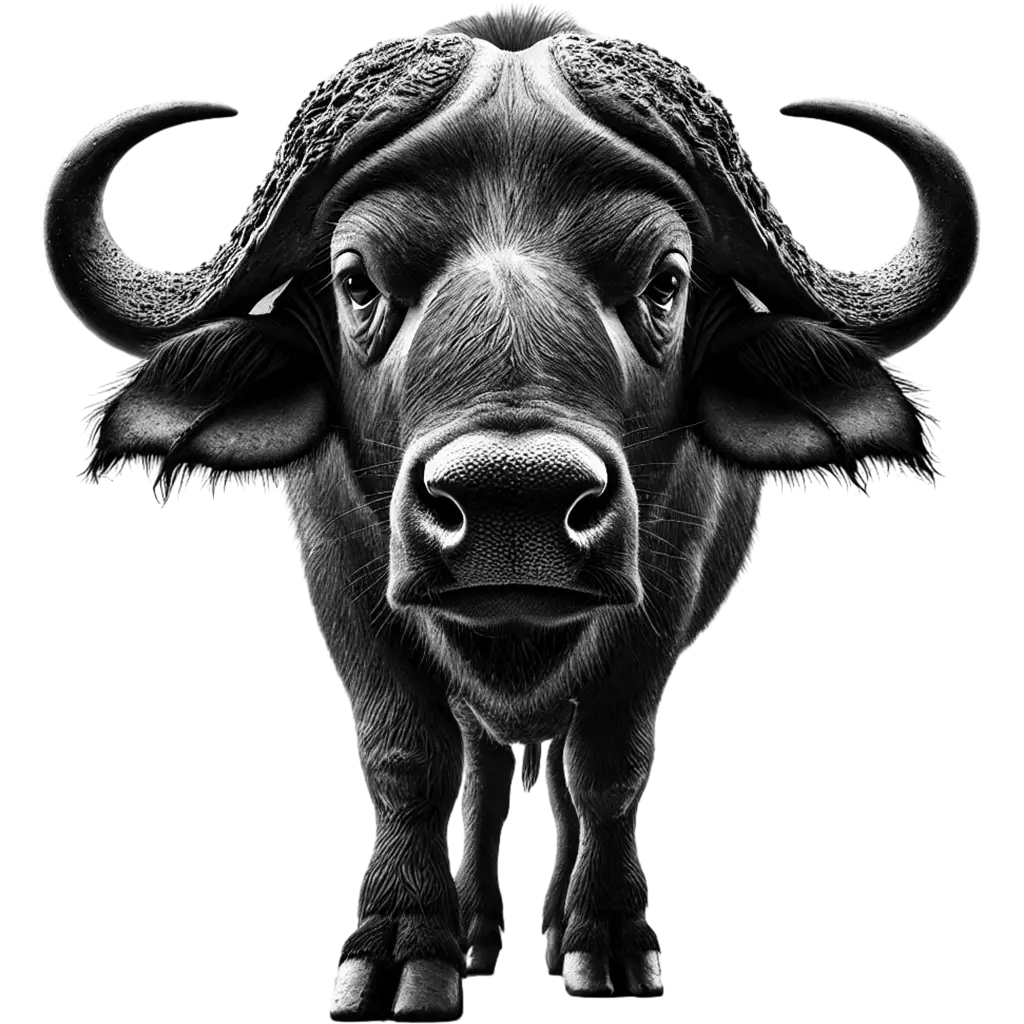
The African Buffalo is a large, powerful herbivore native to sub-Saharan Africa. It is one of the most formidable and unpredictable animals on the continent, known for its muscular body, thick dark coat, and distinctive curved horns. Males, also known as bulls, have larger horns that fuse at the base
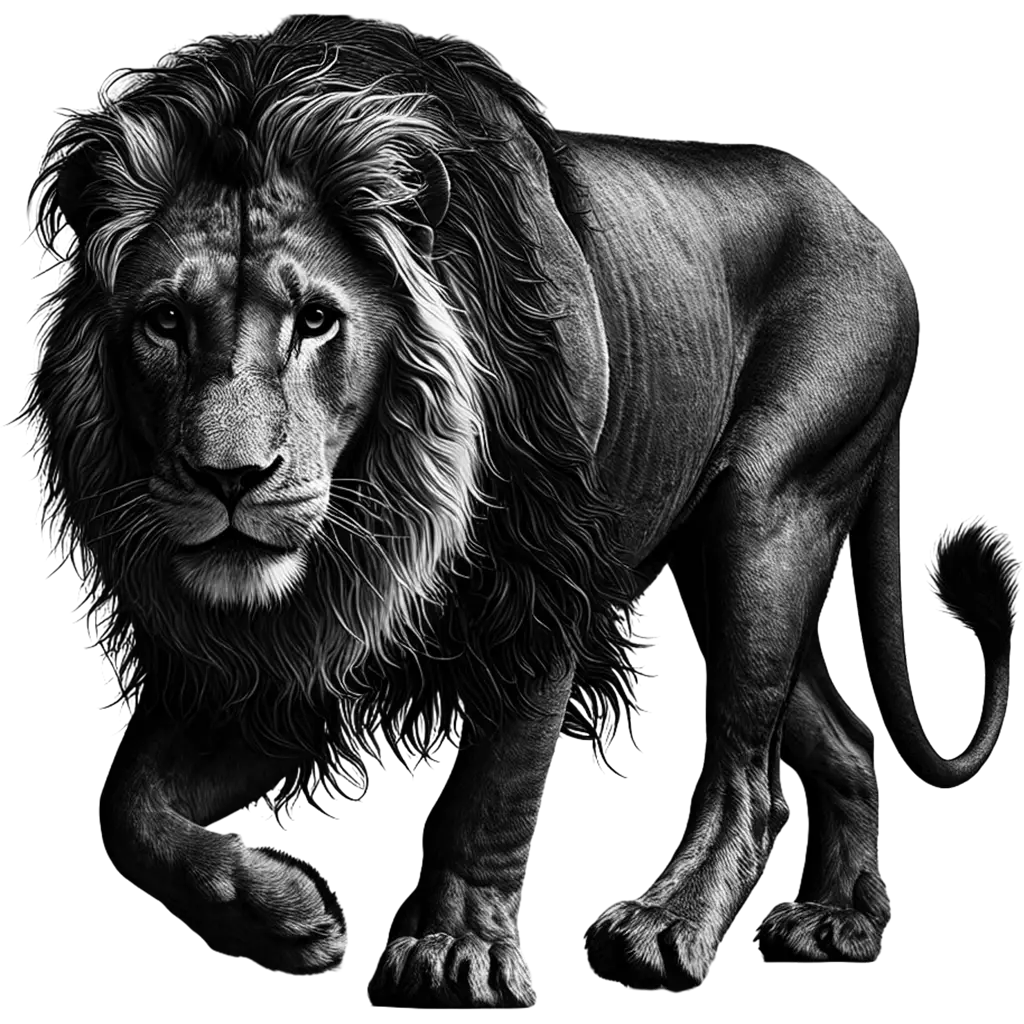
The Asiatic Lion, also known as the Asiatic Lion, is a subspecies of lion native to India's Gir Forest and surrounding areas. Slightly smaller than its African counterpart, the Asiatic Lion has a shorter and sparser mane, making its ears more visible. A distinguishing feature is the fold of skin
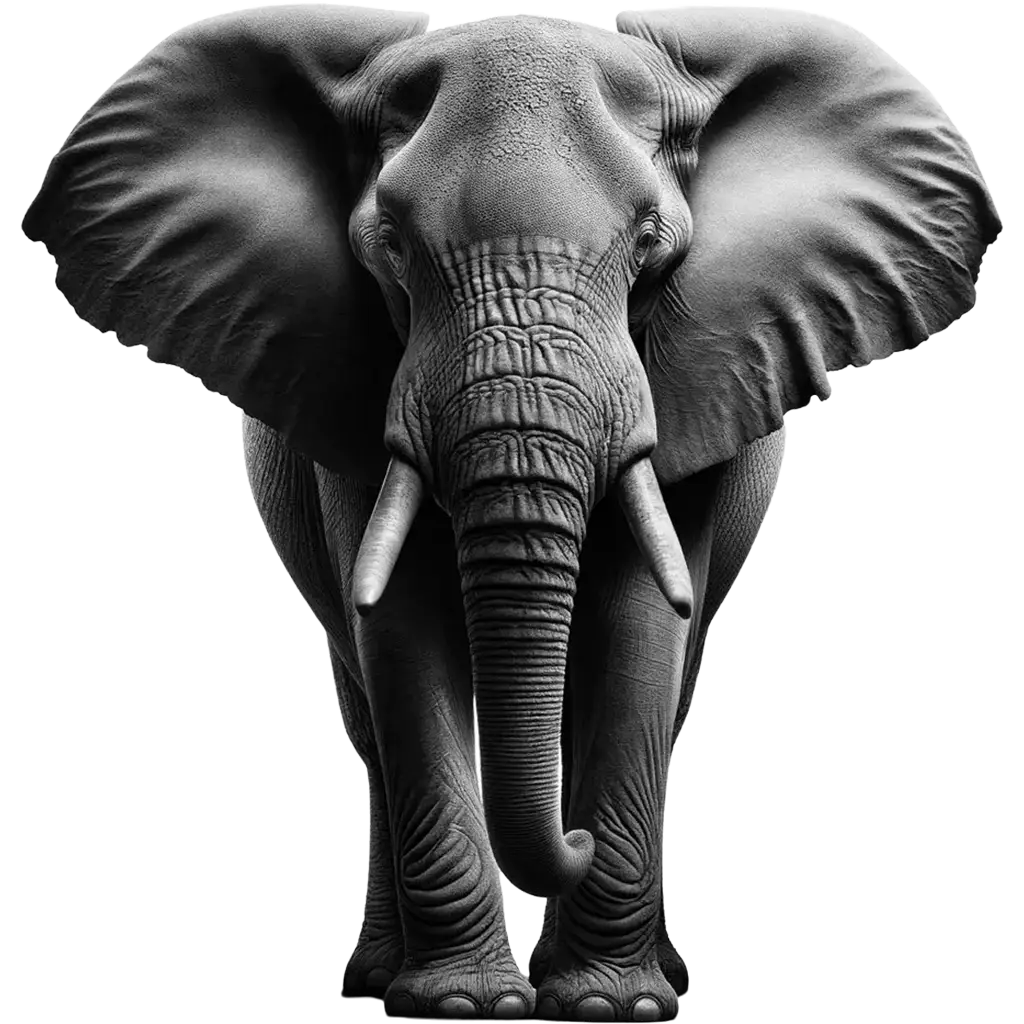
The African Forest Elephant, loxodonta cyclotis, is the smaller of the two African elephant species, distinguished by its more rounded ears and straighter tusks, which are thinner and downward pointing compared to those of its savannah cousin. Adults typically stand 2.5 meters tall at the shoulder, making them smaller than
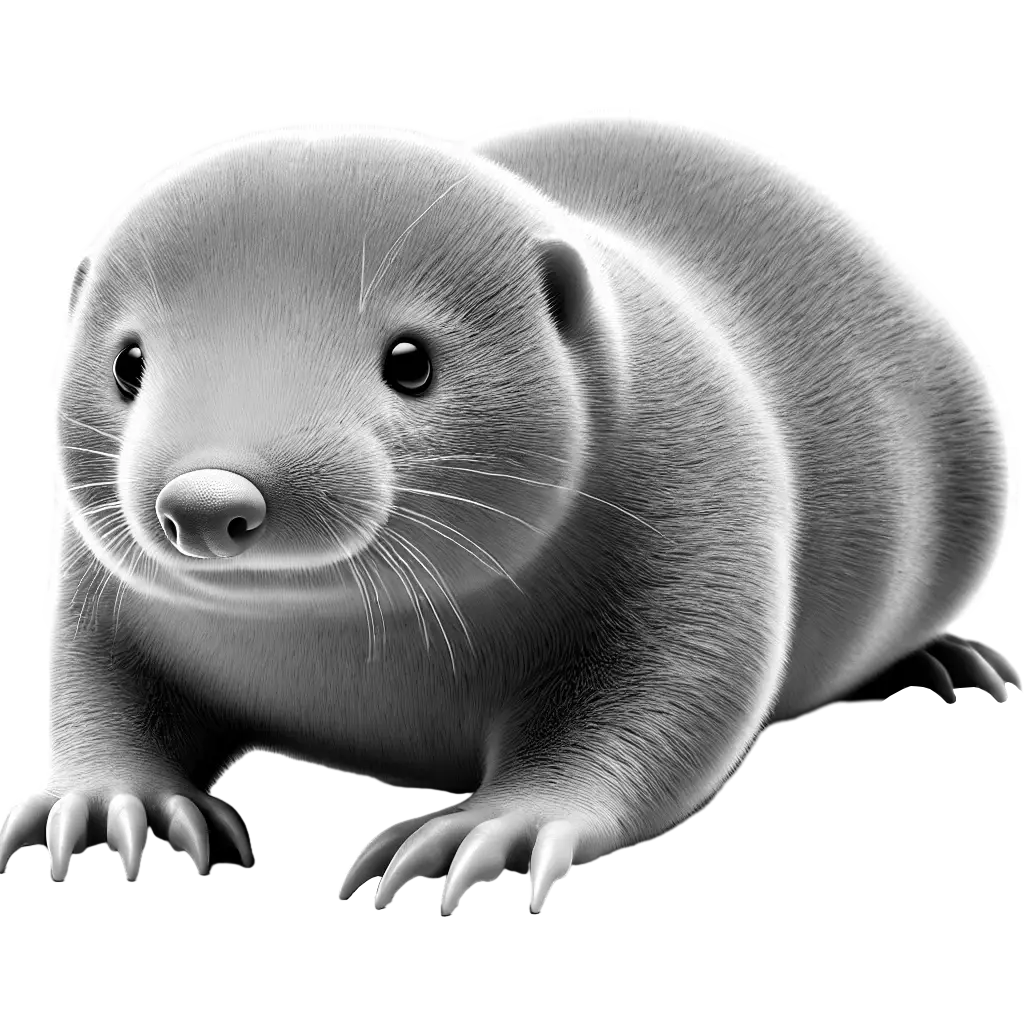
The Yellow Golden Mole is a small, compact mammal distinguished by its velvety, golden-brown fur and notably short, blunt snout. Its reduced eyes and robust, muscular body are perfectly adapted for a subterranean lifestyle, allowing it to navigate and dig through soft, sandy soils with remarkable efficiency. Living almost entirely