

Calcochloris Obtusirostris
Yellow Golden Mole
Arid and semi-arid regions of southern Africa
The Yellow Golden Mole is a small, compact mammal distinguished by its velvety, golden-brown fur and notably short, blunt snout. Its reduced eyes and robust, muscular body are perfectly adapted for a subterranean lifestyle, allowing it to navigate and dig through soft, sandy soils with remarkable efficiency.
| Population: | Common in undisturbed arid regions of southern Africa, but declines in areas with intensive land use |
| Generation Length: | 2.5 years |
| Average Weight: | Approximately 30-50 grams |
| Average Length: | Approximately 8-10 cm |
| Lifespan: | Approximately 3-5 years in the wild; up to 7 years in captivity |
| Diet: | Insectivorous, occasionally supplemented by plant material |
| Conservation Status: | Least Concern (LC) |
Living almost entirely underground, this mole spends its days in an intricate network of tunnels that provide both shelter and routes for foraging. It is predominantly solitary, with individuals often sharing overlapping burrow systems in areas where food is plentiful. Its activity is largely hidden from view, emerging only briefly to forage or relocate, making it a mysterious and elusive inhabitant of arid landscapes.
The diet of the Yellow Golden Mole is primarily insectivorous, consisting mainly of ants, termites, and other small invertebrates found within the soil. Its acute sense of smell and sensitive tactile receptors help it detect prey hidden beneath the surface. Occasionally, it supplements its diet with small amounts of plant material, though insects remain its primary nutritional source. This feeding strategy not only sustains its energy needs but also plays an important role in controlling soil invertebrate populations.
Mating behavior in this species is not well-documented, but it is believed that mating occurs during brief, seasonal underground encounters. Courtship likely involves subtle chemical and tactile signals, with females giving birth to small litters of 2-4 young that quickly adapt to life in the burrow system with minimal parental care.
Although the Yellow Golden Mole is common in undisturbed habitats, localized declines have been observed in areas affected by intensive agriculture and habitat fragmentation. Conservation efforts focus on preserving natural soil conditions and mitigating land-use impacts to ensure the survival of these specialized subterranean mammals.
Classifications
The Key Attributes
Features
- Movement:
Adapted for subterranean life, the Yellow Golden Mole uses powerful forelimbs and spade-like claws to dig tunnels.
- Territorial Behavior:
Generally non-territorial, with individuals often sharing overlapping burrow networks in favorable habitats.
- Speed:
It moves rapidly when digging, though it is seldom seen above ground.
- Diet:
Primarily insectivorous, feeding on ants, termites, and other small invertebrates found in the soil.
- Physical Features:
- Small, compact body with velvety, golden-brown fur
- Short, blunt snout and reduced, nearly hidden eyes
- Sturdy limbs with specialized digging claws
- Primary Senses:
- Smell
- Touch
- Limited vision
Understanding Habitat and Range
Geography
- Habitat:
Arid and semi-arid regions of southern Africa
- Migration Patterns:
Non-migratory; local movements occur primarily during foraging.
- Geographical Range:
Restricted to southern Africa.
- Climate Preferences:
Warm, dry climates with sparse vegetation.
Navigating the Wilderness
In the wild
- Predators:
Small terrestrial predators such as owls and carnivorous mammals may prey on juveniles.
- Prey:
Insects, ants, termites, and other small invertebrates.
- Feeding Behavior:
Forages underground by rapidly excavating tunnels to capture prey.
- Diet:
Insectivorous, occasionally supplemented by plant material
- Defensive Mechanisms:
- Rapid burrowing to escape threats
- Effective camouflage within the soil
- Preferred Food Sources:
- Insect colonies and ant nests
Insights Into Reproduction
Mating
- Mating System:
Likely promiscuous; mating occurs during brief underground encounters.
- Number of Offspring:
Typically 2-4 young per litter
- Incubation Period:
Eggs hatch after a short incubation period, though detailed data is limited.
- Parental Involvement:
- Females provide minimal care after birth, with offspring quickly learning to forage independently.
Youngsters Section
Yellow Golden Mole
Fun Fact
The yellow golden mole is a tiny, burrowing creature with soft, golden fur and a unique, blunt nose perfect for digging.
This little mole spends most of its time underground, using its sharp claws to tunnel through the soil. Its bright yellow fur helps it blend into the sand, while it searches for insects and worms to eat. Though rarely seen, the yellow golden mole is a fascinating and skilled digger of the wild!

Download word search puzzles
Word Search Puzzles


Check Out Other Mammals

The Common Genet, genetta genetta, is a slender, cat-like mammal, part of the Viverridae family, which also includes civets and mongooses. Characterized by its striking coat pattern, it has a pale, yellowish-grey fur with a series of black stripes running down its back and rows of spots on its sides,

The European Mink, mustela lutreola, is a small, semi-aquatic mammal once widespread across Europe but now among the continent's most endangered species. Characterized by its dark brown fur, paler underparts, and a distinctive white patch on the upper lip, the European Mink measures approximately 35 to 45 cm in length,
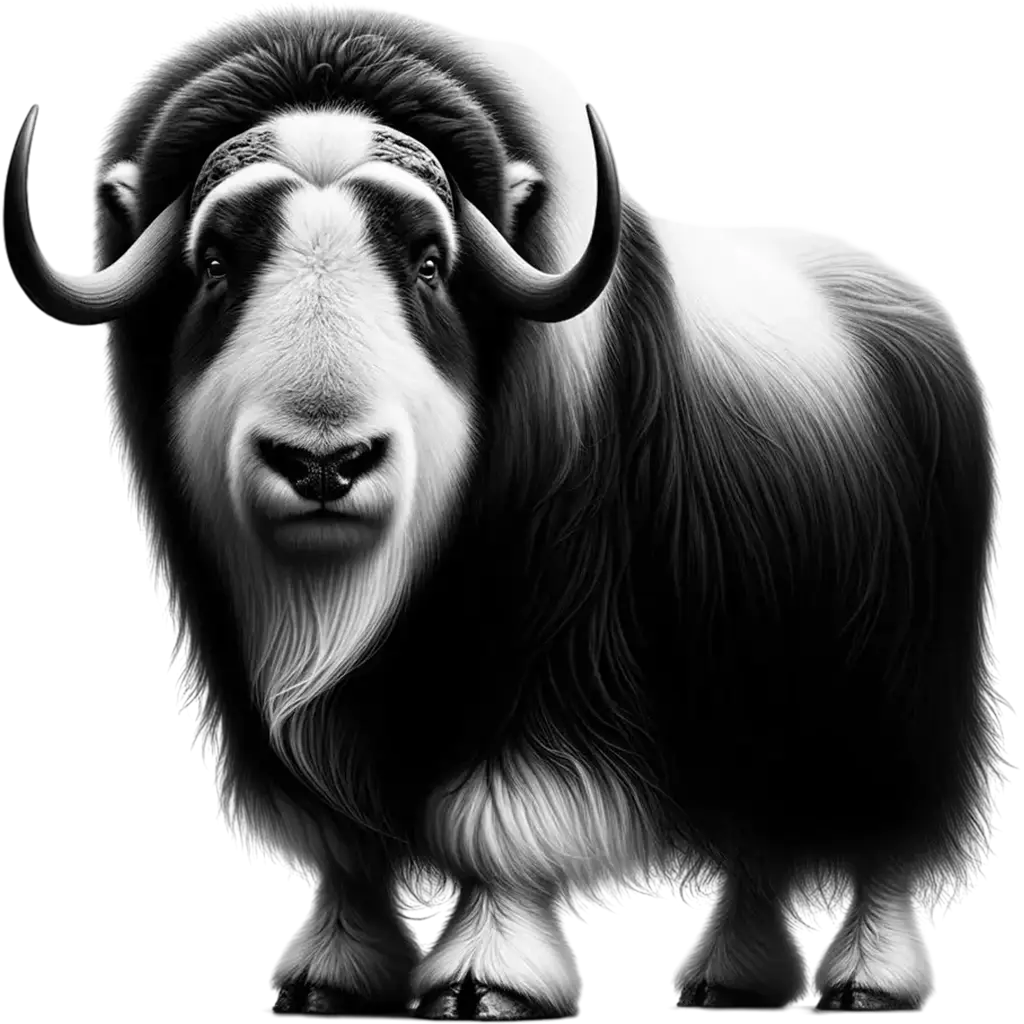
The Muskox, ovibos moschatus, is a robust, Arctic mammal known for its thick coat and strong, musky odor from which it derives its name. Adult Muskoxen can weigh between 200 to 400 kg and stand up to 1.5 meters tall at the shoulder. They exhibit a distinctive appearance with a
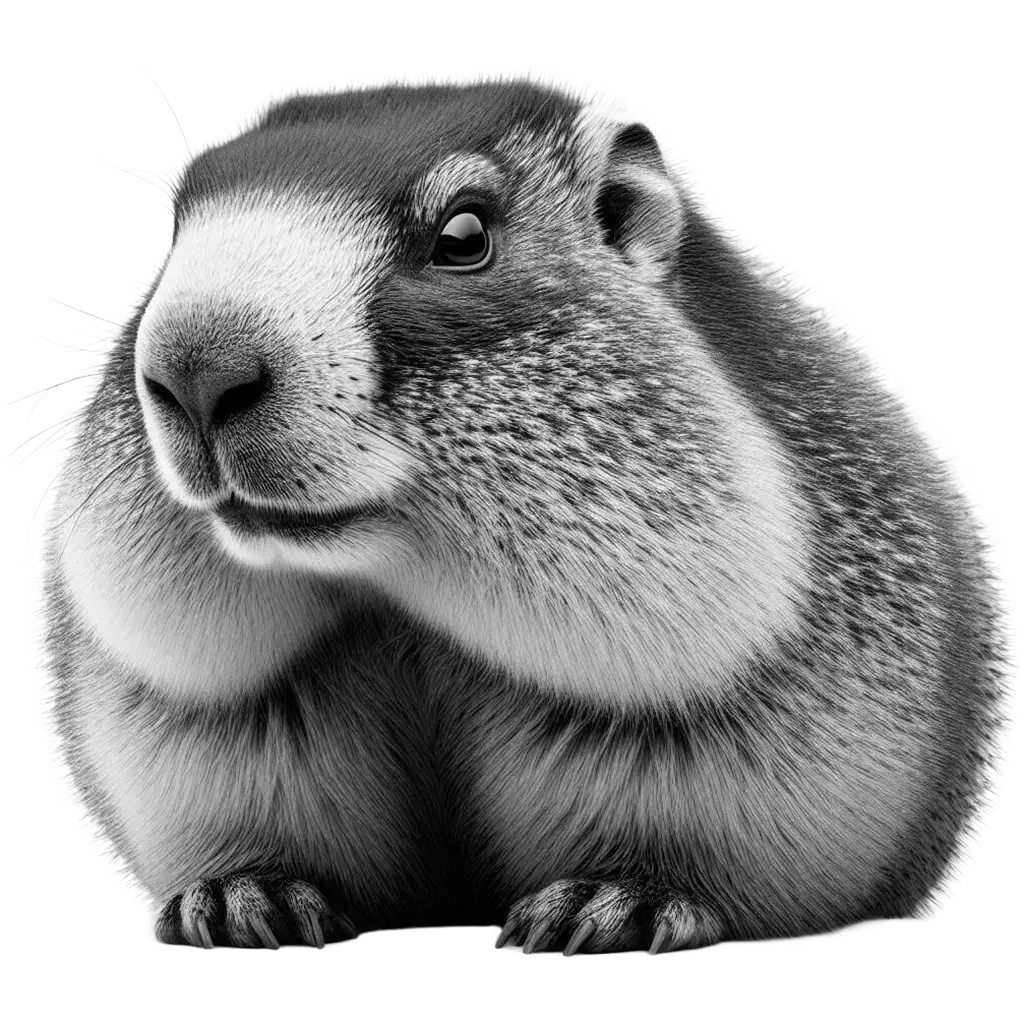
The Gray Marmot, marmota baibacina, also known as the Altai or Baikal Marmot, is a large rodent found in the mountainous regions of Central Asia, particularly in the Altai, Tien Shan, and Pamir Mountains. This species is characterized by its robust body, short limbs, and a bushy tail, with adult