
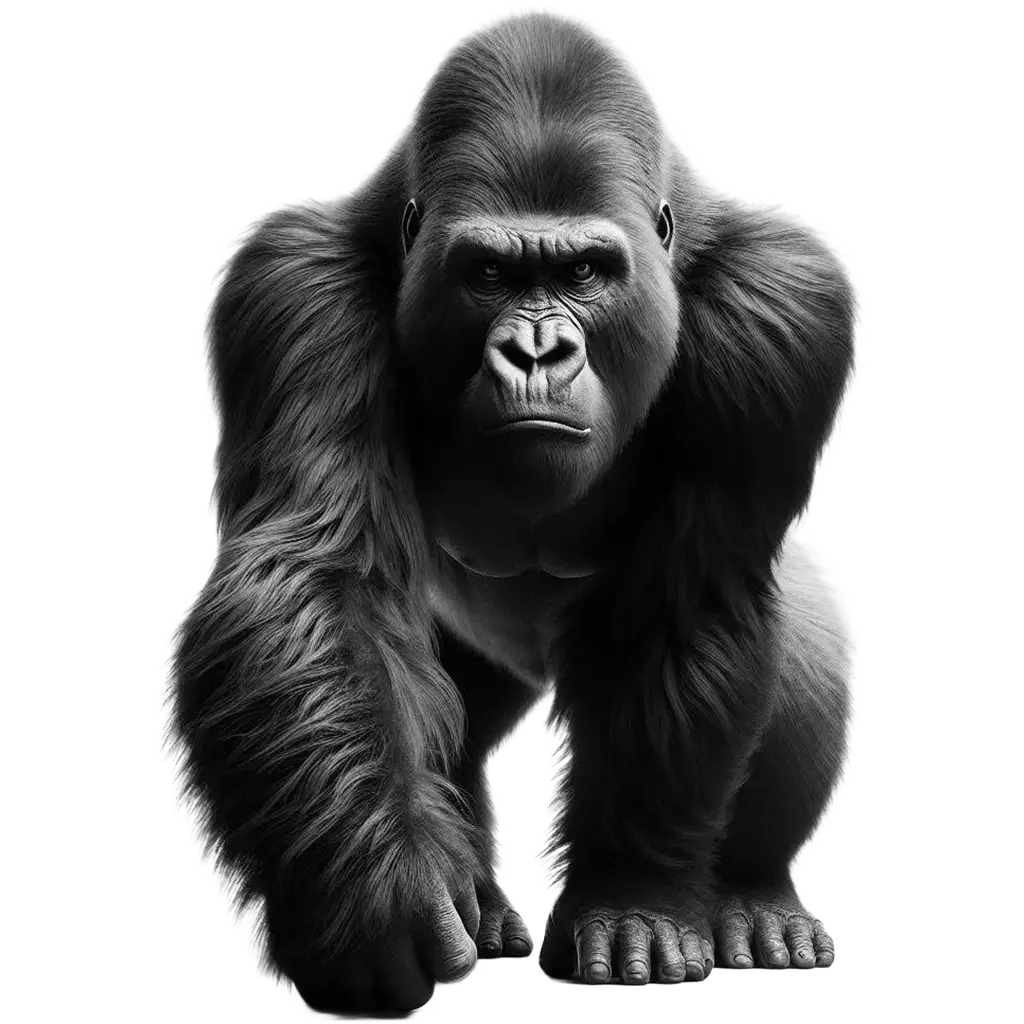
Gorilla Gorilla
Western Gorilla
Tropical and subtropical forests
The Western Gorilla, gorilla gorilla, stands as a majestic primate, recognized by its dense, dark fur and a more prominent ridge along its brow compared to its Eastern counterpart. Adult males, known as silverbacks due to the distinctive silver-gray fur on their backs that develops with age, can reach heights of up to 1.8 meters (6 feet) when standing and weigh between 140 to 200 kilograms (310 to 440 pounds). Females are significantly smaller, highlighting the species' pronounced sexual dimorphism. Their expressive faces, complete with deep-set eyes and a broad nose, contribute to their emotive appearance, allowing for strong social bonds within groups.
| Population: | Critically Endangered, with an estimated population of fewer than 100,000 individuals and declining |
| Generation Length: | Approximately 20 years |
| Average Weight: | Males: 140-200 kg, Females: 70-100 kg |
| Average Length: | Males: 1.5-1.8 m tall when standing upright, Females: slightly shorter |
| Lifespan: | 35-40 years in the wild, longer in captivity |
| Diet: | Primarily vegetarian diet including leaves, shoots, roots, and fruit |
| Conservation Status: | Critically Endangered (CR) |
Western Gorillas lead a largely terrestrial lifestyle, spending considerable time on the ground within their forest habitats in Central Africa, although they are capable climbers as well. Living in groups called troops, typically consisting of one dominant silverback, several females, and their offspring, these gorillas have a complex social structure that emphasizes cooperation and stability. They have home ranges but are not territorial, moving daily through the forest in search of food. Their day is structured around feeding in the morning, resting around midday, and then feeding again in the late afternoon before nesting in leaves on the ground or in trees at night.
The diet of Western Gorilla is predominantly herbivorous, focusing on leaves, stems, fruits, and occasionally small insects like termites and ants. This varied diet is crucial for their health, providing necessary nutrients and aiding in the digestion process. Their role as seed dispersers contributes significantly to the health of their ecosystem, promoting forest regeneration. The ability to process fibrous plant material is facilitated by their strong jaws and large molars, which grind the vegetation efficiently.
Mating can occur at any time of the year for Western Gorillas, with no specific breeding season. The silverback has exclusive mating rights with the females in his group. Gestation lasts about 8.5 months, leading to the birth of a single infant, which is highly dependent on its mother for the first several years of life. This close bond ensures the young gorilla's survival through constant care and socialization within the troop. As they reach maturity, males may leave to form their own groups, while females often stay within the troop.
Western Gorilla populations are currently classified as Critically Endangered, facing significant threats from habitat destruction, poaching, and diseases like Ebola. Conservation efforts are in place, aiming to protect their natural habitats and reduce human-induced threats. Despite these efforts, their numbers continue to decline, highlighting the urgent need for increased conservation measures to ensure the survival of this remarkable species.
Classifications
The Key Attributes
Features
- Movement:
Knuckle-walking
- Territorial Behavior:
Social, living in groups called troops or bands
- Speed:
Not specifically quantified; capable of quick bursts of speed over short distances
- Diet:
Herbivore, occasionally insectivore
- Physical Features:
- Dark fur
- Large, muscular build
- Prominent brow ridge
- Large nostrils
- Silverback in mature males
- Primary Senses:
- Sight
- Hearing
- Smell
Understanding Habitat and Range
Geography
- Habitat:
Tropical and subtropical forests
- Migration Patterns:
Non-migratory, but groups have defined home ranges
- Geographical Range:
Western and Central Africa, specifically in countries like Cameroon, Central African Republic, Congo, Equatorial Guinea, Gabon, Nigeria, and Angola
- Climate Preferences:
Tropical and subtropical
Navigating the Wilderness
In the wild
- Predators:
Leopards and humans (though predation is rare, humans pose a threat through poaching)
- Prey:
Not applicable
- Feeding Behavior:
Diurnal, feeding primarily on leaves, shoots, roots, fruit, and occasionally insects
- Diet:
Primarily vegetarian diet including leaves, shoots, roots, and fruit
- Defensive Mechanisms:
- Strength
- Group defense led by the dominant silverback
- Preferred Food Sources:
- Leaves
- Shoots
- Roots
- Fruit
Insights Into Reproduction
Mating
- Mating System:
Polygynous, with one dominant male mating with multiple females
- Number of Offspring:
1 infant
- Gestation Period:
Approximately 8.5 months
- Parental Involvement:
- Intensive care from the mother
- Protection and socialization within the group by the silverback and other members
Youngsters Section
Western Gorilla
Fun Fact
Western gorillas are the most widespread and numerous of all gorilla subspecies.
They primarily inhabit dense rainforests in Central and West Africa. Western gorillas are known for their impressive strength and gentle behavior. They have a varied diet that includes fruits, leaves, and occasionally insects. Their social structure is complex, living in groups led by a dominant silverback male.

Download word search puzzles
Word Search Puzzles


Check Out Other Mammals

The Pomeranian, known for its fluffy coat and lively personality, is a small breed of dog that belongs to the Spitz family. Adults typically weigh between 1.4 to 3.2 kg (3 to 7 pounds) and stand about 20 cm (7.9 inches) tall at the shoulder, making them one of the
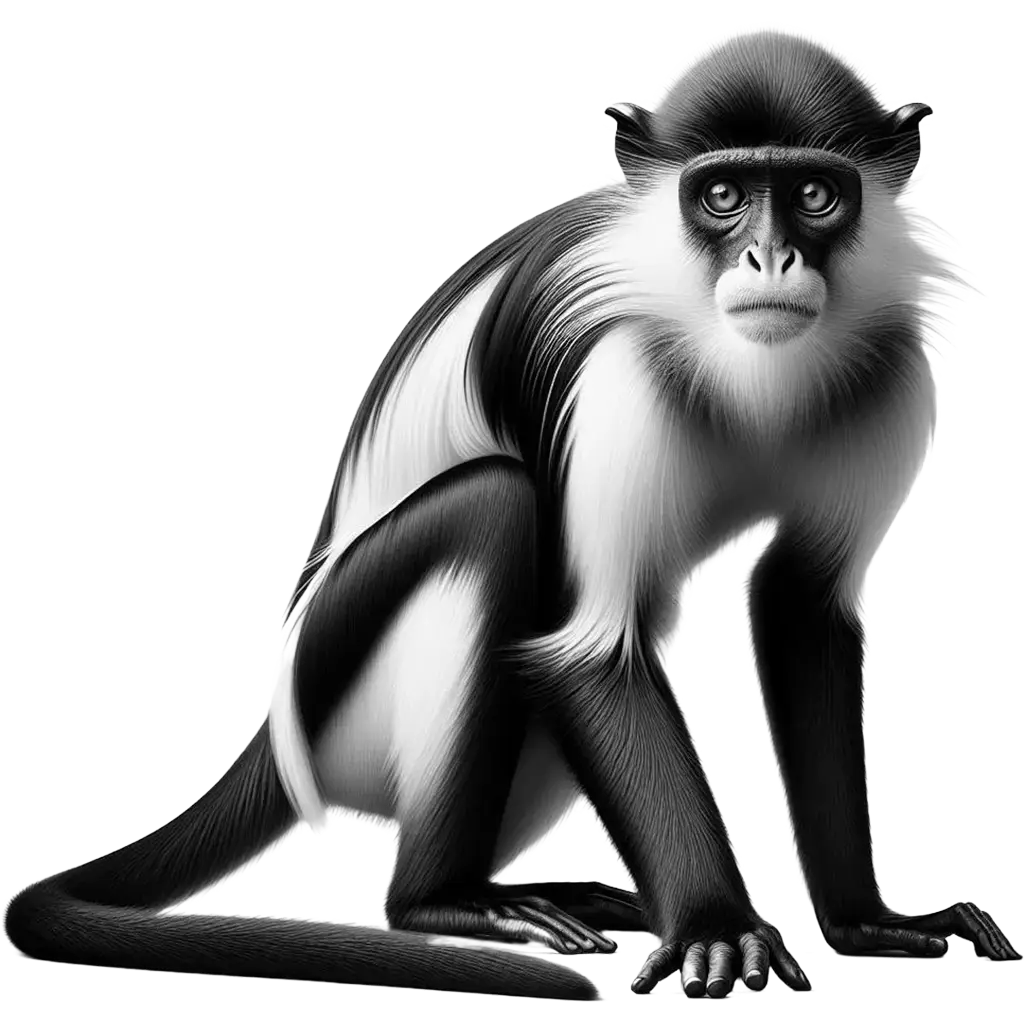
The Collared Mangabey, cercocebus torquatus, often distinguished by its white collar of fur that encircles its neck, is a medium to large-sized primate endemic to the dense forests of West Africa. This species exhibits a striking black fur contrasted by the white fur around its neck and cheeks, and possesses
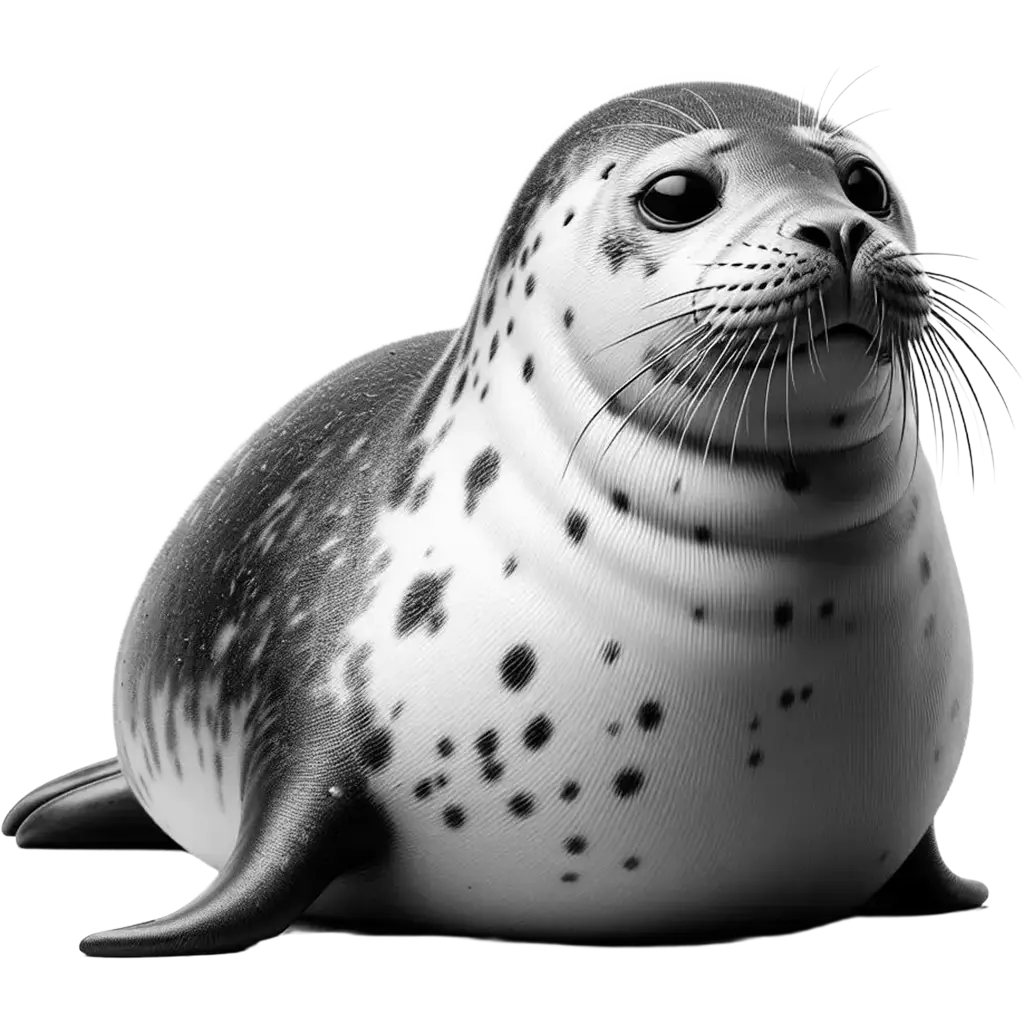
The Harbor Seal, Phoca vitulina, is a widespread species of seal found in temperate coastal waters of the Northern Hemisphere, including the North Atlantic and Pacific Oceans. Adults typically measure between 1.5 to 1.9 meters (5 to 6.25 feet) in length and weigh between 55 to 168 kilograms (120 to
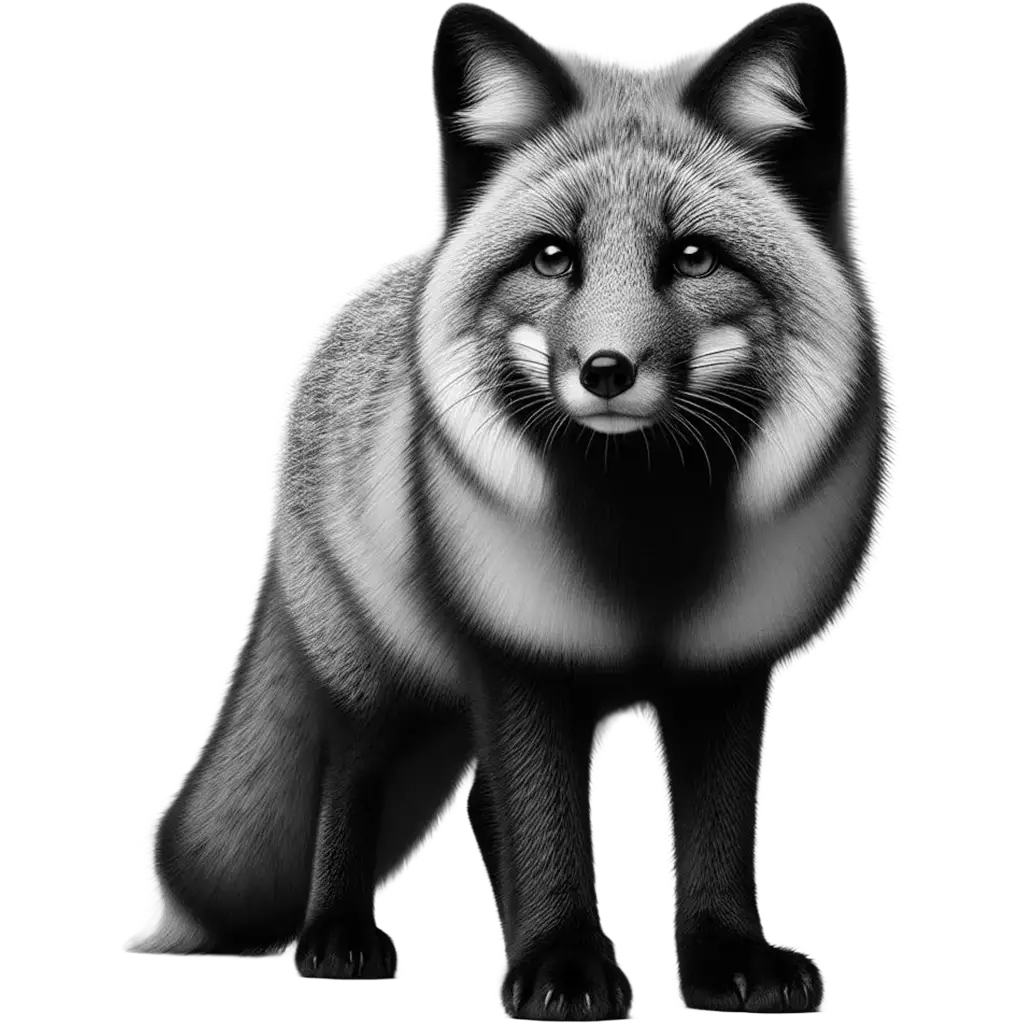
The Gray Fox, urocyon cinereoargenteus, is a medium-sized canid distinguished by its grizzled gray coat, with a black stripe running down its back and tail, and a white underbelly. Its most notable feature is its ability to climb trees, thanks to its strong, hook-shaped claws. This fox typically measures about