
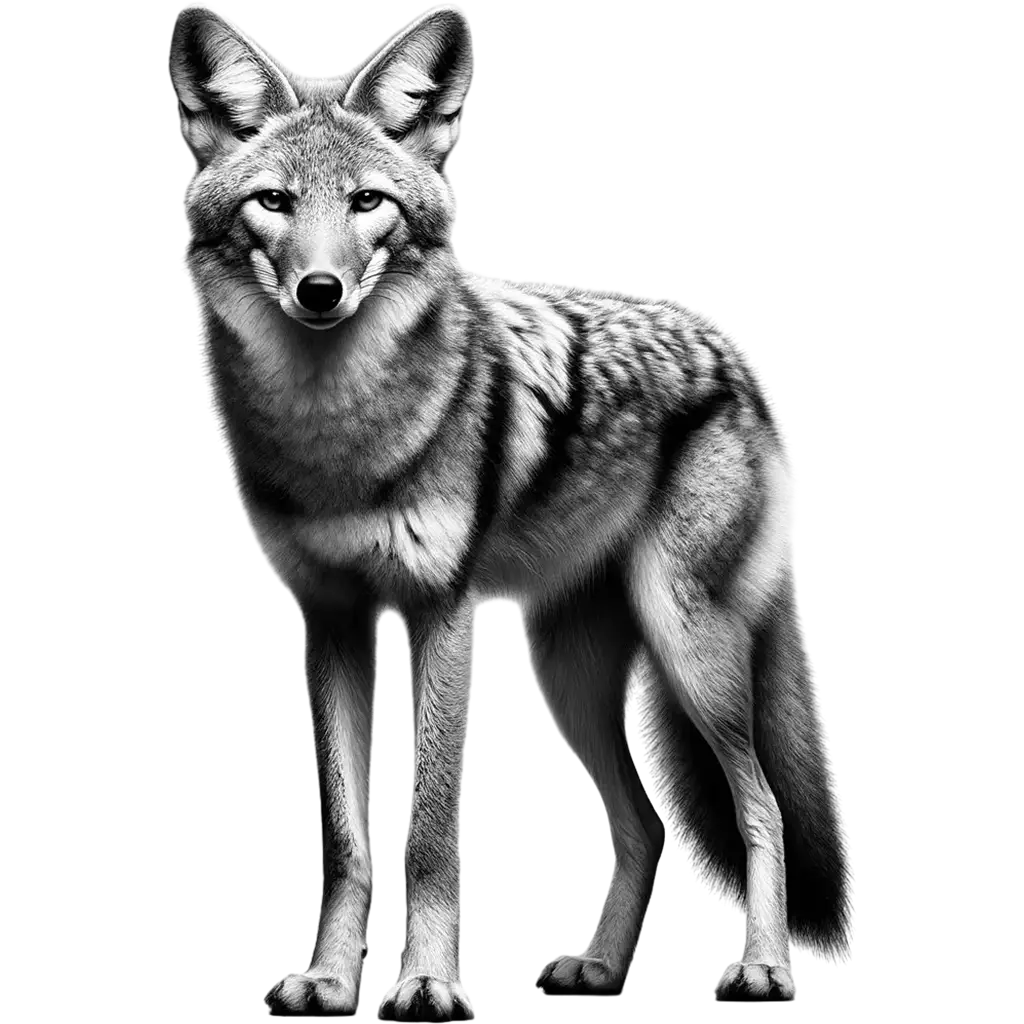
Canis Latrans
Coyote
Diverse, including deserts, grasslands, forests, and urban areas
The Coyote, canis latrans, is a highly adaptable and versatile canid native to North America. Adults typically measure between 1.0 to 1.35 meters in length, including the tail, and weigh between 15 to 46 kg, with males generally larger than females. Their fur color can vary widely from grayish-brown to yellowish-gray, with a lighter underbelly, and they possess a bushy tail with a black tip. The Coyote's slender, elongated snout and erect, pointed ears are distinctive features that aid in its keen senses of smell and hearing, crucial for hunting and communication.
| Population: | Listed as Least Concern, with widespread and adaptable populations |
| Generation Length: | 2-3 years |
| Average Weight: | 15-25 kg |
| Average Length: | 1-1.5 meters in total length, including the tail |
| Lifespan: | 10-14 years in the wild, up to 20 years in captivity |
| Diet: | Highly adaptable, primarily carnivorous but includes a wide range of foods |
| Conservation Status: | Least Concern (LC) |
Coyotes have demonstrated remarkable adaptability to a wide range of habitats, from desert landscapes and prairies to forests and urban environments. They are highly social animals, known to form complex family units or 'packs,' though individuals may also hunt and travel alone. Coyotes are primarily nocturnal but can be active during the day, especially in areas where they feel undisturbed.
Their diet is omnivorous and highly varied, including small mammals, insects, reptiles, fruit, and carrion. In urban areas, Coyotes have adapted to consume garbage and pet food, showcasing their opportunistic feeding habits. This varied diet allows Coyotes to thrive in diverse environments and play a crucial role in controlling rodent and rabbit populations, thus maintaining ecological balance.
Reproduction in Coyotes involves monogamous pairs that mate for life, with breeding occurring once annually. Females give birth to a litter of 4 to 7 pups after a gestation period of about 63 days. Both parents participate in the care and training of the pups, teaching them to hunt and defend territory. Coyote pups are weaned at around 10 weeks and may stay with their family pack for up to a year.
The population of the Coyote has expanded significantly over the last century, even as other species have declined, due to their adaptability and generalist habitat requirements. While considered a nuisance in some areas due to livestock predation and conflicts with humans, Coyotes are an integral part of North American ecosystems, contributing to the control of pest populations and the scavenging of carrion. Conservation efforts focus on managing their population in a way that minimizes conflict while recognizing their ecological value.
Classifications
The Key Attributes
Features
- Movement:
Walking, running
- Territorial Behavior:
Solitary or in small family groups
- Speed:
Can run up to 64 km/h (40 mph)
- Diet:
Omnivore
- Physical Features:
- Slim, pointed muzzle and large, pointed ears
- Bushy tail with a black tip
- Variable fur color, ranging from greyish-brown to yellowish-grey, with white underparts
- Strong, agile limbs for running and hunting
- Primary Senses:
- Sight
- Hearing
- Smell
Understanding Habitat and Range
Geography
- Habitat:
Diverse, including deserts, grasslands, forests, and urban areas
- Migration Patterns:
Sedentary with territorial ranges, but can expand territories as needed
- Geographical Range:
North America, from Canada through the United States to Mexico and Central America
- Climate Preferences:
Adaptable to various climates, from arid deserts to cold alpine areas
Navigating the Wilderness
In the wild
- Predators:
Larger predators like wolves, mountain lions, and humans
- Prey:
Rabbits, rodents, deer fawns, fruits, and occasionally domestic animals
- Feeding Behavior:
Opportunistic feeder, eating small mammals, birds, reptiles, insects, fruits, and carrion
- Diet:
Highly adaptable, primarily carnivorous but includes a wide range of foods
- Defensive Mechanisms:
- Speed and agility to escape threats
- Camouflage in their environment
- Group tactics in defending against larger predators
- Preferred Food Sources:
- Varied based on habitat, often hunting or scavenging available resources
Insights Into Reproduction
Mating
- Mating System:
Monogamous, forming pairs that can last multiple breeding seasons
- Number of Offspring:
4-7 pups
- Gestation Period:
About 63 days
- Parental Involvement:
- Both parents involved in rearing the young, with assistance from older offspring in larger packs
Youngsters Section
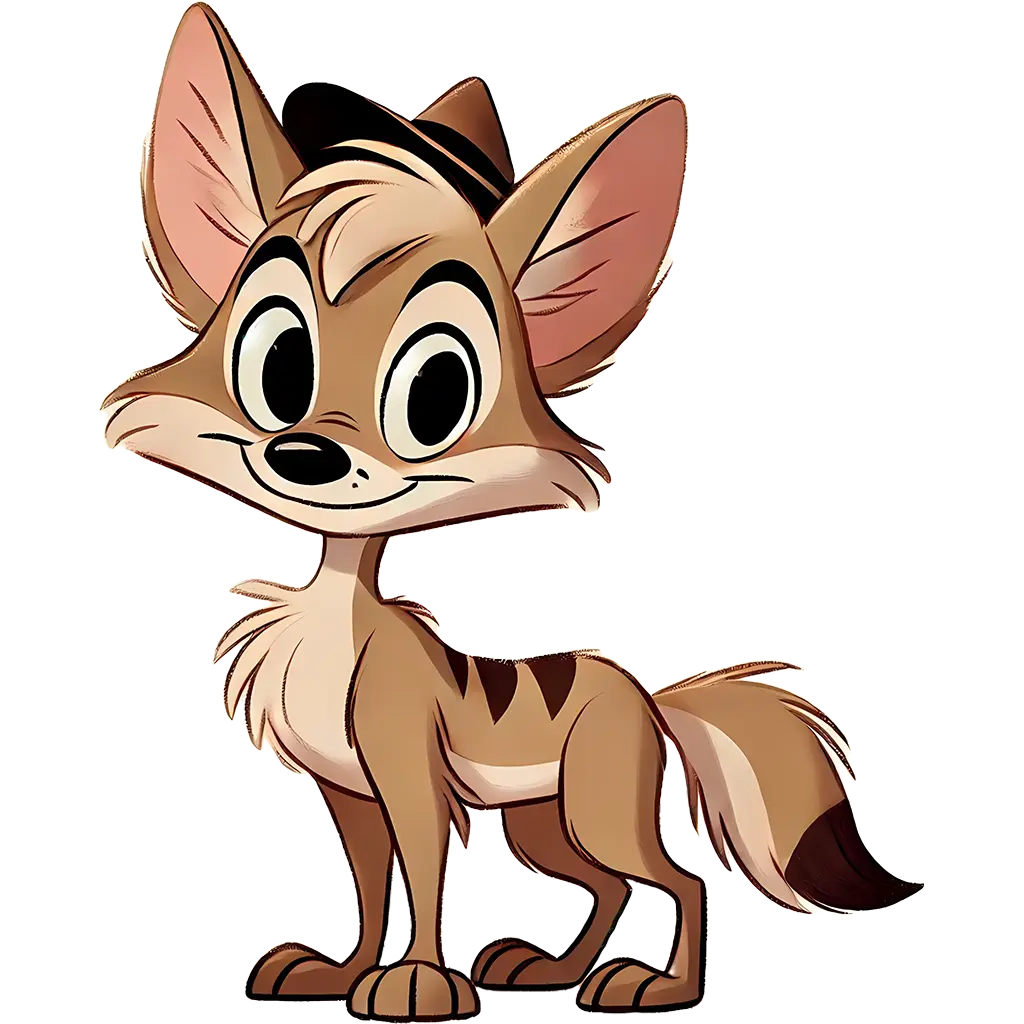
Coyote
Fun Fact
Coyotes are incredibly adaptable animals found across North America in diverse habitats.
They can live in forests, deserts, mountains, and even urban areas. Coyotes communicate through vocalizations, such as howls and yips. Their diet is varied, including small mammals, insects, and fruits, showcasing their opportunistic feeding habits. Coyotes play an essential role in controlling rodent populations, making them vital to their ecosystems.

Download word search puzzles
Word Search Puzzles
Check Out Other Mammals
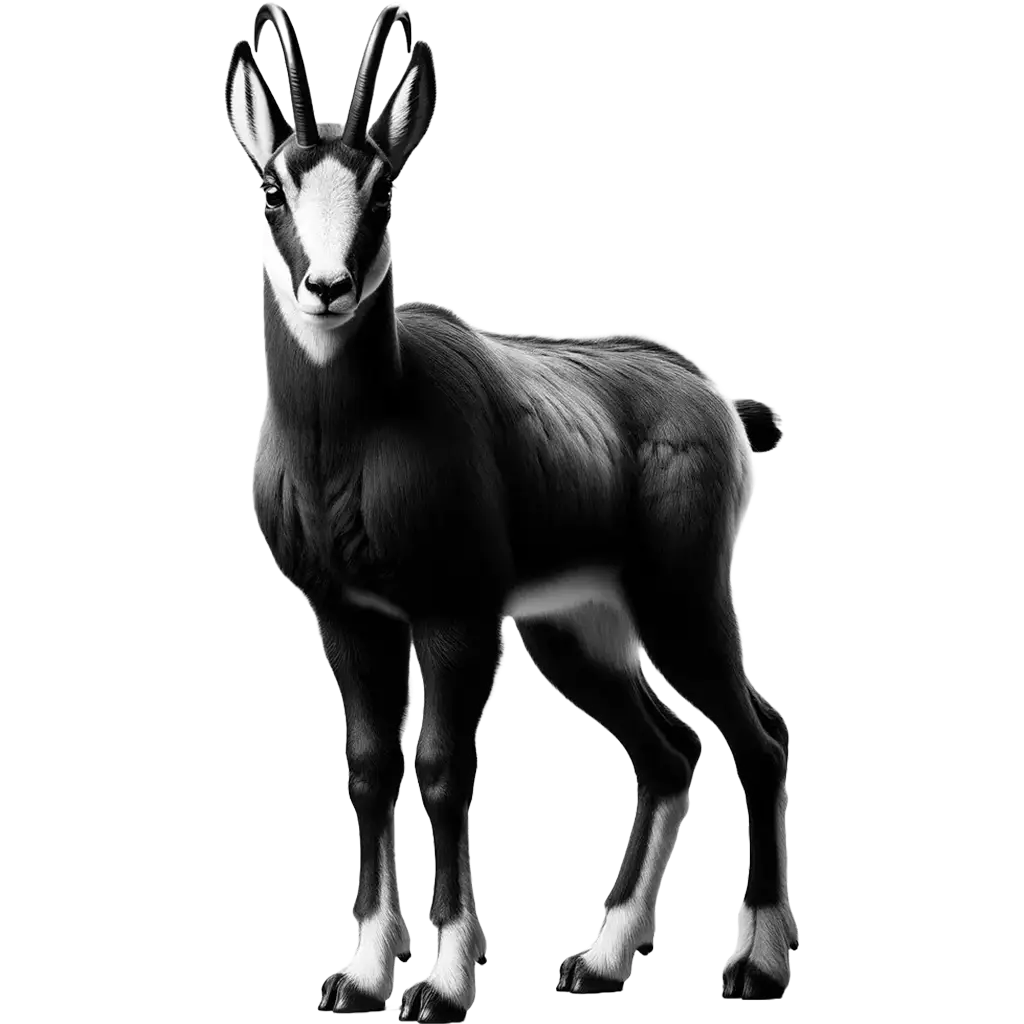
The Chamois, rupicapra rupicapra, is a nimble and hardy mountain-dwelling ungulate found across the rugged terrains of Europe's mountain ranges, including the Alps, Carpathians, Tatra, and Balkans. This species is renowned for its agility and ability to navigate steep, rocky slopes with ease. Adult Chamois have a distinctive appearance with
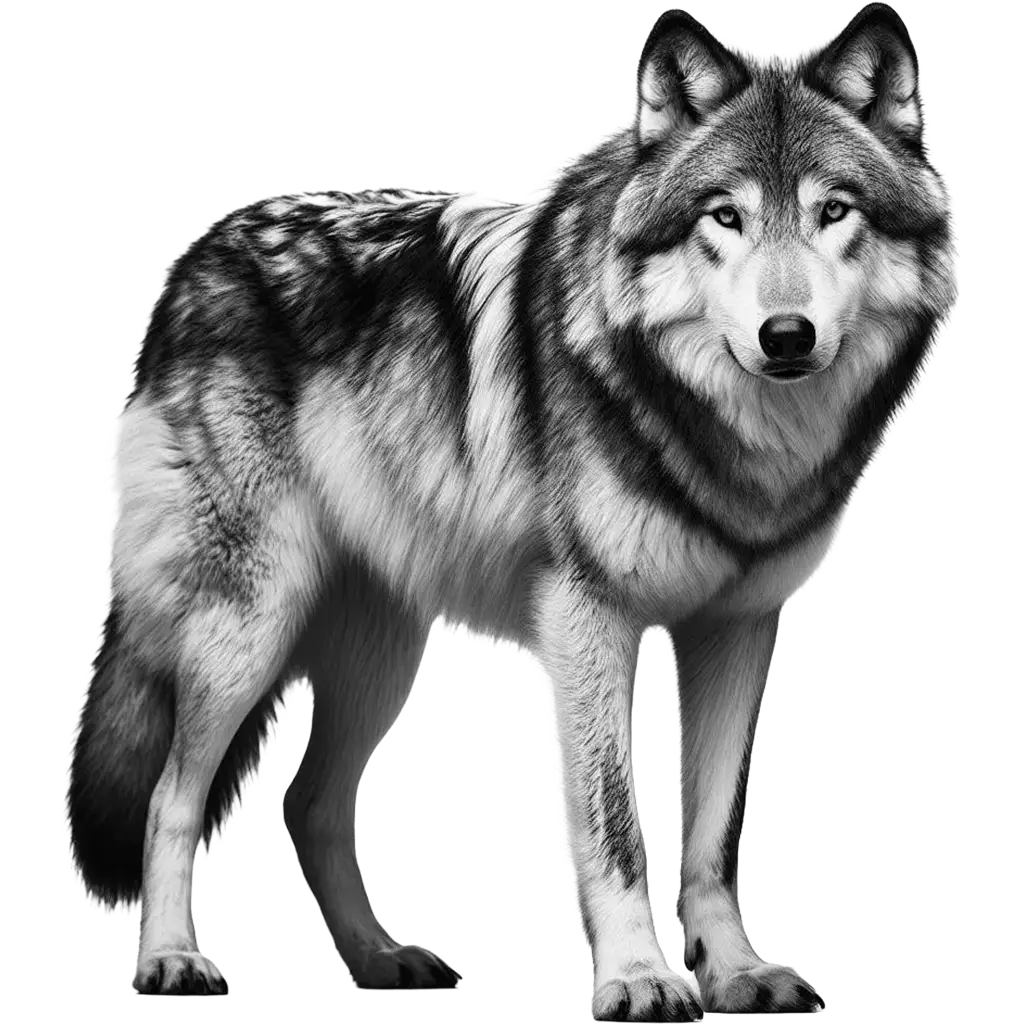
The Gray Wolf, canis lupus, is a highly adaptable and widely distributed canine, recognized for its role as a top predator within its ecosystem. Adult gray wolves vary significantly in size based on their geographical location, with weights ranging from 30 to 80 kilograms (66 to 176 pounds) and lengths

The Polar Bear, ursus maritimus, is the largest land carnivore, symbolizing the Arctic's wild beauty. Characterized by its thick, white fur which provides camouflage in snowy habitats and a layer of fat for insulation, adult males can weigh between 350 to more than 650 kg (770 to over 1,430 lbs),
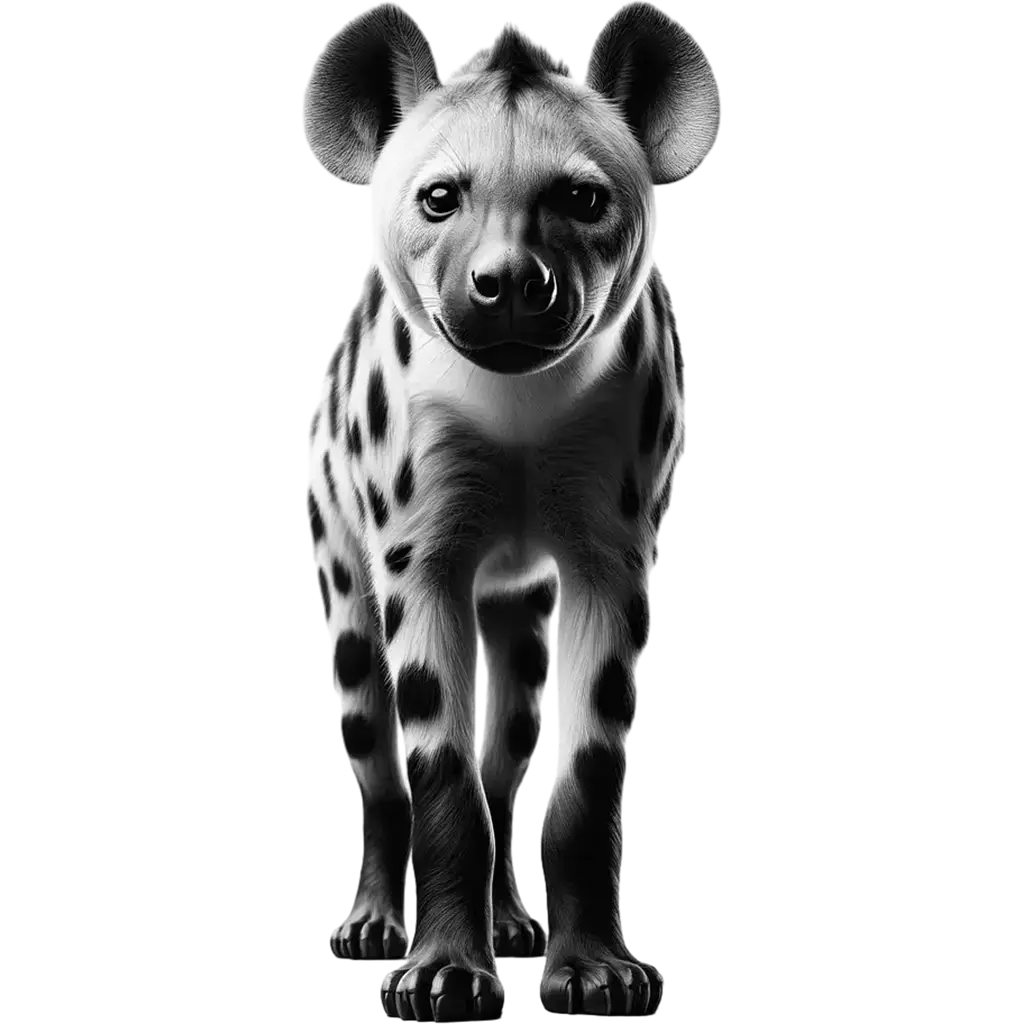
The Spotted Hyena, crocuta crocuta, often misunderstood as solely a scavenger, is in fact a skilled hunter and the most social of the hyena species. Adults can weigh between 40 to 80 kg and measure up to 1.5 meters in length, with females generally larger and more dominant than males.