
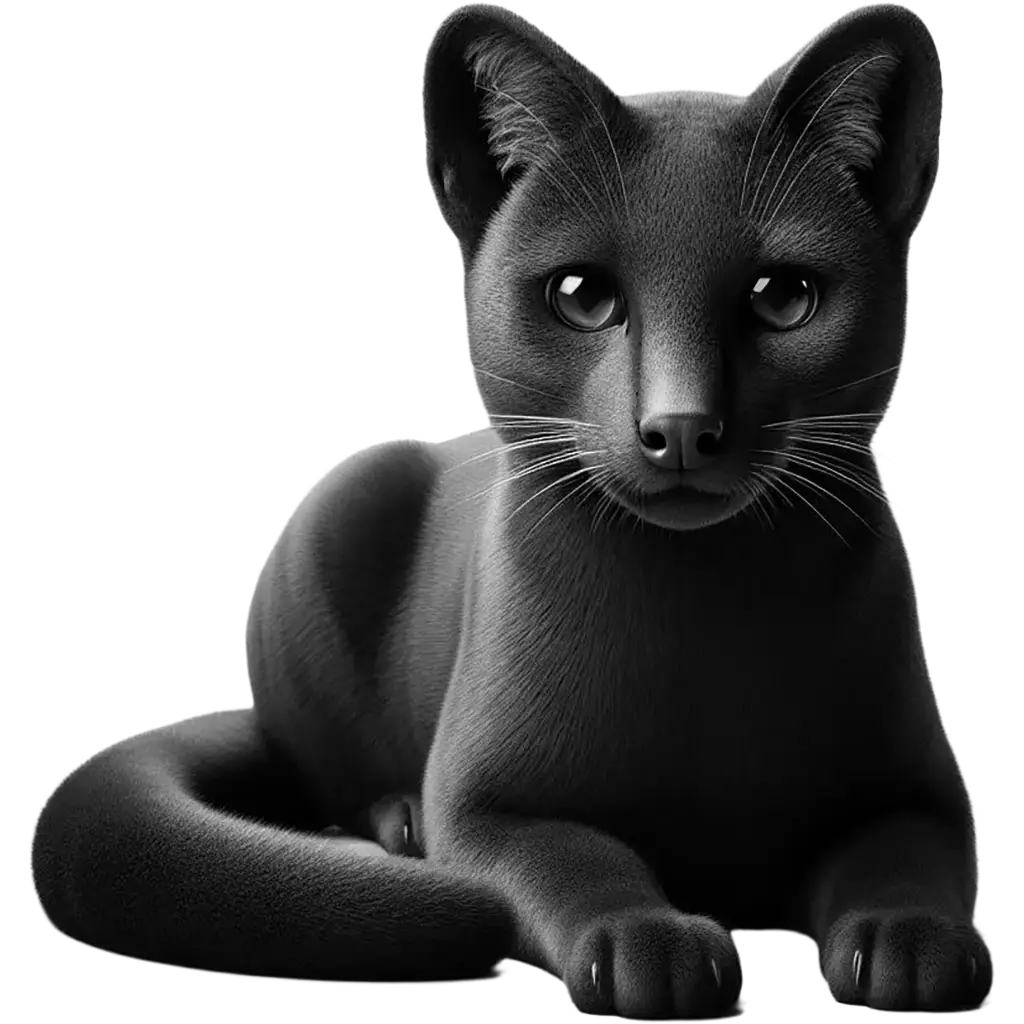
Cryptoprocta Ferox
Fossa
Forests, from dry deciduous to rainforests
The Fossa, cryptoprocta ferox, is a unique and elusive carnivore native to Madagascar, often described as a 'cat-like' predator despite its closer genetic ties to mongooses and civets. This apex predator of the Malagasy forests stands as the largest mammalian carnivore on the island, with adults measuring up to 80 centimeters in body length, not including a tail nearly as long, and weighing between 5.5 to 8.6 kilograms (12 to 19 pounds). The Fossa's sleek, muscular body, reddish-brown fur, and semi-retractable claws make it an adept climber and hunter, capable of pursuing prey through the trees as well as on the ground.
| Population: | Estimated to be fewer than 2,500 mature individuals, classified as Vulnerable |
| Generation Length: | 4-5 years |
| Average Weight: | 5.5-8.6 kg |
| Average Length: | Body length: 70-80 cm, Tail length: 65-70 cm |
| Lifespan: | Up to 20 years in the wild, longer in captivity |
| Diet: | Mainly lemurs and other small to medium-sized animals |
| Conservation Status: | Vulnerable (VU) |
The Fossa inhabits the dense forests of Madagascar, ranging from the coastal lowlands to mountainous regions. It is a solitary and primarily nocturnal creature, although it may be active during the day. The Fossa's diet is diverse, feeding on a variety of prey including lemurs, rodents, birds, and reptiles, playing a crucial role in the ecological balance of its habitat as a top predator.
Reproduction in the Fossa involves a unique mating behavior, where females may use communal sites, called 'mating trees,' to attract males. After a gestation period of about three months, females give birth to a litter of two to four offspring in a hidden den. The young Fossas are dependent on their mother for the first year of life, during which they learn essential hunting and survival skills.
The Fossa is currently classified as Vulnerable by the IUCN Red List, facing threats from habitat destruction due to deforestation for agriculture and logging, hunting, and a declining prey base. Its survival is intimately linked to the conservation of Madagascar's diminishing forests, which are among the world's most biodiverse ecosystems.
Conservation efforts for the Fossa include habitat protection and restoration, research to better understand its ecology and behavior, and community-based initiatives to mitigate human-Fossa conflicts. Protecting the Fossa is critical not only for the species itself but also for the preservation of Madagascar's unique biodiversity, highlighting the importance of international collaboration in conservation efforts.
Classifications
The Key Attributes
Features
- Movement:
Quadrupedal, climbing
- Territorial Behavior:
Solitary and territorial
- Speed:
Agile and capable climber but specific speeds not quantified
- Diet:
Carnivore
- Physical Features:
- Cat-like appearance with a muscular body
- Long tail for balance
- Retractable claws
- Sharp, carnivorous teeth
- Primary Senses:
- Sight
- Hearing
- Smell
Understanding Habitat and Range
Geography
- Habitat:
Forests, from dry deciduous to rainforests
- Migration Patterns:
Non-migratory, but ranges widely in search of food
- Geographical Range:
Endemic to Madagascar
- Climate Preferences:
Prefers forest habitats, adaptable to various forest climates
Navigating the Wilderness
In the wild
- Predators:
Humans are the primary threat through habitat destruction and hunting
- Prey:
Lemurs, rodents, birds, insects, reptiles
- Feeding Behavior:
Primarily nocturnal; preys on lemurs, rodents, birds, and occasionally insects and reptiles
- Diet:
Mainly lemurs and other small to medium-sized animals
- Defensive Mechanisms:
- Agility in trees
- Climbing to escape threats
- Using its strength and claws for defense
- Preferred Food Sources:
- Lemurs
- Rodents
- Birds
Insights Into Reproduction
Mating
- Mating System:
Polygynandrous (promiscuous)
- Number of Offspring:
1-2 offspring
- Gestation Period:
About 6-7 months
- Parental Involvement:
- Female primarily responsible for raising the young
Youngsters Section
Fossa
Fun Fact
The fossa is a unique carnivore native to Madagascar, resembling a mix between a cat and a mongoose.
It is the largest predator on the island, primarily preying on lemurs. Despite its cat-like appearance, the fossa's closest relatives are the mongoose and civet. This agile creature can leap between trees with ease, using its long tail for balance. Its flexible ankles allow it to climb headfirst down trees.

Download word search puzzles
Word Search Puzzles


Check Out Other Mammals
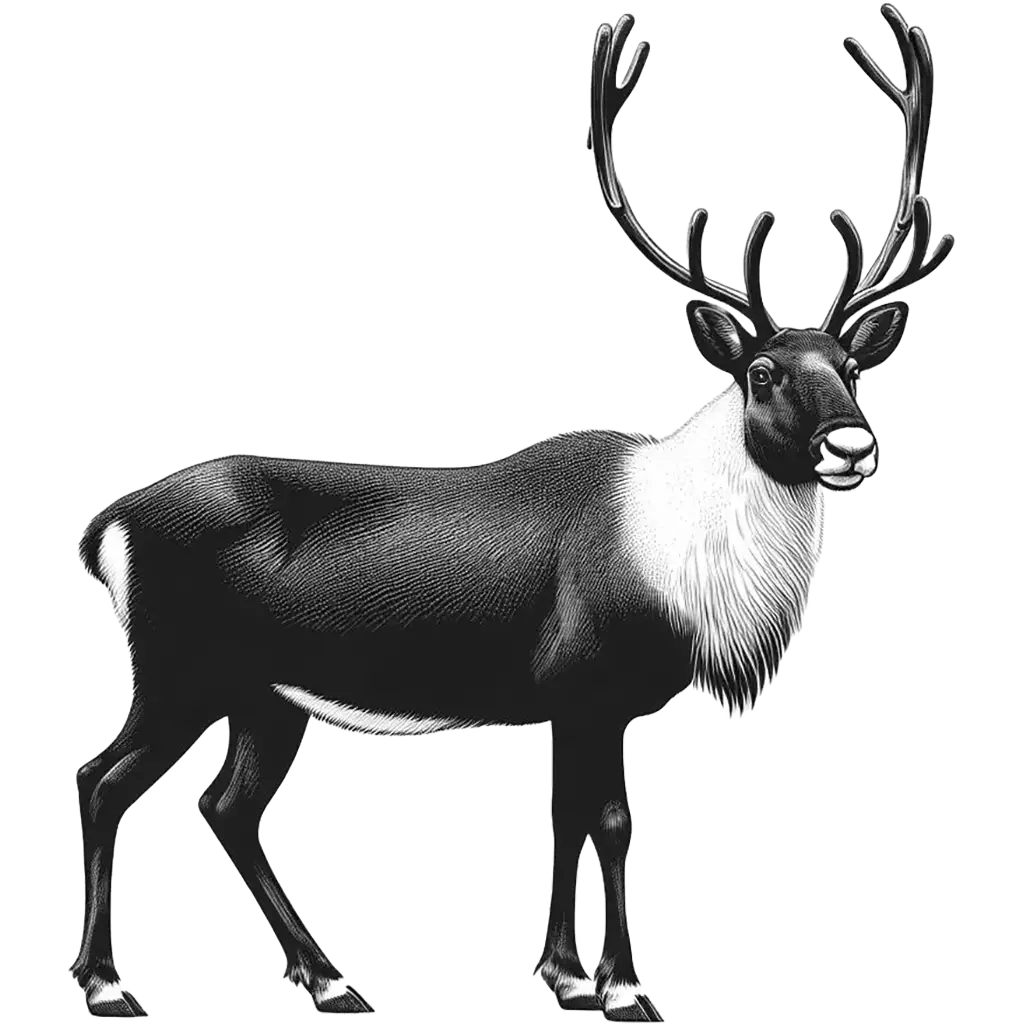
The Reindeer, rangifer tarandus, also known as the caribou in North America, is a species of deer native to Arctic, sub-Arctic, tundra, boreal, and mountainous regions of northern Europe, Siberia, and North America. This species is unique among deer for its adaptations to cold environments, including a thick coat of
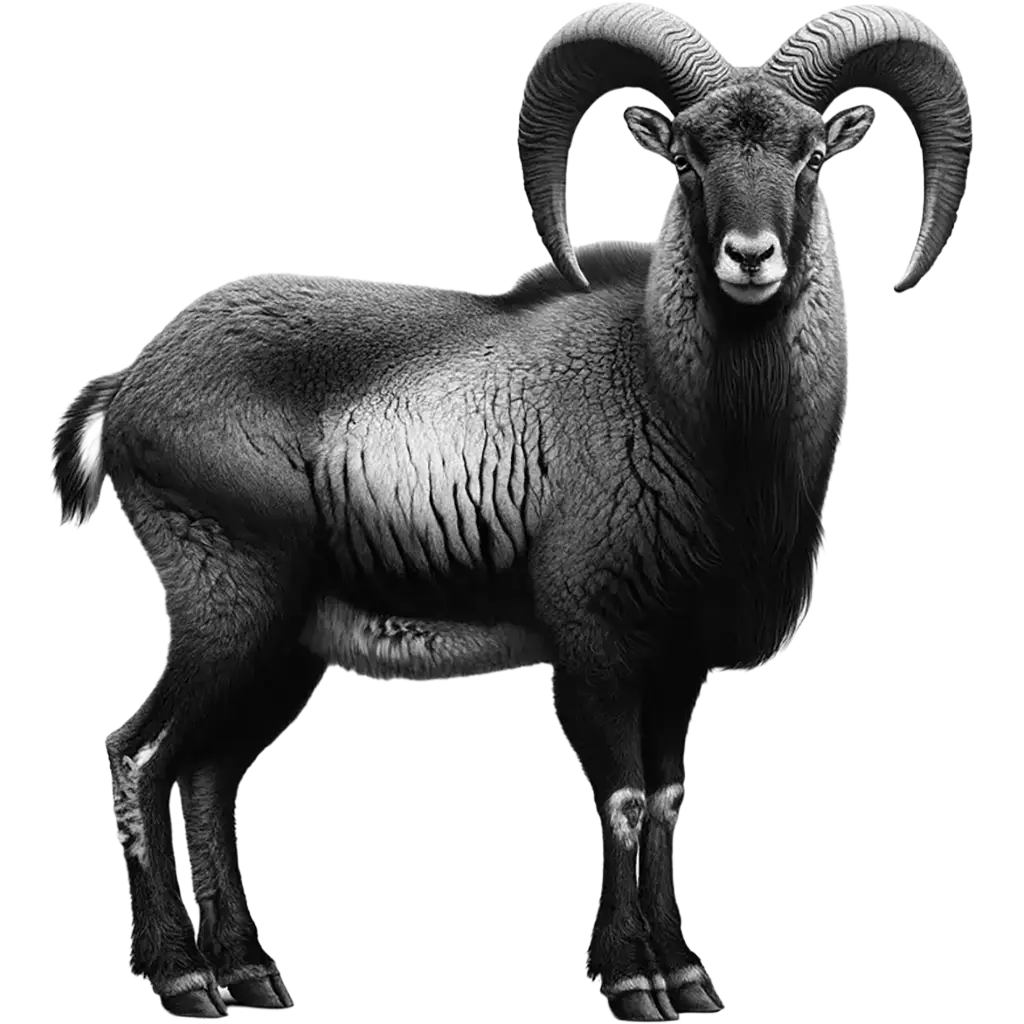
The Mouflon, ovis gmelini, is considered one of the ancestors of modern domestic sheep, distinguished by its rugged appearance and impressive horns. This wild sheep exhibits a short, brownish-red coat in summer that turns to a darker, thicker wool in winter, providing insulation against harsh climates. Males, or rams, boast
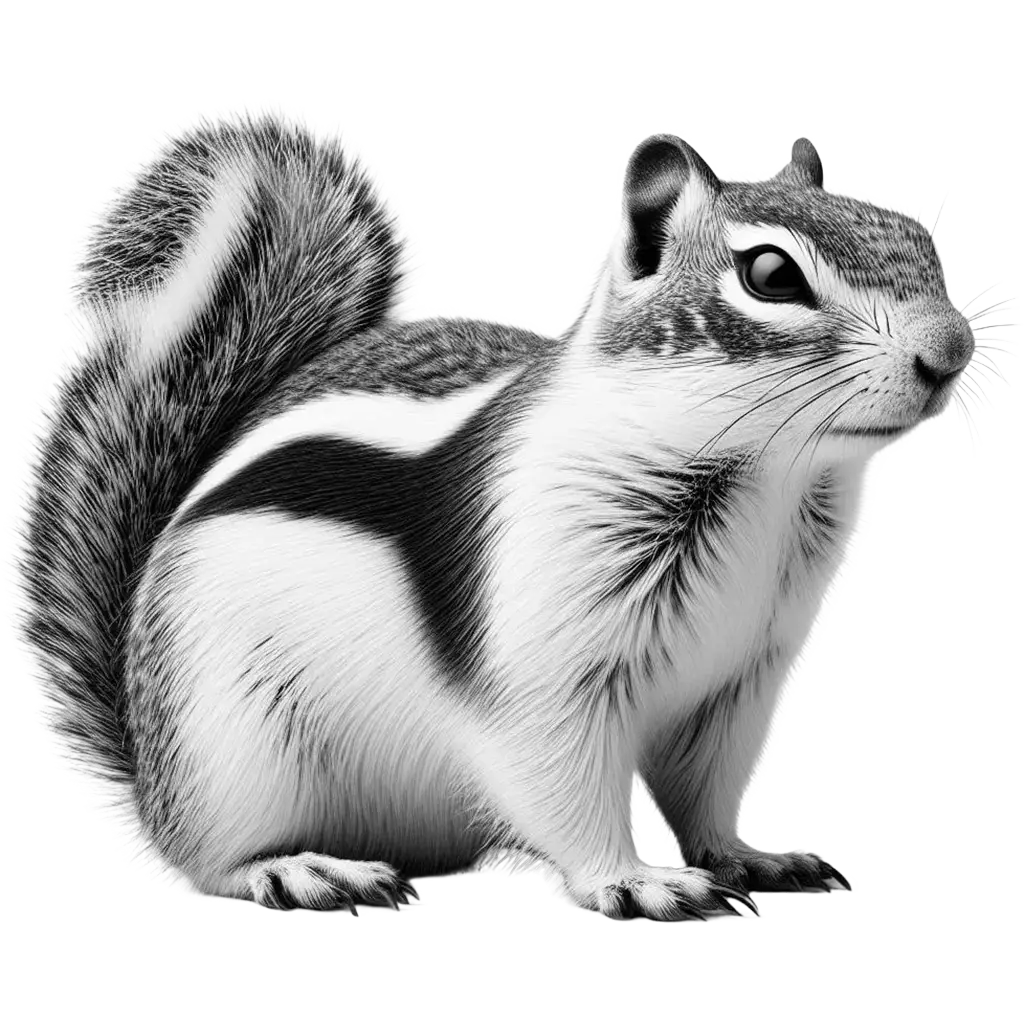
The Golden-Mantled Ground Squirrel, Callospermophilus lateralis, is a small, robust rodent widely distributed across the forests and mountainous regions of western North America. This species is easily recognizable by its distinctive coloring: a rich brown or greyish body adorned with a bold white stripe bordered by black along each side,
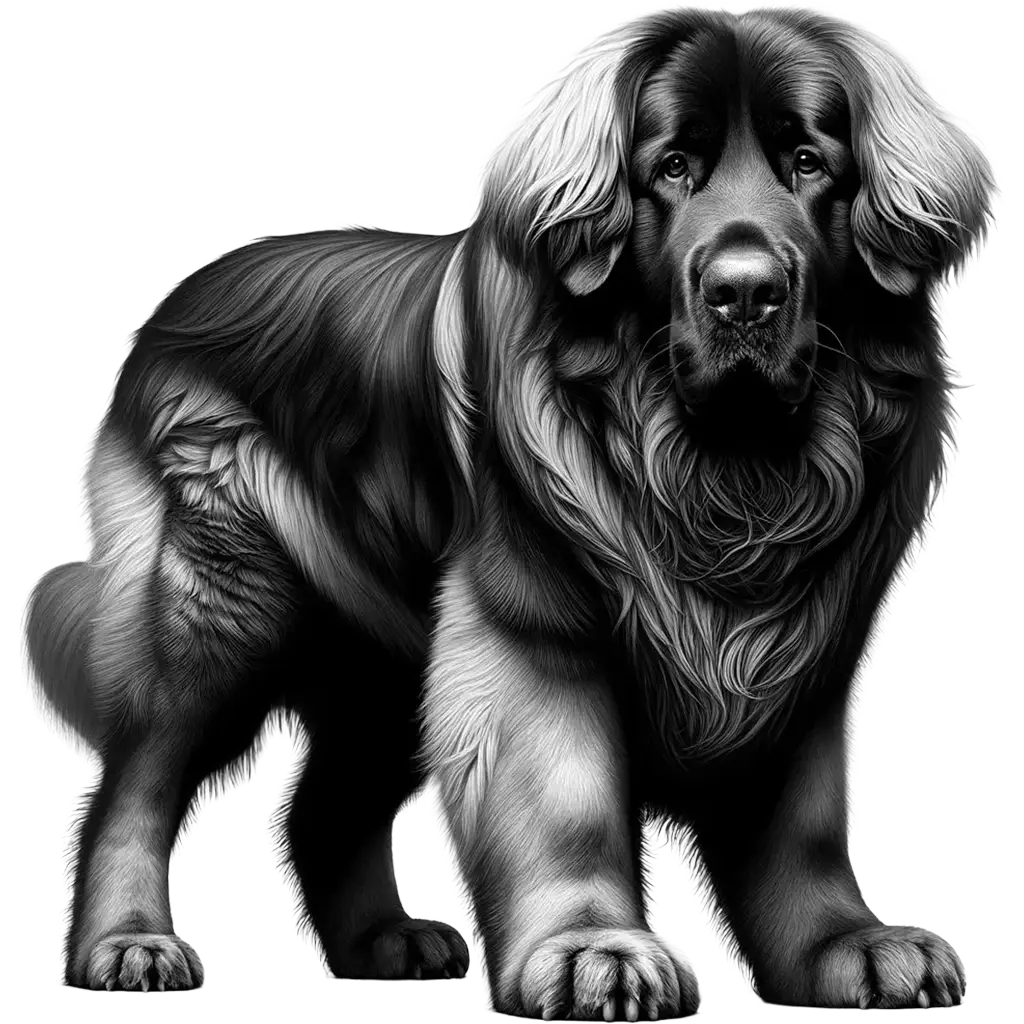
The Leonberger, a giant breed of dog, combines the muscular build of a mountain dog with the elegance of a lion, to which its name alludes. Originating from Leonberg, Germany, in the 19th century, it was bred to resemble the lion on the town's crest. Adult Leonbergers can stand 65