
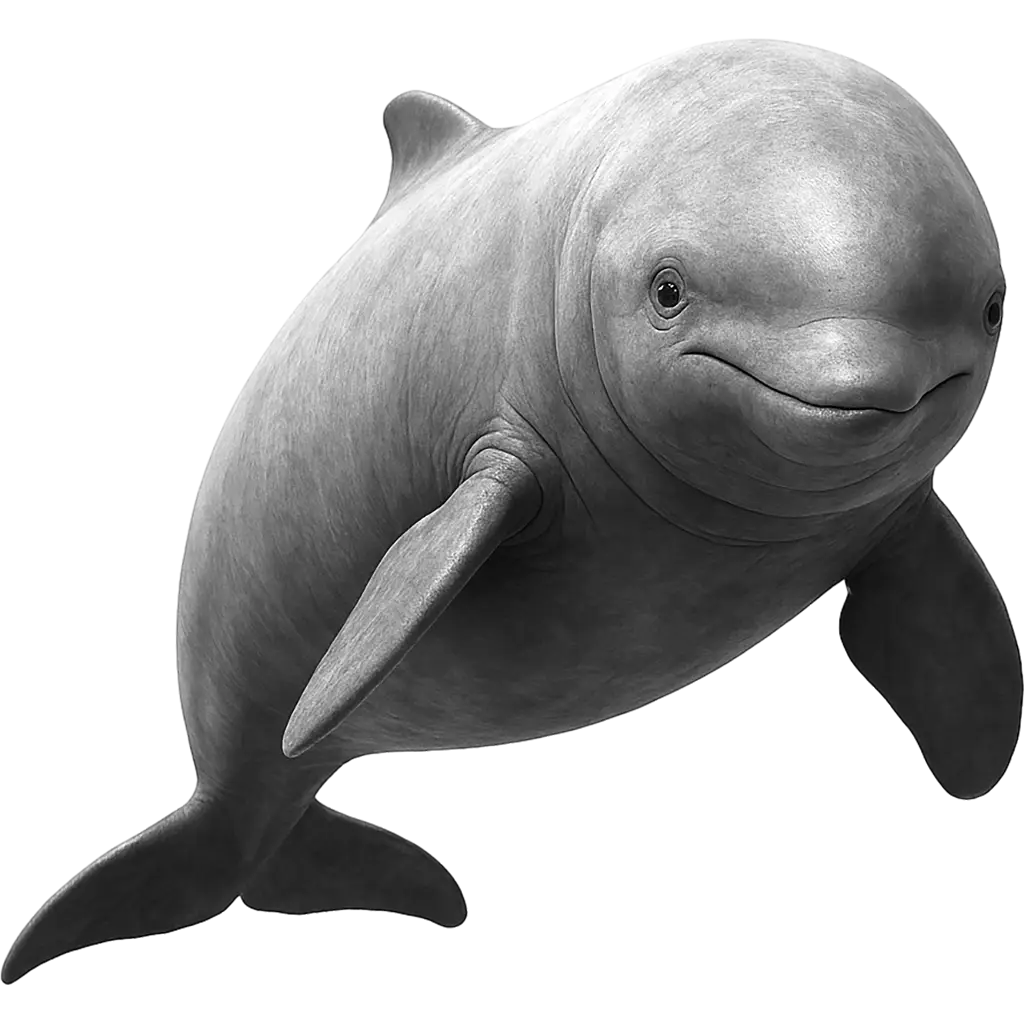
Orcaella Brevirostris
Irrawaddy Dolphin
Coastal waters, estuaries and large rivers
The Irrawaddy Dolphin has a sturdy, compact body measuring between 2.3 and 2.75 meters in length and weighing 90 to 200 kilograms. Its smooth skin ranges from slate gray to bluish-gray, becoming lighter on the underside. The species features a high, rounded melon with no distinct beak, and a small, triangular dorsal fin set just behind mid-body. Broad, paddle-like flippers and lobed tail flukes aid maneuverability. Unique to this dolphin is a U-shaped blowhole positioned to the left of the midline of the head.
| Population: | Over 7,000 individuals globally, though many subpopulations are small and declining due to bycatch and habitat degradation |
| Generation Length: | 12 years |
| Average Weight: | 90-200 kg |
| Average Length: | 2.3-2.75 m |
| Lifespan: | Up to 30 years in the wild |
| Diet: | Fish, crustaceans and cephalopods captured by suction feeding and cooperative hunting |
| Conservation Status: | Endangered (EN) |
The Irrawaddy Dolphin inhabits shallow coastal waters, estuaries, and large river systems from the Bay of Bengal through Southeast Asia to New Guinea and the Philippines. Typically found in small loose groups of two to ten individuals, this dolphin forages near the surface and in mid-depth zones using slow, rolling movements. It communicates through clicks, creaks, and buzzes, relying on echolocation to navigate turbid waters. Dolphins may engage in cooperative fishing with local communities, herding fish into nets in exchange for bycatch. Although generally non-migratory, some subpopulations exhibit seasonal movements linked to water level changes. Activity peaks at dawn and dusk, with rest periods in deeper river channels or sheltered coastal areas. These dolphins are shy of boats but may spyhop or breach when curious or disturbed, demonstrating both cautious and playful behaviors.
The Irrawaddy Dolphin has a carnivorous diet that includes fish, crustaceans, and cephalopods. It employs suction feeding, drawing prey into its mouth by rapidly expanding its throat pouch. Individuals often forage alone or in small groups, circling shoals of fish before sucking them in. In river habitats, they consume freshwater fish species, while coastal groups target small marine fish and shrimp. Seasonal variations in prey abundance cause dolphins to adjust foraging depth and location. Nutrient intake from protein-rich fish and crustaceans supports energy needs for thermoregulation in varying water temperatures. Calves initially rely on maternal milk for up to two years before transitioning to solid prey. This balanced diet enables Irrawaddy Dolphins to thrive in both brackish and freshwater ecosystems.
Mating occurs primarily between December and June, with individuals engaging in brief courtship where pairs intertwine their bodies and copulate for approximately forty seconds. Calving often follows every two to three years after a gestation of fourteen months. Females reach sexual maturity at seven to nine years of age. Male involvement after birth is limited, and the mother alone cares for the calf in hidden river or coastal areas until weaning.
Global populations number over seven thousand individuals, yet distribution is fragmented into discrete coastal and riverine subpopulations across South and Southeast Asia. Some river systems harbor fewer than one hundred dolphins, and subpopulations continue to decline due to bycatch, habitat degradation, and water pollution. Conservation efforts include protected areas, fishing restrictions, habitat restoration, and community-based monitoring to stabilize and recover populations under Endangered species status.
Classifications
The Key Attributes
Features
- Movement:
Swimming and diving
- Territorial Behavior:
Non-territorial, forms loose groups
- Speed:
20-25 km/h
- Diet:
Carnivore
- Physical Features:
- Rounded head with no distinct beak
- U-shaped blowhole positioned left of midline
- Small, triangular dorsal fin
- Broad, paddle-like flippers and lobed tail
- Primary Senses:
- Echolocation
- Hearing
- Sight
Understanding Habitat and Range
Geography
- Habitat:
Coastal waters, estuaries and large rivers
- Migration Patterns:
Non-migratory
- Geographical Range:
Bay of Bengal to Southeast Asia, coastal and riverine habitats
- Climate Preferences:
Tropical and subtropical climates
Navigating the Wilderness
In the wild
- Predators:
Large sharks, crocodiles, and humans
- Prey:
Fish, crustaceans, cephalopods
- Feeding Behavior:
Uses suction feeding to capture prey
- Diet:
Fish, crustaceans and cephalopods captured by suction feeding and cooperative hunting
- Defensive Mechanisms:
- Evasive diving
- Rapid bursts of speed
- Group vigilance
- Preferred Food Sources:
- Small fish
- Crustaceans
- Cephalopods
Insights Into Reproduction
Mating
- Mating System:
Promiscuous
- Number of Offspring:
One calf every 2-3 years
- Gestation Period:
14 months
- Parental Involvement:
- Mother cares for calf until weaning
- Calf weaned at around two years
Youngsters Section
Irrawaddy Dolphin
Fun Fact
Irrawaddy Dolphins have a unique U-shaped blowhole positioned off-center to the left of their head.
They can use water jets to herd fish toward fisher nets, engaging in cooperative fishing with local communities. Calves nurse for up to two years before weaning and often travel strapped to their mother's side. Unlike true river dolphins, they maintain oceanic populations and exhibit both coastal and freshwater adaptations.

Download word search puzzles
Word Search Puzzles


Check Out Other Mammals
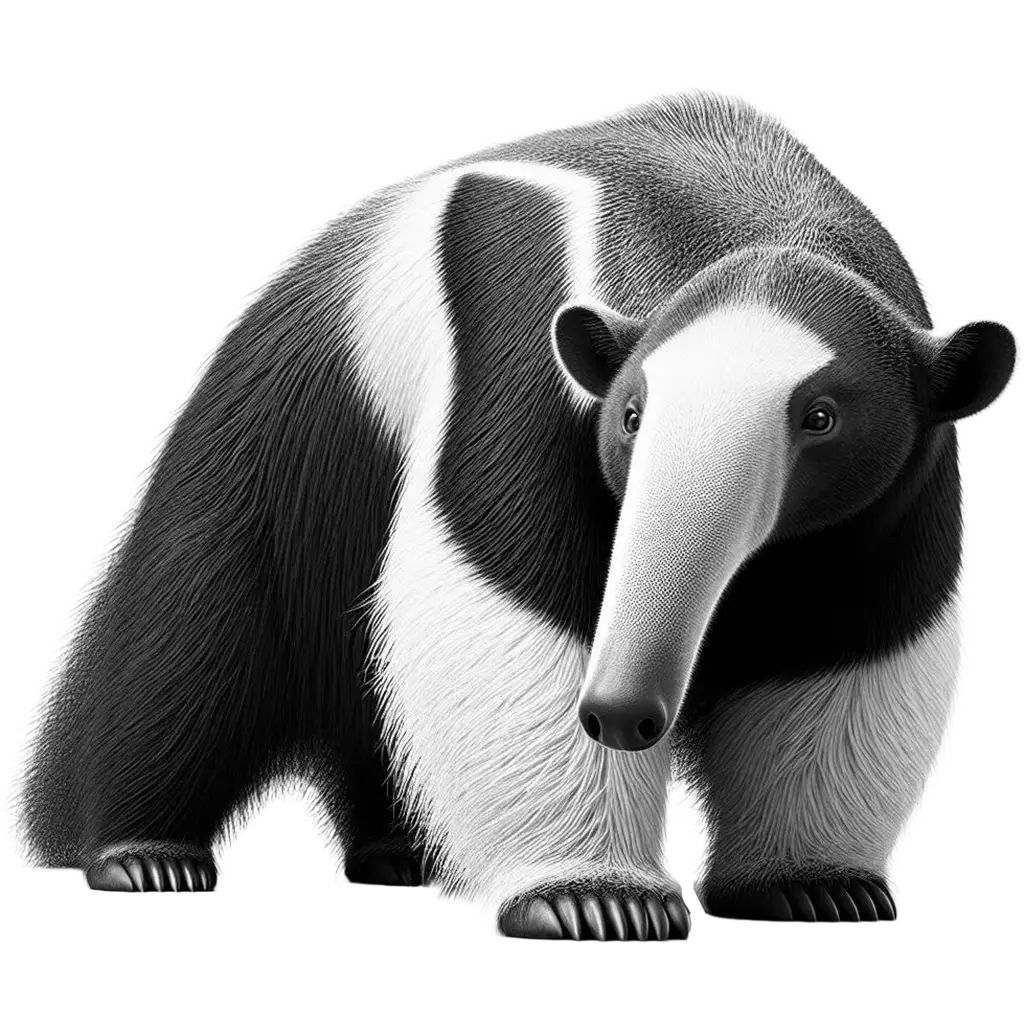
The Giant Anteater, myrmecophaga tridactyla, is an easily recognizable mammal known for its elongated snout, bushy tail, and distinctive black and white shoulder stripes. Adults can grow up to 2.1 meters (7 feet) in length, including the tail, and weigh between 18 to 39 kilograms (40 to 86 pounds). Their
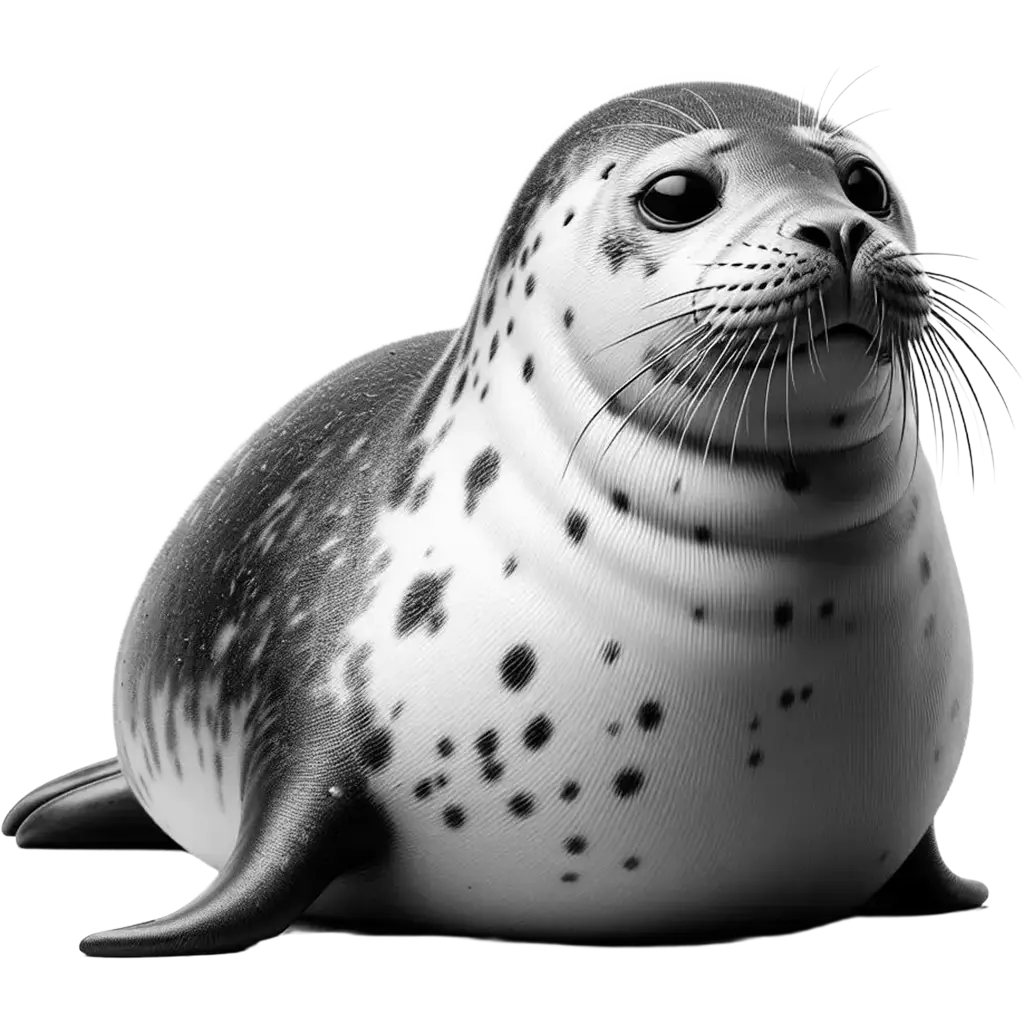
The Harbor Seal, Phoca vitulina, is a widespread species of seal found in temperate coastal waters of the Northern Hemisphere, including the North Atlantic and Pacific Oceans. Adults typically measure between 1.5 to 1.9 meters (5 to 6.25 feet) in length and weigh between 55 to 168 kilograms (120 to
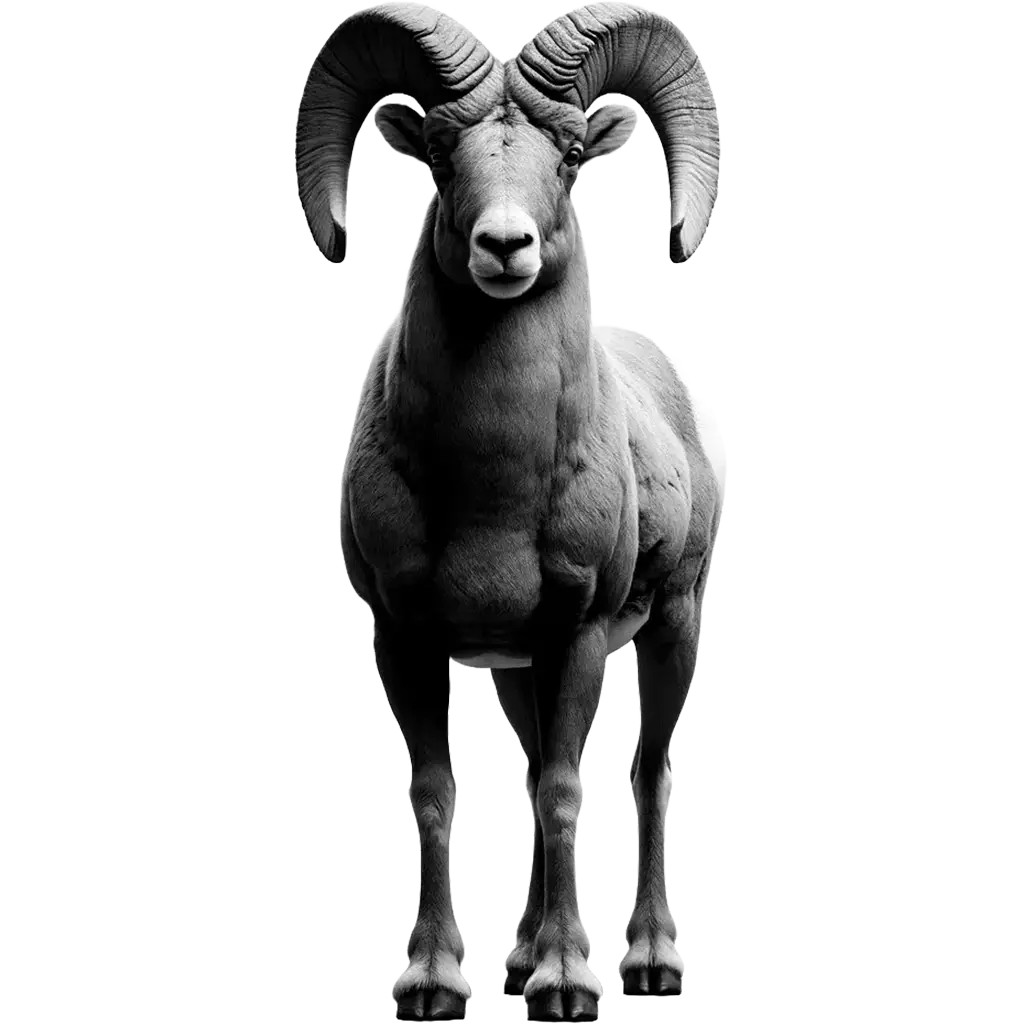
The Bighorn Sheep, Ovis canadensis, is a symbol of the rugged mountain ranges of North America, from Canada's cold northern regions down through the western United States and into Mexico's desert landscapes. Distinguished by their large, curved horns, which can weigh up to 14 kilograms in males, Bighorn Sheep exhibit
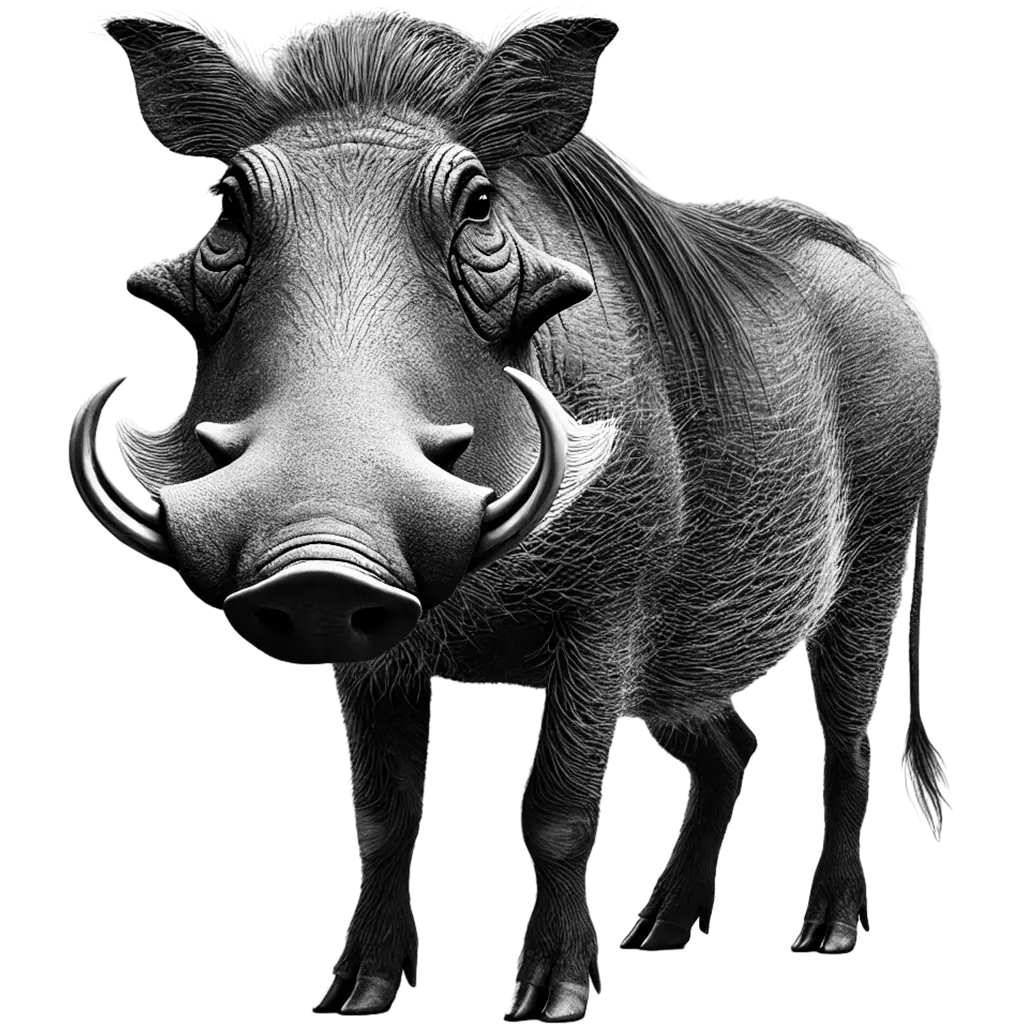
The Common Warthog exhibits a robust, pig-like face marked by prominent facial warts and a pair of upward-curving tusks. Its coarse, bristly hair displays a natural palette of grayish to light brown hues, while its muscular build, sturdy legs, and long, tapering snout give it a distinctive silhouette ideal for