
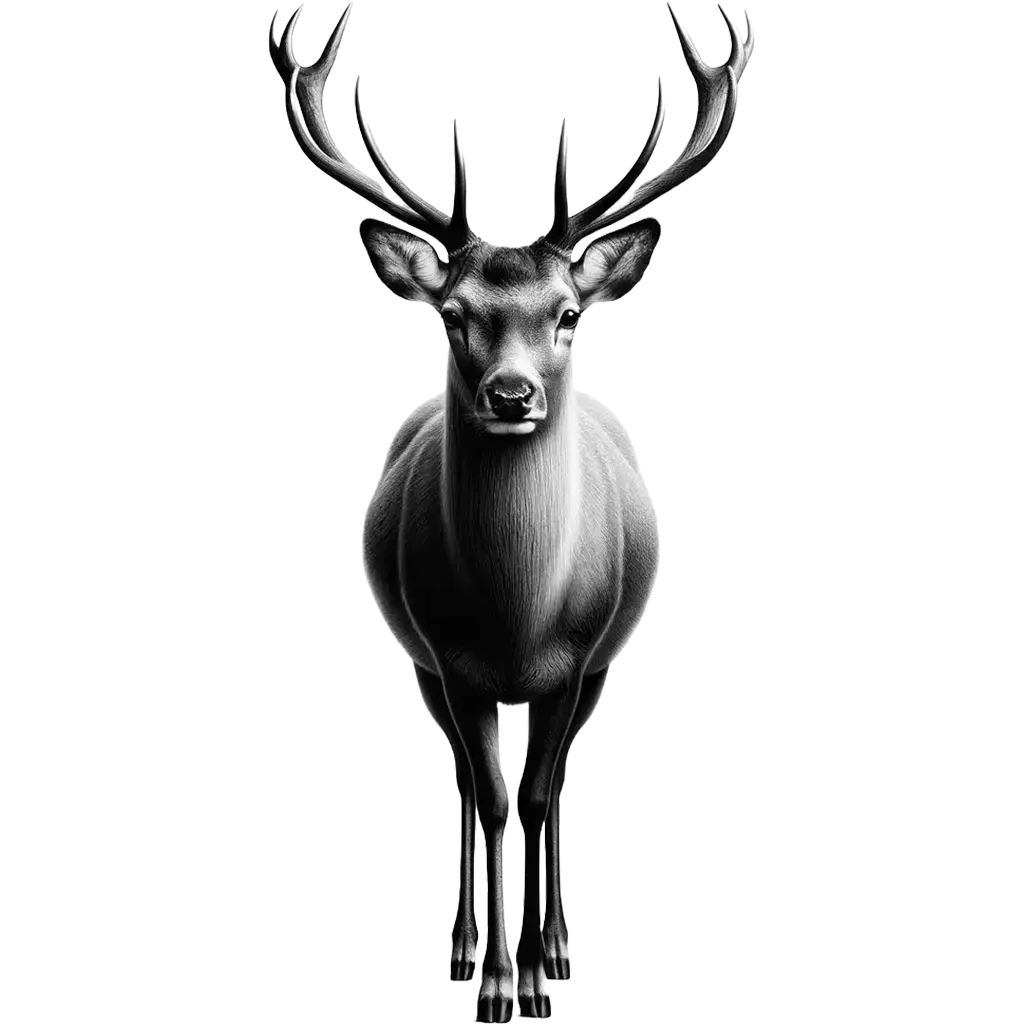
Dama Dama
European Fallow Deer
Mixed woodland and grassland, farmland, and parklands
The European Fallow Deer, dama dama, is a graceful and medium-sized deer species, renowned for its beautiful spotted coat and palmate antlers found in males. Adult males, known as bucks, can weigh between 60 to 100 kg and stand up to 90 cm at the shoulder, while females, called does, are slightly smaller and lack antlers. The fallow deer's coat color can vary significantly, from chestnut with white mottling in the summer to a darker, unspotted grey in the winter. The most distinctive feature of the bucks is their broad, shovel-shaped antlers, which they shed and regrow annually.
| Population: | Listed as Least Concern, but some local populations may be threatened |
| Generation Length: | 7-8 years |
| Average Weight: | 30-100 kg, depending on sex and subspecies |
| Average Length: | Height at the shoulder: 90-100 cm |
| Lifespan: | 12-16 years in the wild |
| Diet: | Primarily grazers but also browse when grass is scarce |
| Conservation Status: | Least Concern (LC) |
Native to Europe and Asia Minor, the European Fallow Deer has been introduced to other parts of the world, including the United States and New Zealand. They prefer mixed woodland and open grassland habitats, where they can graze and browse for food. Fallow deer are highly adaptable and can often be found in parklands and agricultural areas.
The diet of the fallow deer consists mainly of grasses, herbs, and leaves, supplemented by acorns, chestnuts, and agricultural crops, depending on the season. This varied diet helps them to thrive in diverse environments. Fallow deer have a ruminant digestive system, allowing them to efficiently process a wide variety of plant materials.
Reproduction in fallow deer is characterized by a rutting season in the autumn, when males compete for access to females through displays of strength and dominance, including groans, parallel walks, and fights. Females give birth to a single fawn in the spring, after a gestation period of about 230 days. The young are born with a spotted coat, providing camouflage from predators.
The population of the European Fallow Deer is considered stable in most of their range, though local populations may face threats from habitat loss, overhunting, and vehicle collisions. Conservation efforts focus on habitat management, regulated hunting, and monitoring of population dynamics to ensure sustainable numbers. The European Fallow Deer's presence in diverse habitats highlights their adaptability and the importance of balanced ecosystems for their continued survival. These deer not only contribute to the biodiversity of their environments but also hold cultural and economic significance in areas where they are found, often featured in parklands for their aesthetic appeal and hunted for their meat and antlers.
Classifications
The Key Attributes
Features
- Movement:
Walking, running
- Territorial Behavior:
Somewhat territorial; males are more so during the rut
- Speed:
Can reach speeds up to 48 km/h
- Diet:
Herbivore
- Physical Features:
- Palmate (broad and flat) antlers in males
- Lean, muscular body with long legs
- Distinctive coat patterns, often with spots
- Short tail with a black stripe
- Primary Senses:
- Sight
- Hearing
- Smell
Understanding Habitat and Range
Geography
- Habitat:
Mixed woodland and grassland, farmland, and parklands
- Migration Patterns:
Non-migratory, but may move locally depending on food and weather conditions
- Geographical Range:
Native to Europe, but widely introduced elsewhere, including North and South America, South Africa, and Australia
- Climate Preferences:
Temperate climates, adaptable to various environmental conditions
Navigating the Wilderness
In the wild
- Predators:
Wolves, bears, and lynx in native range; varies in introduced ranges
- Prey:
Not applicable
- Feeding Behavior:
Grazes on grasses, herbs, and leaves; also browses on shrubs and young trees
- Diet:
Primarily grazers but also browse when grass is scarce
- Defensive Mechanisms:
- Speed and agility to escape predators
- Males use antlers for defense during rut
- Preferred Food Sources:
- Areas with a mix of open grassland and wooded cover for browsing and shelter
Insights Into Reproduction
Mating
- Mating System:
Polygynous
- Number of Offspring:
Usually one fawn, rarely twins
- Gestation Period:
About 8 months
- Parental Involvement:
- Females care for the fawns, hiding them in vegetation for the first few weeks
Youngsters Section
European Fallow Deer
Fun Fact
European Fallow Deer are known for their beautiful, spotted coats and impressive antlers.
These adaptable animals thrive in various habitats, from woodlands to grasslands. The antlers of the males can grow up to 70 cm long and are shed annually. Fallow deer have a unique gait called "stotting," a high, bouncing run used to evade predators.

Download word search puzzles
Word Search Puzzles
Check Out Other Mammals
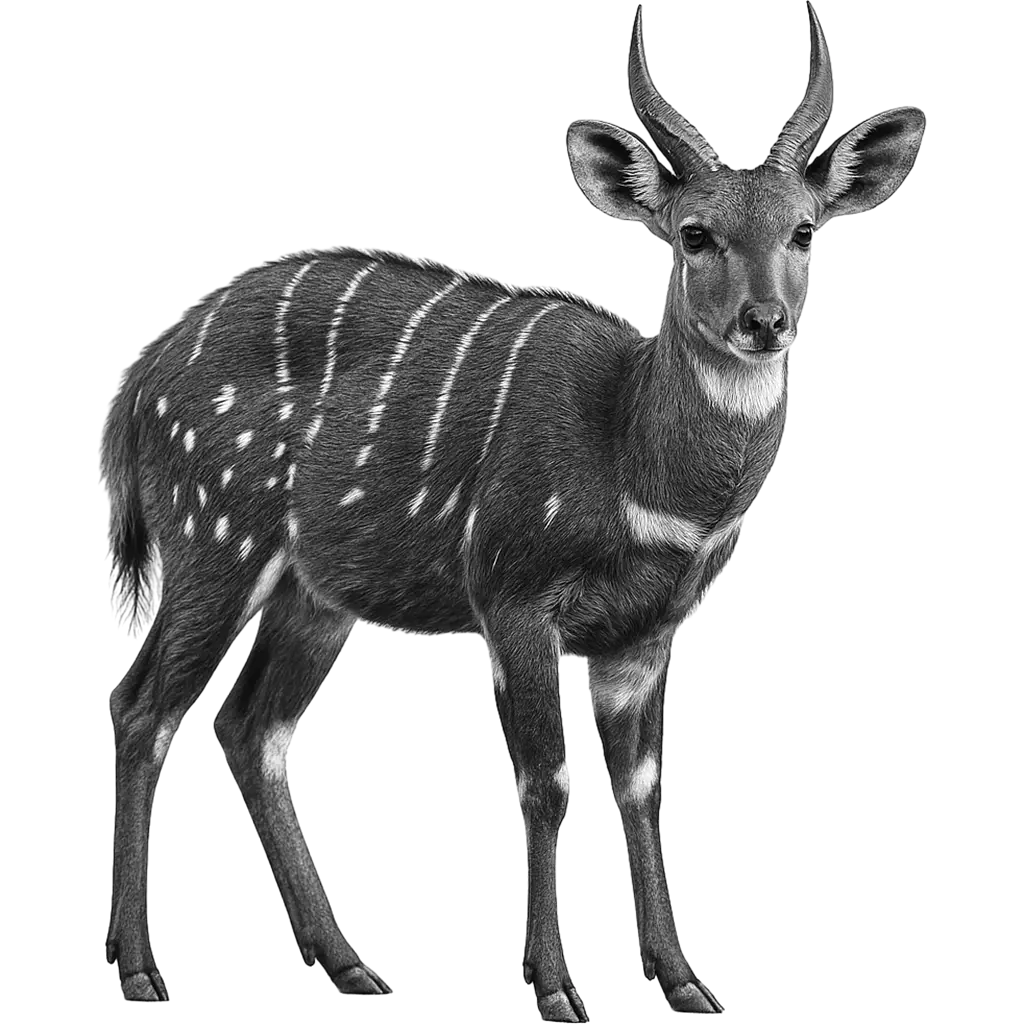
The Harnessed Bushbuck is a strikingly agile and graceful antelope, boasting a lean yet muscular body marked by a distinctive pattern of dark and light hues. Its coat is a complex tapestry of deep chocolate and subtle cream, with defined white stripes running along its sides. The animal's large, expressive

The Mastiff, known for its immense size and gentle demeanor, is one of the oldest and most majestic breeds of dogs. Characterized by a massive head, broad skull, and a well-defined stop, the Mastiff's appearance exudes power and nobility. Their coat, which can be fawn, apricot, or brindle, is complemented
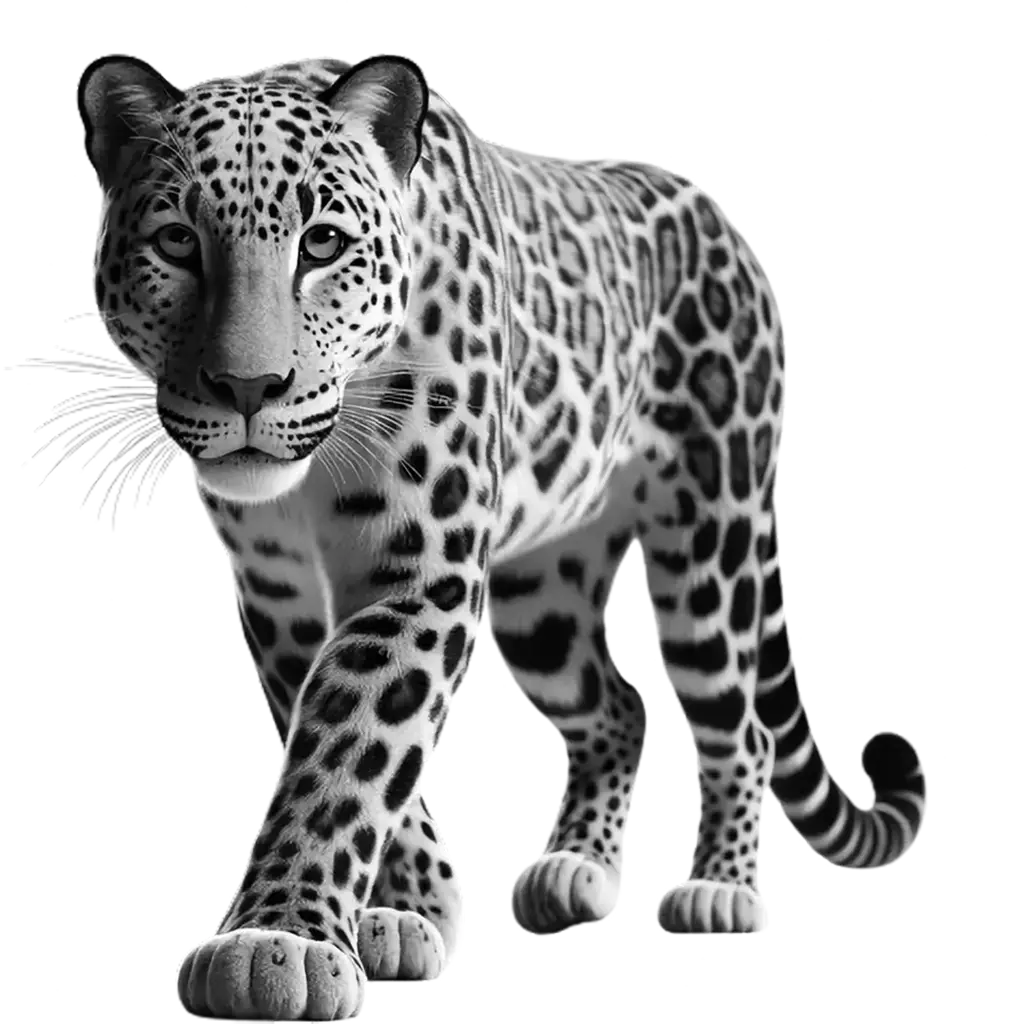
The Leopard, panthera pardus, is a member of the Felidae family and one of the five big cats in the genus Panthera. Known for its beautifully spotted fur, the Leopard has a graceful, powerful body, allowing it to adapt to a variety of habitats including forests, mountains, grasslands, and deserts
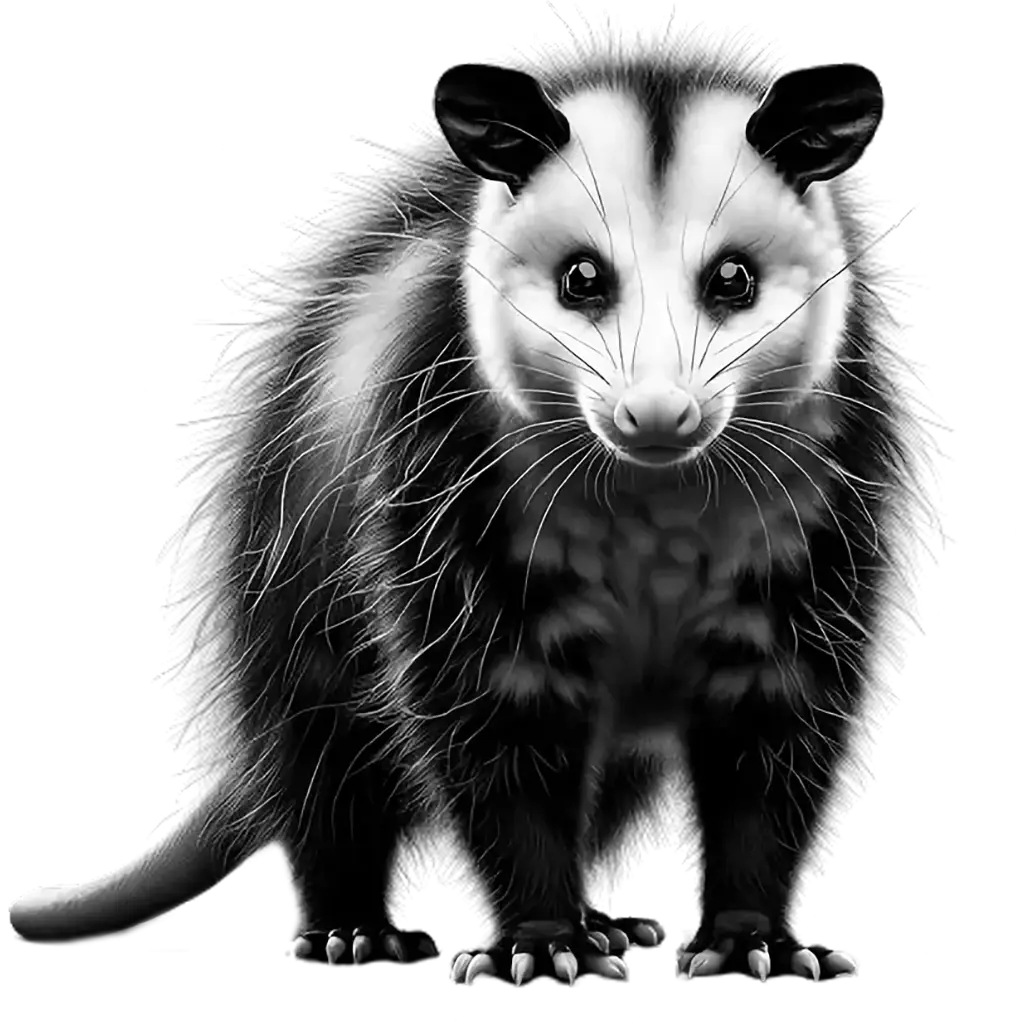
The Virginia Opossum, didelphis virginiana, is North America's only marsupial, recognized for its distinctive appearance and adaptability to diverse environments. Adults typically measure 65 to 94 cm in length, including their prehensile tail, which accounts for almost half their body length and is used for grasping and balance. Their coat