

Mustela Nivalis
Least Weasel
Wide range of habitats from tundra to urban areas, including forests, fields, farmlands, and grasslands
The Least Weasel, mustela nivalis, holds the distinction of being the smallest member of the Mustelidae family, which includes otters, badgers, and wolverines. Adults are remarkably diminutive, measuring only 11 to 26 cm in length, with a short tail of 1.2 to 3.4 cm, and weighing between 35 to 250 grams. Despite its small size, the Least Weasel exhibits a slender, elongated body with a reddish-brown back and a white underbelly, changing to all white in northern populations during winter to blend in with snow-covered environments.
| Population: | Widespread and abundant, not currently considered threatened globally, though local populations may face pressures |
| Generation Length: | 1 year |
| Average Weight: | 40-250 grams, varying with subspecies and region |
| Average Length: | Total length including tail: 17-27 cm |
| Lifespan: | 1-2 years in the wild, up to 5-6 years in captivity |
| Diet: | Mainly small mammals, supplemented by other small animals |
| Conservation Status: | Least Concern (LC) |
Widely distributed across Europe, Asia, and North America, the Least Weasel inhabits a variety of environments, including forests, grasslands, and farmlands. It is highly adaptable, capable of thriving in proximity to human settlements as long as it has access to shelter and an ample supply of food. As a solitary and highly territorial animal, it employs an array of vocalizations, scents, and physical displays to communicate and defend its territory.
The diet of the Least Weasel is primarily carnivorous, specializing in the hunting of rodents and small mammals, which it pursues with remarkable agility and speed. Its ability to access the burrows of its prey makes it a valuable ally in controlling rodent populations, though it can also consume birds, eggs, and insects as available.
Reproduction in the Least Weasel can occur year-round, with females capable of producing multiple litters annually, each consisting of 4 to 6 offspring. The species exhibits a rapid maturation rate, with young weasels ready to hunt independently at as early as five weeks of age, ensuring a high potential for population growth under optimal conditions.
The population of the Least Weasel is considered stable globally, with the species classified as of 'Least Concern' by the IUCN Red List. However, it faces threats from habitat loss, pesticide use, and persecution due to its occasional predation on poultry. Conservation efforts are focused on habitat preservation and promoting the ecological benefits of the Least Weasel as a natural pest controller. Despite its small size, the Least Weasel plays a significant role in the control of rodent populations, benefiting both natural ecosystems and agricultural interests.
Classifications
The Key Attributes
Features
- Movement:
Running, burrowing, climbing
- Territorial Behavior:
Solitary and highly territorial
- Speed:
Not specifically quantified; known for quick, agile movements
- Diet:
Carnivore
- Physical Features:
- Small, slender body with short legs
- Brown fur in summer, turning white in winter in northern ranges
- Sharp, carnivorous teeth for hunting
- Long, slender neck and small head for entering burrows
- Primary Senses:
- Sight
- Hearing
- Smell
Understanding Habitat and Range
Geography
- Habitat:
Wide range of habitats from tundra to urban areas, including forests, fields, farmlands, and grasslands
- Migration Patterns:
Non-migratory, but individuals may roam widely in search of food
- Geographical Range:
Circumpolar distribution across the northern hemisphere, including Europe, Asia, North Africa, and North America
- Climate Preferences:
Adaptable to a wide range of climates
Navigating the Wilderness
In the wild
- Predators:
Birds of prey, snakes, and larger mammals
- Prey:
Small rodents, birds, insects
- Feeding Behavior:
Predatory, hunting primarily rodents but also birds, insects, and occasionally larger prey relative to its size
- Diet:
Mainly small mammals, supplemented by other small animals
- Defensive Mechanisms:
- Stealth and speed for hunting and evasion
- Aggressive defense against threats despite small size
- Camouflage with seasonal fur color change in some regions
- Preferred Food Sources:
- Areas with abundant small mammal populations
Insights Into Reproduction
Mating
- Mating System:
Polygynous
- Number of Offspring:
4-6 kits, with the potential for multiple litters per year in favorable conditions
- Gestation Period:
34-37 days
- Parental Involvement:
- Females raise the young alone, providing food, protection, and teaching hunting skills
Youngsters Section
Least Weasel
Fun Fact
The least weasel is the smallest carnivorous mammal in the world. It has a widespread distribution.
Despite its size, it is a fierce predator, feeding on rodents, birds, and insects. It can kill prey larger than itself. The weasel's slender body allows it to chase prey into burrows. Its coat changes from brown to white in winter in snowy regions, providing camouflage.

Download word search puzzles
Word Search Puzzles


Check Out Other Mammals

The Cougar, also known as the mountain lion or puma, is a large, solitary feline native to the Americas. It has a sleek, muscular body covered in short, tawny-colored fur, providing excellent camouflage in its environment. With powerful limbs, it can leap up to 5.5 meters in a single bound
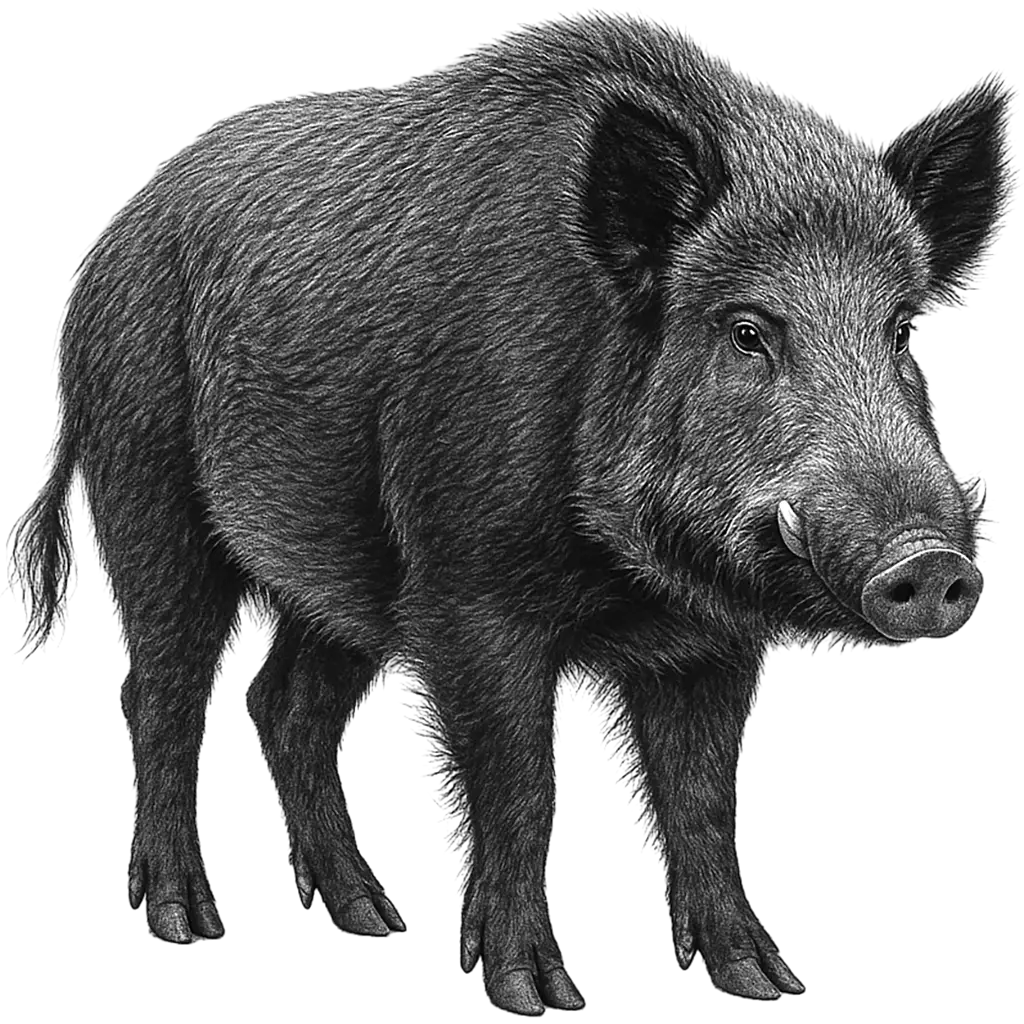
The Anatolian boar is a rugged, muscular wild pig with coarse, bristly hair that ranges from dark brown to black. Its elongated snout, armed with formidable tusks, and stout, cloven hooves contribute to a powerful appearance. The animal's robust frame and distinctive facial features exude raw power and resilience, adapted
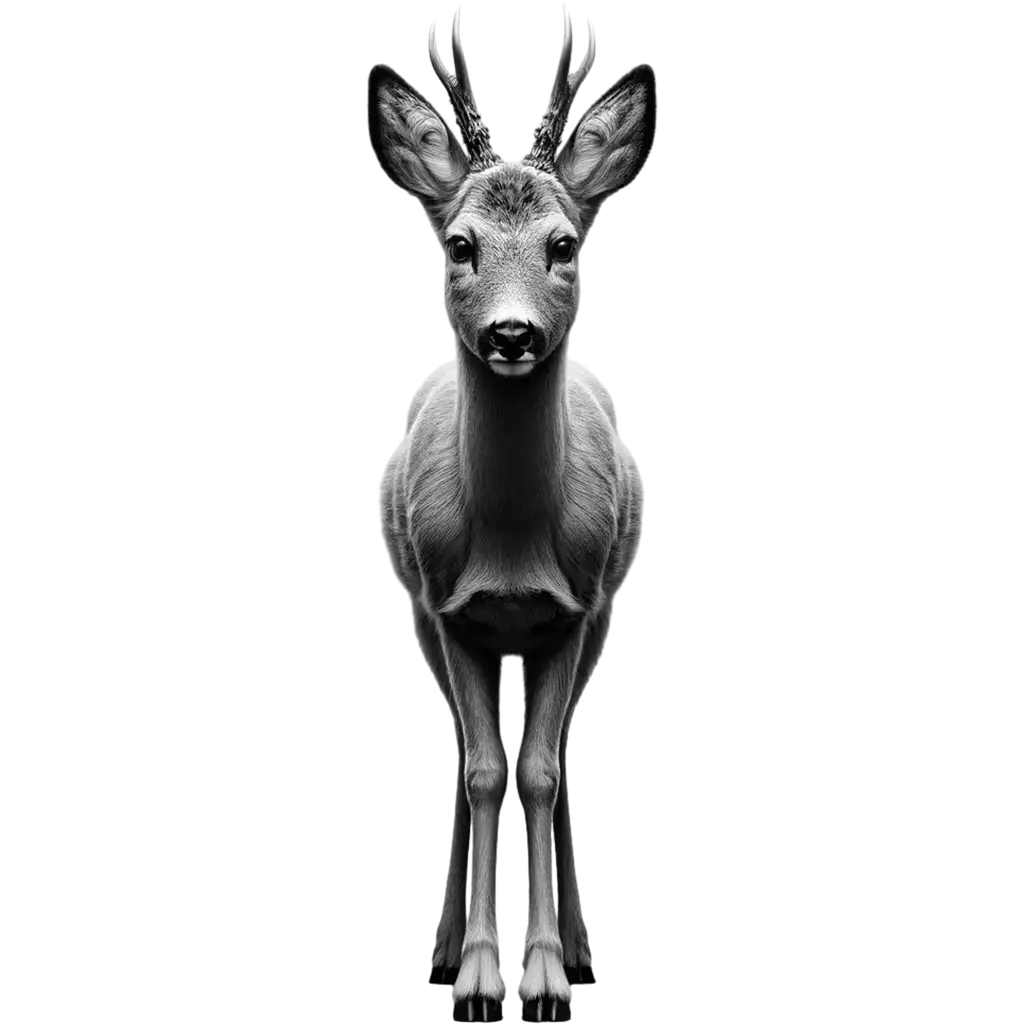
The Roe Deer, capreolus capreolus, is a small and graceful deer species native to Europe and parts of Asia. It stands about 60 to 75 cm at the shoulder and weighs between 10 to 25 kg, with males generally larger than females. The summer coat is a reddish-brown, turning to

The Southern Tamandua, tamandua tetradactyla, also known as the Collared Anteater or Lesser Anteater, is a medium-sized arboreal mammal native to South America. This species is distinguished by its long, prehensile tail, elongated snout, and a distinctive black 'vest' pattern over its otherwise yellowish-brown fur, although coloration can vary significantly