
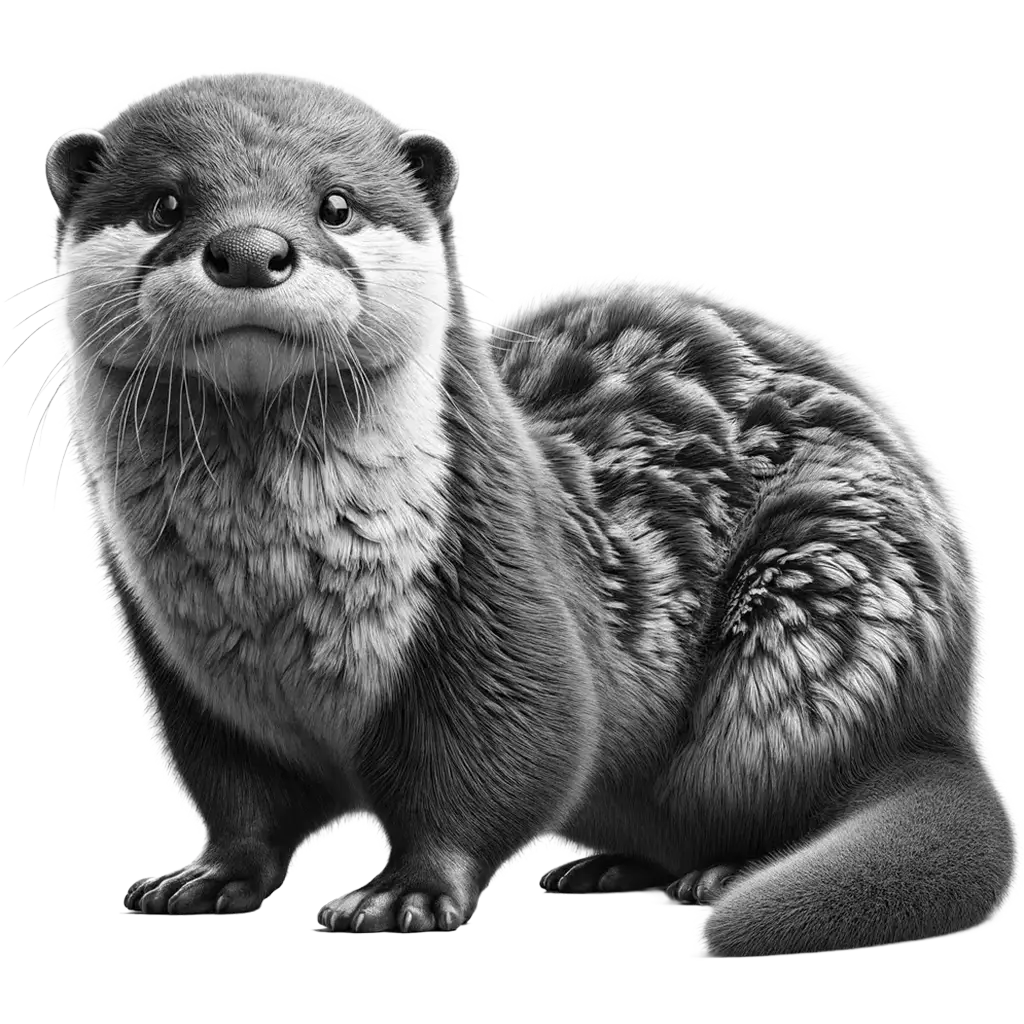
Cynogale Bennettii
Otter Civet
Freshwater environments like peat swamp forests and mangroves
The Otter Civet, cynogale bennettii, is a rare and elusive mammal native to the tropical forests of Southeast Asia, including Borneo, Sumatra, and the Malay Peninsula. This semi-aquatic species is distinctive for its otter-like body, with a long, slender build, dense waterproof fur, and a flattened tail that aids in swimming. The Otter Civet's fur is dark brown, with lighter underparts, and its face features a short snout with small eyes, adapted to its nocturnal lifestyle. Adults can reach lengths of up to 70 cm (27.5 inches) with a tail length of about 60 cm (23.6 inches), making it one of the larger civet species.
| Population: | Listed as Vulnerable due to habitat loss and declining population |
| Generation Length: | 3-5 years |
| Average Weight: | 5-11 kg |
| Average Length: | 65-100 cm, including tail |
| Lifespan: | Poorly documented, likely similar to other small civets |
| Diet: | Omnivorous, with a significant portion of the diet being aquatic organisms |
| Conservation Status: | Endangered (EN) |
Otter Civets inhabit peat swamp forests and freshwater ecosystems with dense vegetation, where they lead a predominantly aquatic life. They are known for their exceptional swimming abilities, using webbed feet to navigate and hunt in the water. This habitat preference makes them highly dependent on the health and preservation of freshwater and riparian environments.
The diet of the Otter Civet is mainly piscivorous, consisting of fish and aquatic invertebrates. However, they are also known to consume crustaceans, small mammals, and birds, showcasing their opportunistic feeding behavior. Their role as predators helps maintain the balance within their aquatic ecosystems, controlling the populations of their prey species.
Reproduction in the Otter Civet is not well-documented, but like other civet species, they are believed to be solitary, coming together only for mating. The specifics of their breeding habits, gestation period, and offspring care remain largely unknown due to the species' secretive nature and the challenges in studying them in the wild.
The population of the Otter Civet is considered Vulnerable, with significant threats from habitat destruction, pollution, and human encroachment. The drainage of peat swamps for agriculture and deforestation for timber and palm oil plantations are major factors contributing to their declining numbers. Conservation efforts are critical for the Otter Civet, focusing on habitat protection, enforcement of anti-poaching laws, and research to better understand their ecology and needs. The survival of this unique species is integral to the biodiversity of Southeast Asia's freshwater ecosystems.
Classifications
The Key Attributes
Features
- Movement:
Swimming, climbing, walking
- Territorial Behavior:
Likely to be territorial as most civets
- Speed:
Agile in water and on land, but specific speeds are not well documented
- Diet:
Carnivore and omnivore
- Physical Features:
- Muscular body adapted for swimming
- Partially webbed feet
- Dense, water-repellent fur
- Long body with a short face and small ears
- Primary Senses:
- Smell
- Sight
- Hearing
Understanding Habitat and Range
Geography
- Habitat:
Freshwater environments like peat swamp forests and mangroves
- Migration Patterns:
Non-migratory, but may move within its habitat range
- Geographical Range:
Southeast Asia, primarily Sumatra and Borneo
- Climate Preferences:
Tropical rainforest climates
Navigating the Wilderness
In the wild
- Predators:
Large snakes, birds of prey, and larger mammals
- Prey:
Fish, crabs, frogs, and small aquatic animals
- Feeding Behavior:
Feeds on fish, crustaceans, and small mammals, as well as some plant material
- Diet:
Omnivorous, with a significant portion of the diet being aquatic organisms
- Defensive Mechanisms:
- Swimming ability to escape predators
- Camouflage in its aquatic and forested environment
- Preferred Food Sources:
- Areas with abundant water bodies and rich in fish and crustaceans
Insights Into Reproduction
Mating
- Mating System:
Not well documented; presumed to have a solitary or paired system
- Number of Offspring:
Unknown, but likely 1-3 per litter, based on related species
- Gestation Period:
Likely similar to other civet species, around 60-70 days
- Parental Involvement:
- Not well documented; likely that the female primarily cares for the young
Youngsters Section
Otter Civet
Fun Fact
The otter civet is a semi-aquatic mammal native to Southeast Asia's peat swamp forests.
They possess webbed feet and a streamlined body, adaptations that make them excellent swimmers. Unlike many other civets, otter civets primarily feed on aquatic prey such as fish and crustaceans. Their nocturnal lifestyle helps them avoid predators and thrive in their unique, water-rich habitats.

Download word search puzzles
Word Search Puzzles


Check Out Other Mammals
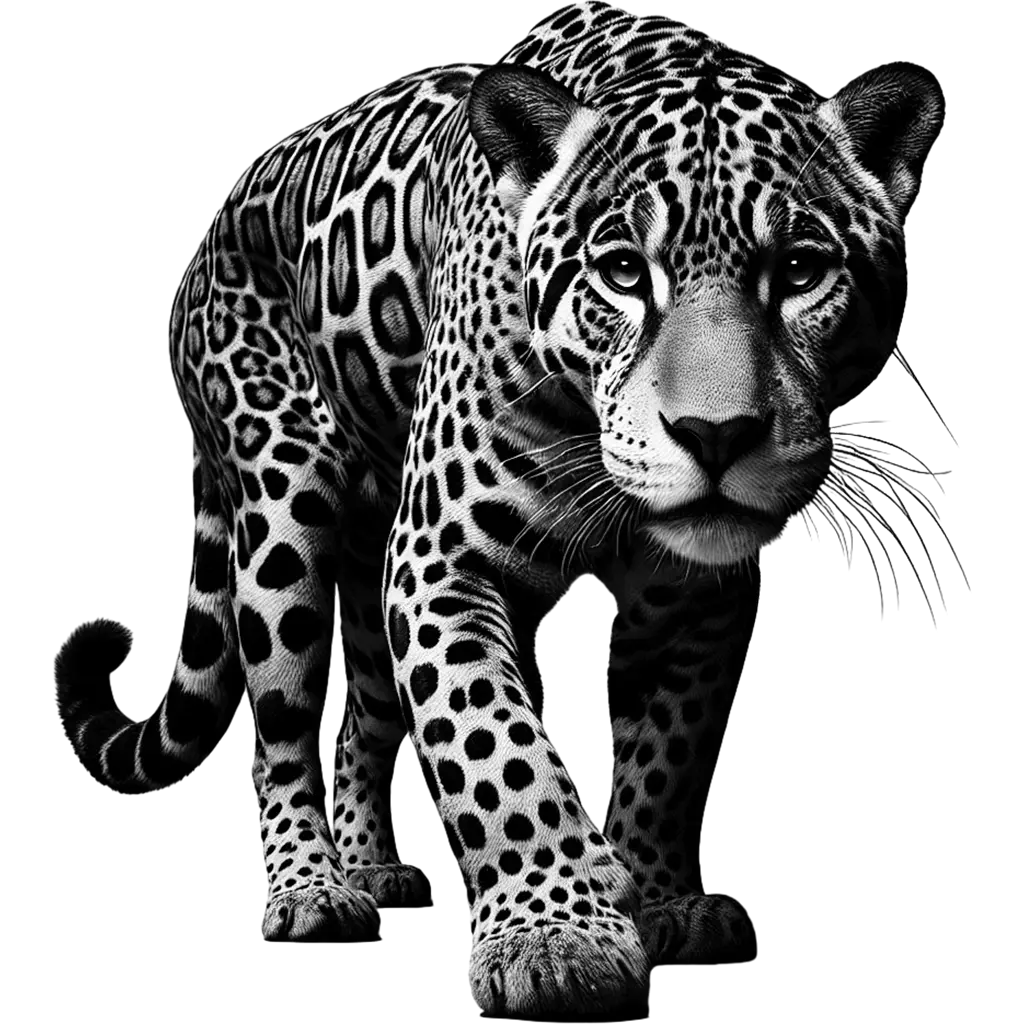
The Jaguar, panthera onca, is the largest cat in the Americas and the third-largest feline in the world, after tigers and lions. Known for its powerful build, the Jaguar has a broad head, muscular limbs, and a robust body that enables it to excel in climbing, swimming, and crawling through
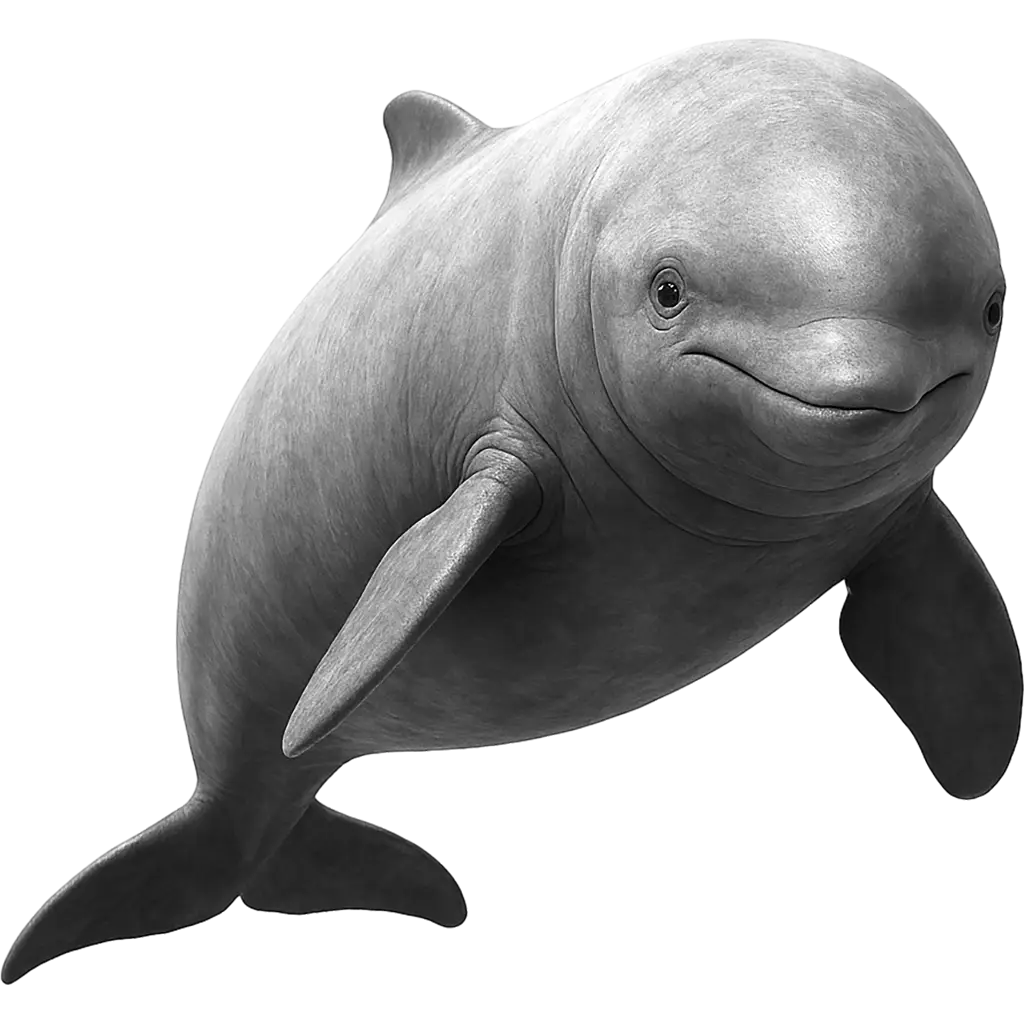
The Irrawaddy Dolphin has a sturdy, compact body measuring between 2.3 and 2.75 meters in length and weighing 90 to 200 kilograms. Its smooth skin ranges from slate gray to bluish-gray, becoming lighter on the underside. The species features a high, rounded melon with no distinct beak, and a small,
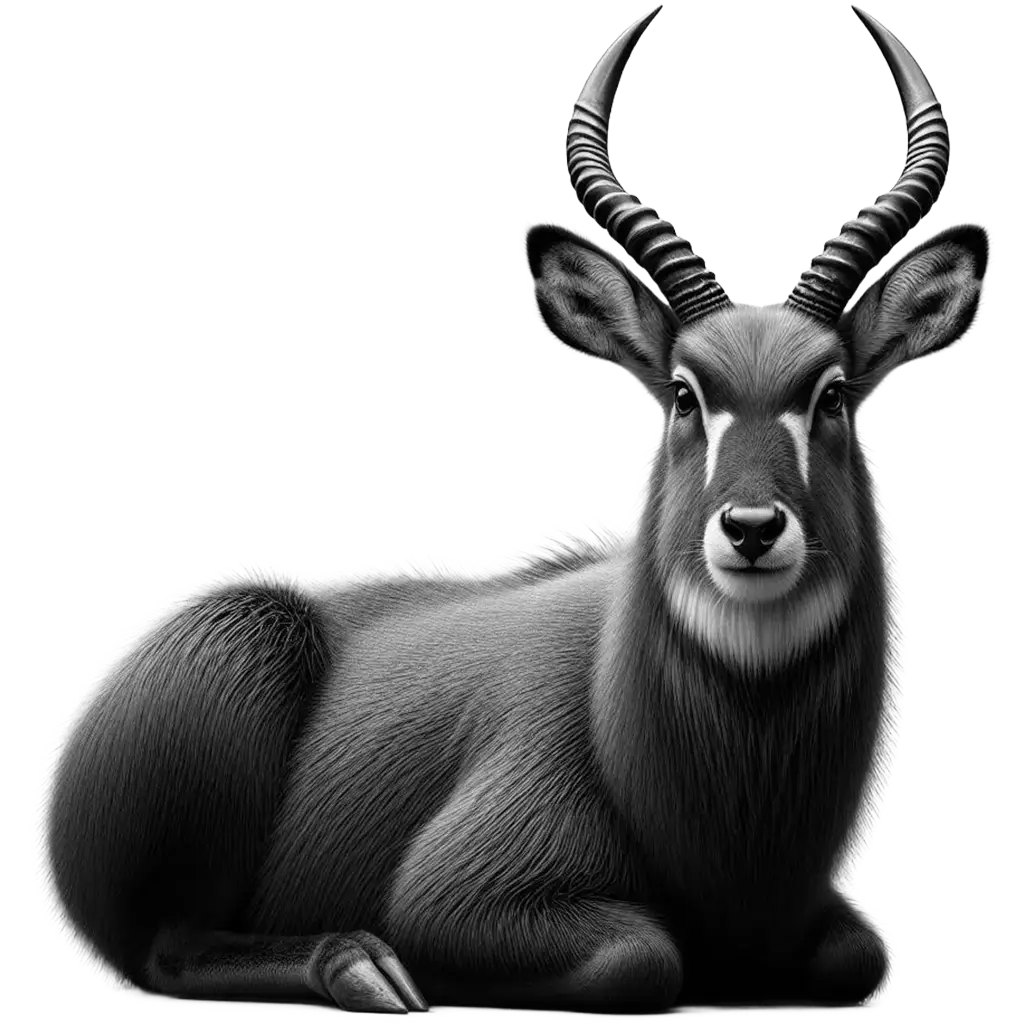
The Cape Bushbuck, tragelaphus sylvaticus, is a medium-sized, elusive antelope found in the forests and bushlands of Sub-Saharan Africa. Adult bushbucks stand about 70 to 90 centimeters (27 to 35 inches) at the shoulder and weigh between 40 to 80 kilograms (88 to 176 pounds), with males being significantly larger
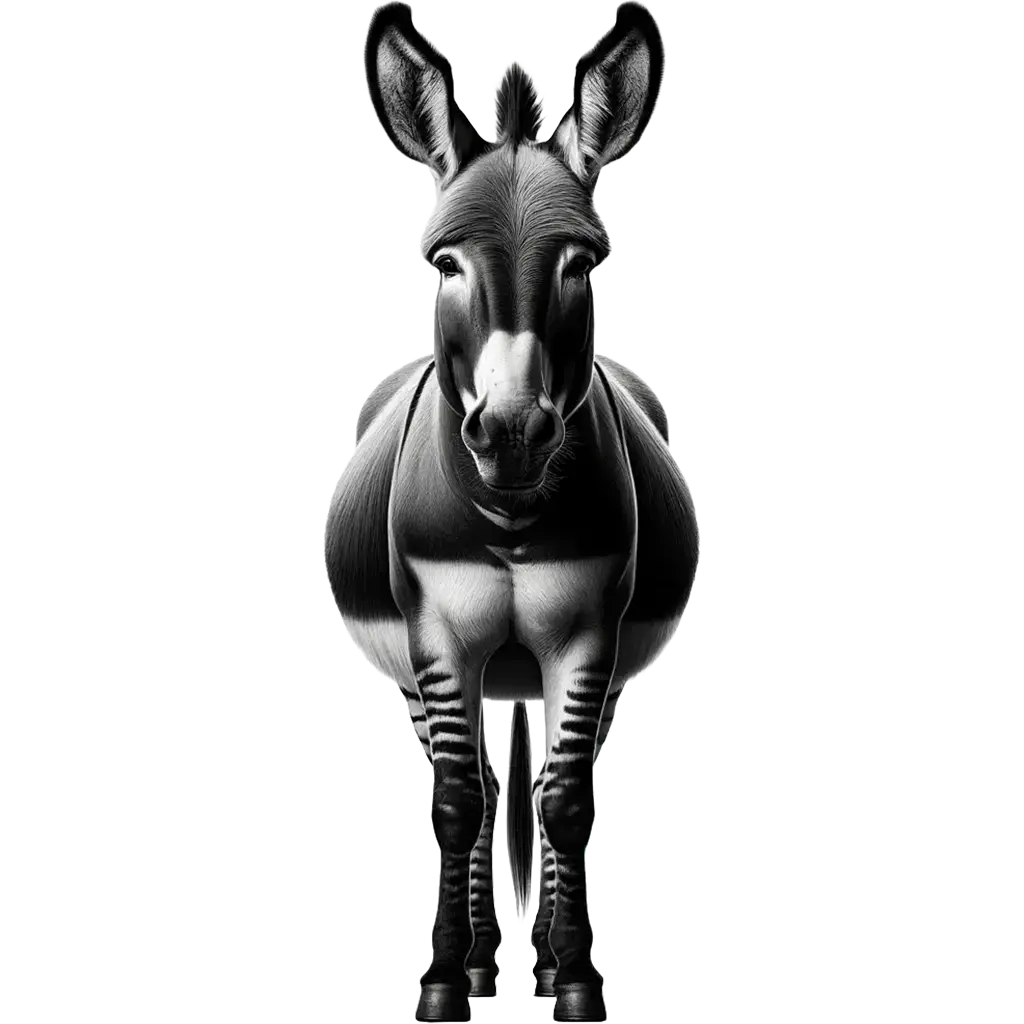
The African Wild Ass, equus africanus, is an endangered species and the ancestor of the domestic donkey, known for its hardiness and adaptability to harsh desert environments. This species exhibits a light gray to fawn-colored coat, with distinctive zebra-like stripes on its legs and a dark dorsal stripe running down