
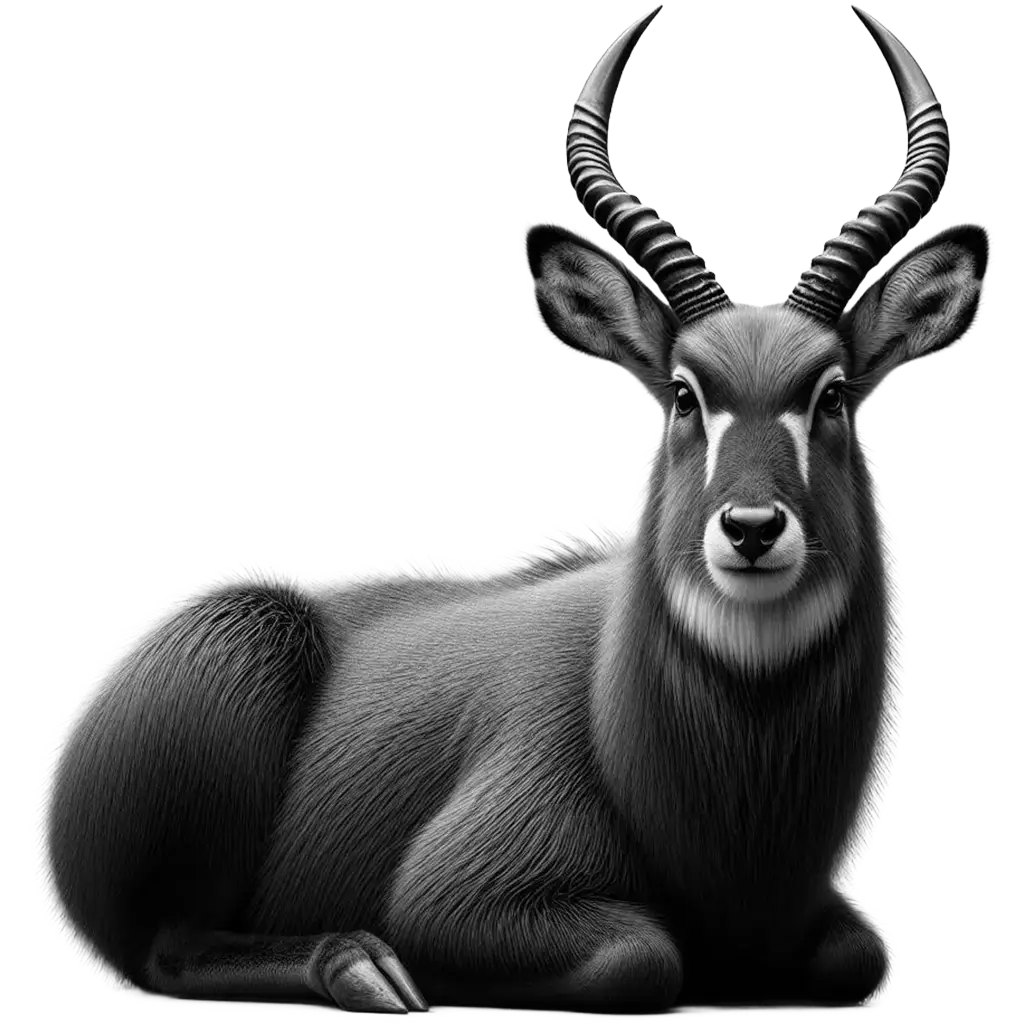
Tragelaphus Sylvaticus
Cape Bushbuck
Sub-Saharan Africa; prefers dense brush or forested areas within savannahs, mountains, and riverine woodlands
The Cape Bushbuck, tragelaphus sylvaticus, is a medium-sized, elusive antelope found in the forests and bushlands of Sub-Saharan Africa. Adult bushbucks stand about 70 to 90 centimeters (27 to 35 inches) at the shoulder and weigh between 40 to 80 kilograms (88 to 176 pounds), with males being significantly larger and heavier than females. Males are distinguished by their dark brown to almost black coats and impressive spiral horns, which can grow up to 50 centimeters (20 inches) in length. Females, on the other hand, tend to have a lighter, reddish-brown coat and lack horns. Both sexes exhibit white spots and stripes on their fur, which provides camouflage in their dense forest and bush habitats.
| Population: | Widespread and common in suitable habitats, not currently considered threatened |
| Generation Length: | 5-6 years |
| Average Weight: | Males: 40-80 kg, Females: 25-60 kg |
| Average Length: | Body length: 120-150 cm, Shoulder height: 70-100 cm |
| Lifespan: | Up to 12 years in the wild |
| Diet: | Primarily leaves, herbs, and twigs |
| Conservation Status: | Least Concern (LC) |
Cape Bushbucks are solitary and highly territorial animals, especially males, who mark their territory with scent glands located on their feet. They are predominantly browsers, feeding on a variety of leaves, herbs, fruits, and flowers, which they forage for mainly during the early morning and late afternoon hours.
The species is well adapted to a range of habitats, from dense forests to more open woodlands, always in close proximity to water sources. Their ability to remain hidden and their silent nature make them difficult to spot in the wild.
Reproduction in the Cape Bushbuck does not follow a strict seasonal pattern, allowing for births to occur throughout the year. Females give birth to a single calf after a gestation period of about six to seven months. The calves are hidden in dense vegetation for the first few weeks of life, receiving only brief visits from their mothers for nursing, to avoid attracting predators.
The Cape Bushbuck is currently listed as Least Concern by the IUCN, reflecting its wide distribution and stable population numbers. However, they face threats from habitat loss and fragmentation, hunting for meat and trophies, and competition with domestic livestock. Conservation efforts for the Cape Bushbuck include habitat protection and management, anti-poaching initiatives, and sustainable hunting regulations to ensure the long-term survival of this species and its habitat.
Classifications
The Key Attributes
Features
- Movement:
Walking, running
- Territorial Behavior:
Solitary or found in mother-offspring pairs; males are territorial
- Speed:
Capable of quick bursts of speed and agile movements through dense vegetation
- Diet:
Herbivore
- Physical Features:
- Varied coat color from reddish brown to dark brown, often with white spots and stripes
- Males have horns, which are absent in females
- Strong, muscular build with a slight hump at the shoulders
- Primary Senses:
- Sight
- Hearing
- Smell
Understanding Habitat and Range
Geography
- Habitat:
Sub-Saharan Africa; prefers dense brush or forested areas within savannahs, mountains, and riverine woodlands
- Migration Patterns:
Non-migratory, but may move locally due to seasonal changes in food availability
- Geographical Range:
Widely distributed across sub-Saharan Africa
- Climate Preferences:
Adaptable to a range of climates within its habitat
Navigating the Wilderness
In the wild
- Predators:
Leopards, lions, African wild dogs, and crocodiles
- Prey:
Not applicable
- Feeding Behavior:
Browsers, feeding on a wide variety of leaves, herbs, twigs, and occasionally grass
- Diet:
Primarily leaves, herbs, and twigs
- Defensive Mechanisms:
- Camouflage
- Staying in dense cover to avoid detection
- Agility to escape predators
- Preferred Food Sources:
- Leaves
- Herbs
- Twigs
Insights Into Reproduction
Mating
- Mating System:
Polygynous
- Number of Offspring:
Typically 1 calf
- Gestation Period:
About 6 months
- Parental Involvement:
- Mothers care for the calves, hiding them in dense vegetation for the first few months of life
Youngsters Section
Cape Bushbuck
Fun Fact
Cape bushbucks are solitary and elusive antelopes found in sub-Saharan Africa's dense bush and forest areas.
These animals are primarily nocturnal and are excellent swimmers. Despite their shyness, they have a unique barking alarm call to alert others of predators. Their diet includes leaves, fruits, and flowers, allowing them to thrive in diverse habitats.

Download word search puzzles
Word Search Puzzles
Check Out Other Mammals
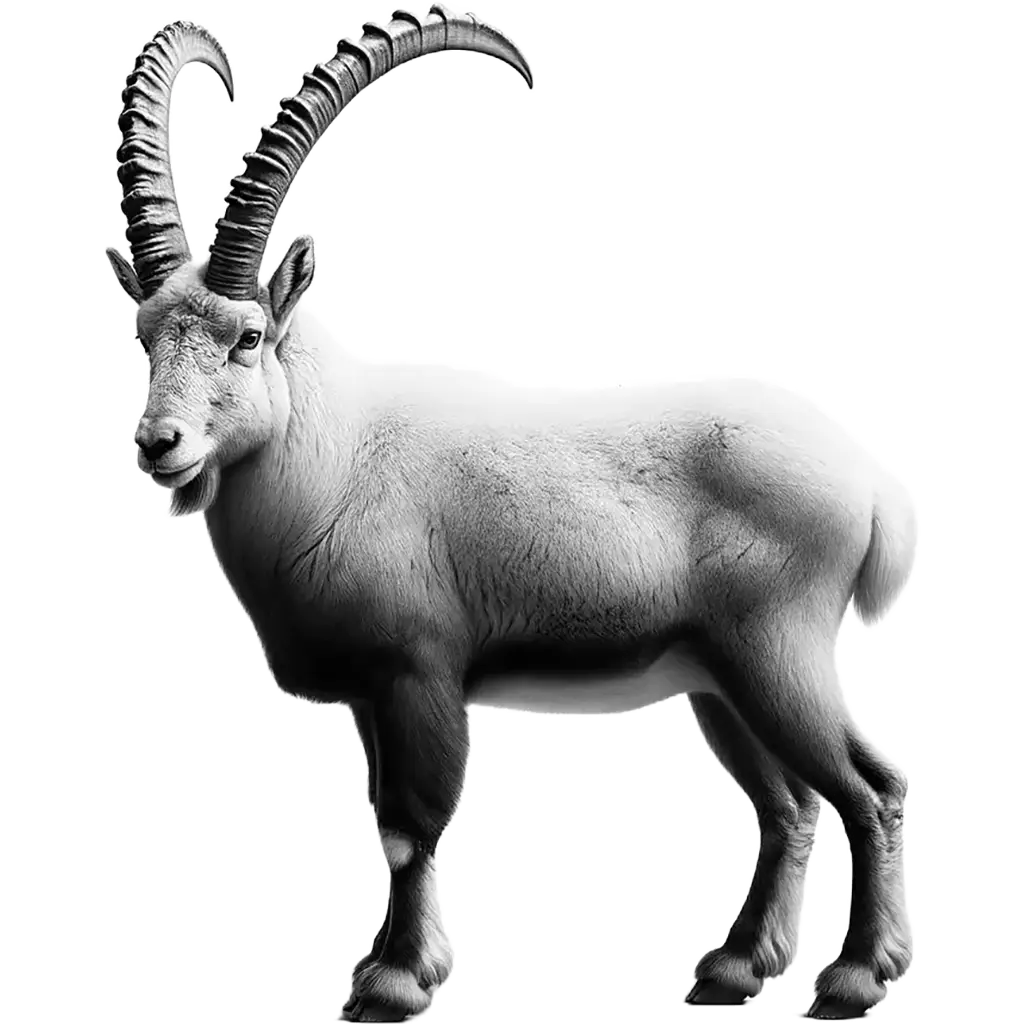
The Siberian Ibex, capra sibirica, is a robust and agile species of wild goat known for its impressive curved horns, which can reach up to 130 cm in length in males. These animals exhibit a coat that varies seasonally, being thicker and lighter in color during winter, and shorter and
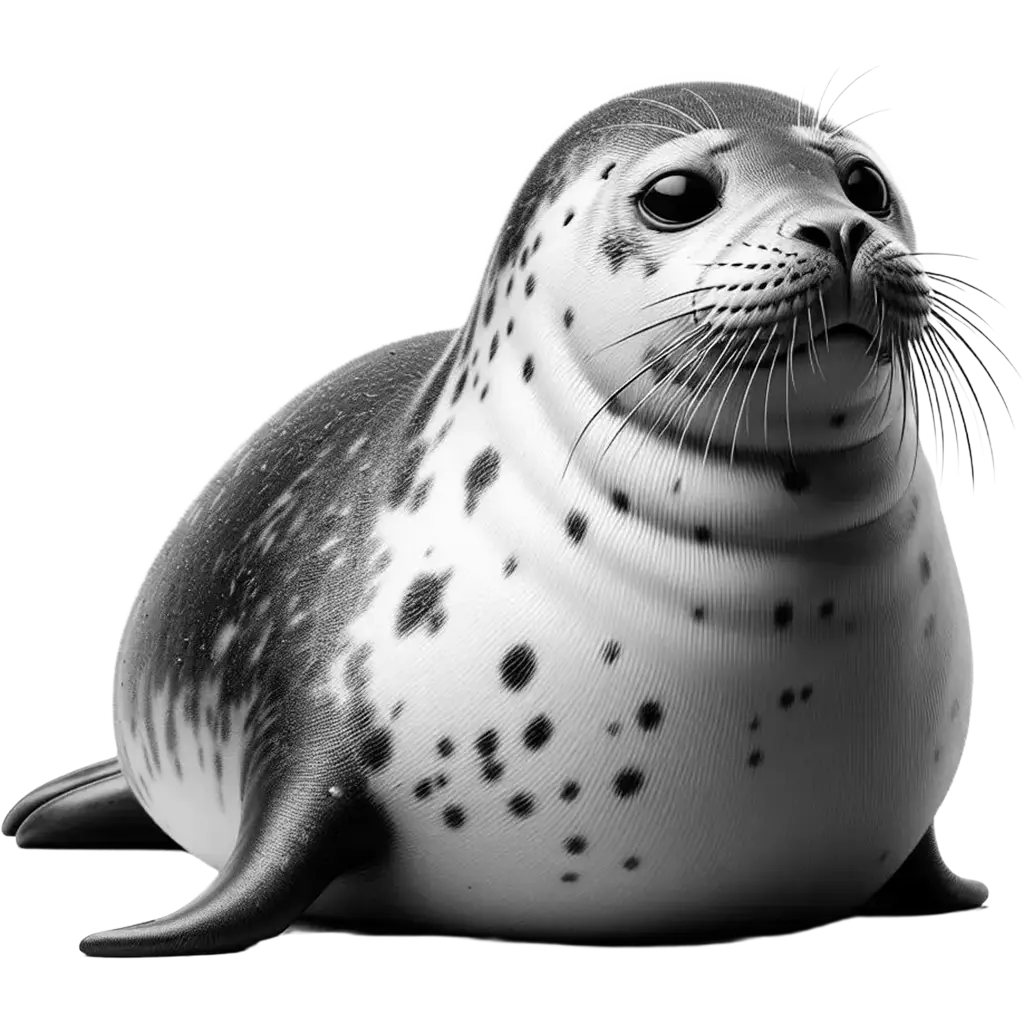
The Harbor Seal, Phoca vitulina, is a widespread species of seal found in temperate coastal waters of the Northern Hemisphere, including the North Atlantic and Pacific Oceans. Adults typically measure between 1.5 to 1.9 meters (5 to 6.25 feet) in length and weigh between 55 to 168 kilograms (120 to
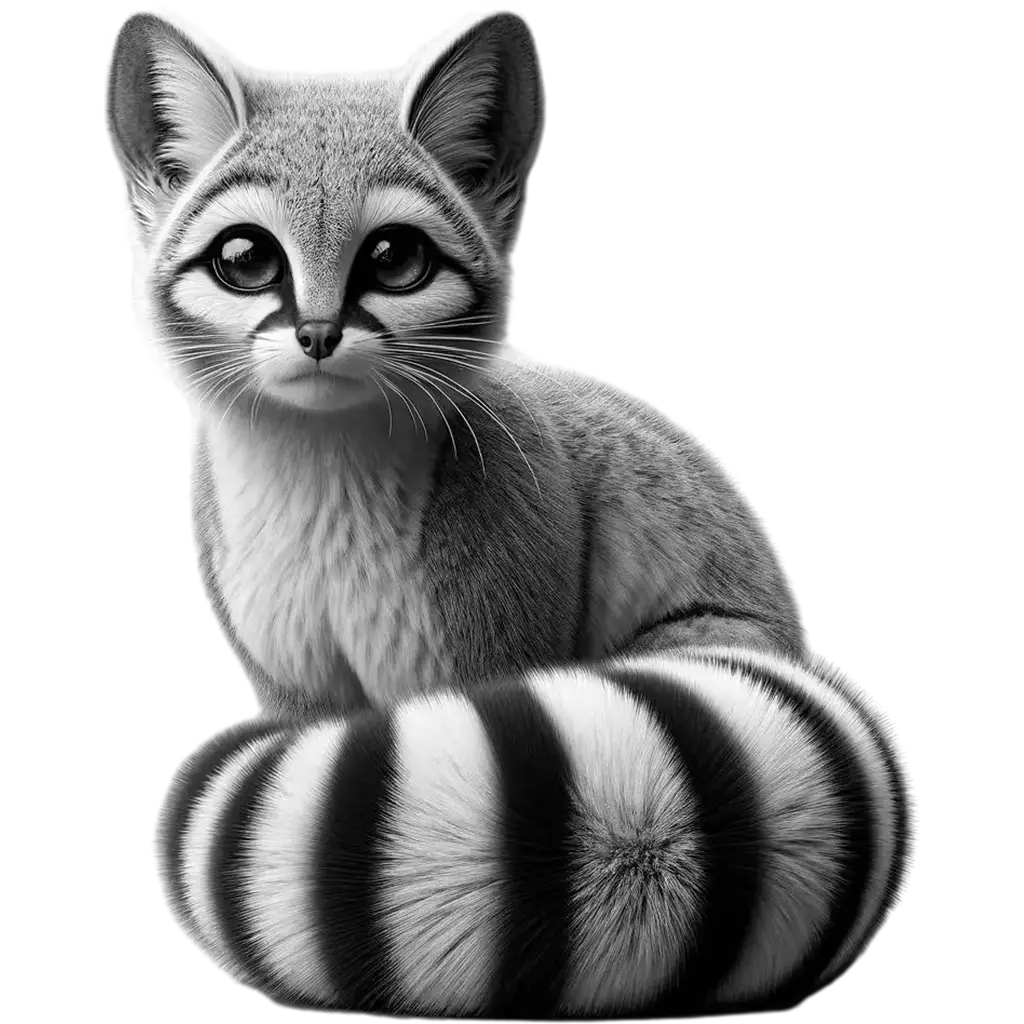
The Ringtail, bassariscus astutus, also known as the Ring-tailed Cat, is a small, nocturnal mammal native to the arid regions of North America, from the southwestern United States through Mexico. Despite its common name, the Ringtail is not a cat but belongs to the raccoon family, Procyonidae. Adults typically measure
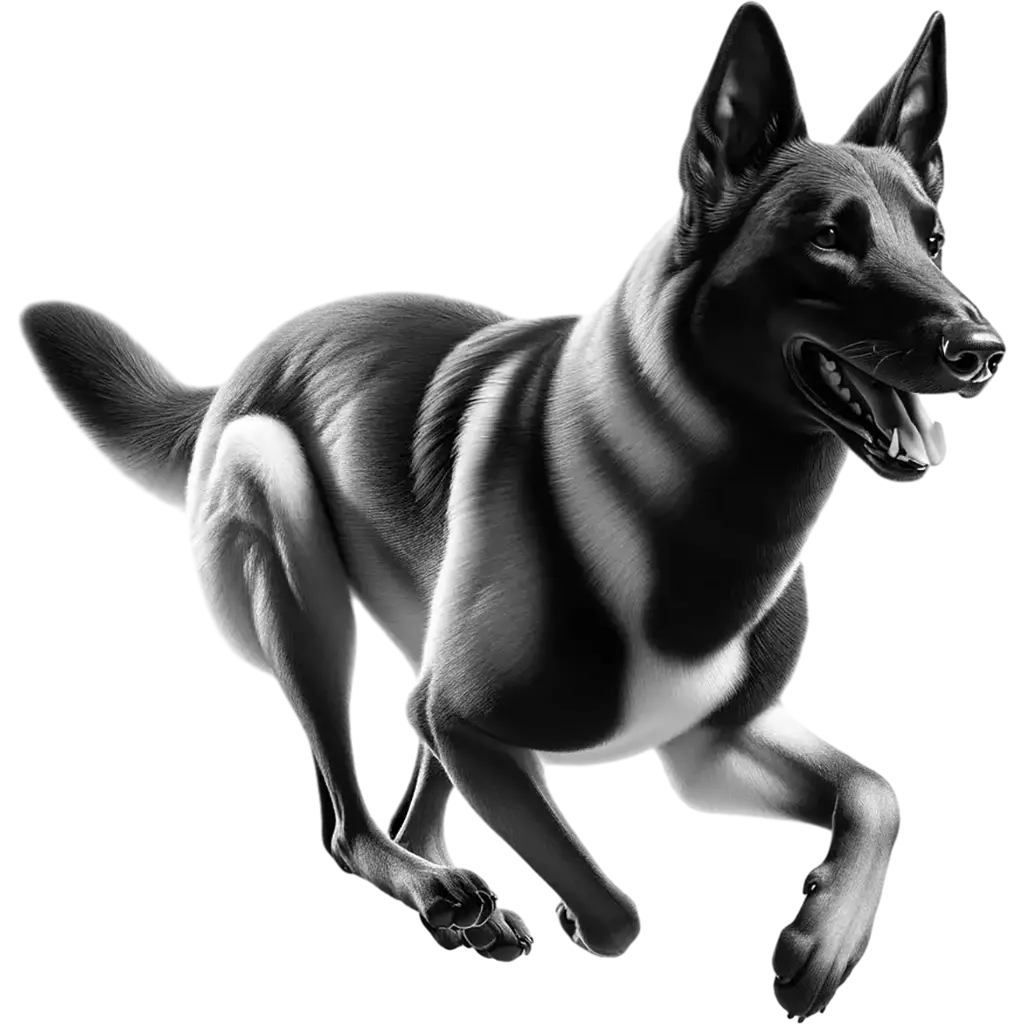
The Belgian Shepherd, also known as the Belgian Sheepdog, encompasses four distinct varieties: the Groenendael, Laekenois, Malinois, and Tervuren. Each variety is recognized for its unique coat type and color but shares a common ancestry and similar physical characteristics. Adult Belgian Shepherds typically stand between 56 to 66 cm (22