
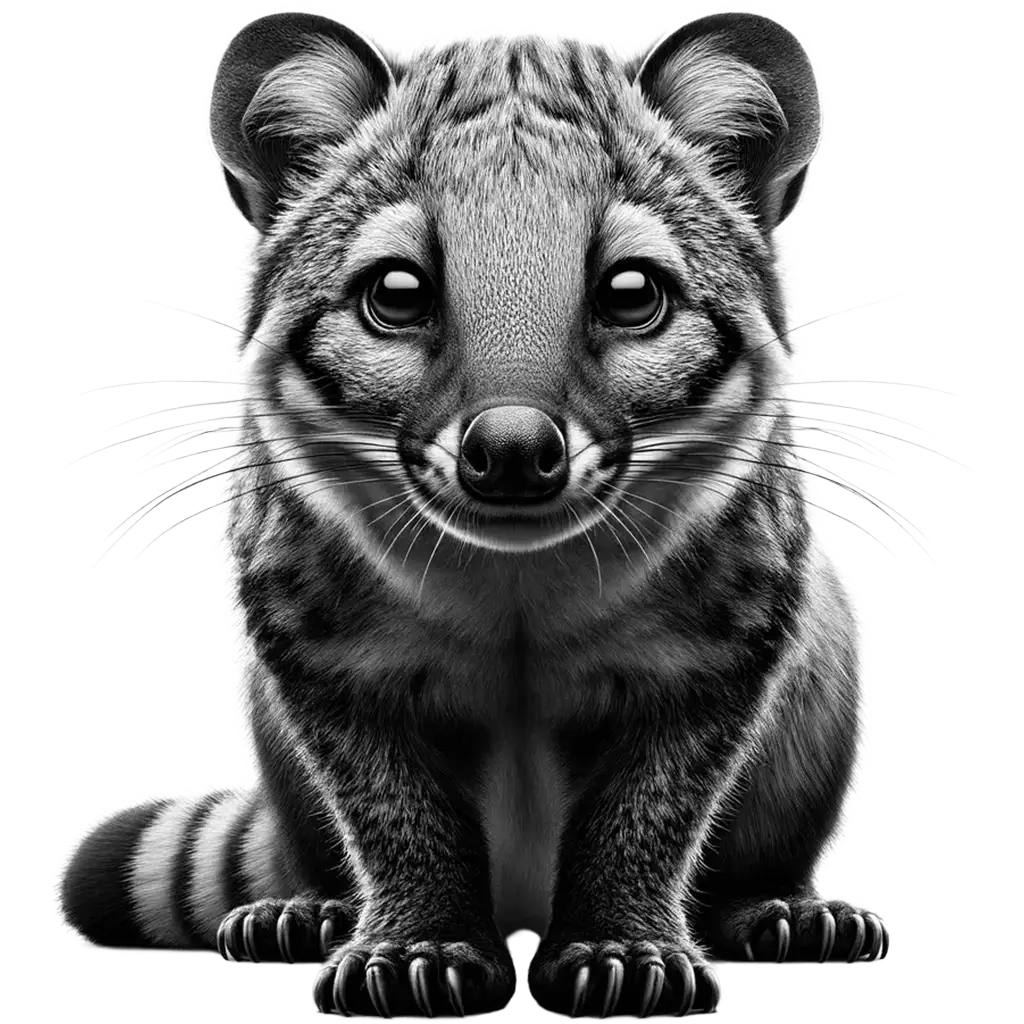
Viverra Zibetha
Large Indian Civet
Tropical forests, grasslands, and areas of dense vegetation
The Large Indian Civet, viverra zibetha, is a nocturnal mammal native to South and Southeast Asia. Characterized by its distinctive coat pattern, it features a greyish body with black spots and several black bands running across its back and sides, culminating in a long, bushy tail with alternating black and white rings. Adults can reach lengths of about 85 cm, not including a tail of approximately 40 cm, and weigh between 9 to 14 kg. The Large Indian Civet's robust body, short legs, and sharp claws make it well-adapted to a life spent both on the ground and in trees.
| Population: | Listed as Vulnerable due to habitat loss, hunting, and trade |
| Generation Length: | 4 years |
| Average Weight: | 9-11 kg |
| Average Length: | Body length: 50-85 cm, Tail length: 40-60 cm |
| Lifespan: | Up to 15 years in captivity; less is known about wild lifespan |
| Diet: | Wide ranging, including both animal and plant matter |
| Conservation Status: | Least Concern (LC) |
This species inhabits a variety of ecosystems, ranging from grasslands and forests to the outskirts of villages, demonstrating a remarkable adaptability to different environments. Large Indian Civets are solitary and territorial animals, marking their range with secretions from their anal glands, which have been historically harvested by humans for perfume manufacturing.
The diet of the Large Indian Civet is omnivorous, consisting of small mammals, birds, eggs, fruits, and roots. This varied diet allows them to play a crucial role in their ecosystems as both predators, controlling the populations of their prey, and seed dispersers, contributing to the health of their habitats.
Reproduction in the Large Indian Civet is not well documented, but it is known that females can give birth to up to four offspring in a litter, with the young being born in a den, which can be a hollow tree, a dense thicket, or even abandoned burrows. The offspring are cared for by the mother until they are independent enough to fend for themselves.
The population of the Large Indian Civet is currently classified as Vulnerable by the IUCN Red List, facing threats from habitat destruction, hunting for its musk and skin, and capture for the pet trade. Conservation efforts are essential for ensuring the survival of this species, focusing on habitat protection, enforcement of hunting regulations, and awareness campaigns to reduce demand for civet products. Their presence in the wild is an indicator of healthy, functioning ecosystems, making their conservation a priority for maintaining biodiversity in the regions they inhabit.
Classifications
The Key Attributes
Features
- Movement:
Walking, climbing
- Territorial Behavior:
Solitary and territorial
- Speed:
Not specifically quantified; capable of quick movements when threatened
- Diet:
Omnivore
- Physical Features:
- Long body with a distinctive coat pattern of dark bands and spots on a grey or yellowish background
- Long tail with black and white rings
- Sharp claws and strong jaws
- Musky scent glands used for marking territory
- Primary Senses:
- Sight
- Hearing
- Smell
Understanding Habitat and Range
Geography
- Habitat:
Tropical forests, grasslands, and areas of dense vegetation
- Migration Patterns:
Non-migratory
- Geographical Range:
Found throughout Southeast Asia, including India, Nepal, Bhutan, Bangladesh, Myanmar, Thailand, Laos, Cambodia, Vietnam, and southern China
- Climate Preferences:
Prefers warm, humid climates in varied terrains
Navigating the Wilderness
In the wild
- Predators:
Humans are the primary threat; young may be preyed upon by larger carnivores
- Prey:
Small vertebrates and invertebrates, fruits, and vegetation
- Feeding Behavior:
Feeds on a variety of foods including small mammals, birds, fish, insects, fruits, and roots
- Diet:
Wide ranging, including both animal and plant matter
- Defensive Mechanisms:
- Secretion of a strong-smelling musk from its anal glands to deter predators
- Agility to escape threats
- Can become aggressive when cornered
- Preferred Food Sources:
- Diverse, depending on availability in their habitat
Insights Into Reproduction
Mating
- Mating System:
Polygynous
- Number of Offspring:
1-4 offspring
- Gestation Period:
60-70 days
- Parental Involvement:
- Females provide all care for the young, including feeding and protection
Youngsters Section
Large Indian Civet
Fun Fact
The Large Indian Civet is a nocturnal mammal found in South and Southeast Asia.
This animal has a distinctive musky odor, which it uses for marking territory. Its diet includes small vertebrates, insects, and fruits, making it an omnivorous creature. Despite its secretive nature, it plays a significant role in seed dispersal, aiding forest regeneration.

Download word search puzzles
Word Search Puzzles


Check Out Other Mammals
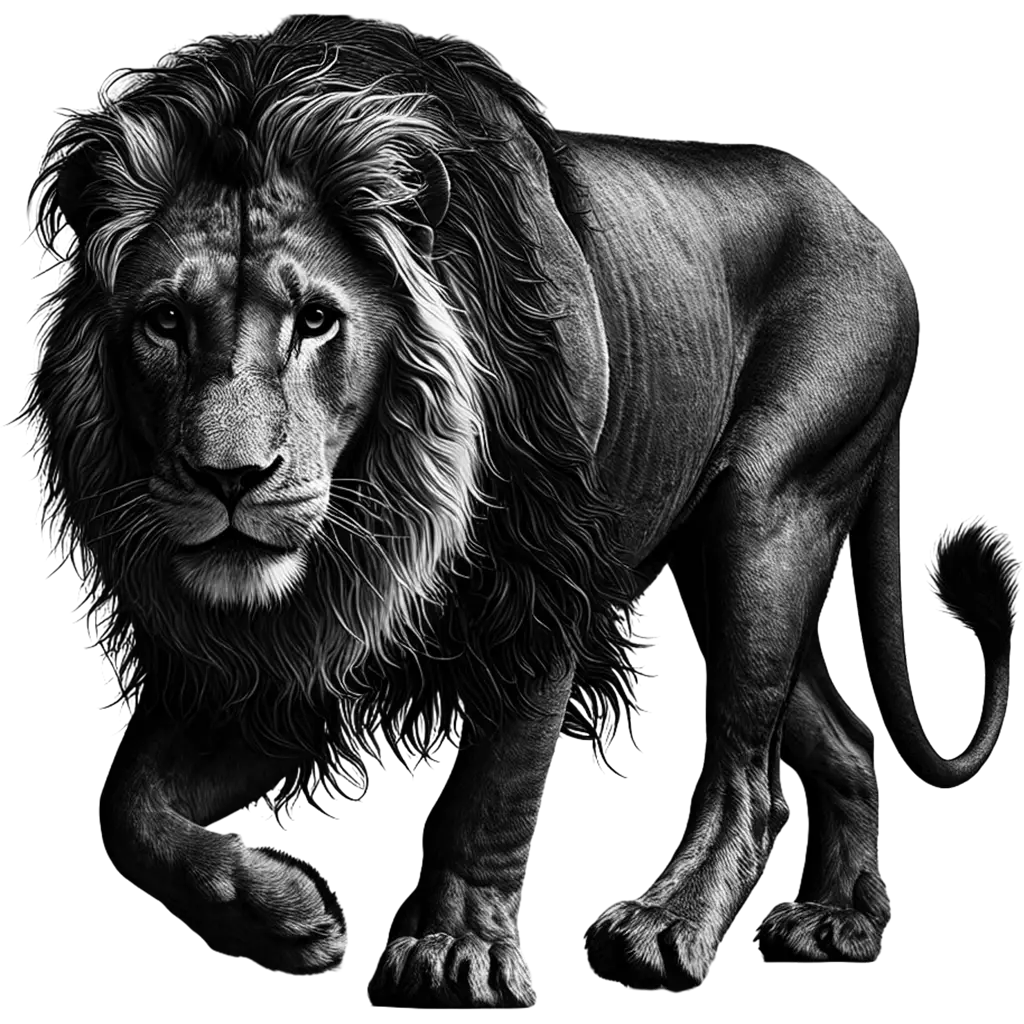
The Asiatic Lion, also known as the Asiatic Lion, is a subspecies of lion native to India's Gir Forest and surrounding areas. Slightly smaller than its African counterpart, the Asiatic Lion has a shorter and sparser mane, making its ears more visible. A distinguishing feature is the fold of skin
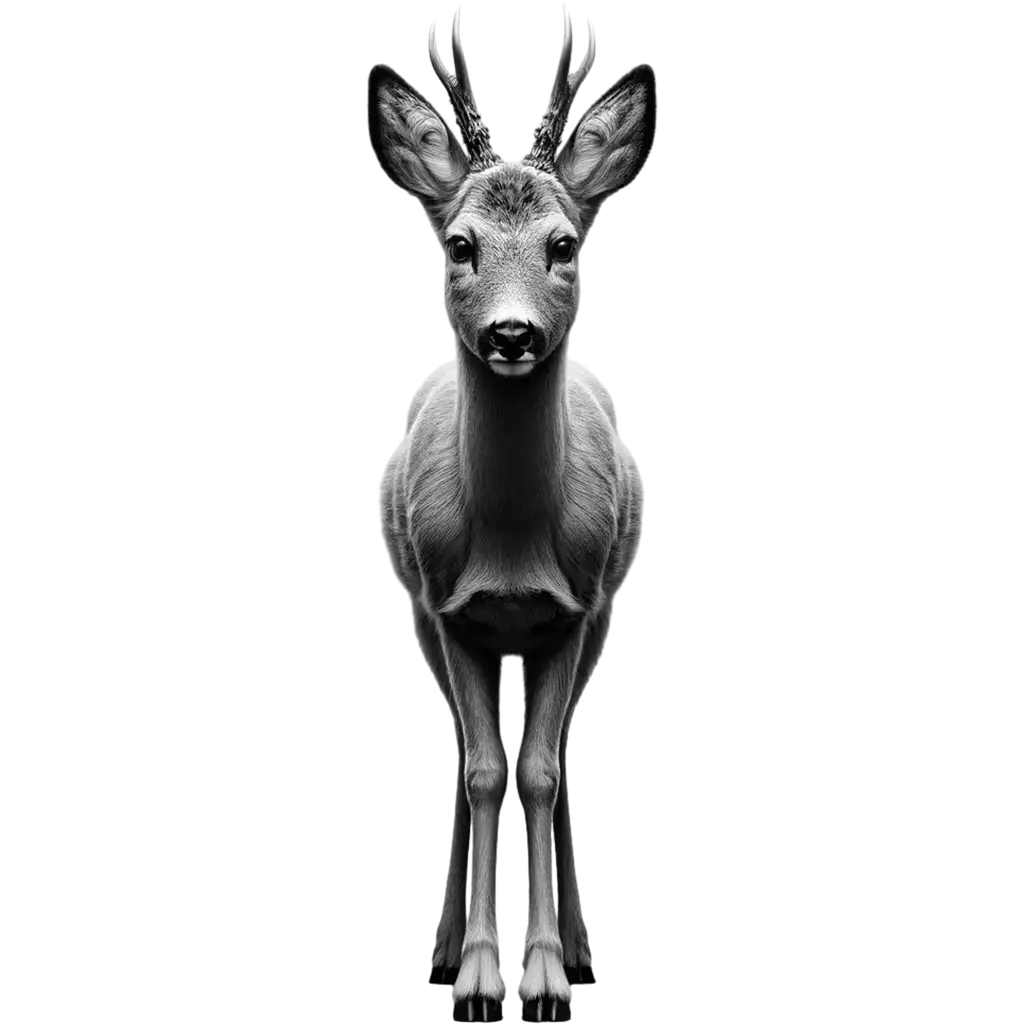
The Roe Deer, capreolus capreolus, is a small and graceful deer species native to Europe and parts of Asia. It stands about 60 to 75 cm at the shoulder and weighs between 10 to 25 kg, with males generally larger than females. The summer coat is a reddish-brown, turning to
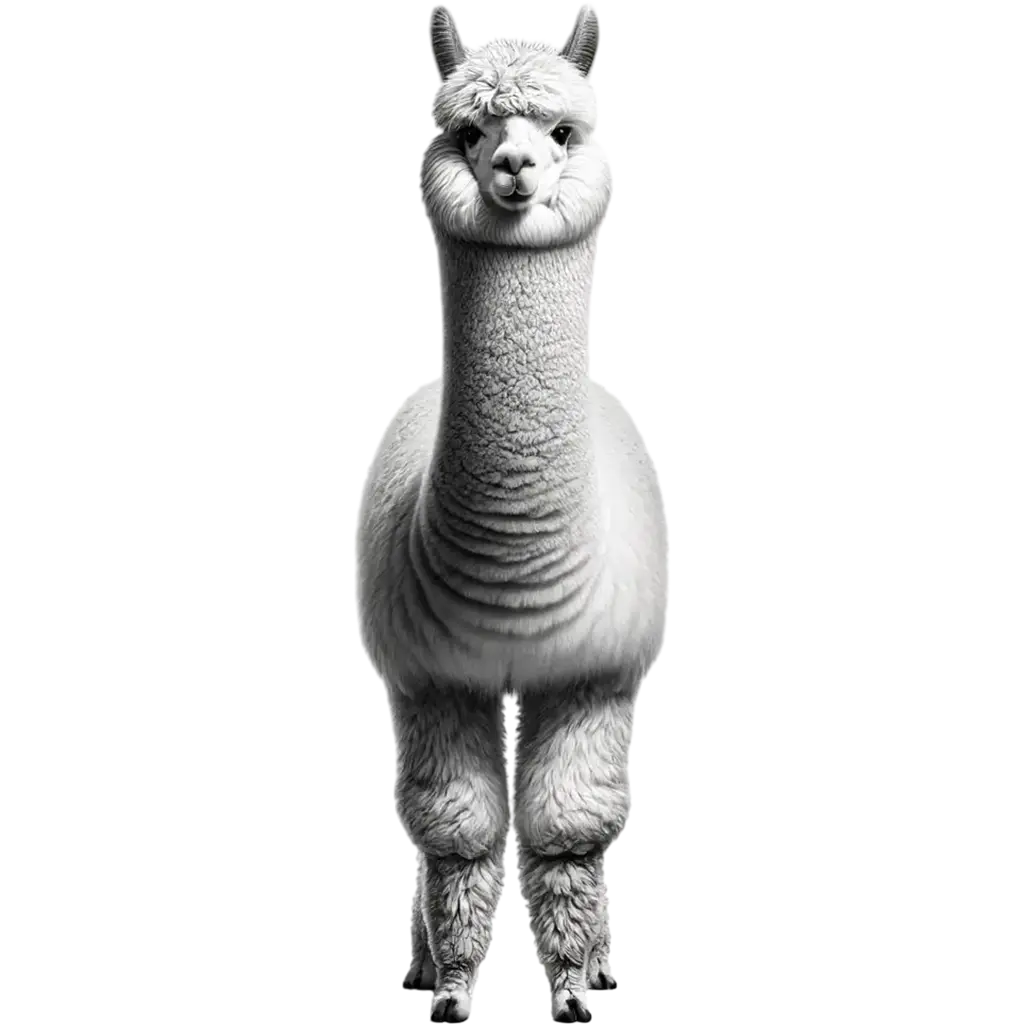
The Alpaca, lama pacos, is a domesticated species of South American camelid, closely related to the llama. Alpacas are renowned for their soft, luxurious fleece, which comes in a variety of shades, including white, black, brown, and gray, allowing for over 22 recognized colors in total. Standing at an average
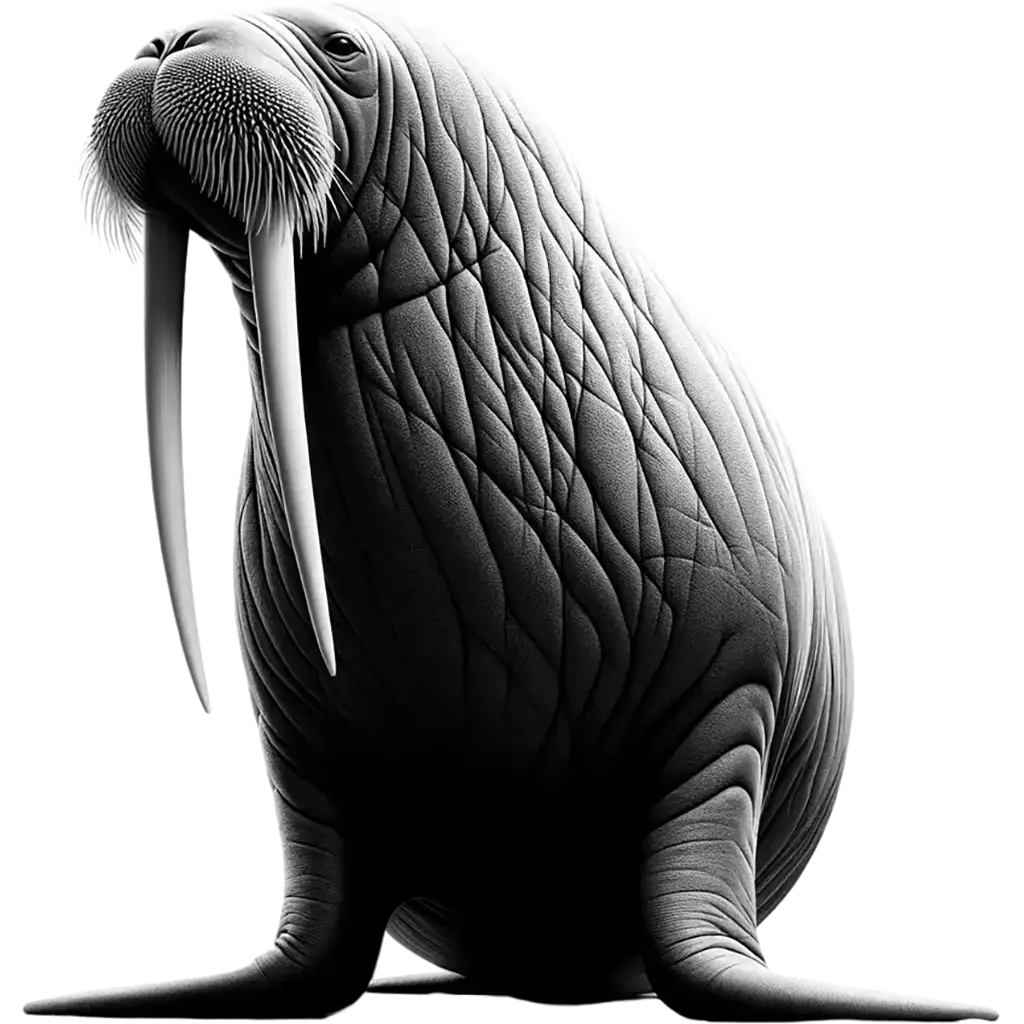
The Walrus, odobenus rosmarus, is a large marine mammal known for its distinctive tusks, whiskers, and massive bulk. Adult males can weigh between 800 to 1,700 kg, with females being somewhat smaller, averaging 400 to 1,250 kg. Both sexes possess long tusks, which can grow up to 1 meter in