
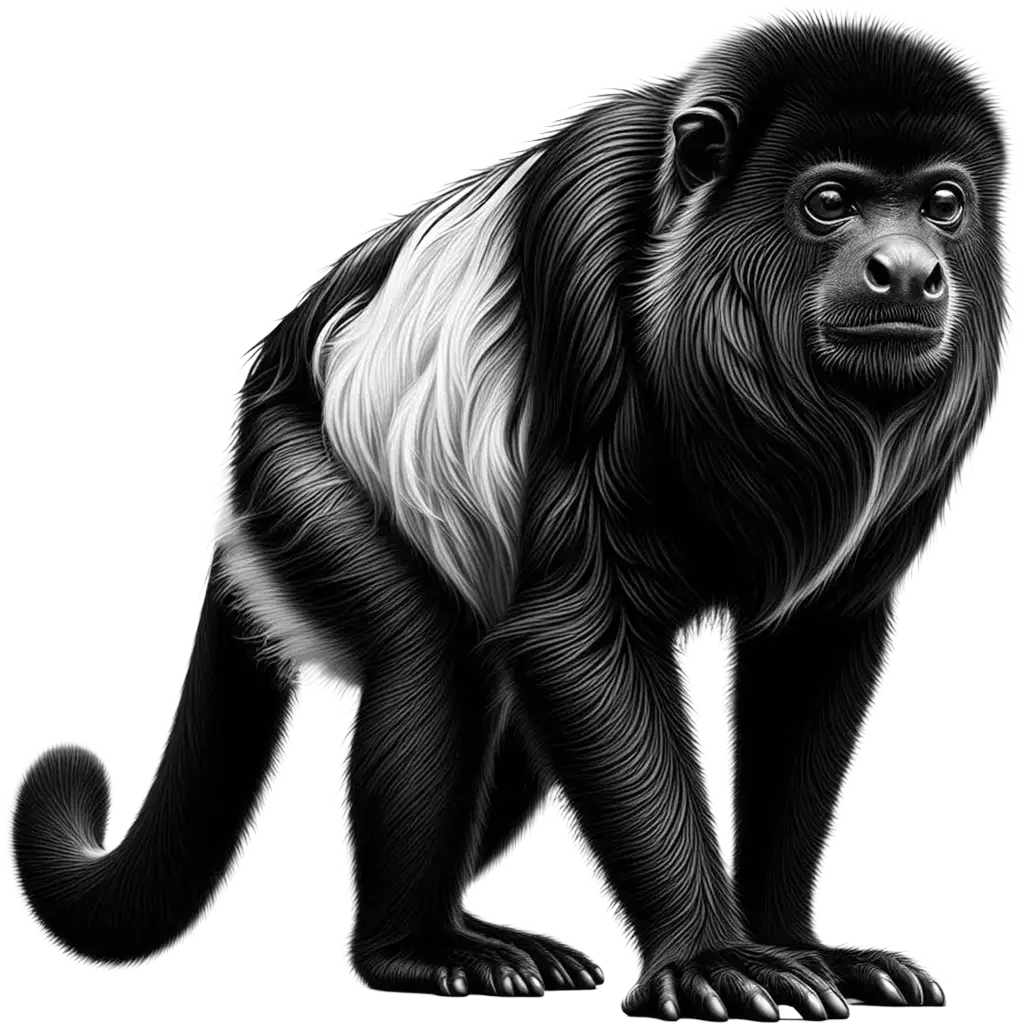
Alouatta Guariba
Brown Howler
Tropical rainforests and semi-deciduous forests
The Brown Howler, alouatta guariba, is a robust primate characterized by its thick brown fur, which can vary in shade from light brown to almost black. This species is notable for its large throat sac, used to amplify their distinctive howling calls, which can be heard up to several kilometers away. Males and females are similar in appearance, though males tend to be slightly larger, with an average body length ranging from 40 to 60 cm, excluding the tail which can be just as long. Their prehensile tails are essential for maneuvering through the forest canopies of their South American habitat, acting as a fifth limb for gripping branches.
| Population: | Listed as Critically Endangered due to a significant population decline |
| Generation Length: | 7-8 years |
| Average Weight: | 4-7 kg |
| Average Length: | Body length: 40-60 cm, Tail length: 50-75 cm |
| Lifespan: | 16-20 years in the wild |
| Diet: | Leaves, fruits, flowers, and occasionally small invertebrates |
| Conservation Status: | Vulnerable (VU) |
Brown Howlers are arboreal and diurnal, spending most of their time in the upper layers of the Atlantic forests of southeastern Brazil and parts of Argentina and Paraguay. They live in social groups that can range from 2 to 11 individuals, typically consisting of one or two adult males, several females, and their offspring. These groups maintain territories which they defend with their loud howls, serving both to deter rivals and strengthen social bonds within the group. Their lifestyle is adapted to a forest environment, with a strong dependence on the availability of fruiting trees and water sources.
Diet-wise, the Brown Howler primarily feeds on leaves, fruits, flowers, and buds, making them an important seed disperser for their ecosystem. Their diet shifts seasonally, with a higher reliance on leaves during periods when fruit is less abundant. This folivorous and frugivorous diet requires a specialized digestive system to process the fibrous plant material, including a large, complex stomach for fermenting leaves.
Mating in Brown Howlers does not adhere to a strict seasonal pattern, allowing for births throughout the year, although there may be peaks in certain seasons depending on the region. Females give birth to one offspring at a time, with a gestation period of about six months. Offspring are cared for primarily by the mother, with weaning occurring at about one year of age. The social structure of the group supports the development and protection of the young.
The population of the Brown Howler has been declining due to habitat destruction, fragmentation, and the pet trade, leading to its classification as vulnerable. Conservation efforts are critical to protect their natural habitats and ensure the survival of this species. Protecting the Atlantic forest, in particular, is essential for the conservation of the Brown Howler and the biodiversity it supports.
Classifications
The Key Attributes
Features
- Movement:
Quadrupedal walking, climbing, and brachiation
- Territorial Behavior:
Highly social, living in groups with a hierarchical structure
- Speed:
Not specifically quantified; adept at moving through trees
- Diet:
Herbivore
- Physical Features:
- Thick brown or reddish fur
- Large throat sac for howling, which can be heard up to several kilometers away
- Strong, prehensile tail used for grasping and balance
- Sexual dimorphism with males generally larger than females
- Primary Senses:
- Sight
- Hearing
- Smell
Understanding Habitat and Range
Geography
- Habitat:
Tropical rainforests and semi-deciduous forests
- Migration Patterns:
Non-migratory
- Geographical Range:
Eastern and southern Brazil, northern Argentina, and eastern Paraguay
- Climate Preferences:
Prefers warm, humid climates
Navigating the Wilderness
In the wild
- Predators:
Large birds of prey, snakes, and wild cats
- Prey:
Not applicable
- Feeding Behavior:
Feeds primarily on leaves, fruit, and flowers, with a specialized digestive system for fermenting plant material
- Diet:
Leaves, fruits, flowers, and occasionally small invertebrates
- Defensive Mechanisms:
- Group vigilance
- Loud vocalizations to deter predators and communicate with group members
- Staying in dense foliage to avoid detection
- Preferred Food Sources:
- A variety of forest plants depending on seasonal availability
Insights Into Reproduction
Mating
- Mating System:
Polygynous
- Number of Offspring:
Typically 1 offspring
- Gestation Period:
About 6 months
- Parental Involvement:
- Females primarily care for the young, with support from the group
Youngsters Section
Brown Howler
Fun Fact
Brown Howlers are known for their loud, resonating howls that can be heard up to 3 miles away.
These howls are a form of communication used to mark territory and communicate with other groups. The sound is produced by a specialized hyoid bone in their throats, allowing them to amplify their calls. The brown color helps them blend into their forested habitats.

Download word search puzzles
Word Search Puzzles


Check Out Other Mammals
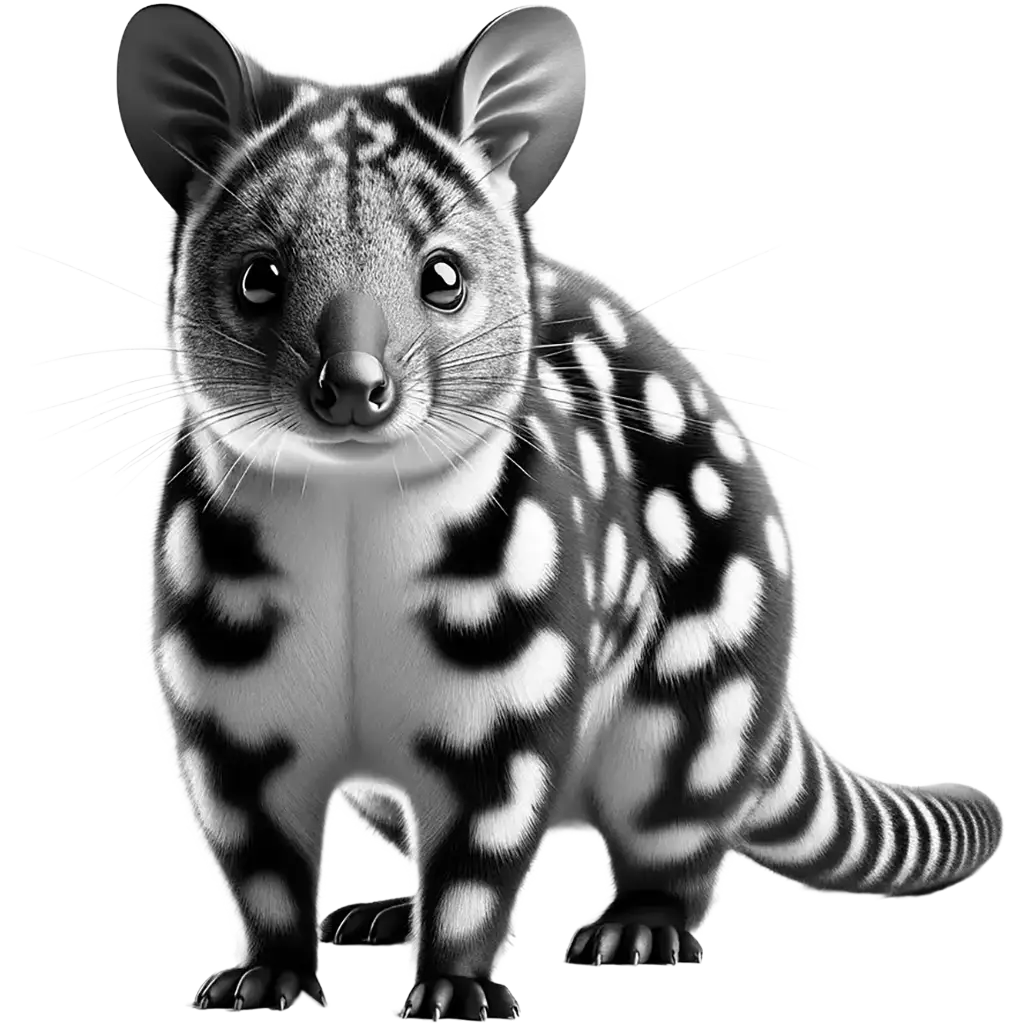
The Tiger Quoll, dasyurus maculatus, also known as the Spotted-tail Quoll, is the largest marsupial carnivore of mainland Australia and the second largest in the world after the Tasmanian Devil. Adult Tiger Quolls can vary significantly in size, with males generally larger than females, measuring up to 75 cm in
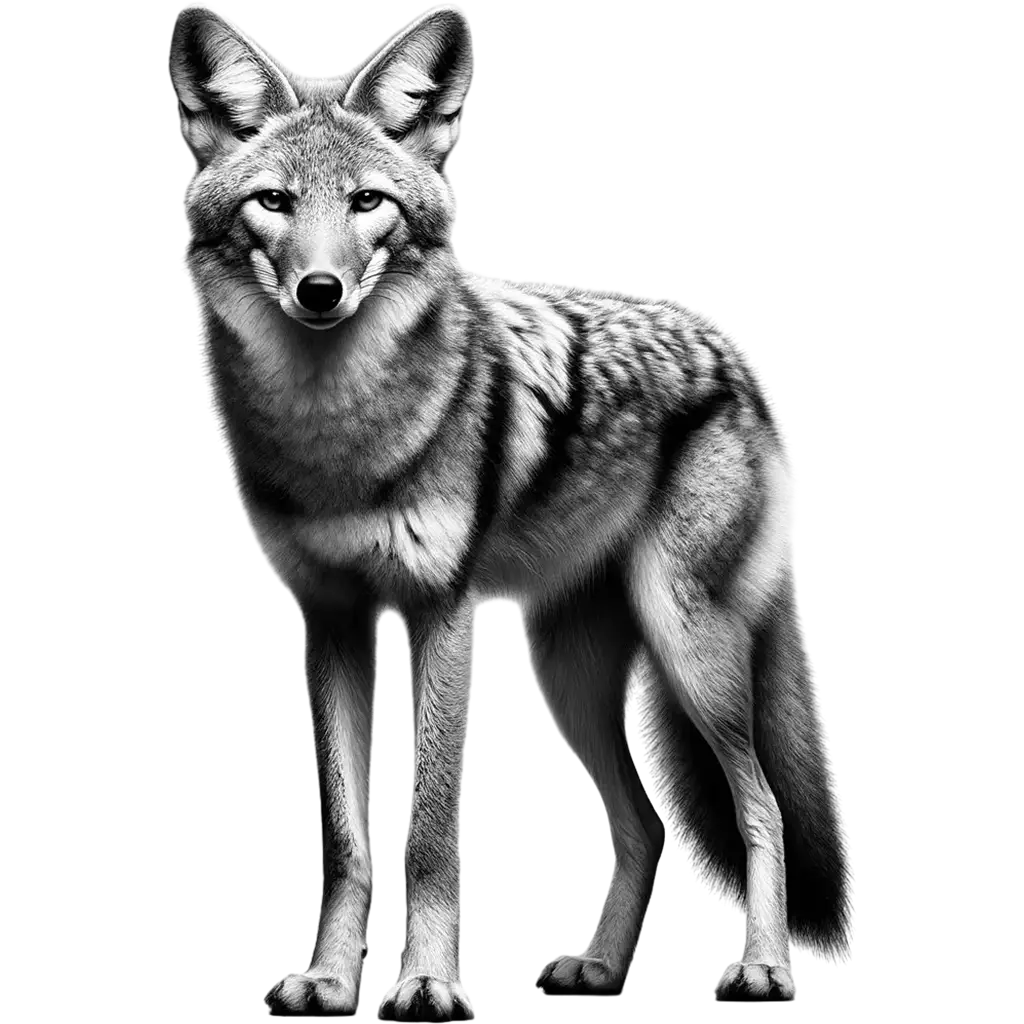
The Coyote, canis latrans, is a highly adaptable and versatile canid native to North America. Adults typically measure between 1.0 to 1.35 meters in length, including the tail, and weigh between 15 to 46 kg, with males generally larger than females. Their fur color can vary widely from grayish-brown to
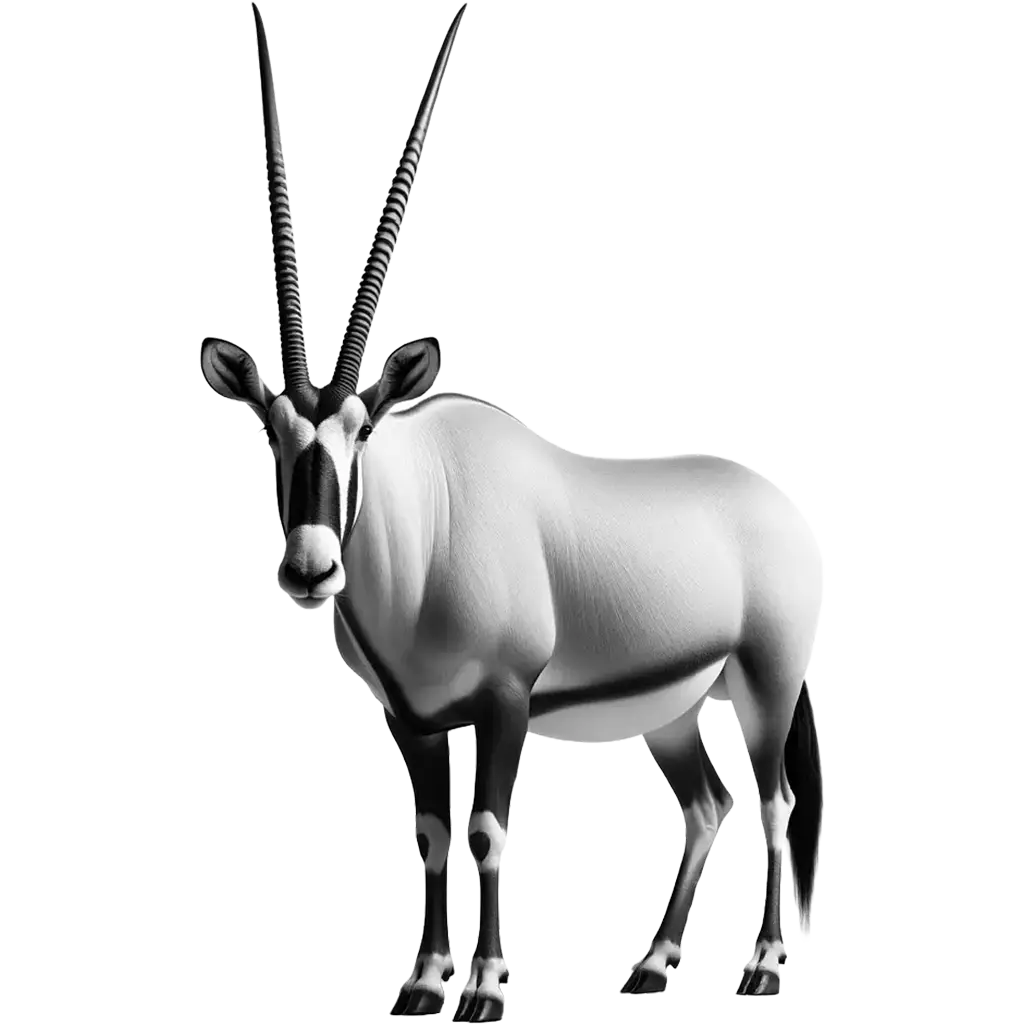
The Arabian Oryx, oryx leucoryx, is a striking antelope renowned for its elegant beauty and resilience, adapted to survive in the harsh desert environments of the Arabian Peninsula. Adults stand about 1 meter at the shoulder and weigh between 60 to 100 kg. Their coat is predominantly white with contrasting
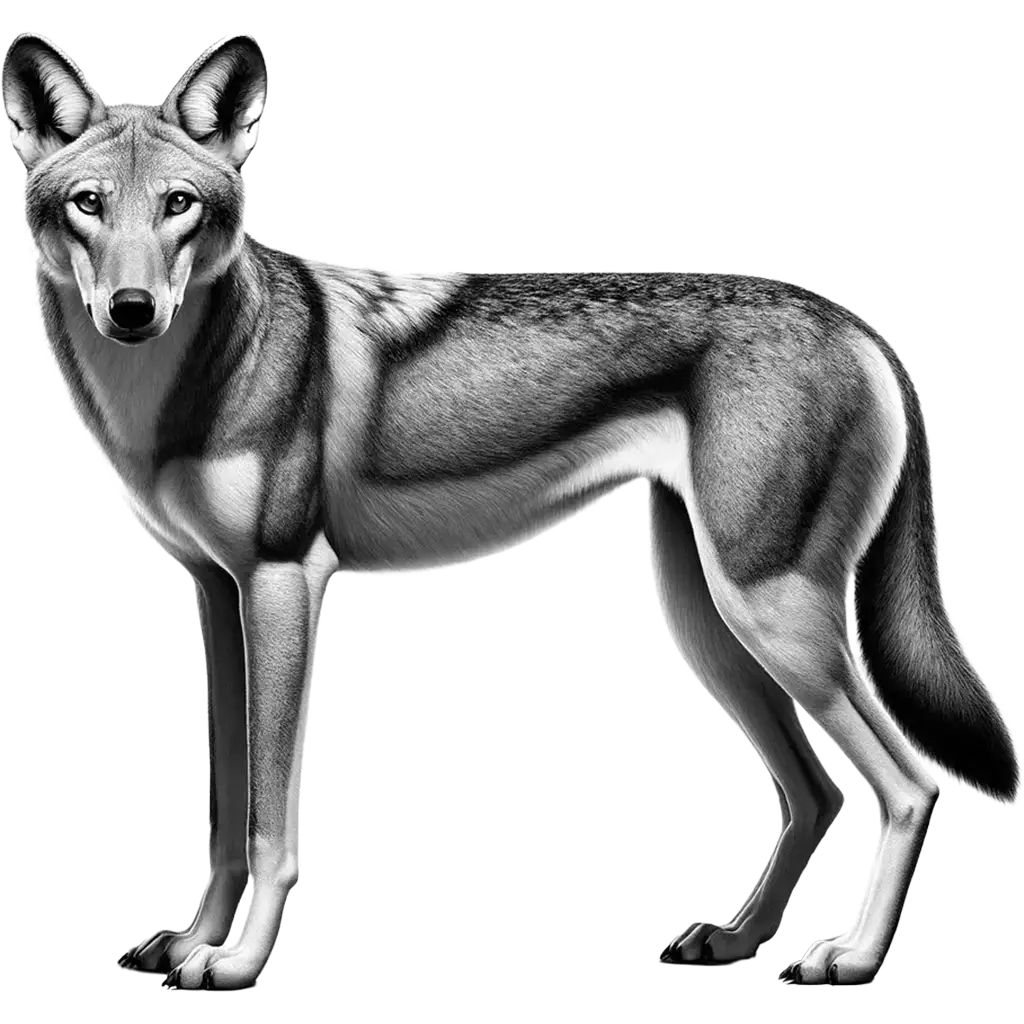
The Wolf, canis lupus, is a symbol of wilderness and a keystone predator, playing a crucial role in maintaining the health of ecosystems. Adult wolves typically measure about 105 to 160 cm in length, with a tail adding an additional 40 to 50 cm. Males are generally larger than females,