
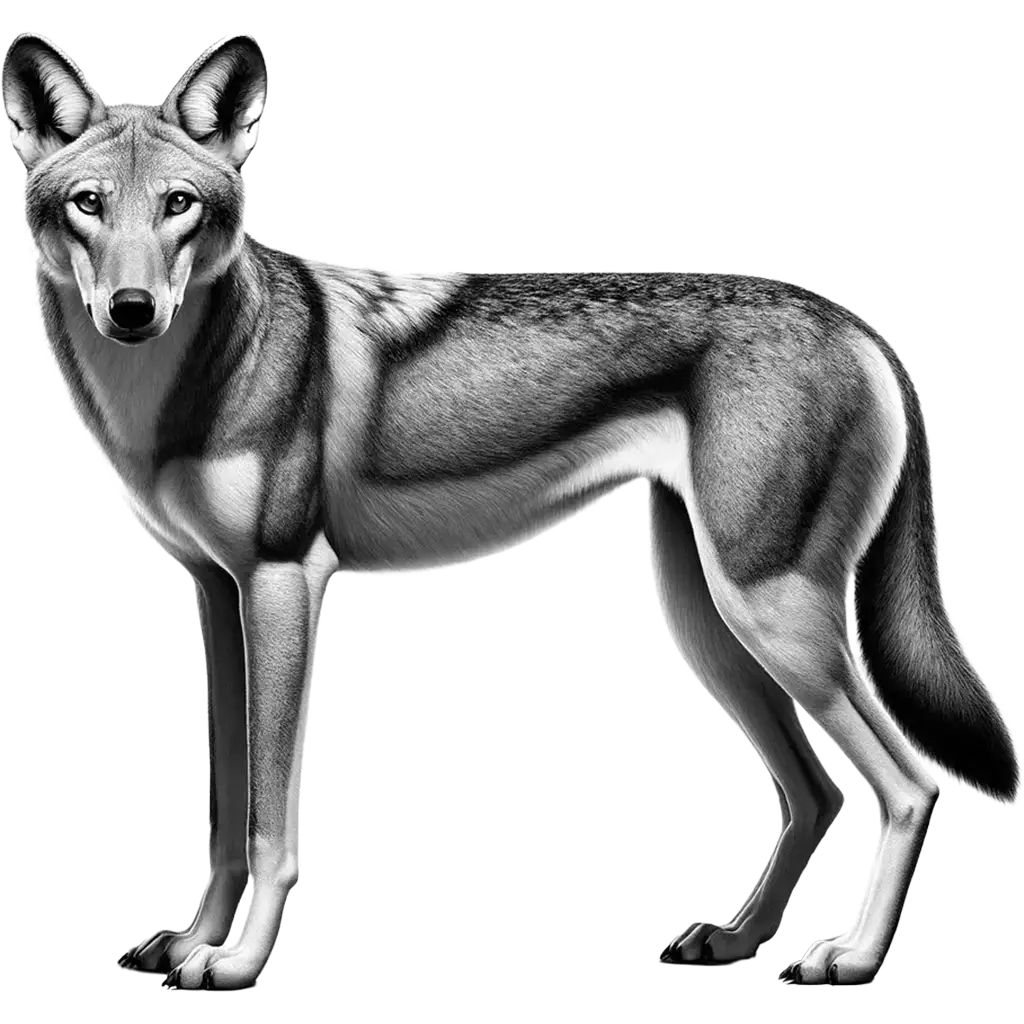
Canis Lupus
Wolf
Diverse, including forests, tundras, grasslands, and deserts
The Wolf, canis lupus, is a symbol of wilderness and a keystone predator, playing a crucial role in maintaining the health of ecosystems. Adult wolves typically measure about 105 to 160 cm in length, with a tail adding an additional 40 to 50 cm. Males are generally larger than females, weighing between 30 to 80 kg, depending on their geographical location. Their thick fur coat, which can range from gray, brown, black, to white, provides insulation against cold weather, and their piercing eyes can be yellow, amber, or brown.
| Population: | Listed as Least Concern globally, but some subspecies are endangered or locally extinct |
| Generation Length: | 4-6 years |
| Average Weight: | 30-80 kg depending on the subspecies and region |
| Average Length: | 1-1.5 meters in body length, with a tail length of about 30-50 cm |
| Lifespan: | 6-8 years in the wild, up to 13 years in captivity |
| Diet: | Primarily carnivorous, with a diet based on large mammals, supplemented by smaller prey |
| Conservation Status: | Least Concern (LC) |
Wolves are highly social animals, living and hunting in packs that are usually composed of a family unit: a breeding pair (alpha male and female), their offspring, and occasionally adopted subordinates. Packs work cooperatively, whether hunting, defending territory, or caring for the young. Their territories can span vast areas, up to several hundred square miles, which they patrol regularly to hunt and monitor.
The diet of wolves is primarily carnivorous, focusing on large ungulates such as deer, elk, and moose, but they can adapt their diet based on availability, consuming smaller mammals, carrion, and even berries. This adaptability in feeding is a testament to their survival skills across diverse habitats, from the Arctic tundra to forests, grasslands, and deserts.
Reproduction in wolves is typically restricted to the alpha pair to avoid overpopulation within the pack. Mating season occurs once a year, during late winter. After a gestation period of about 63 days, the female gives birth to a litter of 4 to 6 pups. The entire pack contributes to the care and training of the young, ensuring their survival and integration into the pack.
The population of wolves has fluctuated historically due to extensive hunting and habitat destruction, leading to their eradication in some regions. However, conservation efforts, including legal protection and reintroduction programs, have helped stabilize and increase Wolf populations in various parts of their range. The presence of wolves in an ecosystem is often an indicator of its overall health and integrity, underscoring the importance of continuing conservation work to support these iconic predators.
Classifications
The Key Attributes
Features
- Movement:
Walking, running
- Territorial Behavior:
Highly social, living in packs with complex social structures
- Speed:
Can run up to 60 km/h (37 mph) in short bursts
- Diet:
Carnivore
- Physical Features:
- Large canid with a strong build
- Thick fur adapted to cold environments
- Long legs and large paws for efficient travel over snow and rough terrain
- Powerful jaws and teeth for hunting and consuming prey
- Primary Senses:
- Smell
- Hearing
- Sight
Understanding Habitat and Range
Geography
- Habitat:
Diverse, including forests, tundras, grasslands, and deserts
- Migration Patterns:
Territorial but can roam extensively within their territory or migrate seasonally with prey
- Geographical Range:
Native to North America, Europe, Asia, and the Middle East
- Climate Preferences:
Adaptable to a wide range of climates, from Arctic cold to temperate forests
Navigating the Wilderness
In the wild
- Predators:
Few natural predators; humans are the primary threat
- Prey:
Large ungulates, small mammals, and occasionally fish, birds, and reptiles
- Feeding Behavior:
Predatory, hunting in packs to take down large prey such as deer, elk, and bison, as well as smaller animals
- Diet:
Primarily carnivorous, with a diet based on large mammals, supplemented by smaller prey
- Defensive Mechanisms:
- Pack cooperation for defense and hunting
- Intimidation and dominance displays against intruders or rival packs
- Preferred Food Sources:
- Regions with abundant large ungulate populations for hunting
Insights Into Reproduction
Mating
- Mating System:
Monogamous, forming long-term pair bonds within the pack
- Number of Offspring:
4-6 pups, but can vary from 1 to 11
- Gestation Period:
Approximately 63 days
- Parental Involvement:
- Pack participates in rearing and protecting pups, with alpha pair leading
Youngsters Section
Wolf
Fun Fact
Wolves are known for their complex social structures, living in packs led by an alpha pair.
These packs are usually family units, consisting of the breeding pair and their offspring. Wolves communicate through various vocalizations, body language, and scent marking. Their howls can be heard over long distances, serving to coordinate pack activities and establish territory.

Download word search puzzles
Word Search Puzzles
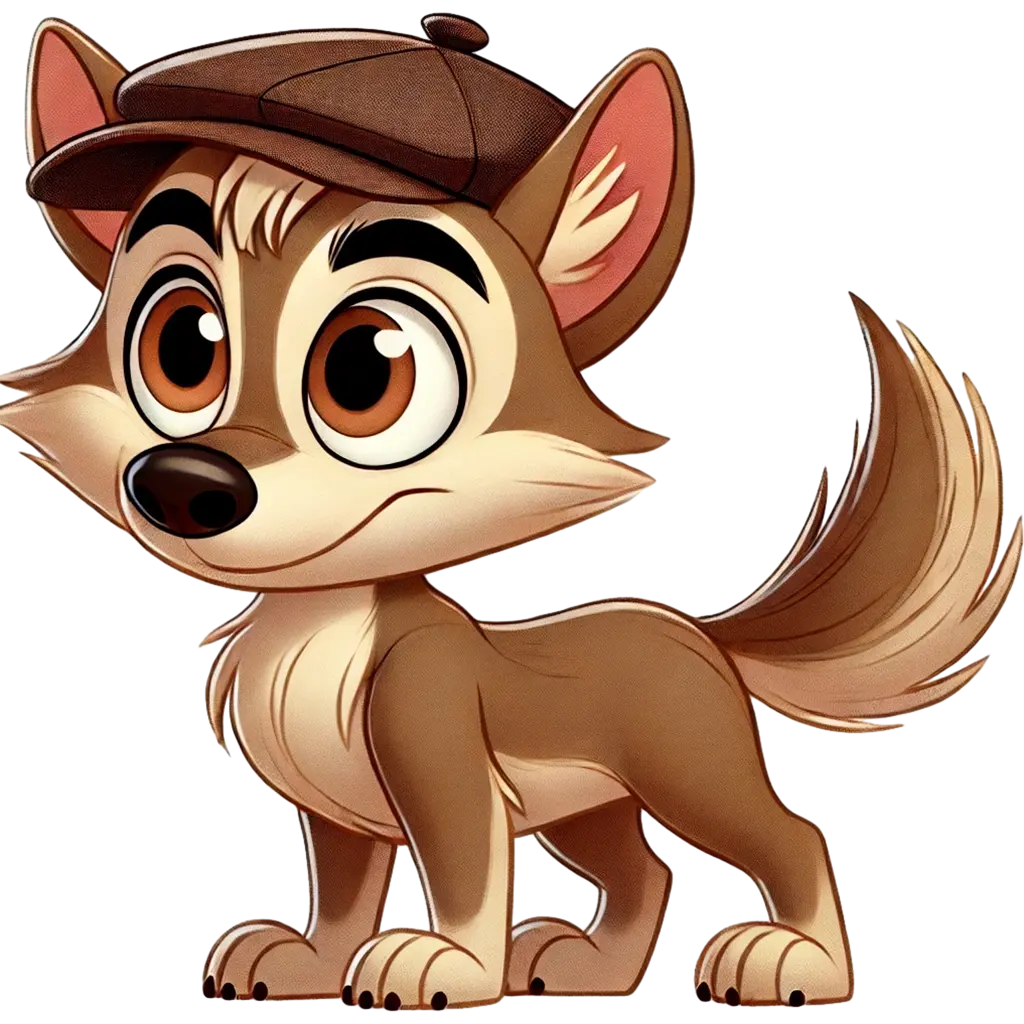

Check Out Other Mammals
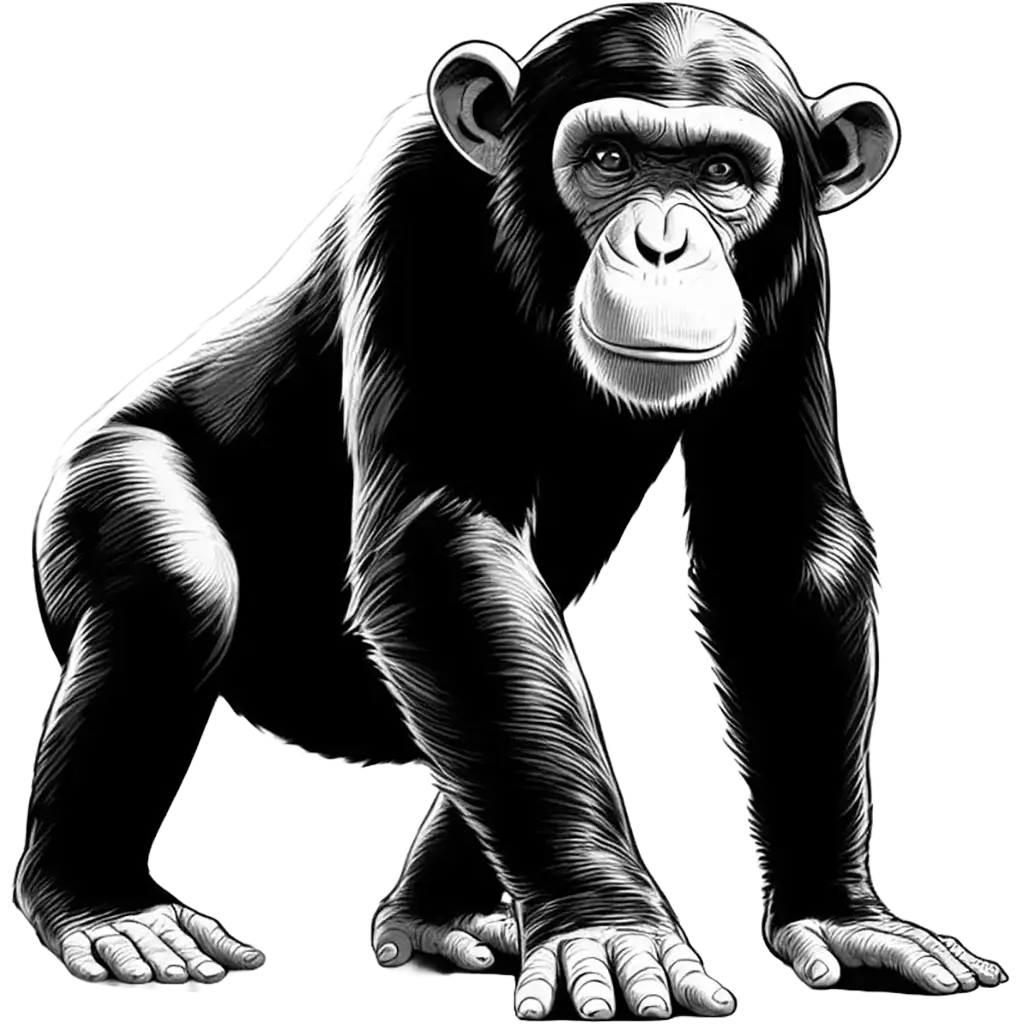
The Chimpanzee, pan troglodytes, is a highly intelligent primate that shares up to 98% of its DNA with humans, making it our closest living relative in the animal kingdom. Native to the forests and savannas of sub-Saharan Africa, Chimpanzees exhibit remarkable diversity across their range, with four recognized subspecies. Adult

The Mastiff, known for its immense size and gentle demeanor, is one of the oldest and most majestic breeds of dogs. Characterized by a massive head, broad skull, and a well-defined stop, the Mastiff's appearance exudes power and nobility. Their coat, which can be fawn, apricot, or brindle, is complemented
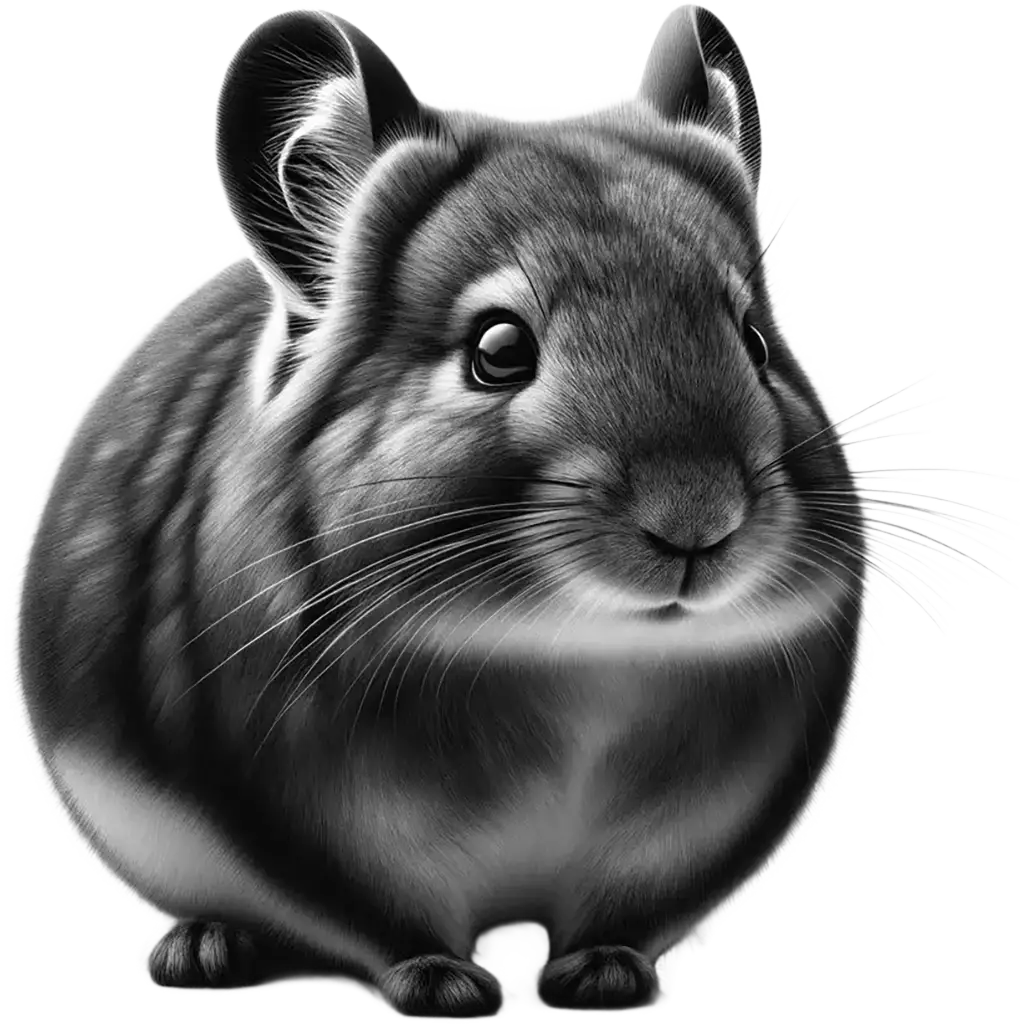
The Daurian Pika, ochotona dauurica, is a small, herbivorous mammal belonging to the pika family, which resides predominantly in the steppe regions of Mongolia, parts of Russia, and northern China. This species is characterized by its compact body, rounded ears, and absence of a visible tail, typical of pikas. Adult
The Bush Dog, speothos venaticus, is a rare and elusive canid native to Central and South America's forests and wetlands. This small, otter-like dog stands around 30 cm tall at the shoulder and weighs between 5 to 7 kg. Its coat is dense and dark brown, effectively camouflaging it in