
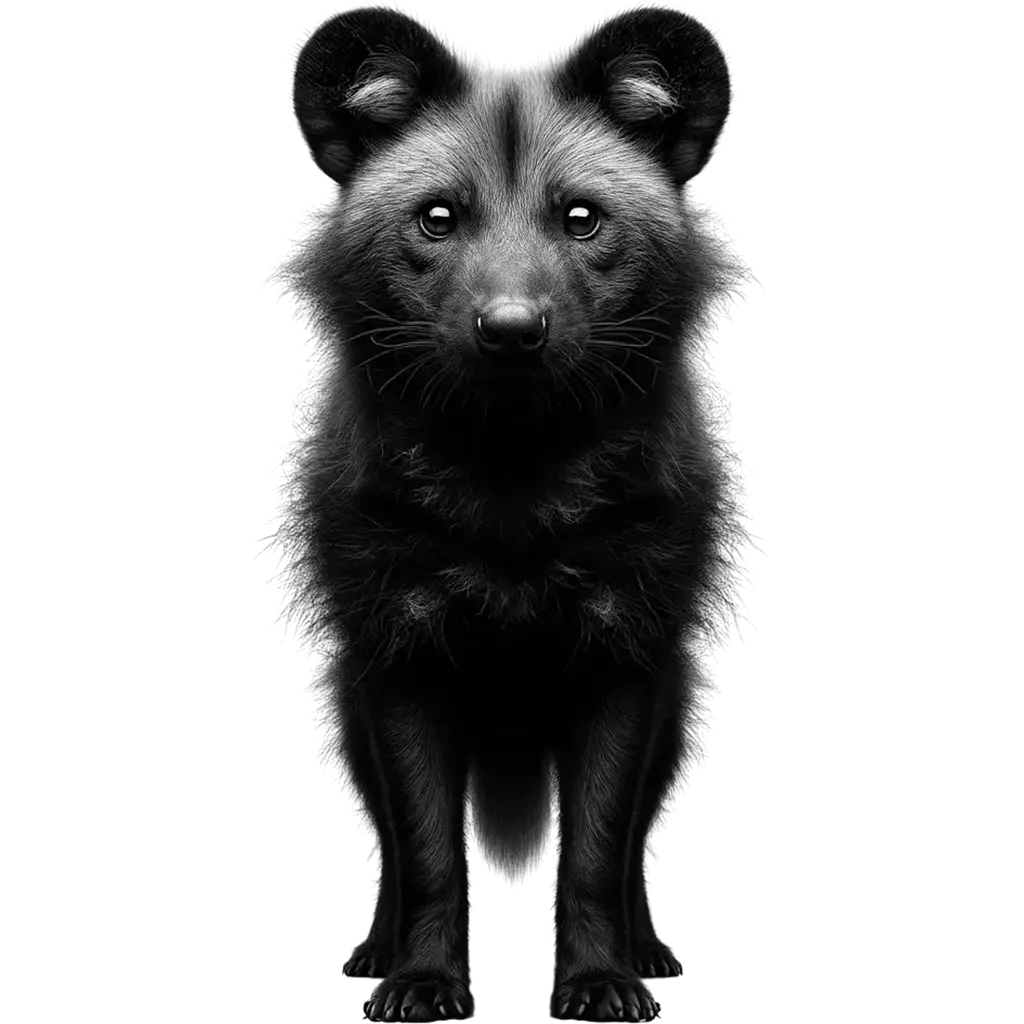
Speothos Venaticus
Bush Dog
Tropical forests, wetlands, and savannas
The Bush Dog, speothos venaticus, is a rare and elusive canid native to Central and South America's forests and wetlands. This small, otter-like dog stands around 30 cm tall at the shoulder and weighs between 5 to 7 kg. Its coat is dense and dark brown, effectively camouflaging it in the underbrush, while its webbed feet are well-adapted for swimming. The Bush Dog's short legs and elongated body contribute to its distinctive appearance, setting it apart from other canid species.
| Population: | Listed as Near Threatened due to habitat loss and fragmentation |
| Generation Length: | 4 years |
| Average Weight: | 5-8 kg |
| Average Length: | 57-75 cm in total length, including tail |
| Lifespan: | About 10 years in the wild |
| Diet: | Carnivorous, with a diet adapted to their forest and wetland habitats |
| Conservation Status: | Near Threatened (NT) |
Bush Dogs are social animals, living in packs of up to 10 individuals. These packs are tightly knit and operate with a high level of cooperation during hunting. They primarily prey on small to medium-sized mammals, including rodents, armadillos, and even larger prey such as agoutis and pacas. This pack behavior is essential for tackling prey that is challenging for a lone individual. Their communication involves a range of vocalizations and scent markings to maintain group cohesion and define territory.
The diet of the Bush Dog is carnivorous, focusing on small mammals found within its forested habitat. Their hunting strategy relies on cooperation, using their acute sense of smell to locate prey and their agility to navigate through dense undergrowth. The webbed feet of the Bush Dog not only aid in swimming but also in navigating the muddy and wet environments where their prey resides.
Reproduction in Bush Dogs involves a gestation period of approximately 67 days, after which the female gives birth to a litter of one to six pups. These family units are close-knit, with both parents and sometimes other pack members contributing to the rearing of the young. The secluded nature of their dens, often hidden in dense vegetation or underground, helps protect the young from predators.
The population of the Bush Dog is classified as Near Threatened, with habitat loss, fragmentation, and degradation posing significant threats to their survival. Additionally, their reliance on pristine environments makes them vulnerable to the impacts of climate change and deforestation. Conservation efforts are aimed at protecting their habitats, studying their ecology to better understand their needs, and mitigating human-wildlife conflict to ensure the future of this unique canid species.
Classifications
The Key Attributes
Features
- Movement:
Walking, running, swimming
- Territorial Behavior:
Social, living in packs
- Speed:
Capable of quick movements through dense underbrush
- Diet:
Carnivore
- Physical Features:
- Short, stout body with short legs
- Webbed feet for swimming
- Short tail
- Dark, reddish-brown fur with a lighter underside
- Primary Senses:
- Smell
- Hearing
- Sight
Understanding Habitat and Range
Geography
- Habitat:
Tropical forests, wetlands, and savannas
- Migration Patterns:
Non-migratory, with established home ranges
- Geographical Range:
Central and South America, from Panama to northern Argentina
- Climate Preferences:
Prefers wet, forested environments
Navigating the Wilderness
In the wild
- Predators:
Larger mammals and birds of prey
- Prey:
Small to medium-sized mammals, reptiles, birds, and fish
- Feeding Behavior:
Hunts in packs, primarily preying on rodents, reptiles, and amphibians
- Diet:
Carnivorous, with a diet adapted to their forest and wetland habitats
- Defensive Mechanisms:
- Pack cooperation for defense
- Swimming ability to escape predators or catch aquatic prey
- Preferred Food Sources:
- Areas with abundant prey, near water bodies for hunting and refuge
Insights Into Reproduction
Mating
- Mating System:
Monogamous within the pack structure
- Number of Offspring:
1-6 pups
- Gestation Period:
About 67 days
- Parental Involvement:
- Both parents, along with other pack members, care for the young
Youngsters Section
Bush Dog
Fun Fact
Bush dogs have webbed feet, which make them excellent swimmers. They thrive in wet environments.
These small, elusive canines live in Central and South America. Despite their size, they hunt in packs, often targeting larger prey like capybaras. Their unique vocalizations, including whines and barks, help them coordinate during hunts. Bush dogs are also known for their strong family bonds.

Download word search puzzles
Word Search Puzzles


Check Out Other Mammals
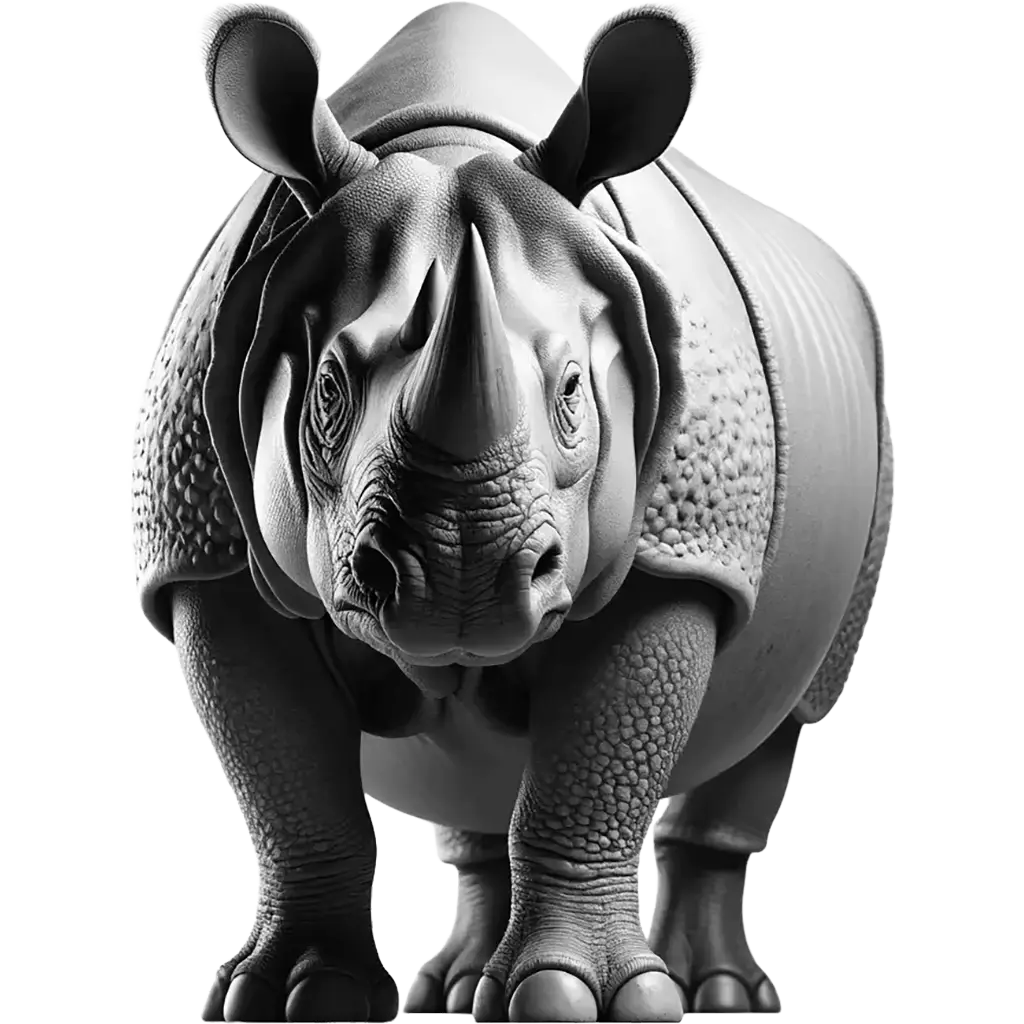
The Javan Rhinoceros, rhinoceros sondaicus, is one of the world's rarest large mammals, a relic of the past that now teeters on the brink of extinction. This solitary, elusive creature is characterized by its grey, armor-like skin and a single horn that grows up to about 25 cm in length,
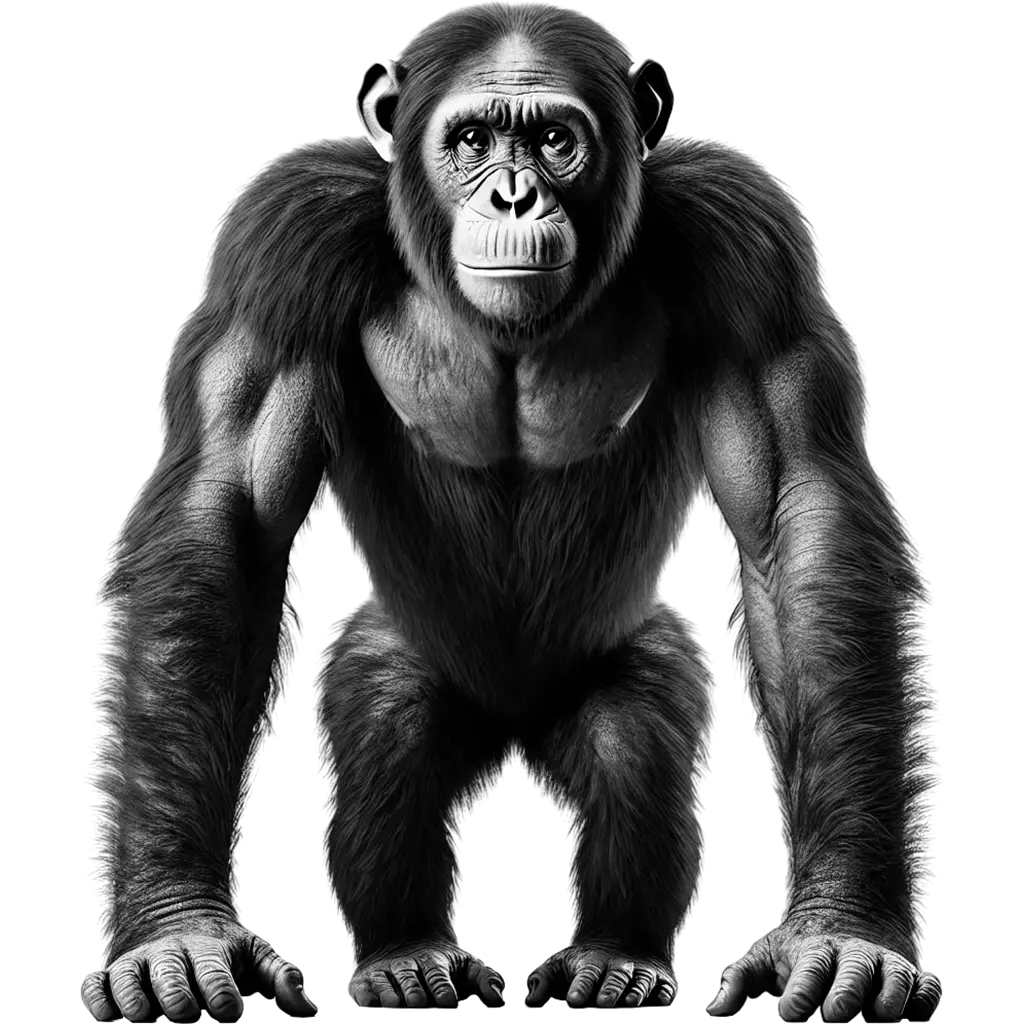
The Bonobo is a slender, graceful great ape with a fine, dark coat of hair that covers its lithe body, contrasting with a distinctly pinkish face and expressive, soft features. Its long arms and agile hands speak to its arboreal past, while its gentle eyes and unique facial expressions reflect

The Pomeranian, known for its fluffy coat and lively personality, is a small breed of dog that belongs to the Spitz family. Adults typically weigh between 1.4 to 3.2 kg (3 to 7 pounds) and stand about 20 cm (7.9 inches) tall at the shoulder, making them one of the
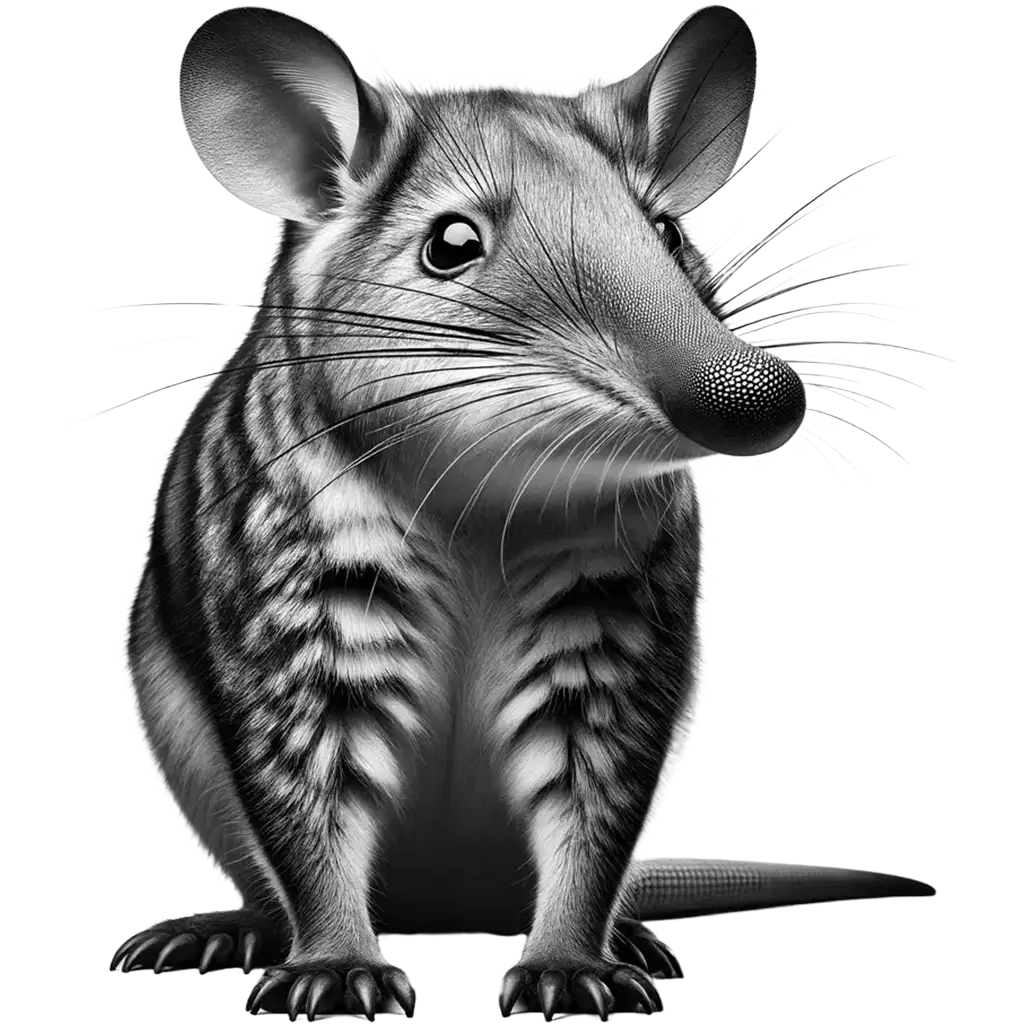
The Long-Nosed Bandicoot, perameles nasuta, is a small marsupial native to eastern Australia, distinguished by its elongated snout and hunched back. This nocturnal creature has coarse, grey-brown fur, with a lighter underside, and measures about 31 to 43 cm in length, including a thin, sparsely furred tail that adds another