
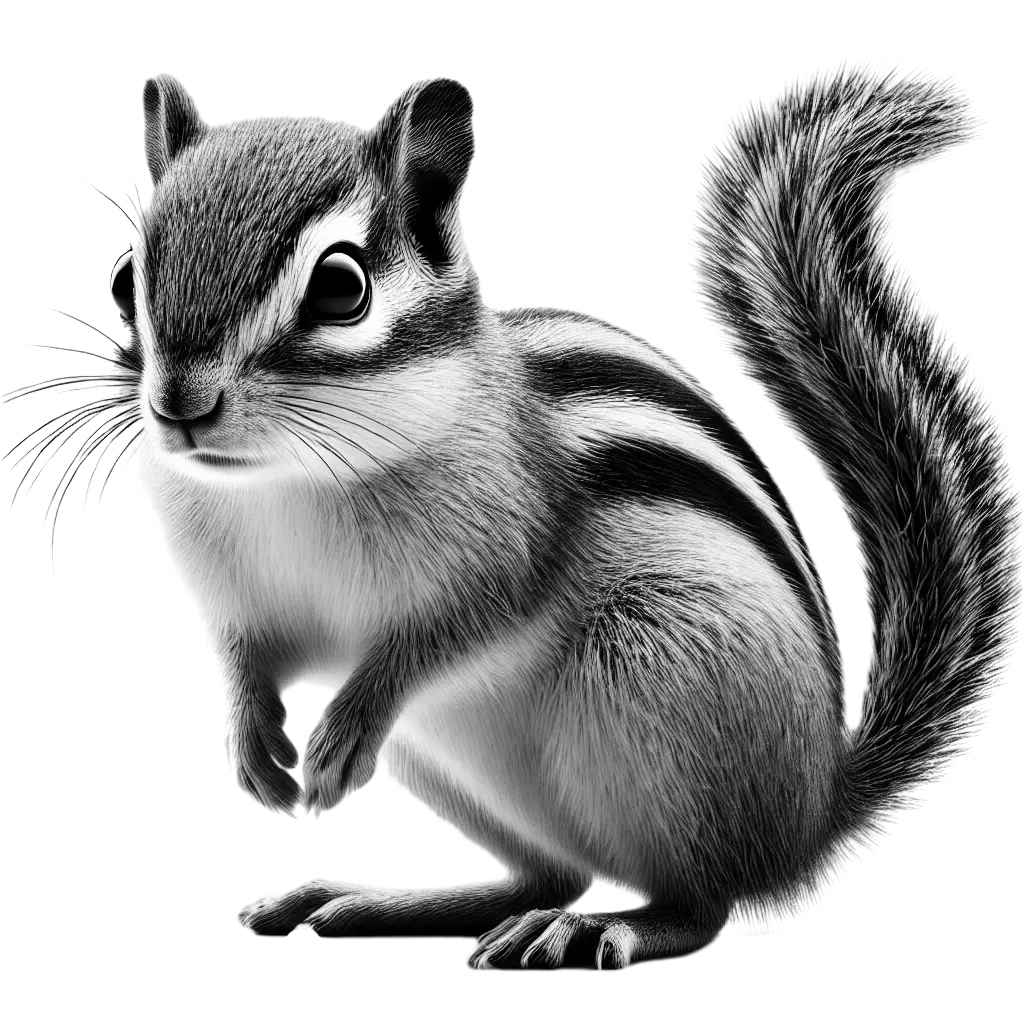
Neotamias Minimus
Least Chipmunk
Woodlands, open forests, and rocky areas across North America
The Least Chipmunk is a small, agile rodent with a delicate, slender body covered in reddish-brown fur, accented by white underparts and subtle dark stripes running along its back. It has small, alert eyes and tiny ears that peek out from its fuzzy head, while its bushy tail adds a touch of character to its overall charming appearance.
| Population: | Widespread in North America, with stable populations but local fluctuations due to predation and habitat changes |
| Generation Length: | Approximately 1 year |
| Average Weight: | Approximately 30-50 grams |
| Average Length: | Approximately 15-20 cm including tail |
| Lifespan: | Approximately 2-3 years in the wild; up to 5 years in captivity |
| Diet: | Omnivorous; plays an important role in seed dispersal and natural pest control |
| Conservation Status: | Least Concern (LC) |
Living across temperate woodlands and open forests in North America, the Least Chipmunk leads an energetic, diurnal life marked by constant foraging and quick, darting movements. They are adept burrowers, creating complex underground tunnels that serve as both homes and food storage sites. Highly vigilant, they rely on keen senses to detect predators and communicate with other chipmunks through subtle vocalizations and body language. Their daily routine involves scurrying along forest floors, climbing low branches, and frequently pausing to stash food, all while maintaining a careful balance between activity and rest in a habitat that demands both agility and alertness.
The Least Chipmunk is primarily omnivorous, with a diet that includes an assortment of seeds, nuts, fruits, and occasionally insects. It uses its sharp incisors to efficiently clip seeds and gather small berries, which provide essential carbohydrates and vitamins. Insects and other invertebrates add protein to its diet, supporting its high metabolism and active lifestyle. This varied nutritional intake is crucial for maintaining energy levels needed for foraging, burrowing, and evading predators. Additionally, chipmunks are known to hoard surplus food in their burrows, ensuring a reliable food supply during colder months when fresh resources are scarce, thereby playing an important role in the ecosystem through both seed dispersal and natural pest control.
During the breeding season, Least Chipmunks engage in brief courtship displays, with males competing for the attention of females through energetic chases and vocal calls. Once a pair forms, the female constructs a nest in a secure burrow, where she gives birth to a litter of 4-6 kits. These interactions are swift yet vital for ensuring genetic diversity within the population.
The Least Chipmunk is widely distributed across North America, with populations generally stable in undisturbed habitats. Although they face natural predation and occasional habitat disruptions from urban expansion, their adaptability and prolific breeding help maintain healthy numbers. Continuous monitoring and conservation efforts are essential to protect local populations, especially in areas where environmental changes threaten their natural woodland and forest floor environments.
Classifications
The Key Attributes
Features
- Movement:
Fast, agile, and adept at both burrowing and climbing, the Least Chipmunk darts quickly across forest floors and among low branches.
- Territorial Behavior:
Generally solitary outside of the breeding season, with individuals maintaining and defending small, overlapping home ranges.
- Speed:
Capable of rapid, erratic bursts when evading predators.
- Diet:
Omnivorous; feeds on a variety of seeds, nuts, fruits, and insects, storing surplus food in burrows for winter.
- Physical Features:
- Small, slender body with reddish-brown fur and white underparts
- Subtle dark stripes along the back
- Small, alert eyes and ears
- A bushy tail that adds to its charm
- Primary Senses:
- Sight
- Hearing
- Smell
Understanding Habitat and Range
Geography
- Habitat:
Woodlands, open forests, and rocky areas across North America
- Migration Patterns:
Non-migratory; local movements occur in response to seasonal food availability.
- Geographical Range:
Widespread throughout North America, from Canada to parts of the northern United States.
- Climate Preferences:
Temperate climates with cold winters and warm summers.
Navigating the Wilderness
In the wild
- Predators:
Birds of prey, snakes, and carnivorous mammals are common predators, particularly of juveniles.
- Prey:
Feeds primarily on seeds, nuts, fruits, and insects.
- Feeding Behavior:
Forages on the ground by scurrying between patches of vegetation and burrowing to access seeds and insects.
- Diet:
Omnivorous; plays an important role in seed dispersal and natural pest control
- Defensive Mechanisms:
- Rapid burrowing and erratic, zigzag running to escape predators
- Camouflage against the forest floor
- Preferred Food Sources:
- Various seeds, berries, and small invertebrates
Insights Into Reproduction
Mating
- Mating System:
Polygynous with males competing for access to females during the breeding season.
- Number of Offspring:
Typically 4-6 kits per litter.
- Incubation Period:
Gestation lasts about 30-35 days.
- Parental Involvement:
- Females provide full care for the young in underground burrows until independence.
Youngsters Section
Least Chipmunk
Fun Fact
Least Chipmunks are renowned for their rapid, acrobatic movements and impressive food-stashing habits.
Their ability to create intricate burrow systems and hoard food ensures survival during harsh winters, making them a fascinating example of nature's adaptability and resilience in temperate ecosystems.

Download word search puzzles
Word Search Puzzles


Check Out Other Mammals

The Eurasian Beaver, castor fiber, is a large, primarily nocturnal, semi-aquatic mammal native to Europe and parts of Asia. This species is one of the two extant beaver species, alongside the North American beaver (Castor canadensis). Eurasian Beavers typically weigh between 11 to 30 kilograms (24 to 66 pounds), with

The Colombian White-Faced Capuchin, cebus capucinus, is a highly intelligent and adaptable New World monkey, recognized for its distinctive white face and dark body. Adults can weigh between 2.5 to 4 kilograms, with a body length ranging from 33 to 45 centimeters, not including their prehensile tail which is used
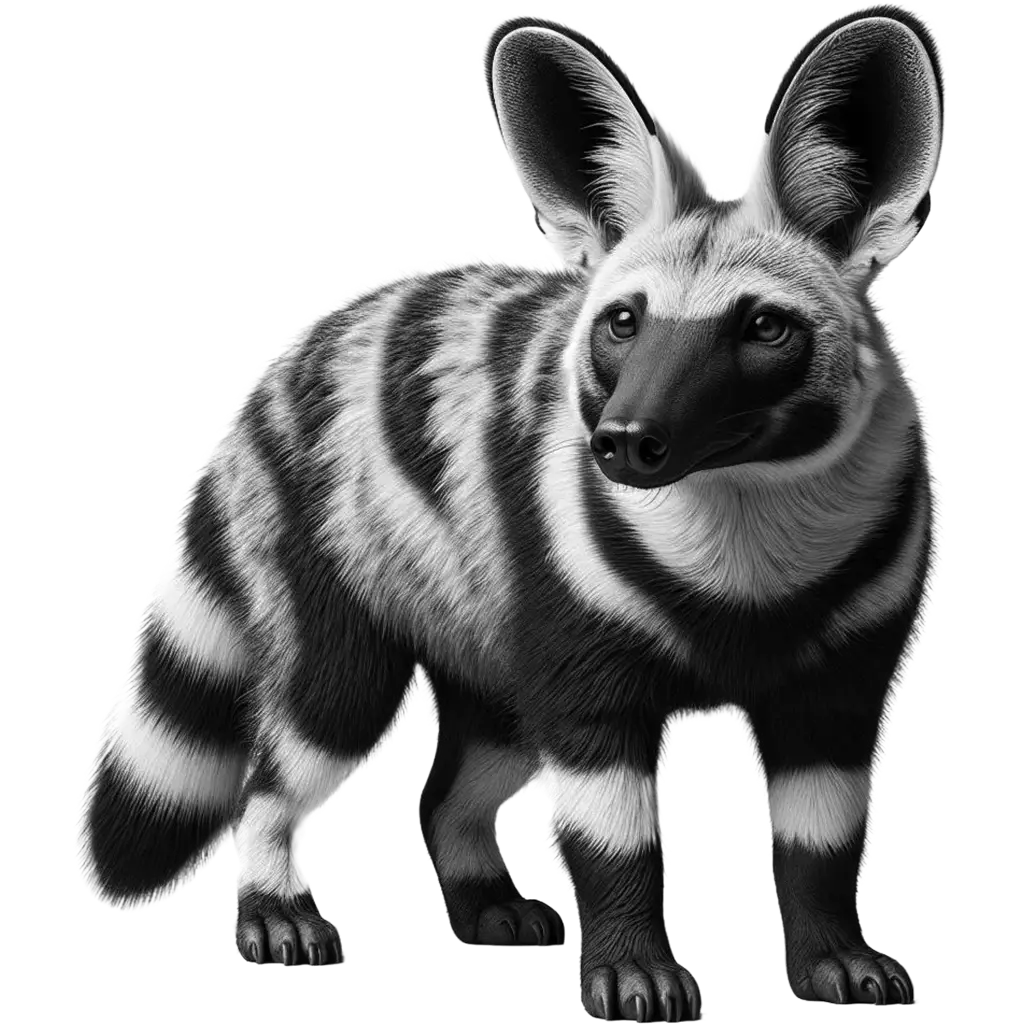
The Aardwolf, proteles cristatus, is a small, insectivorous mammal, distinct from its larger carnivorous relatives in the Hyaenidae family, such as hyenas. With a shoulder height of about 40 to 50 cm and weighing between 8 to 14 kg, the Aardwolf possesses a slender frame, covered in a coarse yellow-brown

The African Forest Elephant, loxodonta cyclotis, is the smaller of the two African elephant species, distinguished by its more rounded ears and straighter tusks, which are thinner and downward pointing compared to those of its savannah cousin. Adults typically stand 2.5 meters tall at the shoulder, making them smaller than