
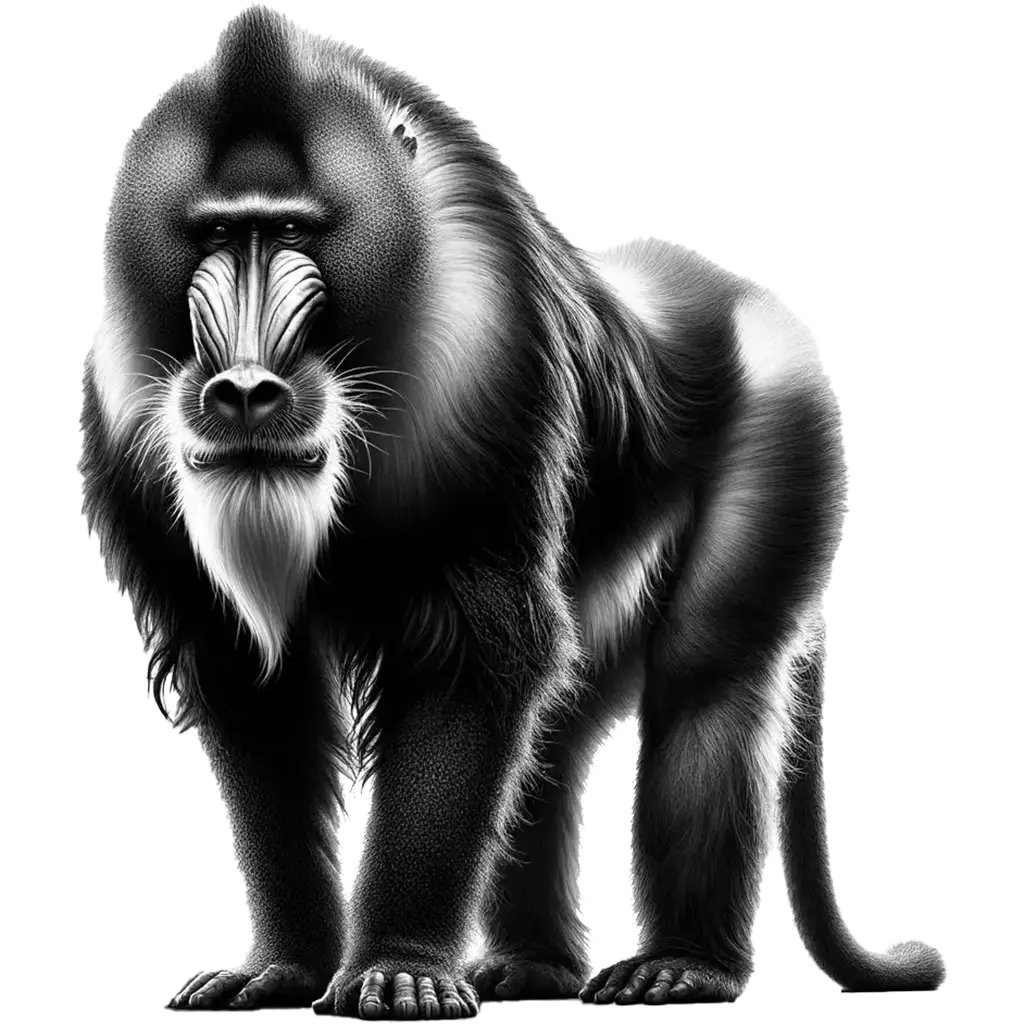
Mandrillus Sphinx
Mandrill
Tropical rainforests
The Mandrill, Mandrillus sphinx, is a large and colorful primate, recognized as one of the most striking of all monkeys. Adult males are particularly notable for their vibrant blue and red facial coloration and a yellow beard, standing out against their primarily olive green or dark grey fur. They boast an impressive size, with males significantly larger than females, weighing up to 35 kg (77 lbs) and measuring about 81 cm (32 inches) in length, not including their short tails. The females are less colorful and smaller, weighing up to 15 kg (33 lbs). Mandrills have strong, muscular bodies, adapted for both terrestrial and arboreal life in the rainforests of Central Africa.
| Population: | Listed as Vulnerable due to habitat loss and hunting |
| Generation Length: | 7-8 years |
| Average Weight: | Males: 19-37 kg, Females: 10-15 kg |
| Average Length: | Males: 75-95 cm, Females: 55-66 cm |
| Lifespan: | 20-30 years in the wild, longer in captivity |
| Diet: | Primarily frugivorous, supplemented with animal protein |
| Conservation Status: | Vulnerable (VU) |
Mandrills are highly social animals, forming large groups known as hordes, which can number in the hundreds, making them the largest social units of any primate species except humans. Within these groups, Mandrills exhibit complex social structures and behaviors, including grooming and play, which reinforce social bonds and hierarchies. They are primarily diurnal, spending their days foraging on the forest floor and resting in trees at night.
Their diet is omnivorous, consisting mainly of fruits, seeds, and vegetation, supplemented by invertebrates, small vertebrates, and eggs. This varied diet allows Mandrills to play a crucial role in their ecosystem as seed dispersers, contributing to the health and diversity of their rainforest habitats.
Reproduction in Mandrills is influenced by the dominance hierarchy, with the most colorful and dominant males having access to breeding females. Females give birth to a single offspring after a gestation period of about six months. Infant Mandrills are cared for primarily by their mothers but may also receive attention from other females in the group.
The population of the Mandrill is currently classified as Vulnerable by the IUCN, facing threats from habitat destruction and hunting for bushmeat. Their survival is dependent on the conservation of their rainforest habitat and the implementation of measures to reduce hunting pressures. Conservation efforts focus on protected area management, law enforcement to combat poaching, and community engagement in conservation strategies.
Classifications
The Key Attributes
Features
- Movement:
Walking, climbing
- Territorial Behavior:
Social, living in large groups
- Speed:
Not specifically quantified; known for strong, agile movements
- Diet:
Omnivore
- Physical Features:
- Stocky body with strong limbs
- Distinctive colorful face and rump; males have more vibrant colors than females
- Long canines in males
- Short tail and mane-like hair along the cheeks and above the head in males
- Primary Senses:
- Sight
- Hearing
- Smell
Understanding Habitat and Range
Geography
- Habitat:
Tropical rainforests
- Migration Patterns:
Non-migratory, but will roam within large home ranges
- Geographical Range:
Found in the rainforests of equatorial Africa, primarily in Gabon, Congo, and Cameroon
- Climate Preferences:
Prefers dense, wet tropical forest environments
Navigating the Wilderness
In the wild
- Predators:
Leopards and humans are the main predators
- Prey:
Insects, small vertebrates, and various plant materials
- Feeding Behavior:
Feeds on a variety of foods, including fruits, nuts, seeds, roots, and small animals
- Diet:
Primarily frugivorous, supplemented with animal protein
- Defensive Mechanisms:
- Formidable canines used for defense
- Living in large groups to deter predators
- Colorful facial patterns for social communication and intimidation
- Preferred Food Sources:
- Diverse, depending on the seasonal availability of fruits, nuts, and prey
Insights Into Reproduction
Mating
- Mating System:
Polygynous
- Number of Offspring:
Usually one infant
- Gestation Period:
About 6 months
- Parental Involvement:
- Females primarily care for the offspring, with some assistance from other group members
Youngsters Section
Mandrill
Fun Fact
Mandrills are known for their vibrant facial colors and are the largest monkey species.
Their colorful faces become even more intense when excited, making them unique among primates. Mandrills use their bright coloration to communicate with others, especially for social mating signals. They are native to the rainforests of Central Africa and spend most of their time on the ground foraging for fruits, seeds, and insects.

Download word search puzzles
Word Search Puzzles


Check Out Other Mammals
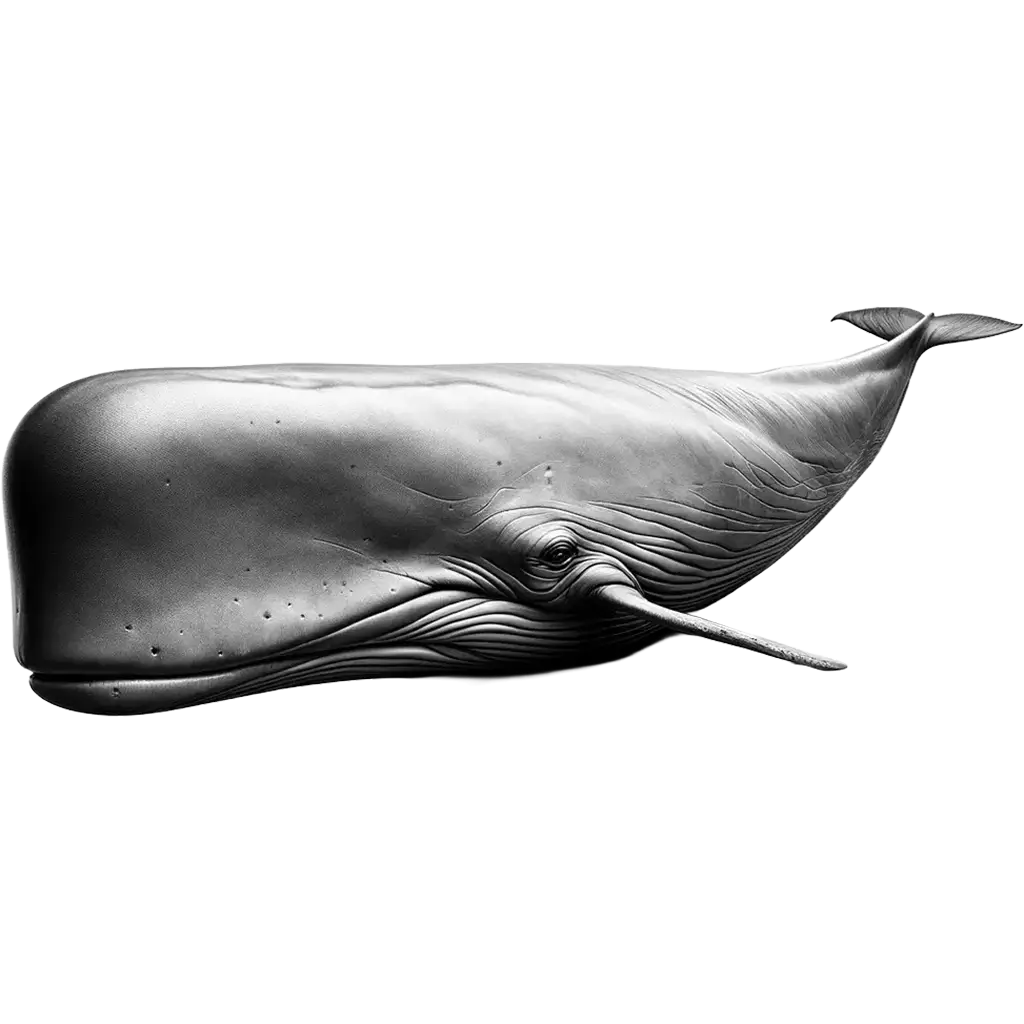
The Sperm Whale, physeter macrocephalus, holds the title of the largest toothed predator and the deepest diving mammal, renowned for its remarkable adaptations to life in the deep ocean. Adult males can reach lengths of up to 20 meters and weigh over 50 tons, making them significantly larger than females.
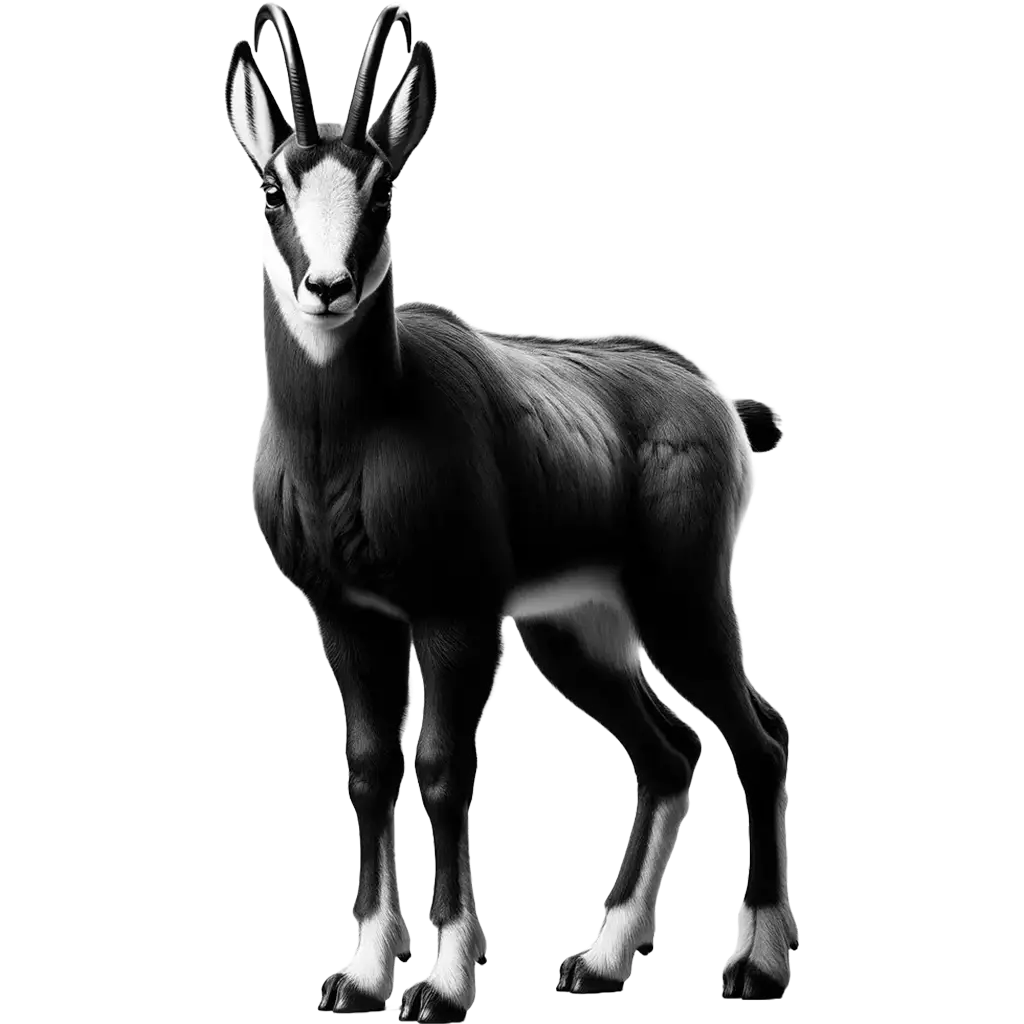
The Chamois, rupicapra rupicapra, is a nimble and hardy mountain-dwelling ungulate found across the rugged terrains of Europe's mountain ranges, including the Alps, Carpathians, Tatra, and Balkans. This species is renowned for its agility and ability to navigate steep, rocky slopes with ease. Adult Chamois have a distinctive appearance with
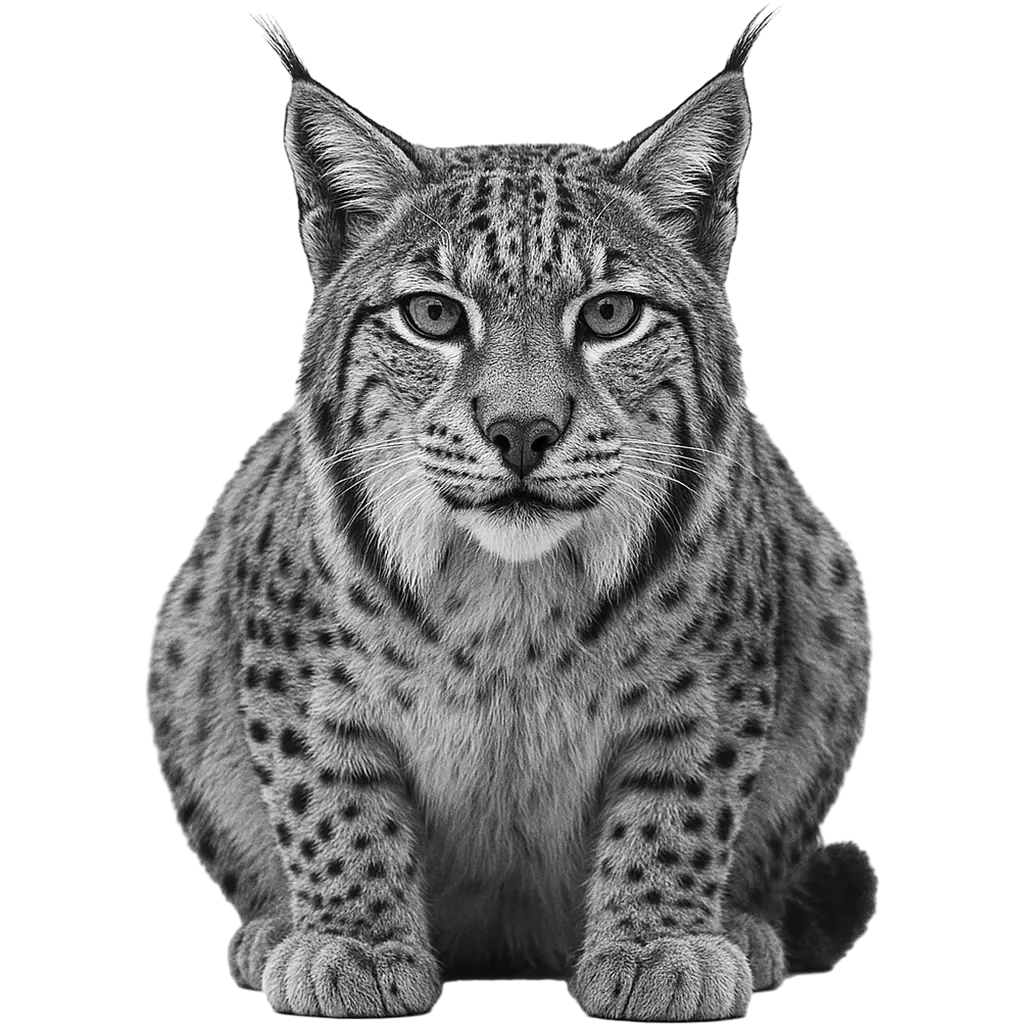
The Iberian Lynx is a medium-sized wildcat standing roughly 60 centimeters at the shoulder and measuring between 85 and 110 centimeters in body length, excluding a short 12 to 30 centimeter tail. Its dense, spotted tawny coat provides effective camouflage in scrubland, with larger spots on the back and smaller
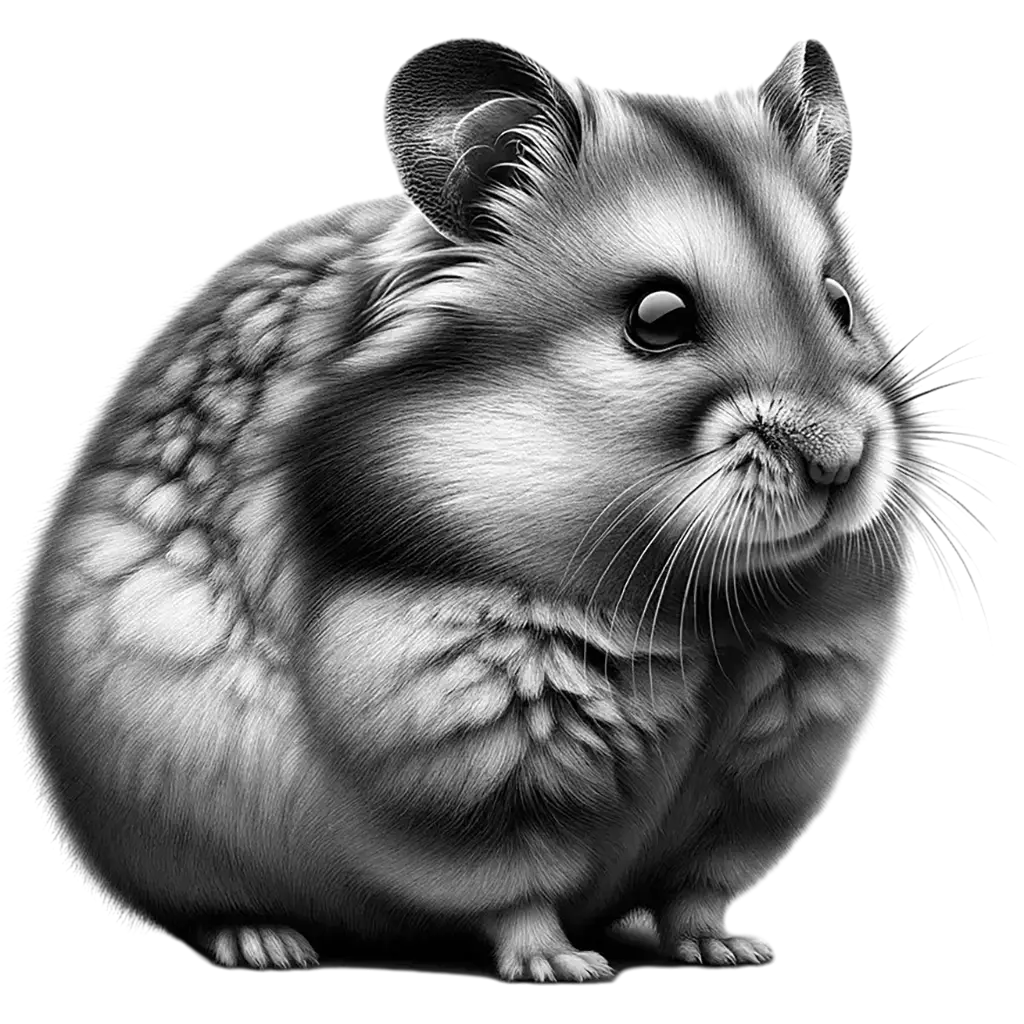
The European Hamster, cricetus cricetus, also known as the Common Hamster, is a large rodent native to a broad swath of Europe and Western Asia. This species is notably larger than the pet hamsters commonly found in households, with adults reaching lengths of up to 34 cm and weighing between