
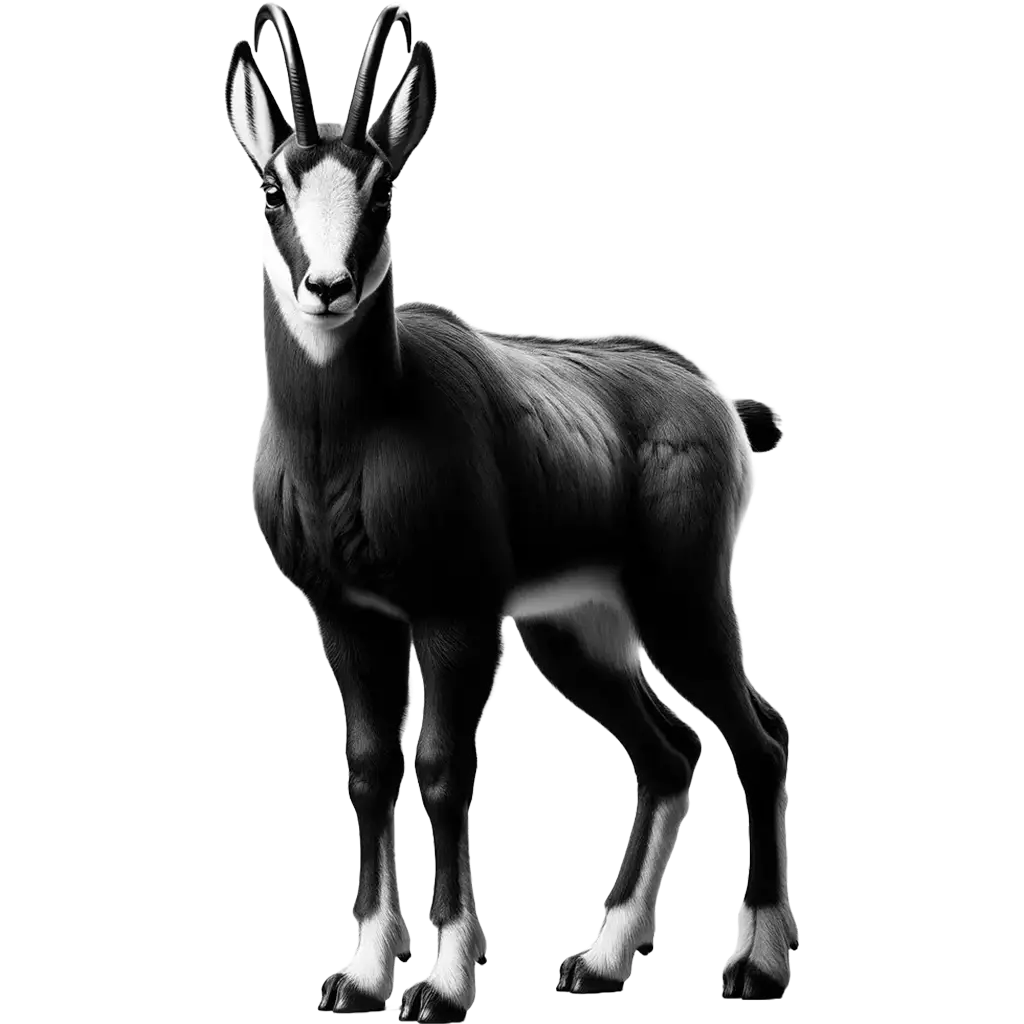
Rupicapra Rupicapra
Chamois
Mountainous regions, including rocky terrain, grasslands, and wooded areas
The Chamois, rupicapra rupicapra, is a nimble and hardy mountain-dwelling ungulate found across the rugged terrains of Europe's mountain ranges, including the Alps, Carpathians, Tatra, and Balkans. This species is renowned for its agility and ability to navigate steep, rocky slopes with ease. Adult Chamois have a distinctive appearance with a short, thick coat that changes color seasonally from a light brown or tan in summer to a dark brown or black in winter. They possess slender, black horns that curve backwards in both males and females, which can grow up to 20 centimeters in length. Typically, an adult Chamois weighs between 25 to 60 kilograms and measures up to 75 centimeters at the shoulder.
| Population: | Stable, with certain populations under protection |
| Generation Length: | 5-6 years |
| Average Weight: | 25-50 kg |
| Average Length: | 110-130 cm (total length), 70-80 cm at the shoulder |
| Lifespan: | 15-20 years in the wild |
| Diet: | Grasses, herbs, leaves, and shoots |
| Conservation Status: | Least Concern (LC) |
Chamois are well-adapted to life at high altitudes, residing in alpine meadows, rocky regions, and subalpine forests. They are diurnal, spending the daylight hours grazing on a variety of grasses, herbs, and shrubs. Their diet changes with the seasons, depending on the availability of food sources in their harsh mountainous environment. The Chamois's split hooves and rough pads provide the traction needed to traverse the steep, often slippery terrain they call home.
The diet of the Chamois is herbivorous, consisting mainly of grasses, herbs, leaves, and buds. This varied diet helps them to meet their nutritional needs throughout the year, even in the sparse and snow-covered winter months. Chamois have a complex stomach, similar to that of cows, which allows them to efficiently digest tough plant materials.
Reproduction in Chamois is characterized by a rutting season that occurs in late fall. During this time, males engage in fierce battles for the right to mate with females. After a gestation period of about 170 days, females usually give birth to a single kid in late spring. The young are precocial, able to follow their mothers over challenging terrain within a few days of birth.
The Chamois is considered to be of least concern by the IUCN, with stable populations throughout much of its range. However, they face threats from habitat loss, hunting, and disturbance by human activities such as skiing and hiking. Conservation efforts for the Chamois include habitat protection, regulated hunting to ensure sustainable populations, and research to monitor their health and numbers. The Chamois remains a symbol of the wilderness and natural beauty of Europe's mountainous regions.
Classifications
The Key Attributes
Features
- Movement:
Quadrupedal, agile climbers
- Territorial Behavior:
Social, living in herds outside of mating season
- Speed:
Very agile and capable of quick movements on rocky terrain
- Diet:
Herbivore
- Physical Features:
- Short horns curved backwards
- Thick brown fur that lightens in summer
- Powerful, muscular legs
- Primary Senses:
- Sight
- Hearing
- Smell
Understanding Habitat and Range
Geography
- Habitat:
Mountainous regions, including rocky terrain, grasslands, and wooded areas
- Migration Patterns:
Seasonal altitudinal migrations, moving to higher elevations in summer and lower in winter
- Geographical Range:
The Alps, Carpathians, Tatra Mountains, and other mountain ranges across Europe and into Western Asia
- Climate Preferences:
Varied; adapted to cold mountain climates but can tolerate a range of temperatures
Navigating the Wilderness
In the wild
- Predators:
Wolves, bears, lynx, and eagles
- Prey:
N/A
- Feeding Behavior:
Grazes on a variety of vegetation, including grasses, herbs, and young shoots
- Diet:
Grasses, herbs, leaves, and shoots
- Defensive Mechanisms:
- Agility in escaping predators
- Herding behavior for vigilance
- Preferred Food Sources:
- Alpine meadows in summer
- Lower elevation forests and grasslands in winter
Insights Into Reproduction
Mating
- Mating System:
Polygynous
- Number of Offspring:
Usually 1 kid
- Gestation Period:
170-180 days
- Parental Involvement:
- Mother cares for the kid; young are weaned at around 6 months
Youngsters Section
Chamois
Fun Fact
Chamois are agile mountain goats found in Europe, known for their incredible climbing abilities.
They can jump nearly 2 meters vertically and leap 6 meters horizontally. Their hooves have a hard outer rim and a soft inner pad, providing excellent grip on rocky surfaces. These adaptations help them evade predators and navigate steep terrains.

Download word search puzzles
Word Search Puzzles


Check Out Other Mammals

The Mandrill, Mandrillus sphinx, is a large and colorful primate, recognized as one of the most striking of all monkeys. Adult males are particularly notable for their vibrant blue and red facial coloration and a yellow beard, standing out against their primarily olive green or dark grey fur. They boast
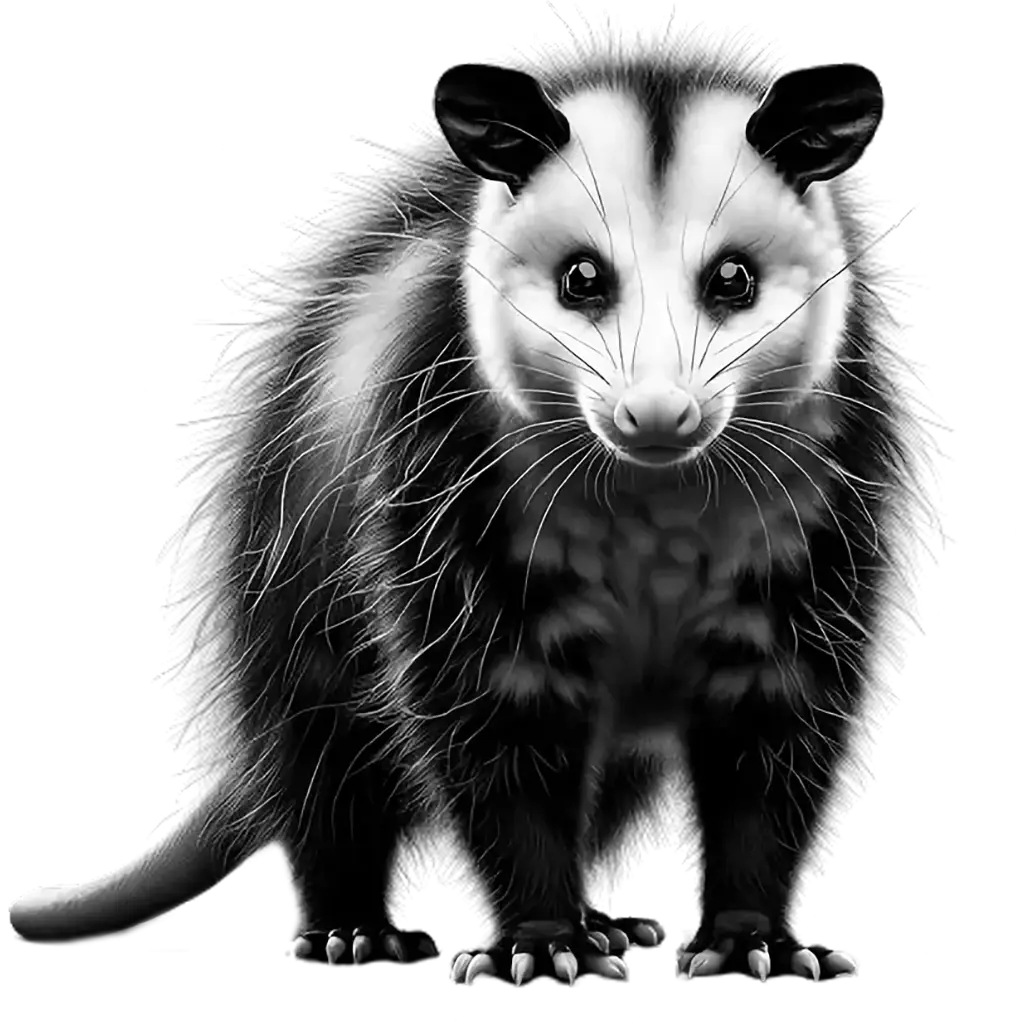
The Virginia Opossum, didelphis virginiana, is North America's only marsupial, recognized for its distinctive appearance and adaptability to diverse environments. Adults typically measure 65 to 94 cm in length, including their prehensile tail, which accounts for almost half their body length and is used for grasping and balance. Their coat

The Western Tree Hyrax, dendrohyrax dorsalis, is a lesser-known mammal native to the forests of Western and Central Africa. This creature is characterized by its thick, coarse fur, which ranges in color from dark brown to gray, and a distinctive dorsal spot that is lighter in color. Adult tree hyraxes
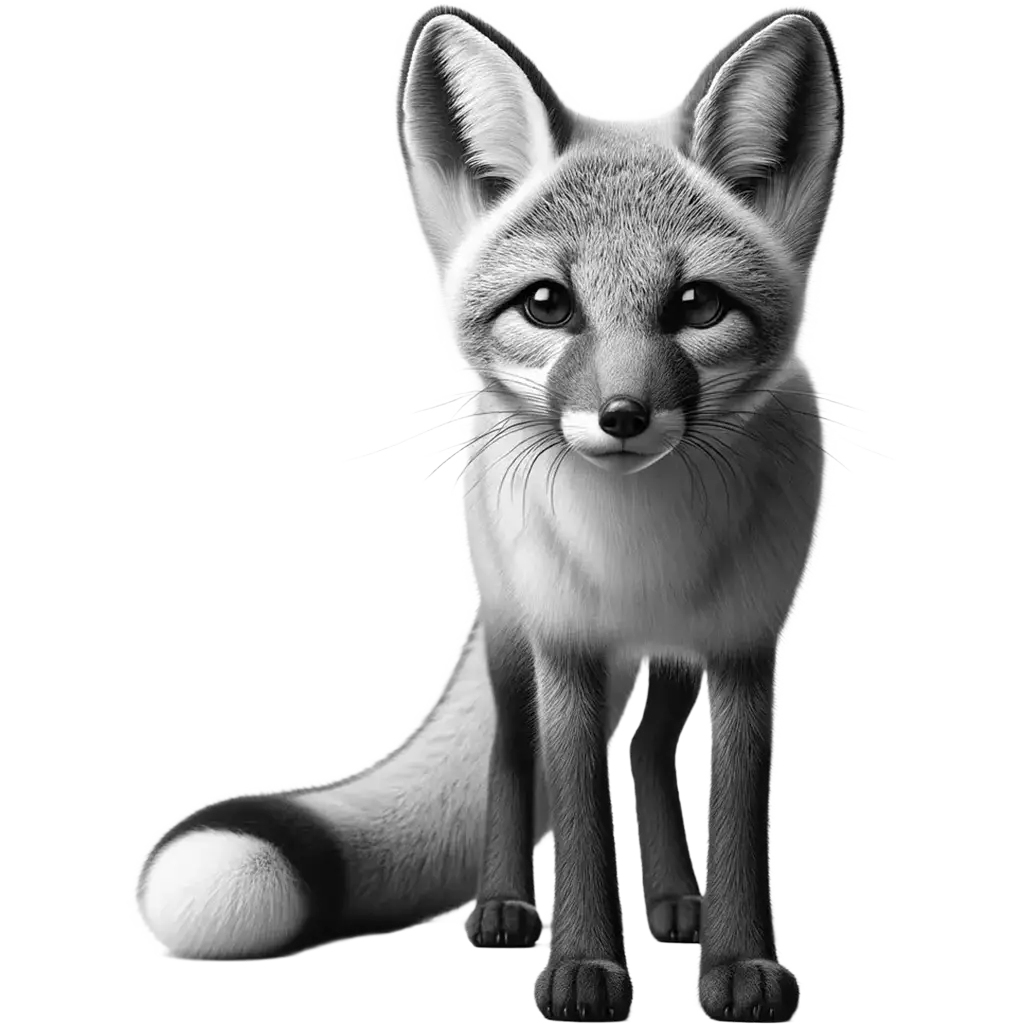
The Kit Fox, vulpes macrotis, is a small North American fox known for its slender build, large ears, and a bushy tail with a black tip. These adaptations not only contribute to its distinctive appearance but also play crucial roles in its survival within arid and semi-arid environments, including deserts,