
Dremomys Pyrrhomerus
Red-Hipped Squirrel
Dense montane and lowland forests in Southeast Asia
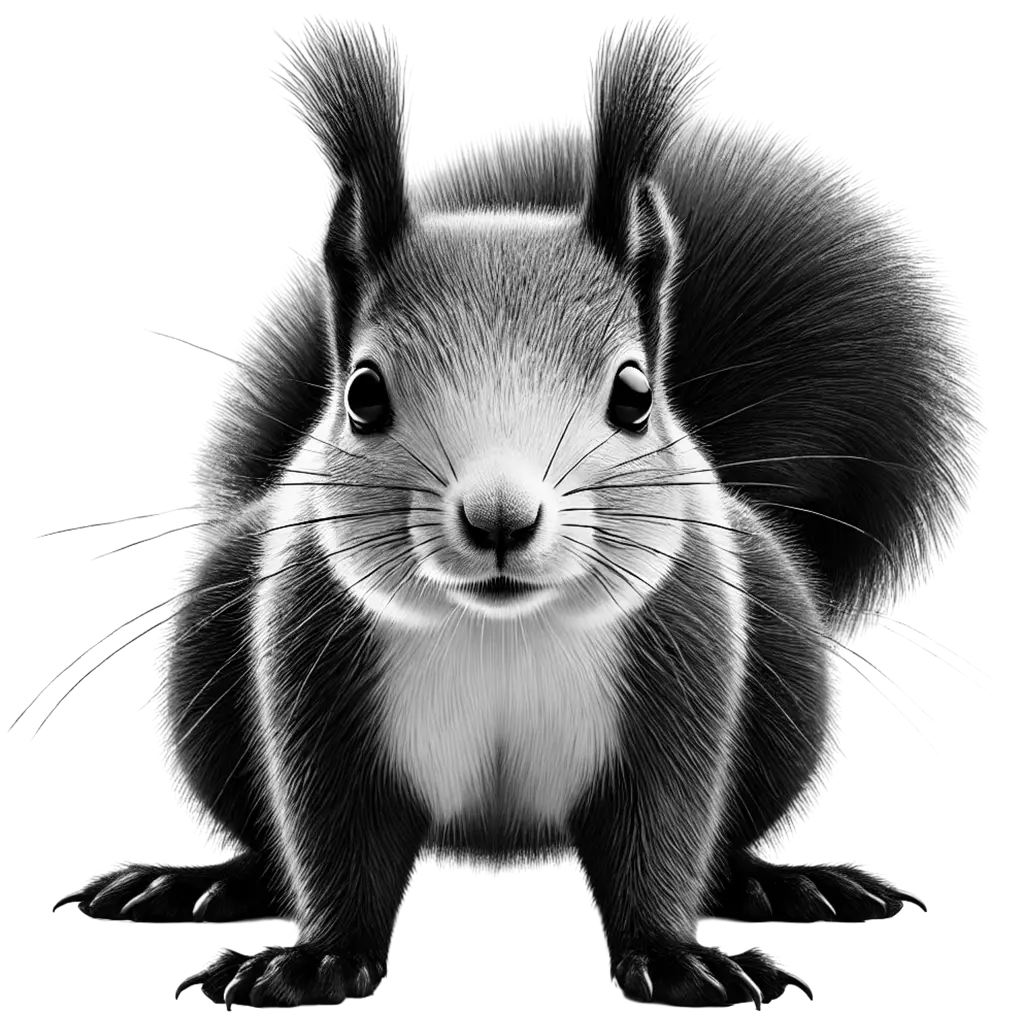
The red-hipped squirrel is a medium-sized, agile rodent distinguished by its soft, dense fur in shades of gray and brown, accented with bright red patches on its hips. Its bushy tail, slender limbs, and sharp, alert eyes contribute to its graceful appearance. The vivid red markings serve as a unique identifier, setting it apart from other squirrels in its habitat.
| Population: | Although data are limited, these squirrels appear to be stable in areas with intact forest cover |
| Generation Length: | 2 years |
| Average Weight: | Approximately 200-250 grams |
| Average Length: | Approximately 20-25 cm total length |
| Lifespan: | Approximately 5-8 years in the wild; up to 10 years in captivity |
| Diet: | Omnivorous |
| Conservation Status: | Least Concern (LC) |
Active during the day, this squirrel is highly arboreal and spends most of its time navigating the complex canopy of Southeast Asian forests. It is known for its swift, nimble movements as it leaps from branch to branch, carefully foraging for food. Its daily routine includes vigilant exploration of its territory, with occasional vocalizations used for communication. The species is solitary by nature, yet it maintains overlapping home ranges with subtle scent markings that help delineate its space in the dense forest environment.
The red-hipped squirrel maintains a varied omnivorous diet that is crucial for its survival and the ecological health of its habitat. It consumes a wide range of nuts, seeds, fruits, and berries, which provide essential carbohydrates, proteins, and fats. Additionally, it supplements its diet with insects during periods of fruit scarcity, ensuring a balanced nutritional intake. This diverse feeding strategy not only supports its energetic needs but also contributes to seed dispersal and the regeneration of forest flora, thus playing an integral role in its ecosystem.
During the breeding season, red-hipped squirrels engage in brief courtship rituals characterized by chattering calls and agile displays among the treetops. Males compete subtly for the attention of females, and once paired, the female conceives and rears a small litter in a secure nest. These encounters, though fleeting, are critical for ensuring genetic diversity and the ongoing propagation of the species.
Populations of the red-hipped squirrel are generally stable within undisturbed forest areas, although localized declines have been observed in regions affected by deforestation and habitat loss. Conservation efforts focusing on habitat preservation and sustainable forest management are essential to maintain these populations. Ongoing research and monitoring help ensure that these distinctive squirrels continue to thrive amid environmental changes.
Classifications
The Key Attributes
Features
- Movement:
Highly agile and adept at climbing, the red-hipped squirrel moves swiftly along branches and leaps gracefully between trees.
- Territorial Behavior:
Generally solitary; individuals maintain and defend small home ranges within dense forest canopies using scent marking.
- Speed:
Capable of rapid, sudden bursts when escaping predators or foraging.
- Diet:
Omnivorous, primarily feeding on nuts, seeds, fruits, and occasionally insects; its varied diet supports both its energetic needs and seed dispersal in the forest.
- Physical Features:
- Medium-sized body with soft, dense fur in shades of gray and brown
- Distinctive bright red patches on the hips that contrast with its overall muted coloration
- Bushy tail and sharp, alert eyes
- Slender limbs adapted for agile climbing
- Primary Senses:
- Sight
- Hearing
- Smell
Understanding Habitat and Range
Geography
- Habitat:
Dense montane and lowland forests in Southeast Asia
- Migration Patterns:
Non-migratory; individuals remain within established territories year-round.
- Geographical Range:
Restricted to parts of Southeast Asia, including regions of Indonesia, Malaysia, and surrounding areas.
- Climate Preferences:
Tropical climates with high humidity and moderate temperatures, supporting lush forest environments.
Navigating the Wilderness
In the wild
- Predators:
Birds of prey, arboreal snakes, and small carnivorous mammals may target juveniles or smaller individuals.
- Prey:
Nuts, seeds, fruits, and occasional insects form the bulk of its diet.
- Feeding Behavior:
Forages both in the tree canopy and on the forest floor; uses keen vision and quick reflexes to locate and capture food.
- Diet:
Omnivorous
- Defensive Mechanisms:
- Quick, evasive movements and agile climbing to escape predators
- Effective camouflage among the dappled light of the forest canopy
- Preferred Food Sources:
- A variety of forest fruits, seeds, and nuts
Insights Into Reproduction
Mating
- Mating System:
Solitary outside the breeding season; individuals engage in brief courtship encounters.
- Number of Offspring:
Typically 2-4 young per litter
- Incubation Period:
Gestation lasts approximately 30-35 days with rapid postnatal development.
- Parental Involvement:
- Females nurture and protect their young in well-concealed nests until they become independent.
Youngsters Section
Red-Hipped Squirrel
Fun Fact
The red-hipped squirrel's vibrant hip markings make it one of the most visually distinctive tree squirrels in Southeast Asia.
Its agility and rapid, acrobatic movements through dense canopies not only captivate wildlife enthusiasts but also play a vital role in dispersing seeds, thereby supporting forest regeneration.
Download word search puzzles
Word Search Puzzles

Check Out Other Mammals
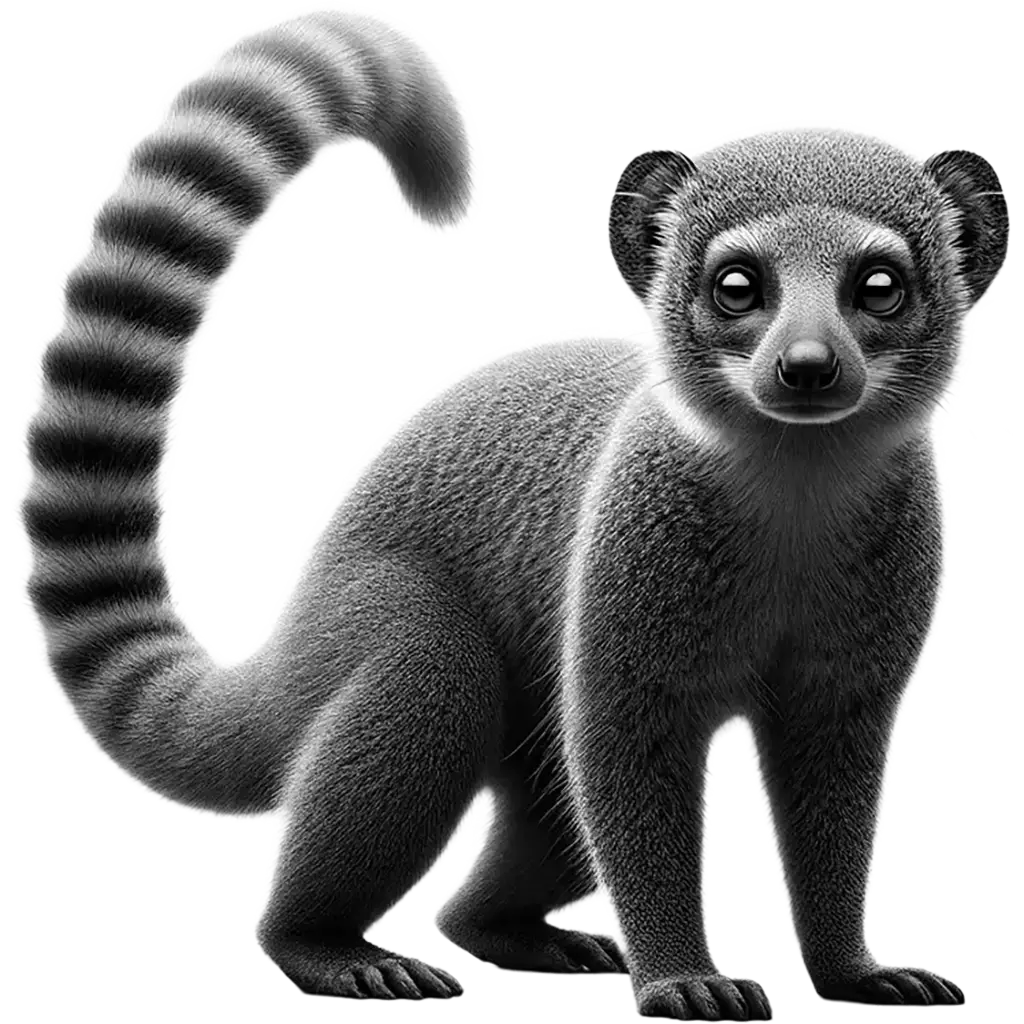
The Mongoose Lemur, eulemur mongoz, is a small to medium-sized primate endemic to Madagascar and the Comoros Islands, notable for its distinctive appearance and social behavior. Males and females exhibit sexual dimorphism in their fur coloration: males have grey-brown fur with a reddish crown, while females are predominantly grey with

The Italian Greyhound, a slender and elegant toy breed, epitomizes grace and refinement. Known for their sleek, fine-boned structure, they possess a short and glossy coat that comes in a variety of colors, including gray, slate gray, red, fawn, blue, and black. Adults stand about 33 to 38 cm tall

The Chihuahua is a small dog breed with a big personality, known for its compact size and confident demeanor. Originating from Mexico, this breed is named after the Mexican state of Chihuahua. Adult Chihuahuas typically weigh between 2 to 6 pounds and stand about 6 to 9 inches tall at

The Bengal Tiger, panthera tigris, stands as a majestic symbol of the wilderness, embodying strength, agility, and grace. This subspecies is distinguished by its vibrant orange coat adorned with dark stripes, a characteristic that provides camouflage in the dense forests and grasslands of its habitat. Adult Bengal Tigers are formidable