
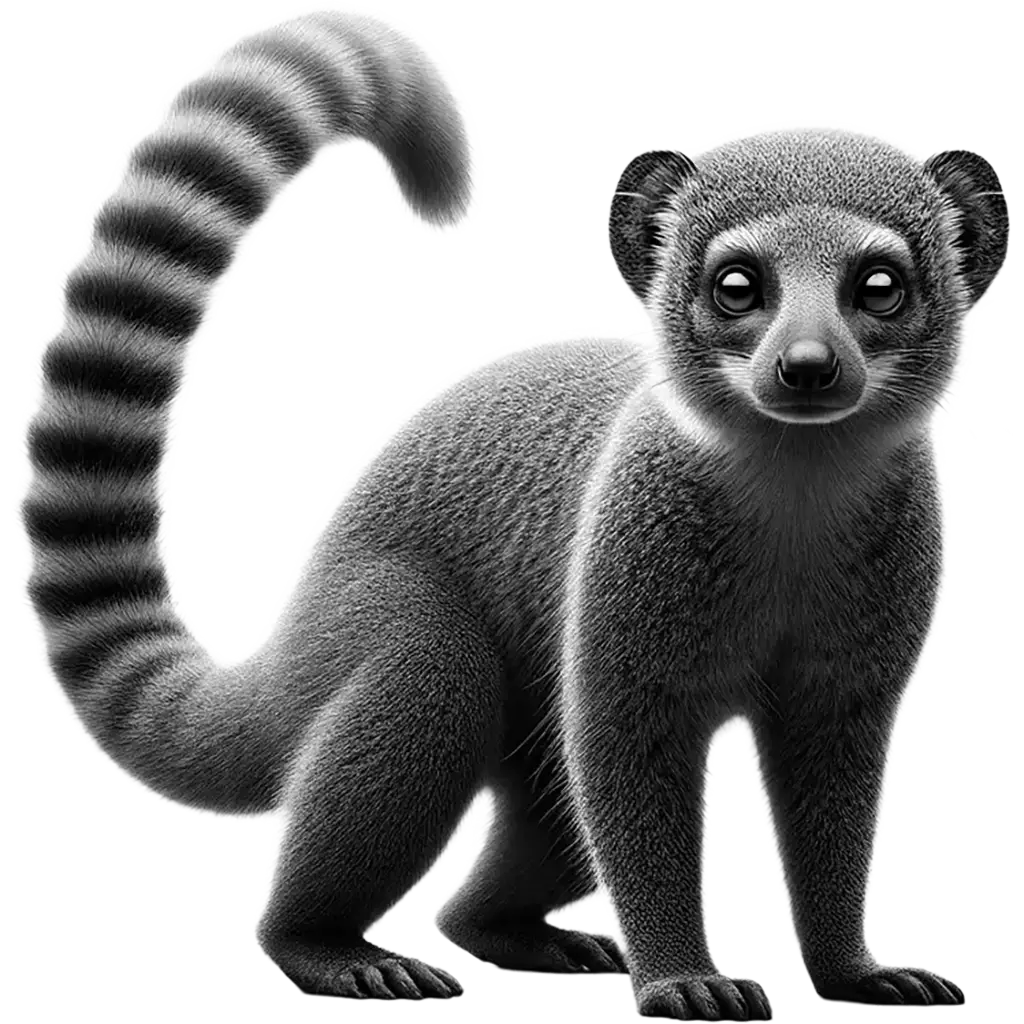
Eulemur Mongoz
Mongoose Lemur
Dry deciduous forests and spiny forests
The Mongoose Lemur, eulemur mongoz, is a small to medium-sized primate endemic to Madagascar and the Comoros Islands, notable for its distinctive appearance and social behavior. Males and females exhibit sexual dimorphism in their fur coloration: males have grey-brown fur with a reddish crown, while females are predominantly grey with a white crown. Both sexes have large, expressive eyes that facilitate their nocturnal lifestyle, a bushy tail approximately as long as their body, and a body length ranging from 30 to 45 cm. Weighing between 1.1 to 1.6 kg, Mongoose Lemurs are adept climbers and spend a significant amount of time in trees.
| Population: | Listed as Critically Endangered due to habitat loss, hunting, and pet trade |
| Generation Length: | 5-6 years |
| Average Weight: | 1.2-1.6 kg |
| Average Length: | Head and body: 30-35 cm, Tail: 40-50 cm |
| Lifespan: | Up to 20 years in the wild |
| Diet: | Primarily frugivorous with some insects and small animals |
| Conservation Status: | Critically Endangered (CR) |
Mongoose Lemurs inhabit a variety of forest types, including dry deciduous and secondary forests. They are highly adaptable, capable of thriving in degraded habitats as well as more pristine environments. These lemurs are diurnal and crepuscular, active during the day and at dusk, which is somewhat unusual among lemurs. Socially, they form small, matriarchal groups consisting of a mating pair and their offspring, demonstrating strong familial bonds and cooperative behaviors.
The diet of the Mongoose Lemur is diverse, consisting of fruits, flowers, leaves, and occasionally nectar, making them important pollinators for certain plant species. This varied diet allows them to play a crucial role in their ecosystem, contributing to seed dispersal and the maintenance of forest health.
Reproduction in Mongoose Lemurs follows a seasonal pattern, with mating occurring at the start of the rainy season. Females give birth to one or two offspring after a gestation period of approximately 120 to 128 days, typically during the wet season when food resources are more abundant. This timing ensures that the young have access to sufficient nutrition during their early development stages.
The population of the Mongoose Lemur is classified as Critically Endangered by the IUCN, with habitat destruction due to slash-and-burn agriculture, logging, and human settlement expansion being the primary threats to their survival. Additionally, they face pressures from hunting and the pet trade. Conservation efforts are urgently needed to protect their natural habitats and implement sustainable land management practices. These efforts include establishing protected areas, reforestation projects, and community-based conservation programs to ensure the survival of the Mongoose Lemur and the preservation of Madagascar's unique biodiversity.
Classifications
The Key Attributes
Features
- Movement:
Climbing, leaping
- Territorial Behavior:
Social, living in small groups usually consisting of a monogamous pair and their offspring
- Speed:
Agile in tree canopies, capable of quick movements to escape predators
- Diet:
Omnivore
- Physical Features:
- Small size with a rounded head and large eyes
- Gray to brown fur with a reddish-brown back
- Long, bushy tail used for balance
- Sexual dimorphism with males having a darker face and beard
- Primary Senses:
- Sight
- Smell
- Hearing
Understanding Habitat and Range
Geography
- Habitat:
Dry deciduous forests and spiny forests
- Migration Patterns:
Non-migratory, but may exhibit local movements in search of food
- Geographical Range:
Northwest Madagascar and the Comoros Islands
- Climate Preferences:
Prefers dry, woodland environments
Navigating the Wilderness
In the wild
- Predators:
Birds of prey, snakes, and fossas
- Prey:
Fruits, nectar, leaves, insects, and small animals
- Feeding Behavior:
Feeds on fruits, flowers, leaves, and occasionally insects and small vertebrates
- Diet:
Primarily frugivorous with some insects and small animals
- Defensive Mechanisms:
- Living in dense foliage to avoid detection
- Quick movements in the trees to escape predators
- Preferred Food Sources:
- Forests with abundant fruit trees and other vegetation
Insights Into Reproduction
Mating
- Mating System:
Monogamous
- Number of Offspring:
Usually one, occasionally two offspring
- Gestation Period:
About 120-125 days
- Parental Involvement:
- Both parents care for the offspring, with males often involved in carrying the young
Youngsters Section
Mongoose Lemur
Fun Fact
The mongoose lemur is a small primate native to Madagascar and the Comoros Islands.
They exhibit unique social behavior, as they are one of the few lemur species where males and females are similarly sized. Mongoose lemurs have a varied diet, feeding on fruits, flowers, and leaves. They are known for their agility, using their strong limbs and tails to navigate through trees efficiently. Their populations are declining due to habitat loss and hunting, making them a conservation concern.

Download word search puzzles
Word Search Puzzles


Check Out Other Mammals
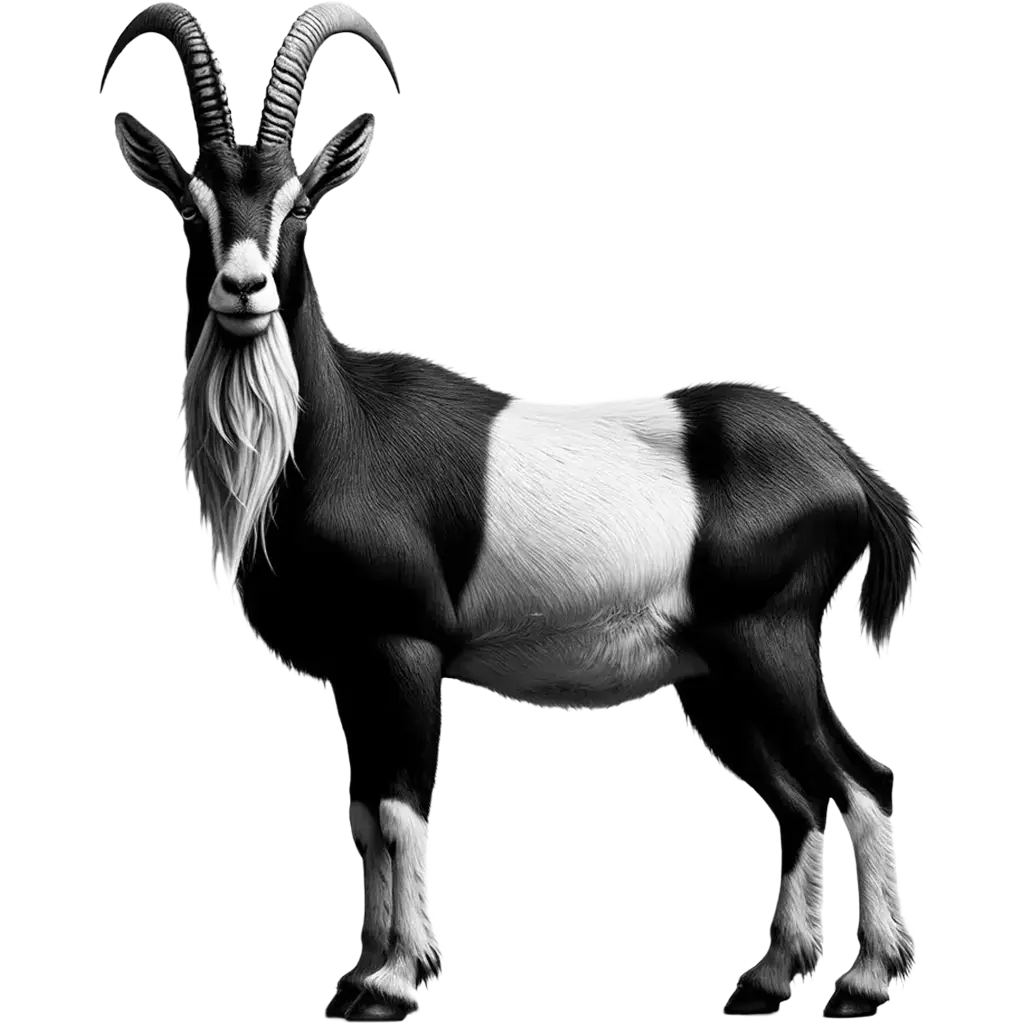
The Wild Goat, capra aegagrus, is the ancestral species from which domestic goats (Capra aegagrus hircus) are derived. It exhibits a robust and agile physique, with adults typically measuring 120 to 150 cm in length and standing 70 to 90 cm tall at the shoulder. Males are larger and more
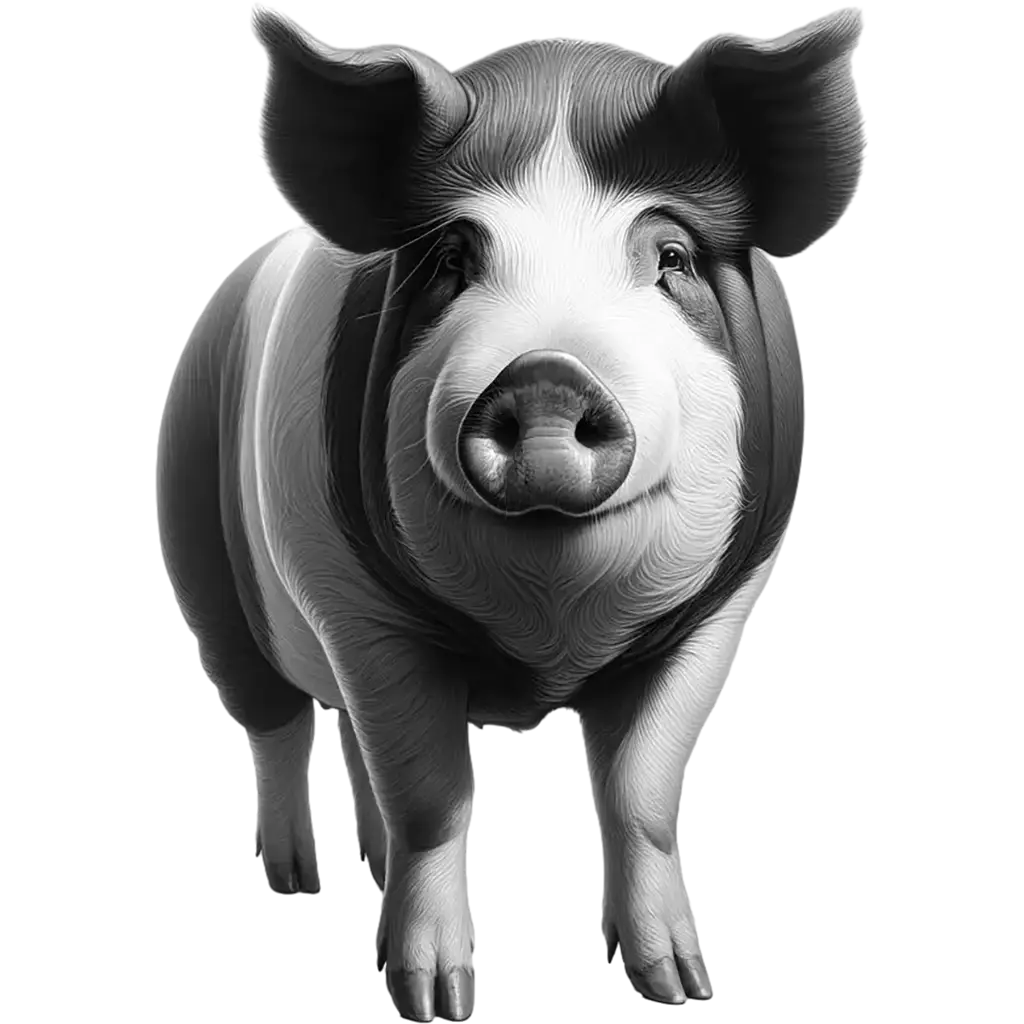
The Domestic Pig, sus domesticus, is a subspecies of the wild boar and a prominent figure in agricultural and culinary contexts worldwide. Adult pigs vary widely in size and weight, typically ranging from 50 to 350 kg, depending on the breed and conditions in which they are raised. Their bodies
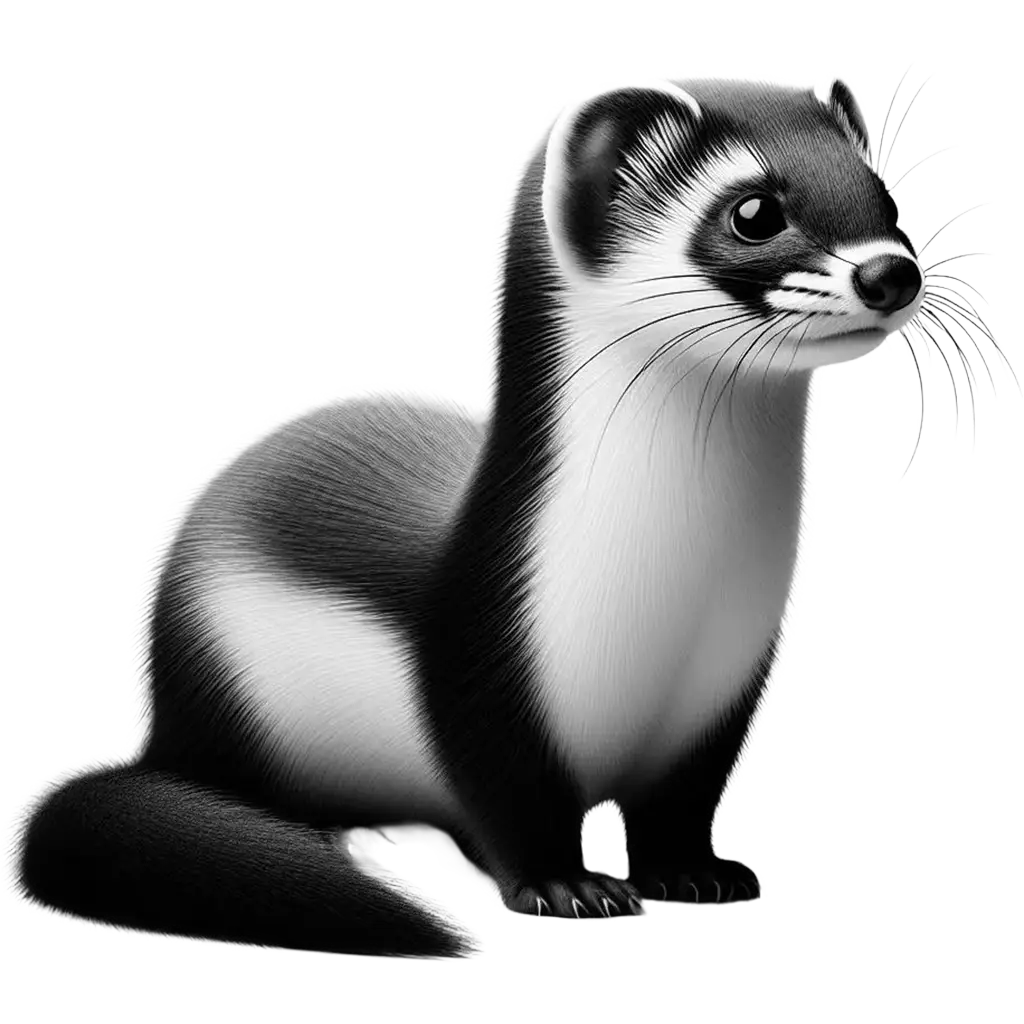
The Least Weasel, mustela nivalis, holds the distinction of being the smallest member of the Mustelidae family, which includes otters, badgers, and wolverines. Adults are remarkably diminutive, measuring only 11 to 26 cm in length, with a short tail of 1.2 to 3.4 cm, and weighing between 35 to 250
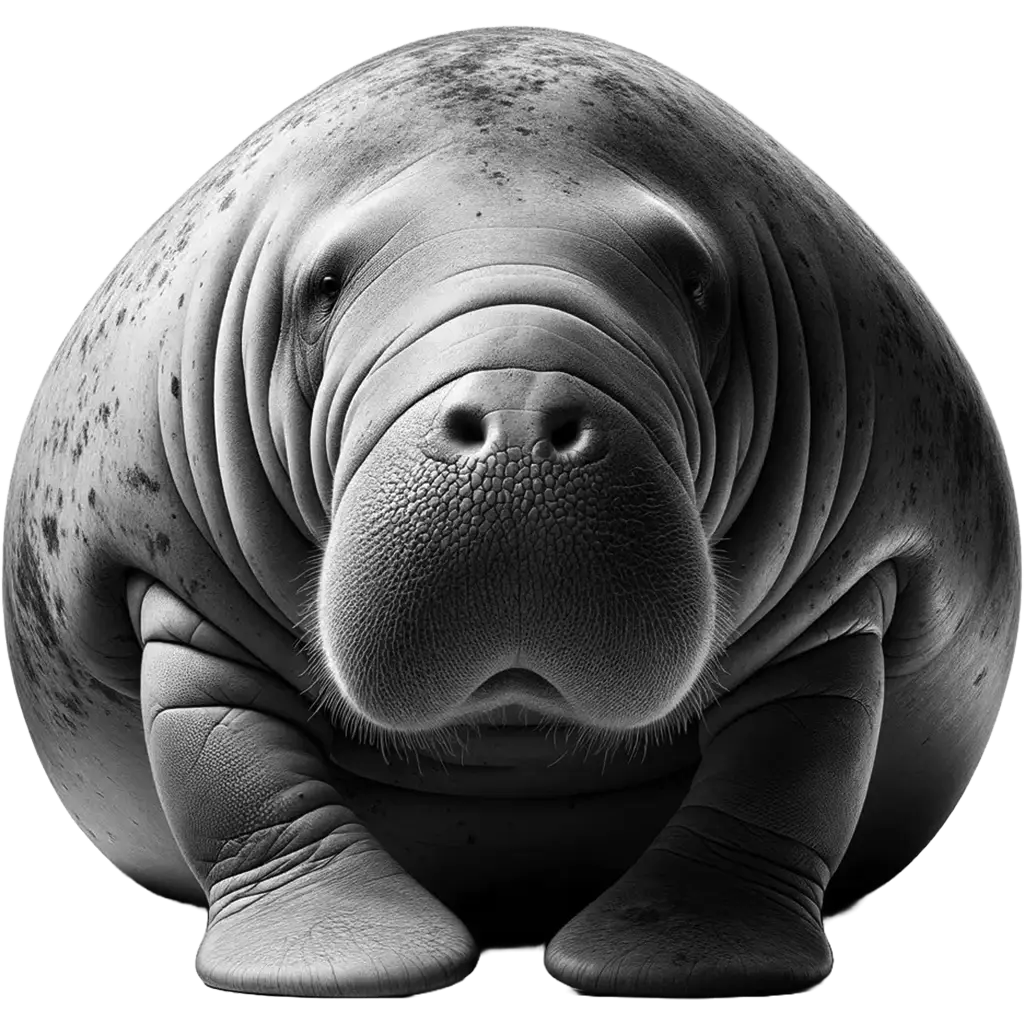
The African Manatee, trichechus senegalensis, is a gentle aquatic mammal found in the waterways of West Africa, from Senegal to Angola. This species, one of the least studied of all manatees, has a robust, streamlined body that can reach lengths of up to 4.5 meters and weigh as much as