
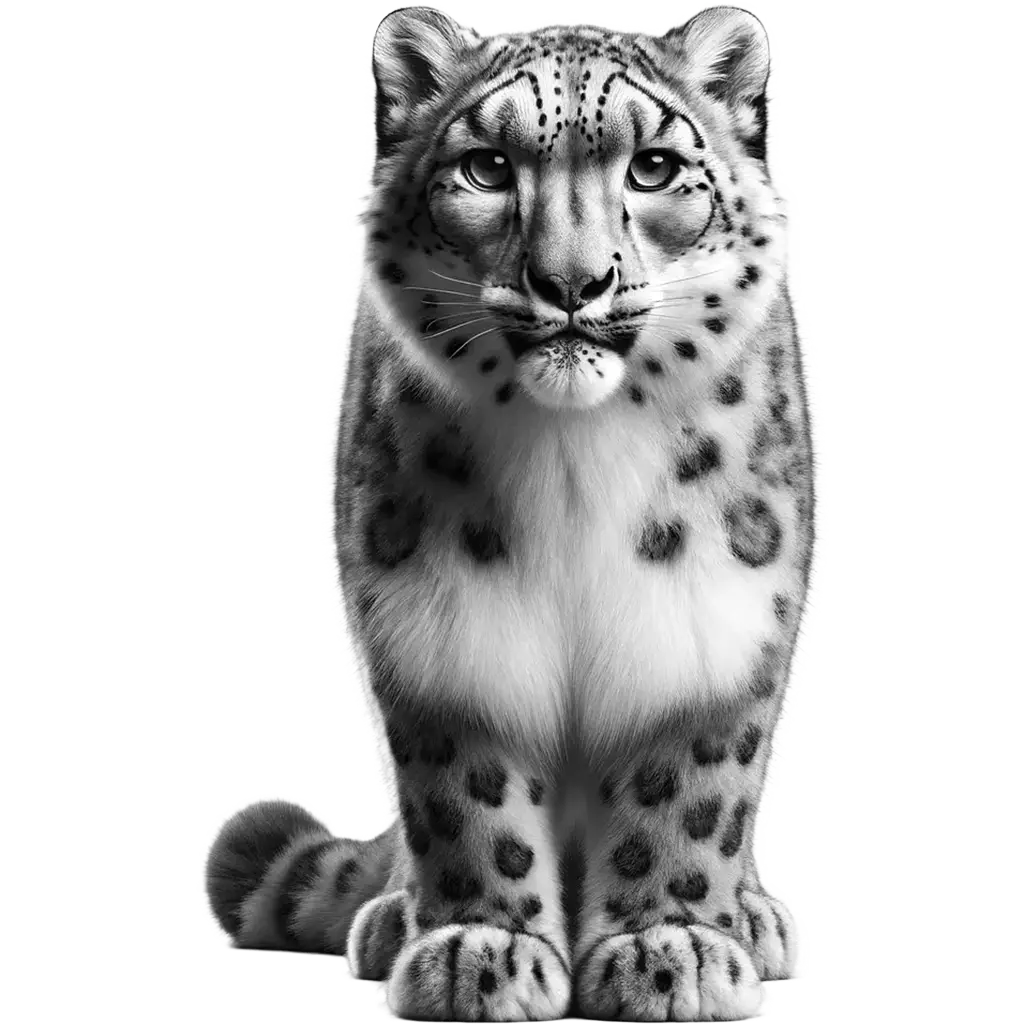
Panthera Uncia
Snow Leopard
Mountainous regions, alpine and subalpine zones
The Snow Leopard, panthera uncia, is a majestic and elusive big cat native to the mountain ranges of Central and South Asia. Renowned for its beautiful fur, the Snow Leopard has a thick, smoky-gray coat with black rosettes and spots, providing perfect camouflage in its snowy and rocky habitat. Adults can weigh between 27 to 55 kg, though some males may reach up to 75 kg, measuring about 90 to 130 cm in body length with a tail that can add another 80 to 100 cm. Their large paws act like natural snowshoes, helping to distribute their weight on snow and their long tail aids in balance and is also used to wrap around their body for warmth.
| Population: | Listed as Vulnerable, with decreasing populations |
| Generation Length: | 8 years |
| Average Weight: | 22-55 kg |
| Average Length: | 90-130 cm body length, with a tail of 80-100 cm |
| Lifespan: | 15-18 years in the wild |
| Diet: | Primarily preys on medium to large-sized herbivores |
| Conservation Status: | Vulnerable (VU) |
Snow Leopards are adapted to the cold, mountainous environments of the Himalayas, Altai, and other mountain ranges, where they reside at elevations from 3,000 to 4,500 meters. These solitary animals have a wide range but are sparsely populated across their habitat, preferring steep, rugged terrains with clear ledges for stalking prey. Their reclusive nature and the inaccessibility of their habitat have earned them the nickname 'ghost of the mountains.'
The diet of the Snow Leopard primarily consists of wild sheep and goats, with blue sheep (bharal) and ibex being their main food sources. However, they are opportunistic hunters, capable of killing prey three times their own weight, and can also eat smaller animals like rodents, birds, and even vegetation when necessary. Their hunting strategy involves stalking their prey closely before launching a sudden attack, usually at dawn or dusk.
Reproduction in Snow Leopards is seasonal, with mating occurring from January to mid-March. After a gestation period of 90 to 100 days, females give birth to a litter of 1 to 5 cubs in a secluded den. The cubs are born blind and helpless, depending entirely on their mother for food and protection during their first few months of life.
The Snow Leopard is classified as Vulnerable, with an estimated population of fewer than 10,000 mature individuals remaining in the wild. Threats to their survival include poaching for their fur and bones, retaliation killings by herders, habitat loss, and declining prey populations. Conservation efforts are focused on protecting their habitat, implementing anti-poaching measures, and promoting coexistence between Snow Leopards and local communities.
Classifications
The Key Attributes
Features
- Movement:
Walking, climbing, jumping
- Territorial Behavior:
Solitary and highly territorial
- Speed:
Capable of quick, agile movements and strong jumping abilities
- Diet:
Carnivore
- Physical Features:
- Thick fur with smoky-gray background and black rosettes
- Powerful limbs and a long tail for balance
- Broad paws act as natural snowshoes
- Large nasal passages for warming cold air
- Primary Senses:
- Sight
- Hearing
- Smell
Understanding Habitat and Range
Geography
- Habitat:
Mountainous regions, alpine and subalpine zones
- Migration Patterns:
Non-migratory, but ranges widely within its territory
- Geographical Range:
Central and South Asia, including the Himalayas, Tibetan Plateau, and surrounding mountain ranges
- Climate Preferences:
Cold mountainous environments
Navigating the Wilderness
In the wild
- Predators:
Few natural predators due to its size and remote habitat
- Prey:
Mainly ungulates like blue sheep, ibex, and sometimes smaller mammals and birds
- Feeding Behavior:
Stalks and ambushes prey, primarily hunting at dawn and dusk
- Diet:
Primarily preys on medium to large-sized herbivores
- Defensive Mechanisms:
- Stealth and camouflage in its snowy environment
- Agility and strength in confrontations
- Preferred Food Sources:
- Steep, rocky terrain where its prey is found
Insights Into Reproduction
Mating
- Mating System:
Polygynous
- Number of Offspring:
2-3 cubs
- Gestation Period:
90-100 days
- Parental Involvement:
- Mother primarily raises the cubs with little to no involvement from the male
Youngsters Section
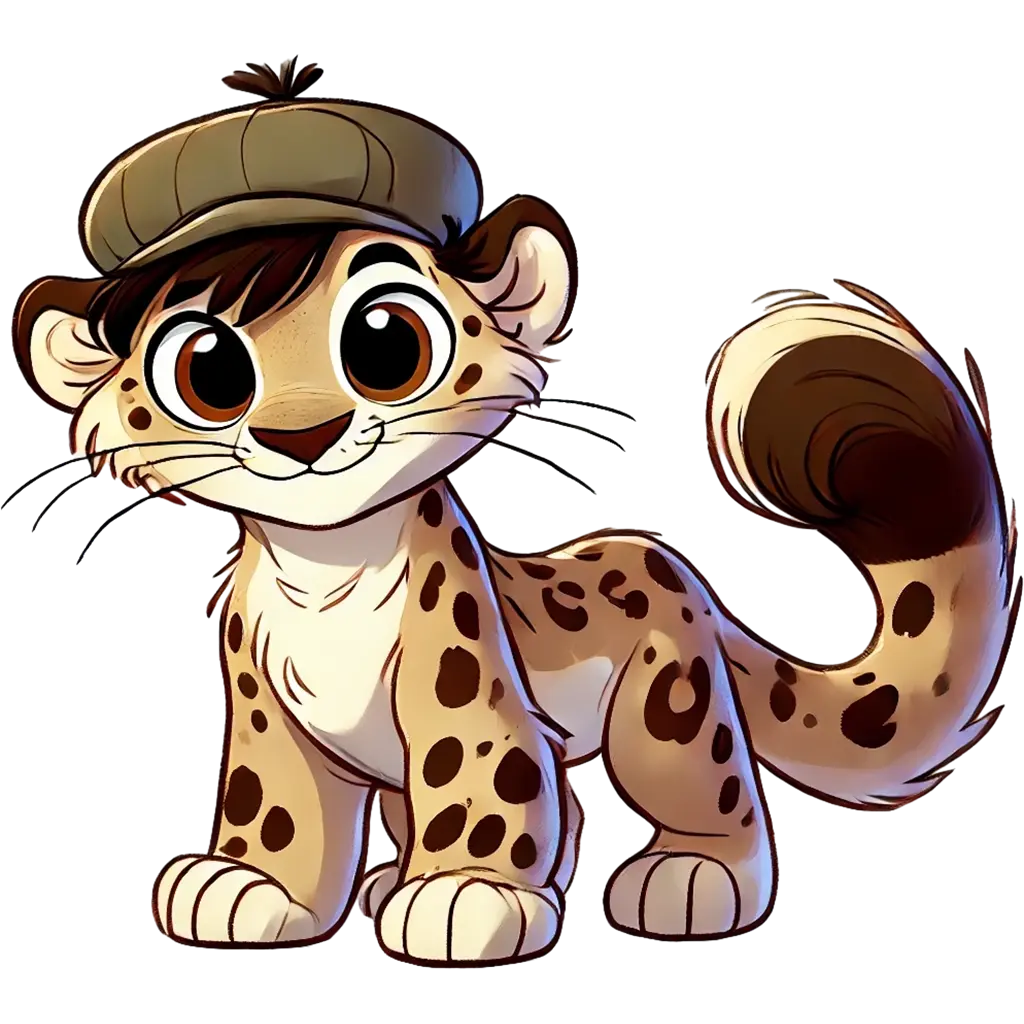
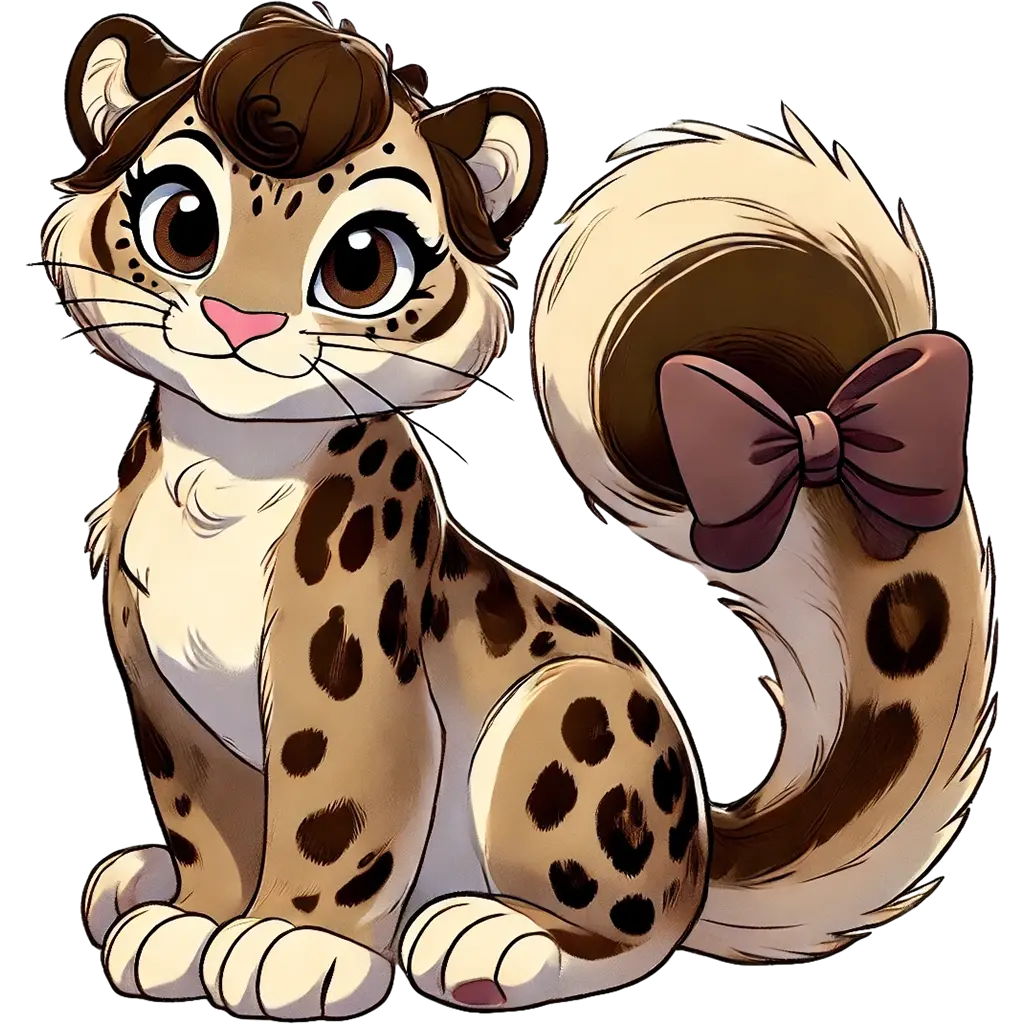
Snow Leopard
Fun Fact
Snow leopards can't roar like other big cats but make a sound called "chuffing" to communicate.
They live in mountain ranges across Central and South Asia, perfectly adapted to cold, rugged terrains. Their thick fur and wide paws act like snowshoes, helping them navigate snowy landscapes. Their long tails provide balance and warmth when wrapped around their bodies during rest.

Download word search puzzles
Word Search Puzzles
Check Out Other Mammals
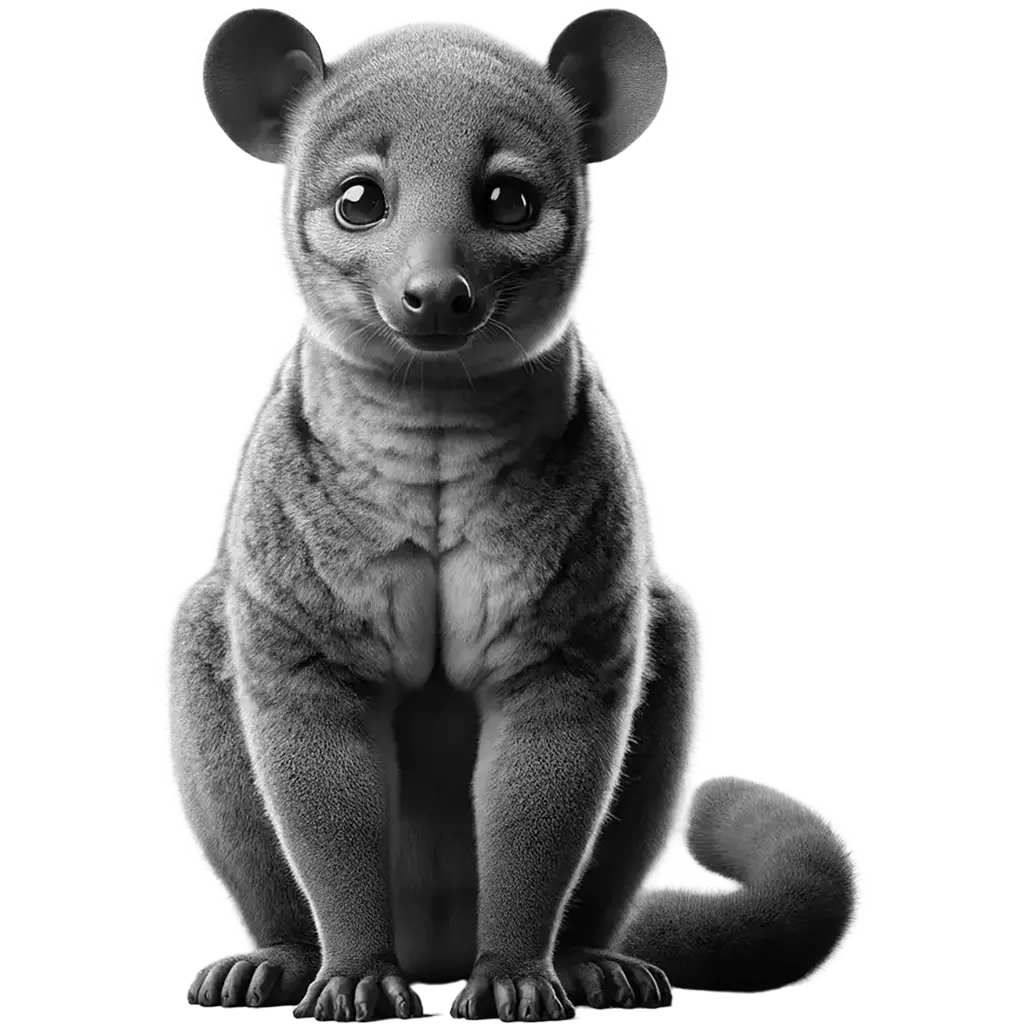
The Kinkajou, potos flavus, is a small, nocturnal mammal native to the rainforests of Central and South America. Often mistaken for a primate, the Kinkajou is actually part of the Procyonidae family, which includes raccoons and coatis. This elusive creature has a dense, woolly coat that ranges in color from
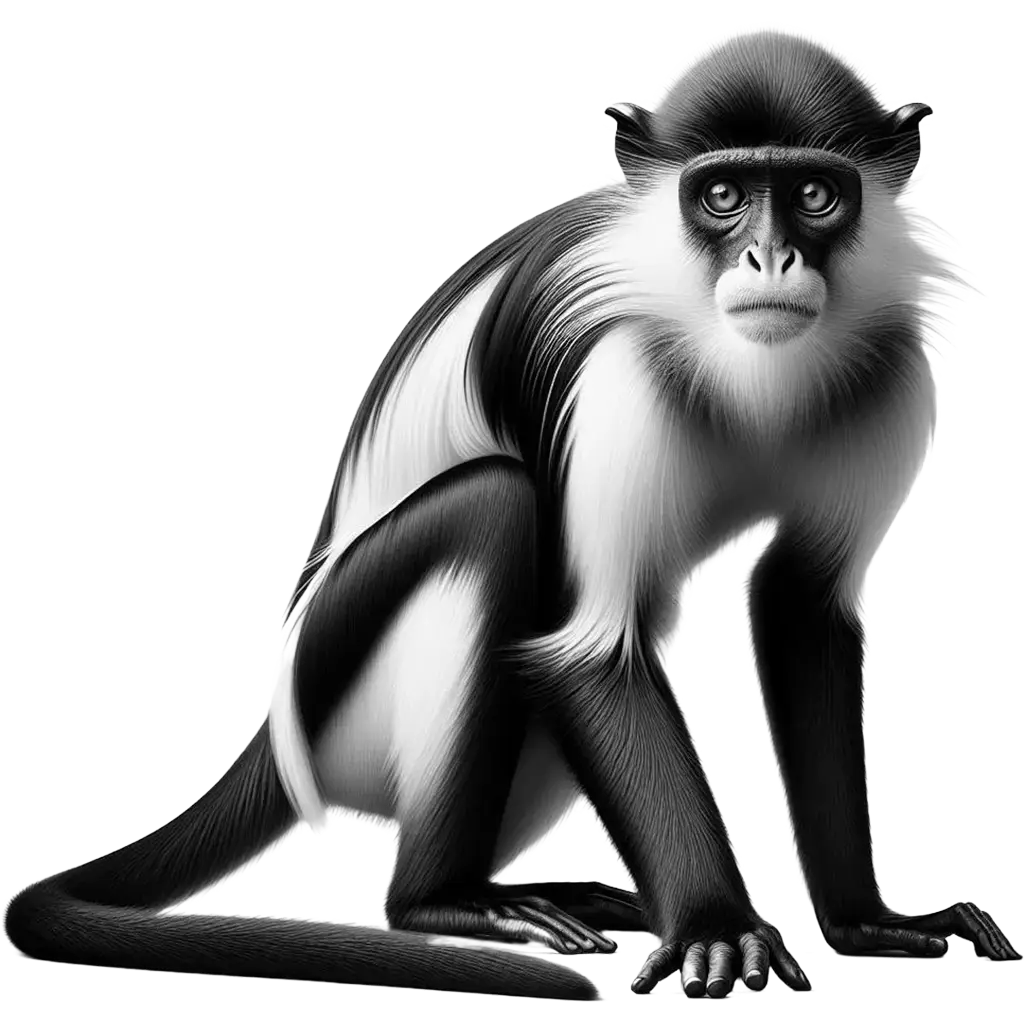
The Collared Mangabey, cercocebus torquatus, often distinguished by its white collar of fur that encircles its neck, is a medium to large-sized primate endemic to the dense forests of West Africa. This species exhibits a striking black fur contrasted by the white fur around its neck and cheeks, and possesses
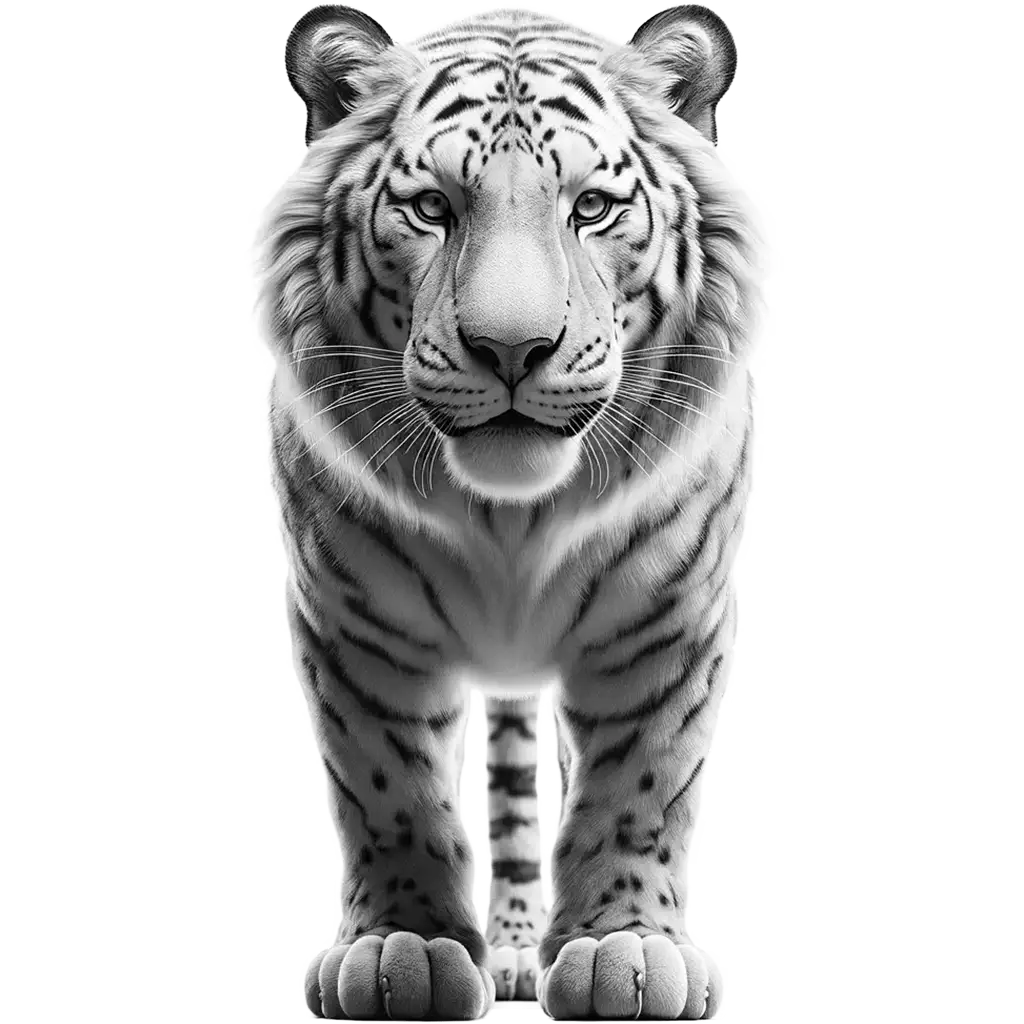
The Liger, a hybrid offspring of a male lion and a female tiger, is notable for its impressive size and unique appearance that blends characteristics of both parent species. Typically surpassing both lions and tigers in size, adult Ligers can weigh between 320 to 1,000 kg (705 to 2,200 pounds)
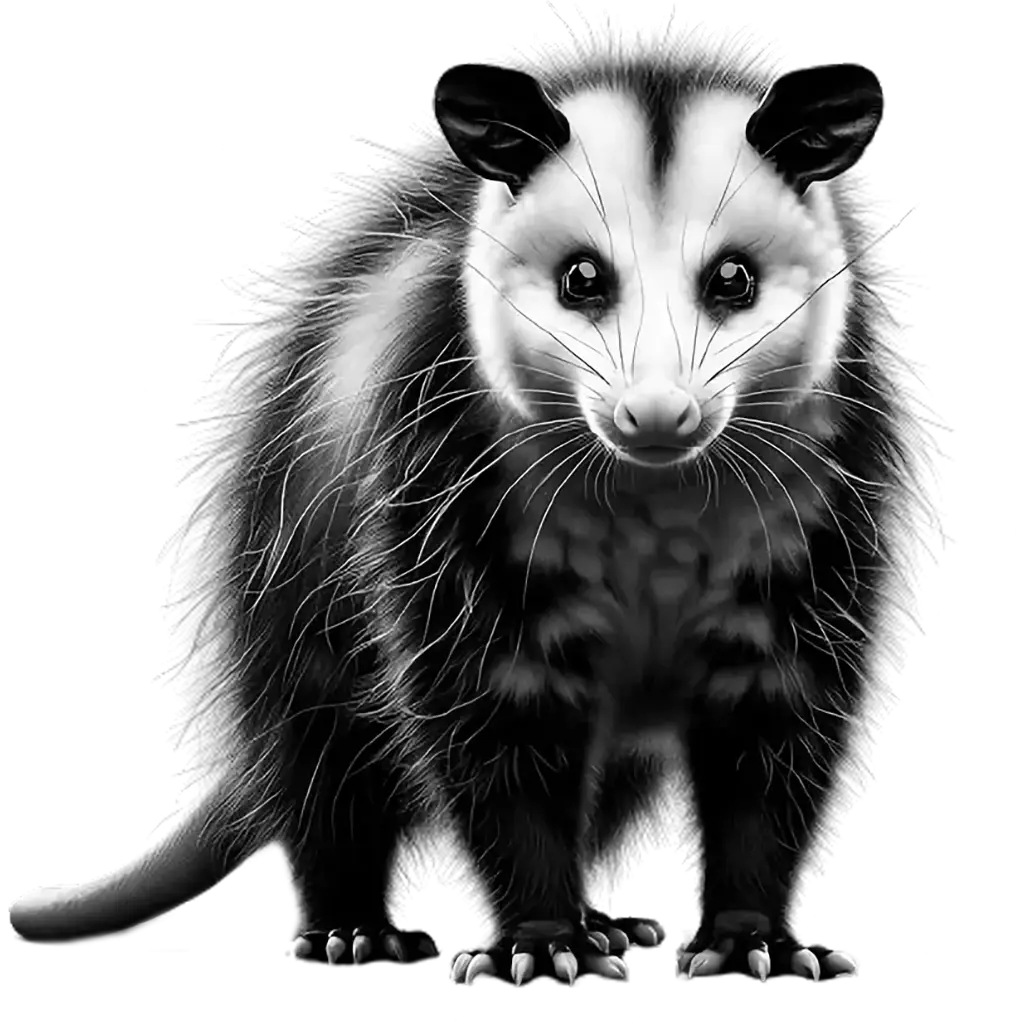
The Virginia Opossum, didelphis virginiana, is North America's only marsupial, recognized for its distinctive appearance and adaptability to diverse environments. Adults typically measure 65 to 94 cm in length, including their prehensile tail, which accounts for almost half their body length and is used for grasping and balance. Their coat