
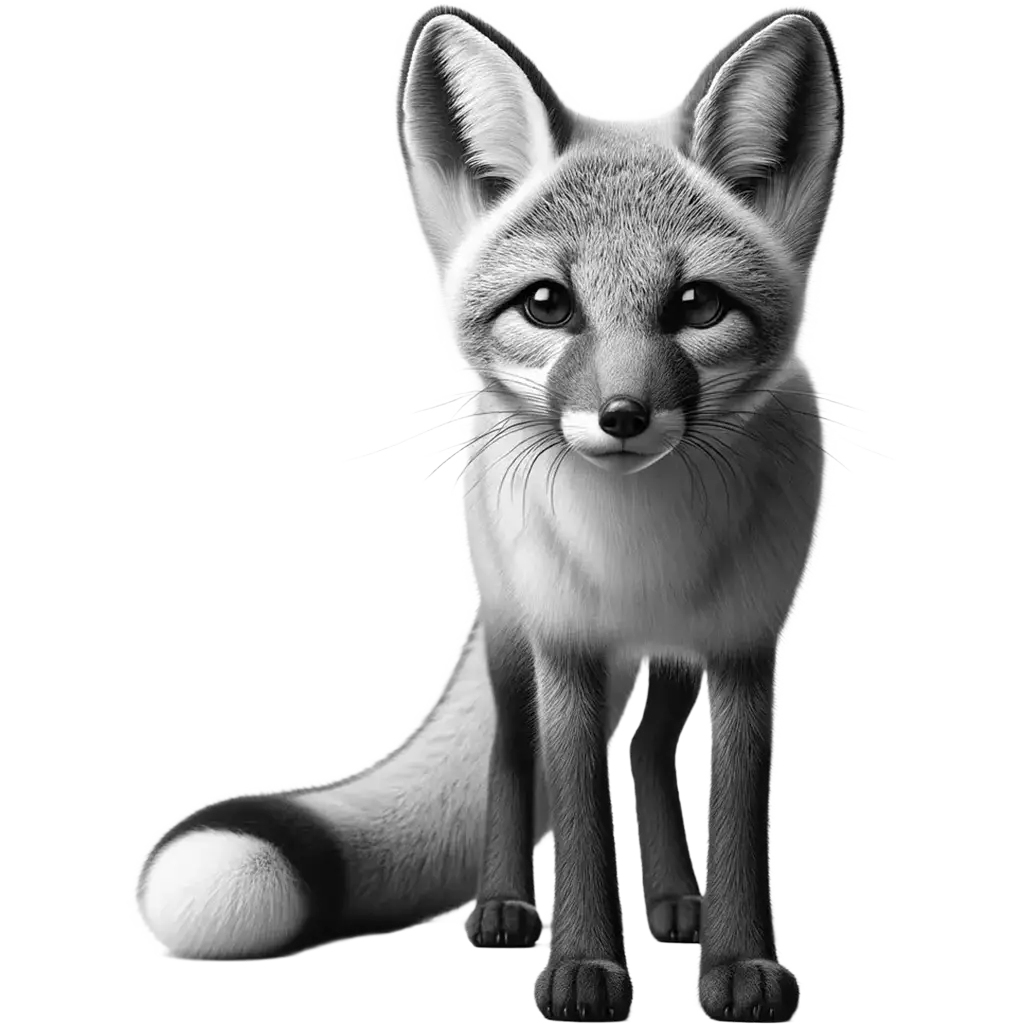
Vulpes Macrotis
Kit Fox
Deserts, arid regions, and grasslands
The Kit Fox, vulpes macrotis, is a small North American fox known for its slender build, large ears, and a bushy tail with a black tip. These adaptations not only contribute to its distinctive appearance but also play crucial roles in its survival within arid and semi-arid environments, including deserts, scrublands, and grasslands. Adults typically weigh between 1.6 to 2.7 kg (3.5 to 6 pounds) and measure about 38 to 52 cm (15 to 20 inches) in length, not including their tail, which can add an additional 25 to 34 cm (10 to 13 inches). The large ears facilitate heat dissipation, while their light sandy to gray coat blends seamlessly with the desert landscape, providing camouflage from predators.
| Population: | Listed as Least Concern, but some populations are decreasing |
| Generation Length: | 3-4 years |
| Average Weight: | 1.6-2.7 kg |
| Average Length: | Head and body length: 48-53 cm, Tail length: 25-32 cm |
| Lifespan: | Up to 12 years in the wild, but typically less |
| Diet: | Primarily small mammals and insects |
| Conservation Status: | Least Concern (LC) |
Kit Foxes are predominantly nocturnal, utilizing the cooler nighttime temperatures to hunt and explore. They are solitary outside of the breeding season, with individuals or pairs maintaining territories that they mark and defend against others. Their diet is primarily carnivorous, focusing on small mammals like rodents and rabbits, but it can also include birds, insects, and occasionally plant matter, demonstrating their opportunistic feeding habits.
The reproductive cycle of the Kit Fox typically begins in late fall to early winter, with females giving birth to a litter of 3 to 7 pups in the spring, following a gestation period of about 49 to 55 days. Dens play a vital role in the lives of Kit Foxes, providing shelter from the heat and protection for the young. These dens are complex, with multiple entrances and chambers, and may be used by successive generations.
The population status of the Kit Fox varies regionally, with some areas reporting declines due to habitat loss, pesticide use, and competition with other carnivores. In particular, urban expansion and agricultural development have fragmented their habitats, impacting their hunting grounds and denning sites. Conservation efforts for the Kit Fox include habitat preservation, research on population dynamics, and measures to mitigate human-wildlife conflict.
Despite challenges, the Kit Fox remains a resilient and adaptable species, with some populations thriving in protected areas and on the fringes of urban environments. Their presence in the ecosystem serves as an indicator of the health of arid and semi-arid habitats, highlighting the importance of conservation strategies that support biodiversity and ecological balance.
Classifications
The Key Attributes
Features
- Movement:
Running, burrowing
- Territorial Behavior:
Territorial, with pairs defending their territory
- Speed:
Can run at high speeds to escape predators and catch prey
- Diet:
Carnivore
- Physical Features:
- Small size with large ears
- Grayish to sandy-colored fur
- Black-tipped tail
- Long legs relative to body size for fast running
- Primary Senses:
- Hearing
- Sight
- Smell
Understanding Habitat and Range
Geography
- Habitat:
Deserts, arid regions, and grasslands
- Migration Patterns:
Non-migratory
- Geographical Range:
Found in the southwestern United States and northern and central Mexico
- Climate Preferences:
Prefers arid and semi-arid climates
Navigating the Wilderness
In the wild
- Predators:
Coyotes, birds of prey, and larger mammals
- Prey:
Rodents, rabbits, insects
- Feeding Behavior:
Nocturnal hunter, feeding on rodents, rabbits, insects, and occasionally vegetation
- Diet:
Primarily small mammals and insects
- Defensive Mechanisms:
- Burrowing to escape predators
- Agility and speed for evasion and hunting
- Preferred Food Sources:
- Areas abundant with small mammals and insects
Insights Into Reproduction
Mating
- Mating System:
Monogamous
- Number of Offspring:
3-5 pups
- Gestation Period:
Around 50 days
- Parental Involvement:
- Both parents involved in rearing the young, from providing food to teaching hunting skills
Youngsters Section
Kit Fox
Fun Fact
Kit foxes are the smallest fox species in North America, with large ears relative to their body size.
Their large ears help them dissipate heat and detect prey. Kit foxes are primarily nocturnal hunters and have a diet that includes small mammals, insects, and occasionally fruits. They are well-adapted to arid environments, often found in deserts and grasslands.

Download word search puzzles
Word Search Puzzles


Check Out Other Mammals
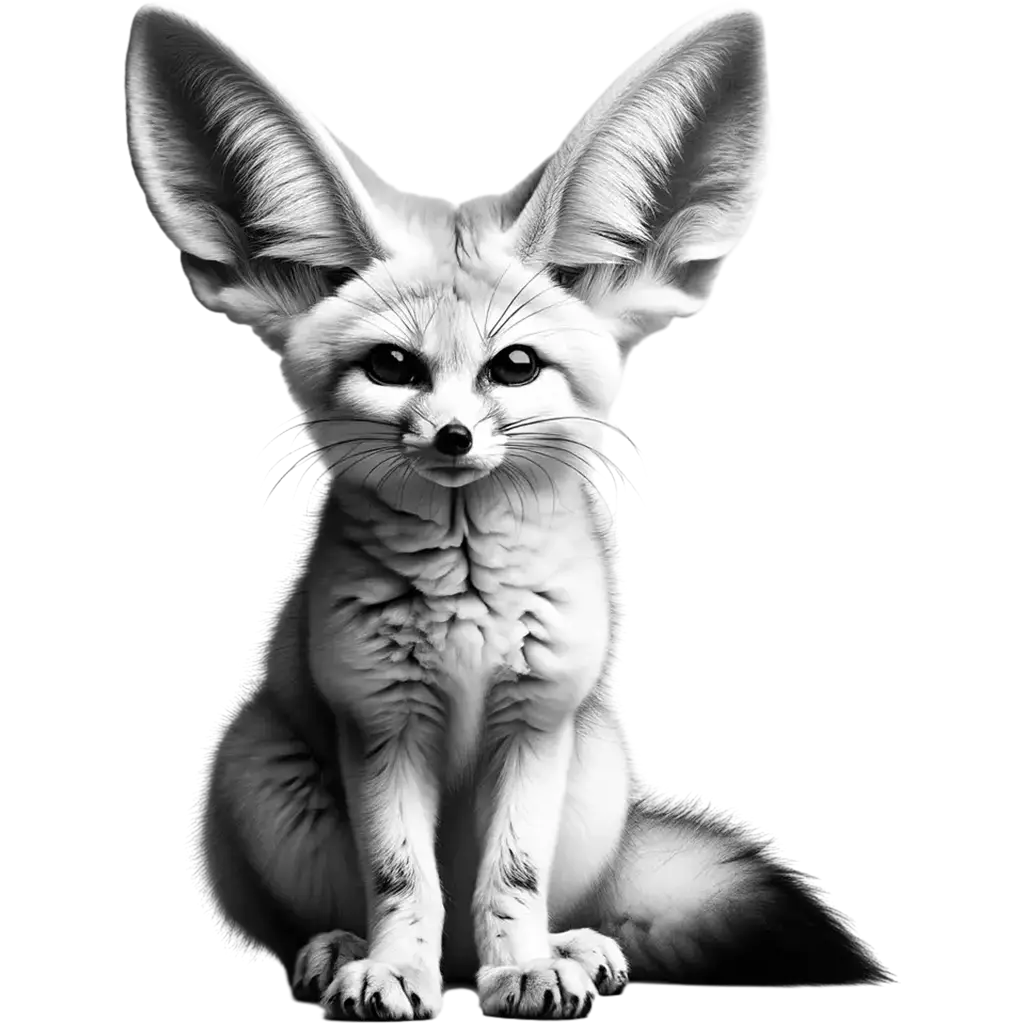
The Fennec Fox, vulpes zerda, is the smallest species of canid, renowned for its distinctive large ears and diminutive size. Adults typically weigh between 0.9 to 1.5 kg and measure about 24 to 41 cm in length, with an additional 20 cm for the tail. Their most striking feature, the

The Donkey, equus africanus asinus, is a domesticated member of the horse family, Equidae. Originating from the African wild ass, Donkeys have been used by humans for millennia, serving primarily as working animals due to their strength, endurance, and ability to carry heavy loads. Adult Donkeys vary greatly in size,
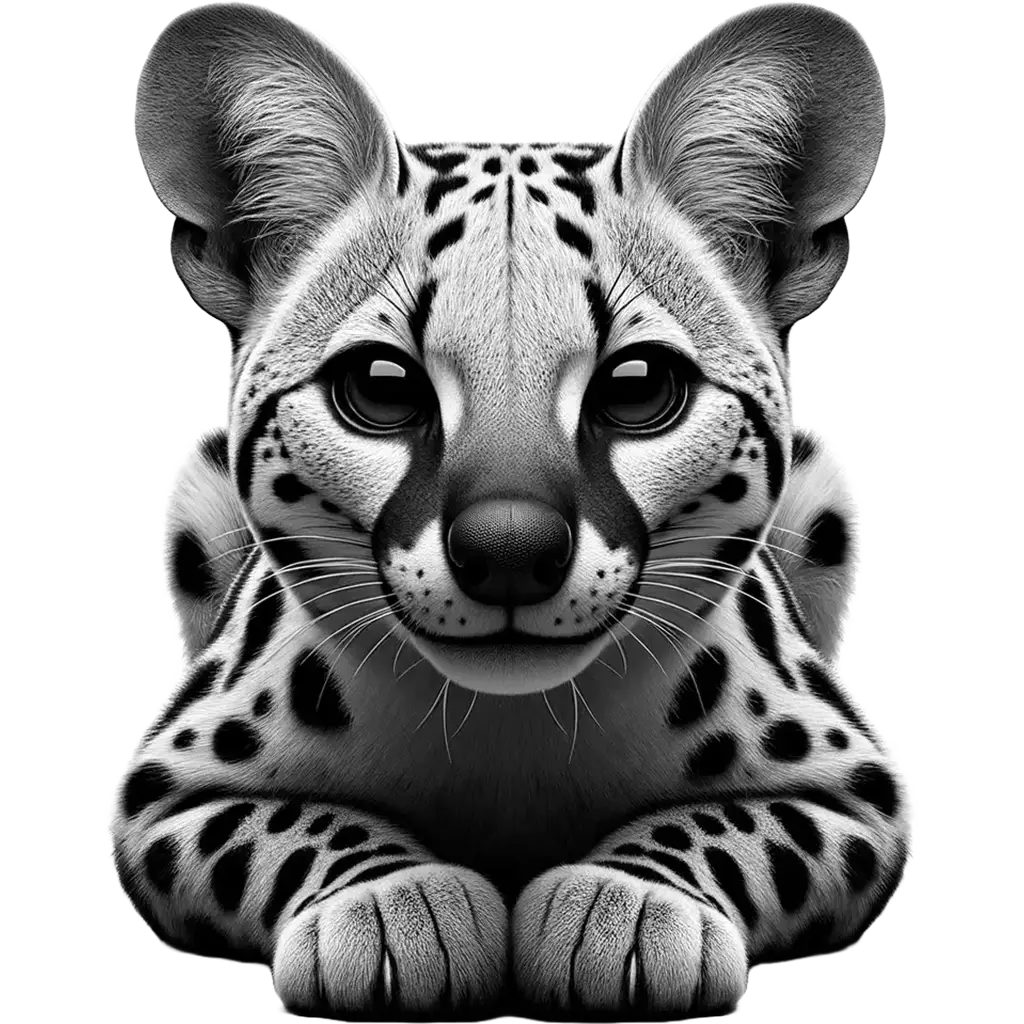
The Common Genet, genetta genetta, is a slender, cat-like mammal, part of the Viverridae family, which also includes civets and mongooses. Characterized by its striking coat pattern, it has a pale, yellowish-grey fur with a series of black stripes running down its back and rows of spots on its sides,

The Duck-Billed Platypus, ornithorhynchus anatinus, is one of the most unusual and fascinating mammals on the planet, native to eastern Australia and Tasmania. This semi-aquatic, egg-laying mammal (monotreme) is most notable for its distinctive duck-like bill, webbed feet, and flat tail. Adults can measure between 40 to 60 centimeters in