
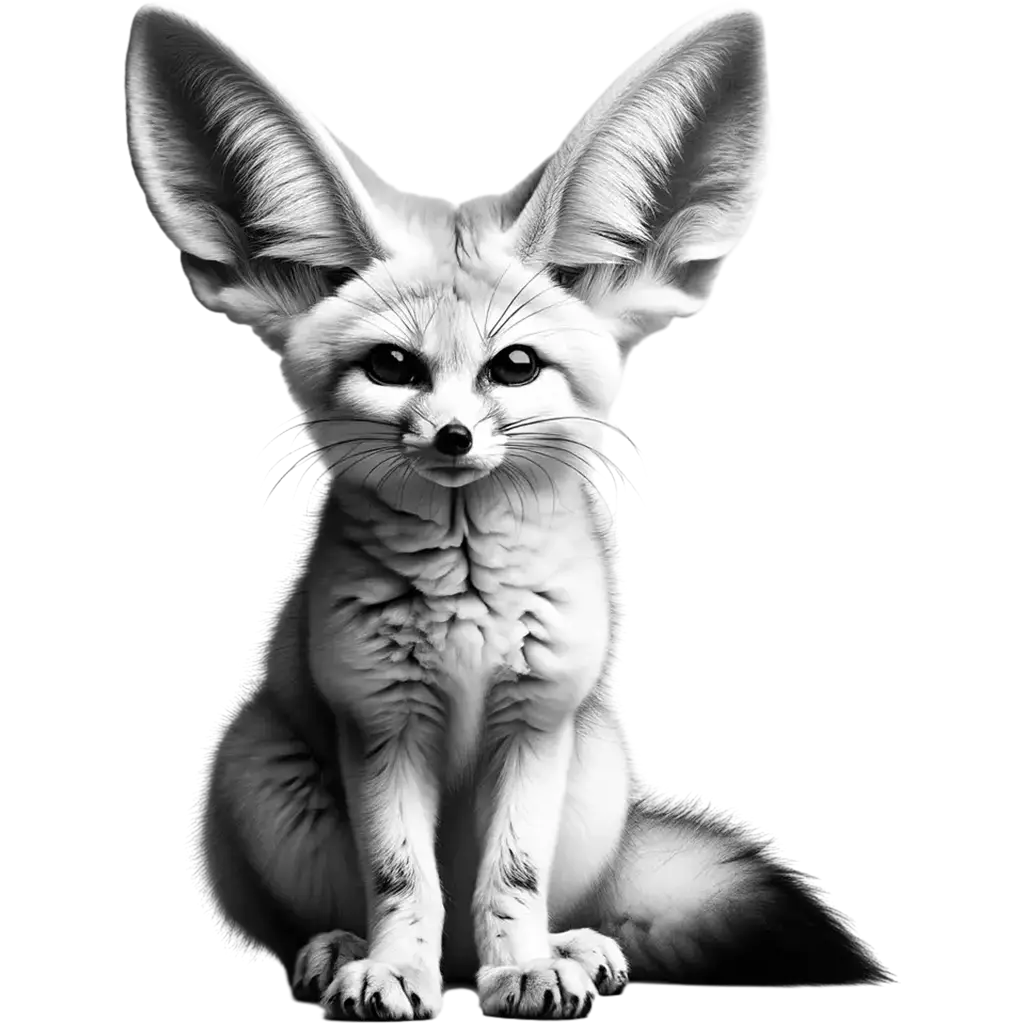
Vulpes Zerda
Fennec Fox
Deserts and arid regions
The Fennec Fox, vulpes zerda, is the smallest species of canid, renowned for its distinctive large ears and diminutive size. Adults typically weigh between 0.9 to 1.5 kg and measure about 24 to 41 cm in length, with an additional 20 cm for the tail. Their most striking feature, the oversized ears, which can be as long as 15 cm, serve to dissipate heat and enhance their hearing, allowing them to detect prey and predators alike. The coat of the Fennec Fox is a creamy white to light sandy color, providing camouflage in their desert surroundings, and their furry feet protect them from the extreme heat of the sand.
| Population: | Not precisely quantified, but not currently considered endangered |
| Generation Length: | 3-4 years |
| Average Weight: | 0.9-1.5 kg |
| Average Length: | 24-41 cm (head and body length), with a tail length of 18-31 cm |
| Lifespan: | Up to 14 years in the wild, longer in captivity |
| Diet: | Varies with availability; includes plants, fruits, and small animals |
| Conservation Status: | Least Concern (LC) |
Native to the Sahara Desert and other parts of North Africa, the Fennec Fox is well adapted to life in harsh desert environments. They are nocturnal creatures, using the cooler night hours to hunt and explore. During the day, Fennec Foxes dwell in dens dug into the sand, which offer protection from the scorching sun. These foxes are highly social, living in groups that can range from a family unit to communities of up to ten individuals.
The diet of the Fennec Fox is omnivorous but primarily consists of insects, small mammals, birds, eggs, and various plants. Their varied diet is supplemented by their ability to go long periods without water, as they can obtain moisture from the food they consume. This adaptation is crucial for survival in their arid habitats.
Reproduction in Fennec Foxes typically involves a monogamous pair bond. Females give birth to a litter of 2 to 5 kits once a year, after a gestation period of about 50 days. The kits are born blind and helpless, relying on both parents for warmth, protection, and food until they are ready to venture outside the den.
The population of the Fennec Fox is currently not considered at risk, but they face threats from the illegal pet trade and habitat encroachment. Conservation efforts are focused on habitat protection and regulating trade to ensure the survival of these iconic desert dwellers. Their unique adaptations and social behavior continue to intrigue and delight observers, making them a subject of fascination and study.
Classifications
The Key Attributes
Features
- Movement:
Quadrupedal
- Territorial Behavior:
Somewhat territorial, especially during mating season
- Speed:
Quick, especially when darting into burrows to escape predators
- Diet:
Omnivore
- Physical Features:
- Large ears
- Pale fur
- Long bushy tail with a black tip
- Black markings on the face
- Primary Senses:
- Hearing
- Sight
- Smell
Understanding Habitat and Range
Geography
- Habitat:
Deserts and arid regions
- Migration Patterns:
Non-migratory
- Geographical Range:
The Sahara Desert, Sinai Peninsula, and Arava Desert
- Climate Preferences:
Adapted to extremely hot and arid desert environments
Navigating the Wilderness
In the wild
- Predators:
Eagles, owls, and other large birds of prey; various carnivorous mammals
- Prey:
Rodents, insects, small birds, and eggs
- Feeding Behavior:
Nocturnal, feeding on plants, fruits, small mammals, birds, and insects
- Diet:
Varies with availability; includes plants, fruits, and small animals
- Defensive Mechanisms:
- Burrowing
- Agility to escape predators
- Keen hearing to detect approaching threats
- Preferred Food Sources:
- Plants and fruits for moisture
- Small animals for protein
Insights Into Reproduction
Mating
- Mating System:
Monogamous
- Number of Offspring:
2-5 kits
- Gestation Period:
About 50 days
- Parental Involvement:
- Both parents care for the kits, with the male providing food and protection
Youngsters Section
Fennec Fox
Fun Fact
The fennec fox is the smallest fox species, known for its large ears and nocturnal habits.
Their ears, which can be up to 6 inches long, help dissipate heat and enhance hearing. This adaptation is crucial for detecting prey in the desert environment. Moreover, fennec foxes can go without water for long periods, obtaining moisture from their food.

Download word search puzzles
Word Search Puzzles


Check Out Other Mammals

The Siberian Husky, a medium-sized working dog breed, is renowned for its endurance and willingness to work. Originating from Siberia, these dogs were bred by the Chukchi people for sled pulling and companionship. Siberian Huskies have a striking appearance, characterized by their thick double coat, erect triangular ears, and distinctive
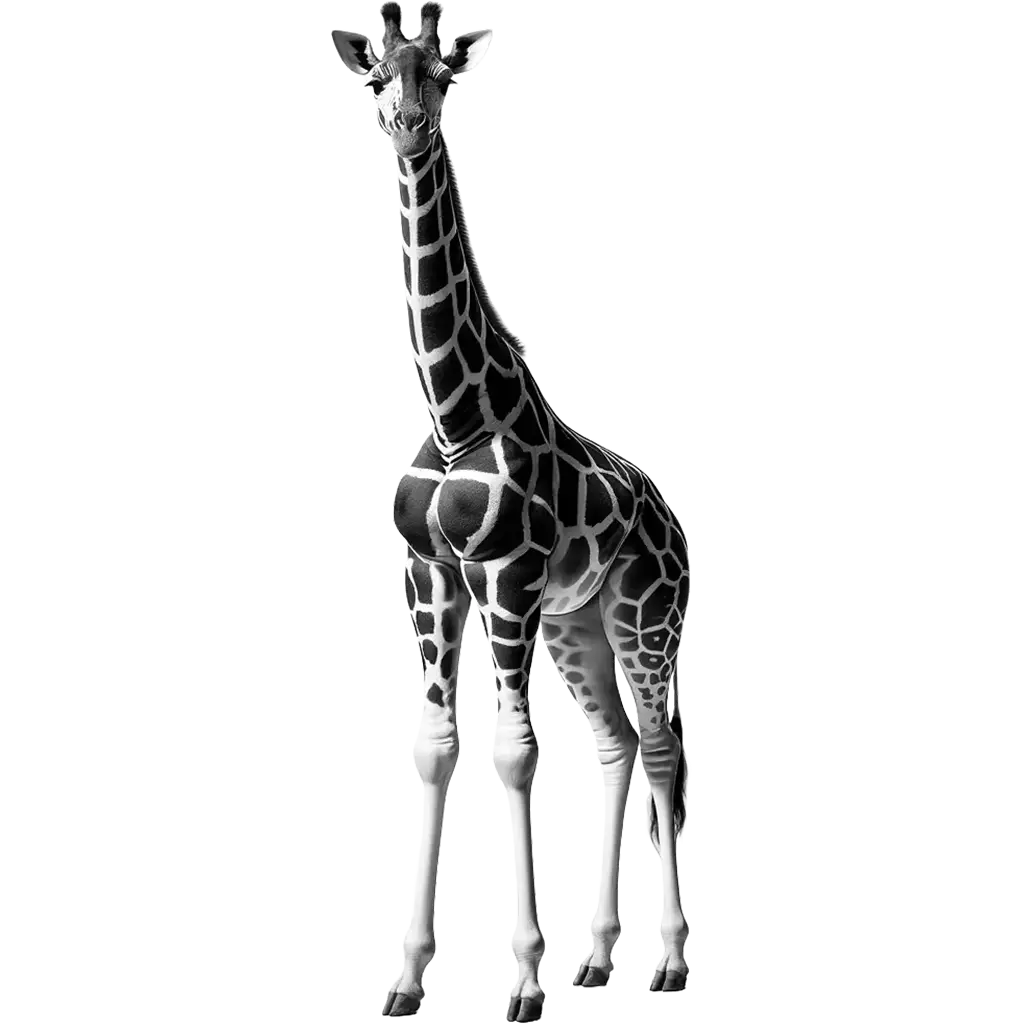
The Giraffe, giraffa camelopardalis, is the tallest land animal, with adult males capable of reaching heights up to 5.5 meters and females slightly shorter. Their most striking features include long necks, which comprise nearly half of their height, and distinctive coat patterns of brown patches separated by lighter lines, unique
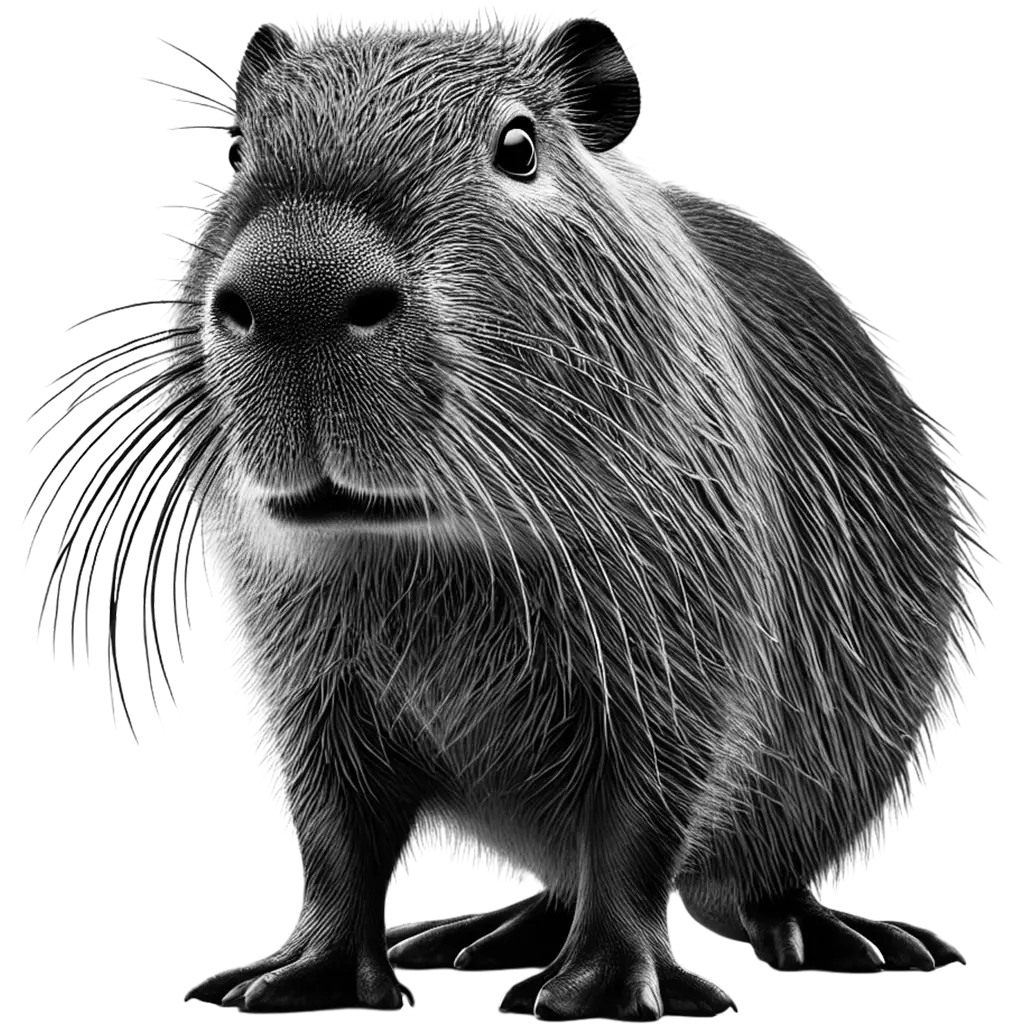
The Coypu is a large, robust rodent distinguished by its dense, brownish fur and slightly webbed hind feet that facilitate its semi-aquatic lifestyle. Its long, tapering tail and continuously growing incisors set it apart from other rodents. With a stout body and a water-resistant coat, it is well adapted to
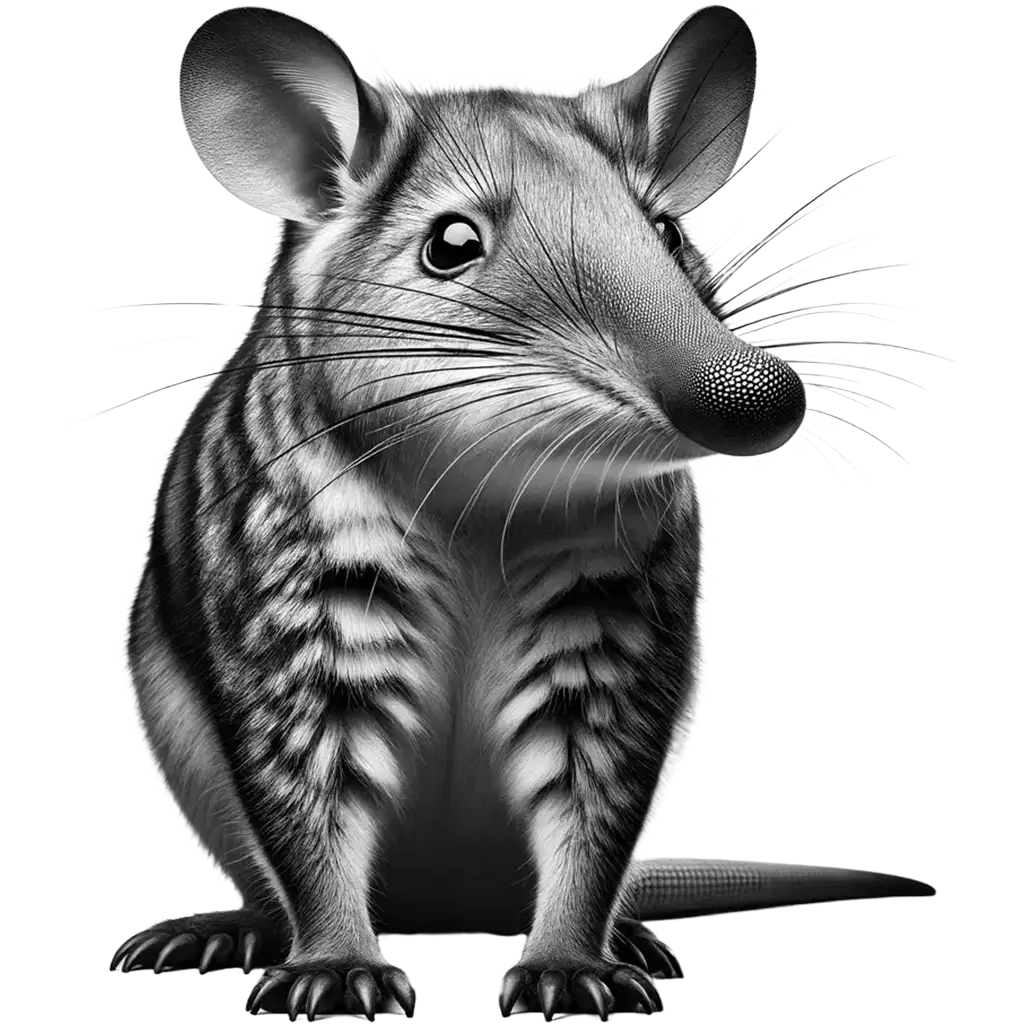
The Long-Nosed Bandicoot, perameles nasuta, is a small marsupial native to eastern Australia, distinguished by its elongated snout and hunched back. This nocturnal creature has coarse, grey-brown fur, with a lighter underside, and measures about 31 to 43 cm in length, including a thin, sparsely furred tail that adds another