

Canis Lupus
Miniature Pinscher
Domestic environments, adaptable to city and country living
The Miniature Pinscher, often referred to as the 'Min Pin', is a small breed of dog known for its spirited and fearless personality. With a sleek, short coat that comes in colors such as red, stag-red, black, and chocolate, this breed is both elegant and athletic. Adult Miniature Pinschers stand about 25 to 30 cm (10 to 12.5 inches) tall at the shoulder and weigh between 4 to 6 kg (8.8 to 13.2 lbs). Their compact, muscular frame supports a spirited and energetic demeanor, characterized by a high-stepping 'hackney' gait, reminiscent of a horse's trot.
| Population: | Common breed, not considered endangered |
| Generation Length: | 3-4 years |
| Average Weight: | 3.5-4.5 kg |
| Average Length: | Height at the shoulder: 25-30 cm |
| Lifespan: | 12-16 years |
| Diet: | Commercially prepared dog food appropriate for its size and energy level |
| Conservation Status: | Not Evaluated (NE) |
Miniature Pinschers are known for their confidence and assertiveness, often behaving as if unaware of their small size. They are highly energetic and require regular exercise to maintain their mental and physical health. Despite their small stature, they make excellent watchdogs, alert and protective of their environment. This breed thrives in a variety of living situations but does best with an active family that understands and respects their need for activity and mental stimulation.
The diet of a Miniature Pinscher should be carefully managed to prevent obesity, a common issue in small breeds. High-quality dog food appropriate for their age, size, and activity level, fed in controlled portions, is ideal. Treats should be given sparingly to avoid weight gain. Regular veterinary check-ups are important to monitor their health, particularly for conditions such as patellar luxation, heart issues, and progressive retinal atrophy.
Reproduction in Miniature Pinschers typically results in litters of 2 to 5 puppies. Responsible breeding practices are essential to ensure the health of the breed, including genetic screening for common health issues. Early socialization and training are crucial for puppies to develop into well-adjusted adults, as their intelligence and independence can lead to stubbornness without proper guidance.
The population of the Miniature Pinscher is stable, with the breed enjoying popularity both as a companion animal and in dog sports such as agility and obedience. Their small size and engaging personality make them suitable for a wide range of households. Ongoing education on responsible pet ownership and breeding practices is vital to maintain the health and welfare of the Miniature Pinscher breed.
Classifications
The Key Attributes
Features
- Movement:
Walking, running
- Territorial Behavior:
Territorial and alert, making a good watchdog despite its small size
- Speed:
Fast for its size, energetic and agile
- Diet:
Omnivore
- Physical Features:
- Compact, square-shaped body
- Short, smooth coat
- Erect, pointed ears and a high-set, docked tail in some regions
- Proud and high-stepping gait
- Primary Senses:
- Sight
- Hearing
- Smell
Understanding Habitat and Range
Geography
- Habitat:
Domestic environments, adaptable to city and country living
- Migration Patterns:
Non-applicable
- Geographical Range:
Originally from Germany, now found worldwide as a companion animal
- Climate Preferences:
Adaptable, but prefers moderate climates; sensitive to extreme cold
Navigating the Wilderness
In the wild
- Predators:
Not applicable in domestic settings, but vulnerable to larger animals due to its size
- Prey:
Not applicable
- Feeding Behavior:
Fed by owners; requires a balanced diet suitable for small, active dogs
- Diet:
Commercially prepared dog food appropriate for its size and energy level
- Defensive Mechanisms:
- Barking to alert owners to threats
- Quick and agile, can escape from larger predators
- Preferred Food Sources:
- High-quality commercial dog foods designed for small, active breeds
Insights Into Reproduction
Mating
- Mating System:
Controlled breeding in domestic settings
- Number of Offspring:
2-5 puppies
- Gestation Period:
About 60-65 days
- Parental Involvement:
- Mother cares for the puppies, with human assistance for health and nutrition
Youngsters Section
Miniature Pinscher
Fun Fact
Miniature Pinschers are often called the "King of Toys" because of their energetic and spirited nature.
Despite their small size, they are fearless and confident. Known for their distinctive high-stepping gait, they are great watchdogs. They require regular exercise and mental stimulation to prevent boredom, which can lead to mischief. Their loyalty makes them excellent companions.

Download word search puzzles
Word Search Puzzles


Check Out Other Mammals
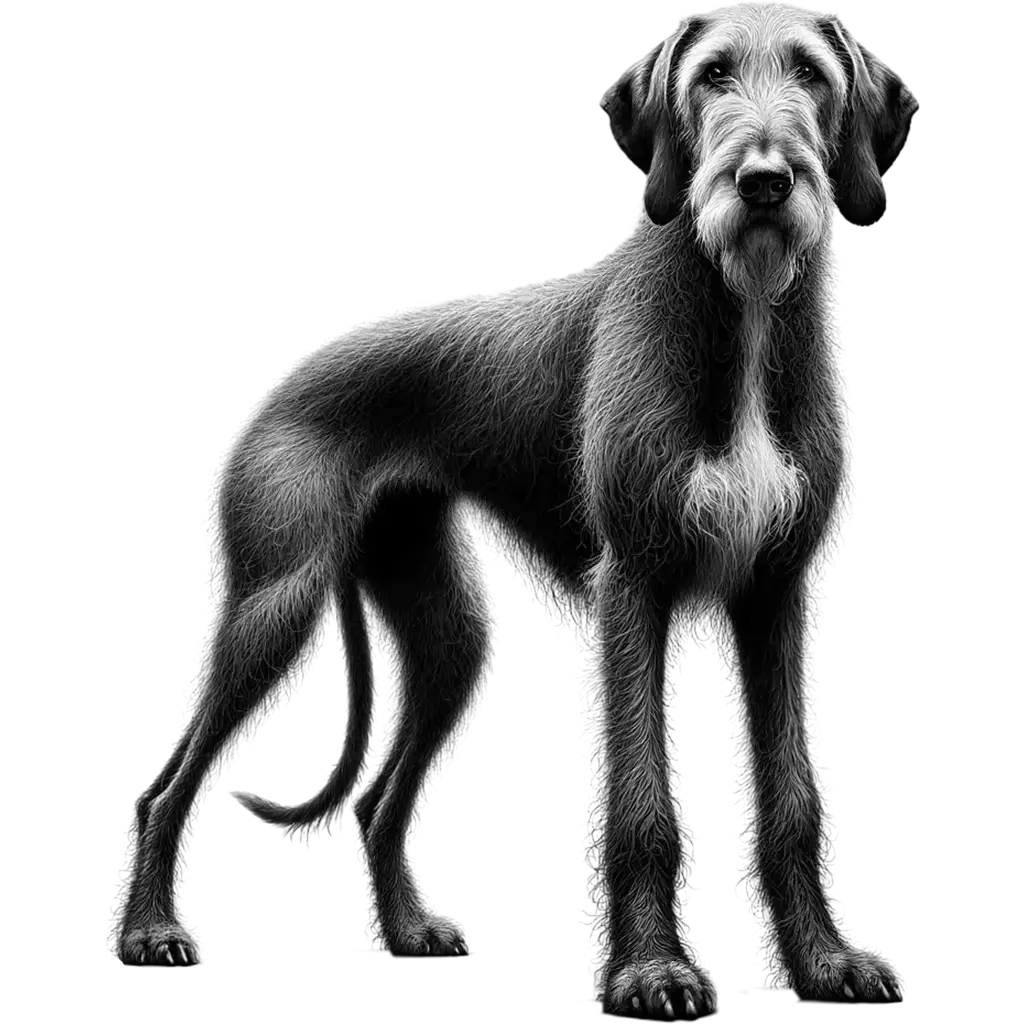
The Scottish Deerhound, a breed of majestic stature and gentle temperament, is revered for its grace and dignity. Standing up to 32 inches at the shoulder and weighing as much as 110 pounds, this breed possesses a rough coat that can range from gray to brindle, sandy, and blue-gray, providing
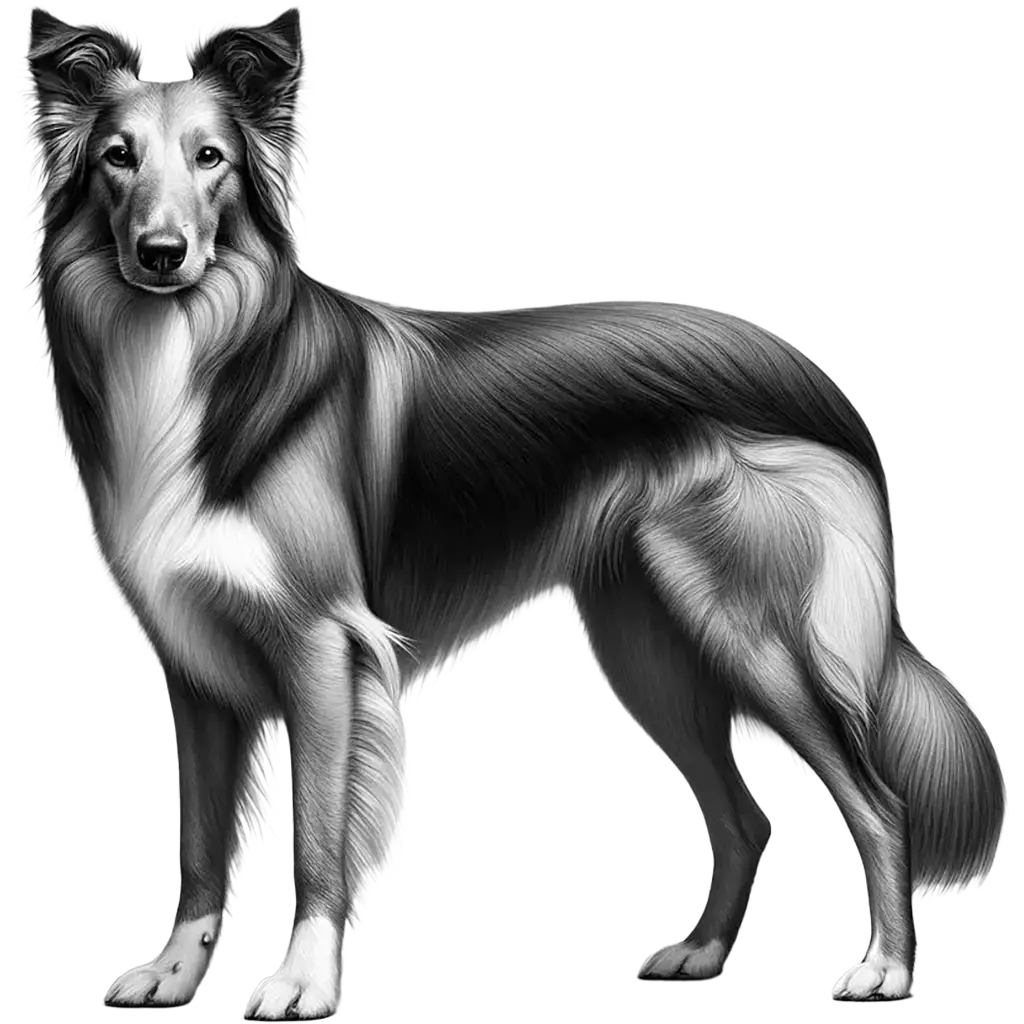
The Welsh Sheepdog, a native breed of Wales, is a highly skilled and intelligent herding dog, valued for its agility, stamina, and working ability. Traditionally bred for herding sheep and cattle, these medium-sized dogs exhibit a variety of coat colors, including black, blue merle, red, and tricolor, often with white
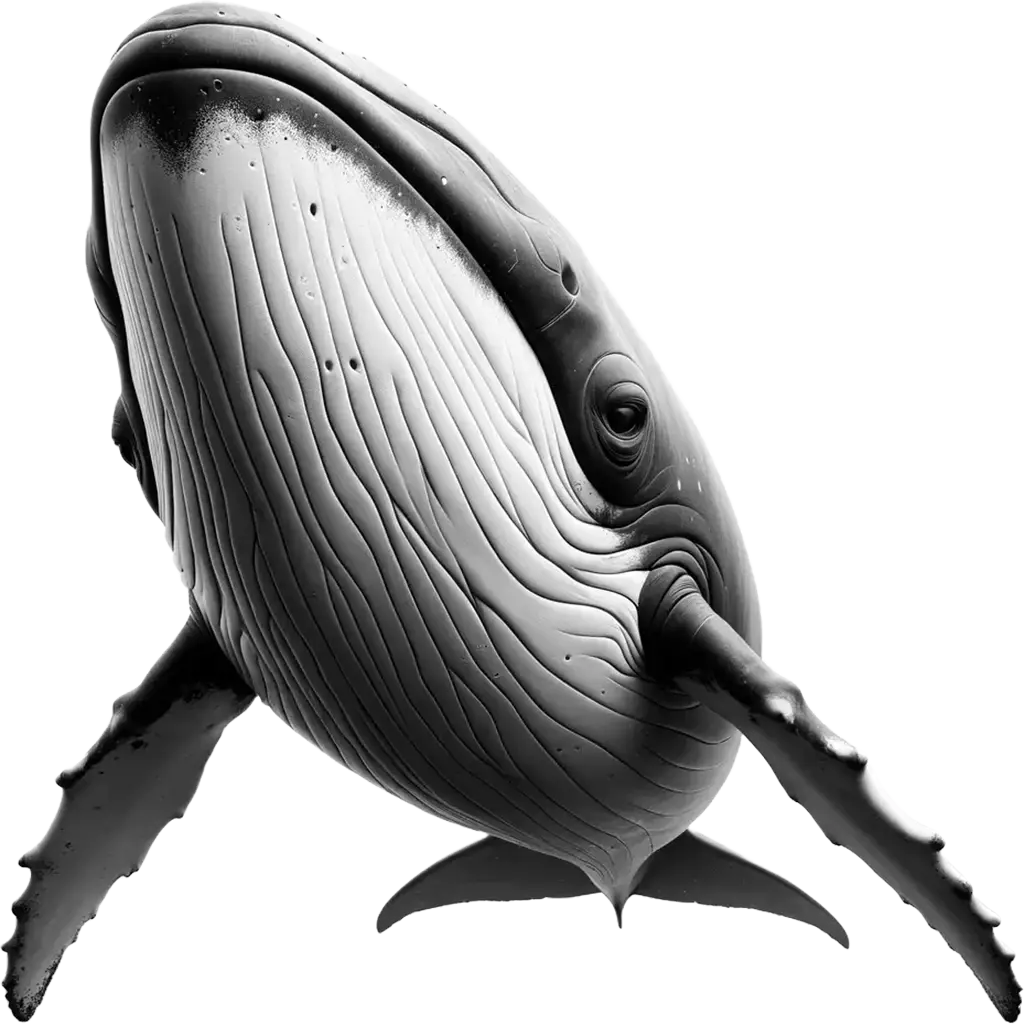
The Southern Right Whale, eubalaena australis, is a large baleen whale known for its distinctive body shape, broad back without a dorsal fin, and callosities on its head. This species can reach lengths of up to 18 meters and weigh as much as 80 tons, with females generally larger than
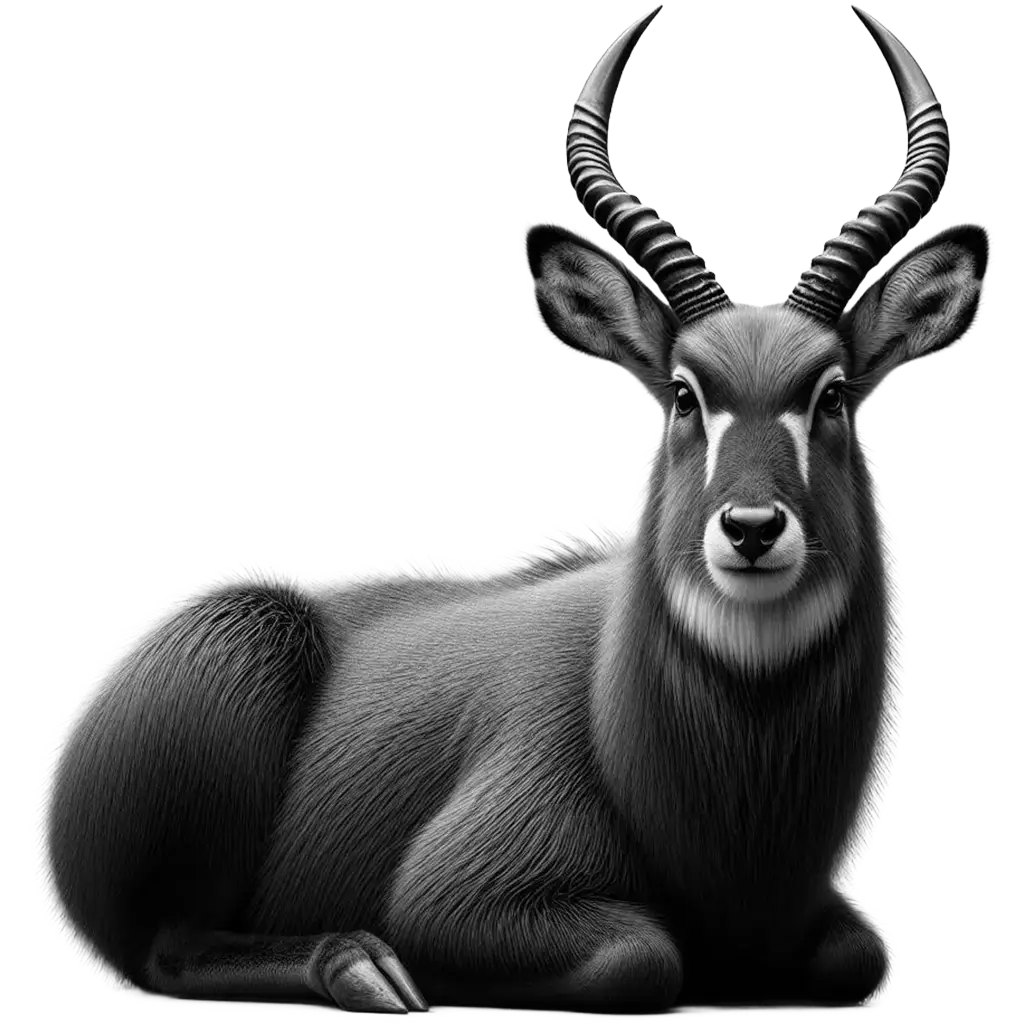
The Cape Bushbuck, tragelaphus sylvaticus, is a medium-sized, elusive antelope found in the forests and bushlands of Sub-Saharan Africa. Adult bushbucks stand about 70 to 90 centimeters (27 to 35 inches) at the shoulder and weigh between 40 to 80 kilograms (88 to 176 pounds), with males being significantly larger