
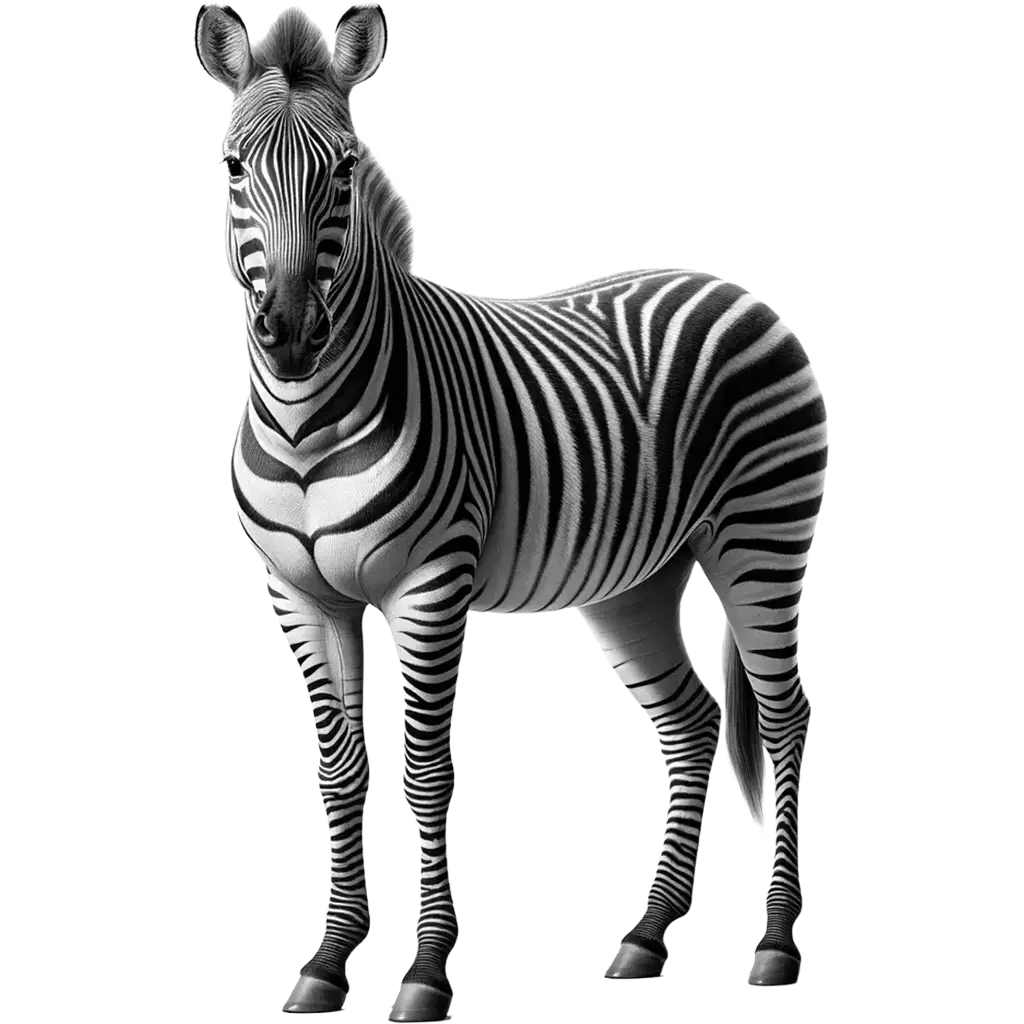
Equus Zebra Zebra
Cape Mountain Zebra
Mountainous and rocky areas as well as grasslands in higher altitudes
The Cape Mountain Zebra, equus zebra zebra, is a subspecies of mountain zebra found primarily in mountainous regions of South Africa. Distinguished by its unique stripes that are narrower and more numerous than those of the plains zebra, adults stand about 120 to 130 cm tall at the shoulder and weigh between 240 to 372 kg. Their coats are white with black stripes that extend to the hooves, and each individual's stripe pattern is unique, much like human fingerprints. Notably, the Cape Mountain Zebra has a dewlap on the throat, which is not present in other zebra species, adding to its distinctive appearance.
| Population: | Listed as Vulnerable, with populations increasing due to conservation efforts |
| Generation Length: | 5-7 years |
| Average Weight: | 240-372 kg |
| Average Length: | 2.2-2.5 meters in body length, with a height of 1.2-1.4 meters at the shoulder |
| Lifespan: | 20-30 years in the wild |
| Diet: | Herbivorous, with a preference for tough, high-fiber grasses |
| Conservation Status: | Vulnerable (VU) |
These zebras inhabit rugged terrain, including slopes and plateaus, where they have adapted to survive on sparse vegetation. They are social animals, forming small groups typically consisting of a single stallion, several mares, and their offspring. These groups are relatively stable, providing protection against predators and facilitating the rearing of young. Cape Mountain Zebras are known for their agility, capable of navigating steep and rocky landscapes with ease.
The diet of the Cape Mountain Zebra is herbivorous, consisting primarily of grasses, leaves, bark, and occasionally buds and fruits. Their ability to subsist on relatively poor-quality vegetation is crucial for survival in their harsh, arid habitat. They are also known to travel great distances in search of water, demonstrating remarkable resilience in the face of seasonal variability in resources.
Reproduction in Cape Mountain Zebras involves a gestation period of about 12 months, after which a single foal is born. Foals are mobile shortly after birth, an essential adaptation that enables them to keep up with the herd and escape predators. The social structure of the herd plays a significant role in the protection and education of these foals.
The population of the Cape Mountain Zebra was once critically endangered, with numbers dropping to a few hundred individuals in the 20th century. However, concerted conservation efforts, including habitat protection and reintroduction programs, have helped their numbers recover to over 1,200 individuals. Despite this success, the Cape Mountain Zebra remains vulnerable to threats such as habitat loss, competition with livestock, and climate change, underscoring the ongoing need for conservation measures.
Classifications
The Key Attributes
Features
- Movement:
Walking, running, grazing
- Territorial Behavior:
Social, living in small groups or herds
- Speed:
Can run at speeds of up to 55 km/h
- Diet:
Herbivore
- Physical Features:
- Stocky body with a short mane
- Distinctive black and white stripes unique to each individual
- Strong, hard hooves adapted for rocky terrain
- Long ears compared to other zebra species
- Primary Senses:
- Sight
- Hearing
- Smell
Understanding Habitat and Range
Geography
- Habitat:
Mountainous and rocky areas as well as grasslands in higher altitudes
- Migration Patterns:
Non-migratory, but may move within their home range in search of water and grazing
- Geographical Range:
Endemic to South Africa, particularly in the Western and Eastern Cape provinces
- Climate Preferences:
Prefers temperate climates, particularly in rugged terrain
Navigating the Wilderness
In the wild
- Predators:
Lions, leopards, and hyenas
- Prey:
Not applicable
- Feeding Behavior:
Primarily grazes on grass, but also browses on leaves and stems
- Diet:
Herbivorous, with a preference for tough, high-fiber grasses
- Defensive Mechanisms:
- Group vigilance to spot predators
- Running and agile movements to escape predators
- Kicking with powerful hind legs when cornered
- Preferred Food Sources:
- Areas with abundant grass and access to water
Insights Into Reproduction
Mating
- Mating System:
Polygynous, with a dominant stallion leading a small group of mares
- Number of Offspring:
Usually one foal
- Gestation Period:
About 12 months
- Parental Involvement:
- Mares care for the foals, with the stallion providing protection for the herd
Youngsters Section
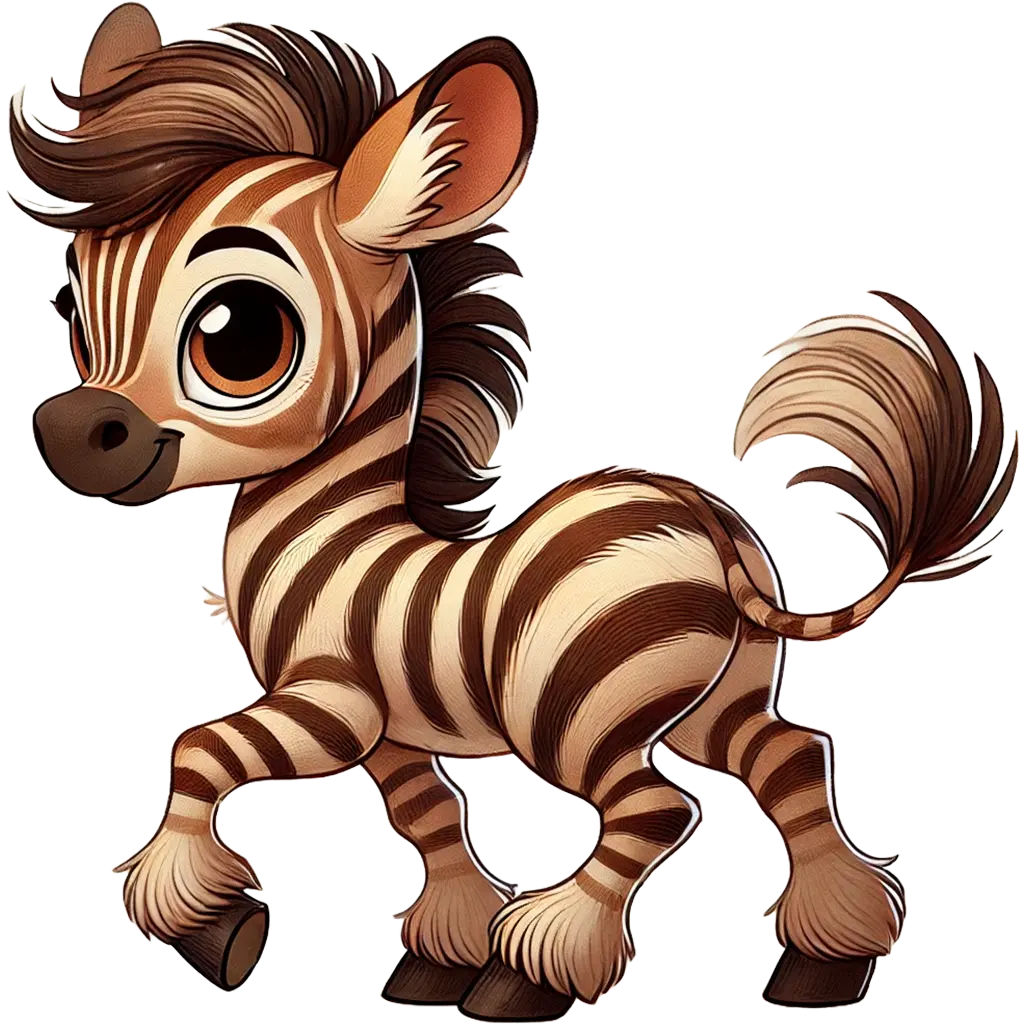
Cape Mountain Zebra
Fun Fact
The Cape Mountain Zebra has distinctive, narrow black stripes without shadow stripes on its body.
These zebras are found in mountainous regions of South Africa. Unlike other zebras, they have a dewlap, a fold of skin under the neck. Their bold black and white stripes help with camouflage, confusing predators and insects. Conservation efforts are crucial as they are classified as vulnerable.

Download word search puzzles
Word Search Puzzles
Check Out Other Mammals
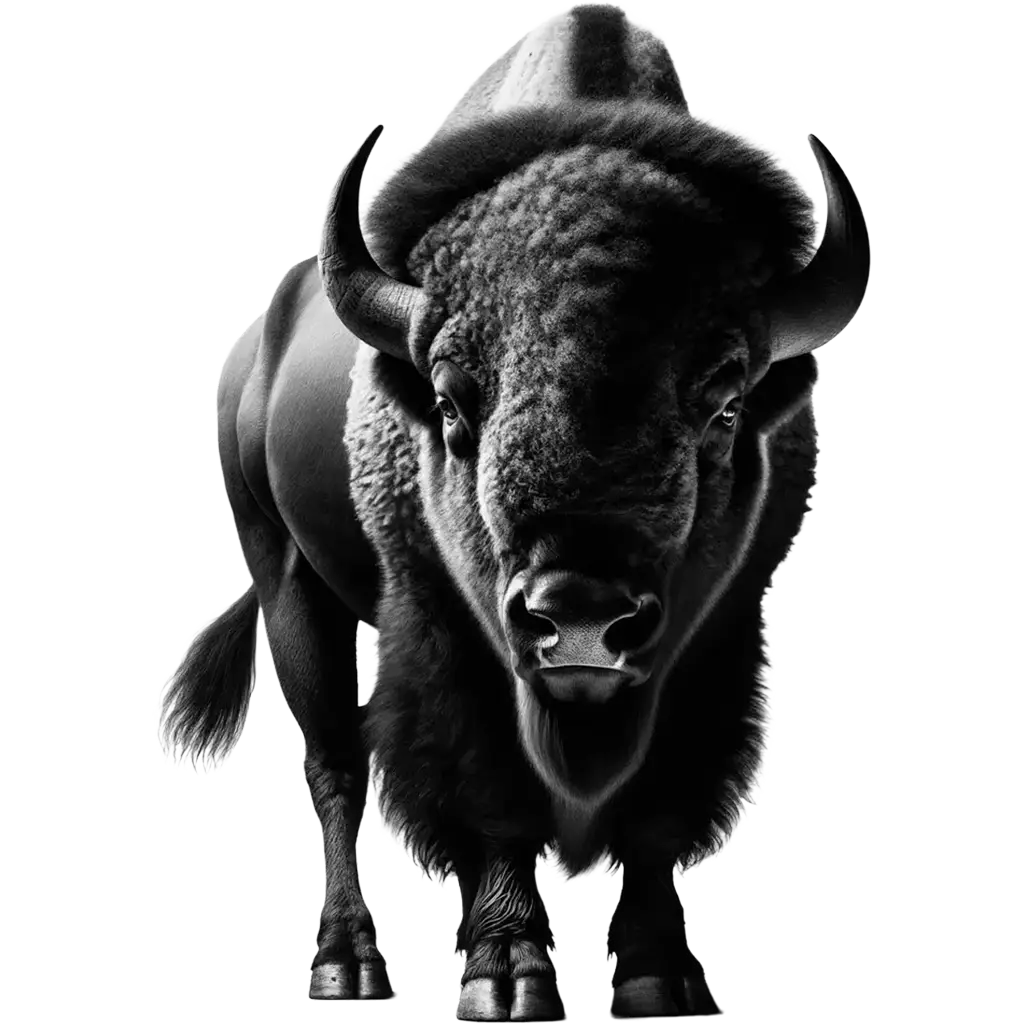
The American Bison, bison bison, is a majestic symbol of the North American plains, standing up to 2 meters tall at the shoulder and weighing over a ton. These massive animals are characterized by their long, shaggy brown coats, massive heads, and distinctive hump over their shoulders, designed to help
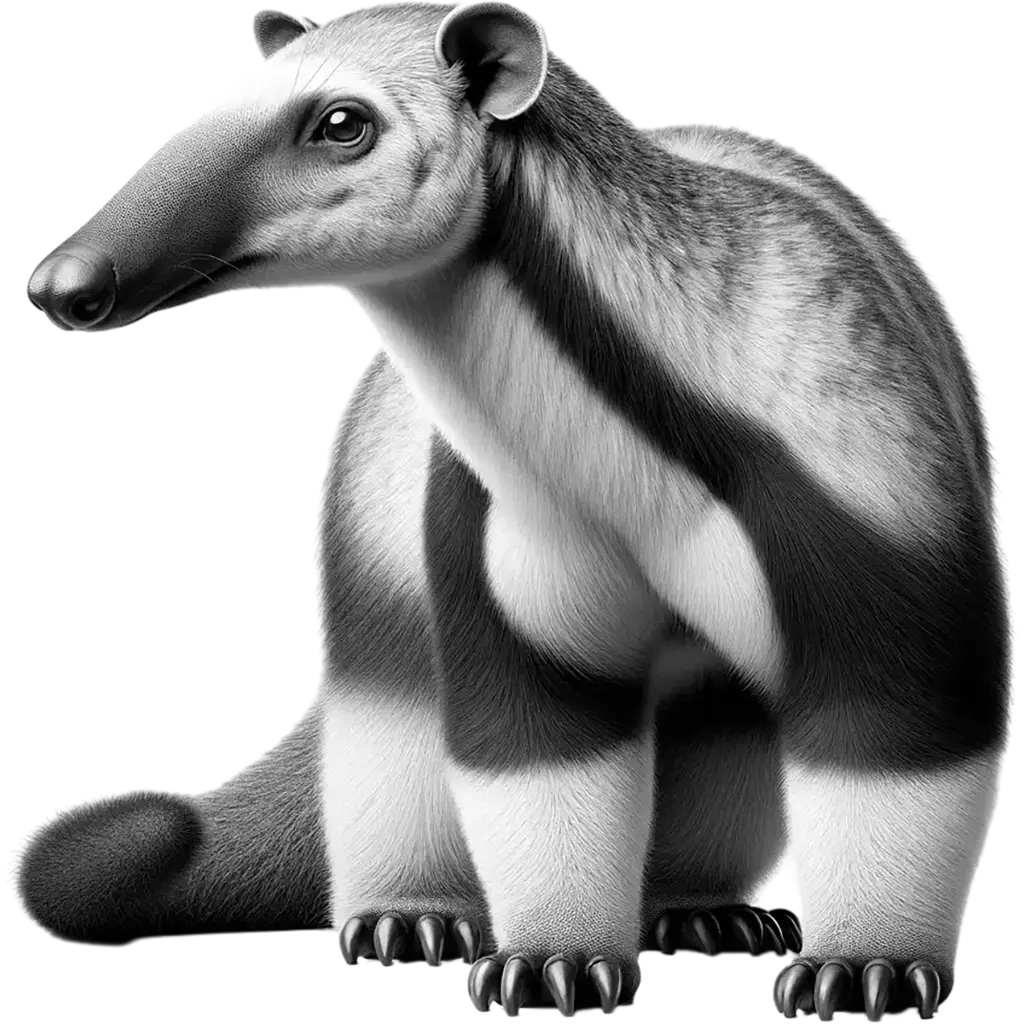
The Southern Tamandua, tamandua tetradactyla, also known as the Collared Anteater or Lesser Anteater, is a medium-sized arboreal mammal native to South America. This species is distinguished by its long, prehensile tail, elongated snout, and a distinctive black 'vest' pattern over its otherwise yellowish-brown fur, although coloration can vary significantly
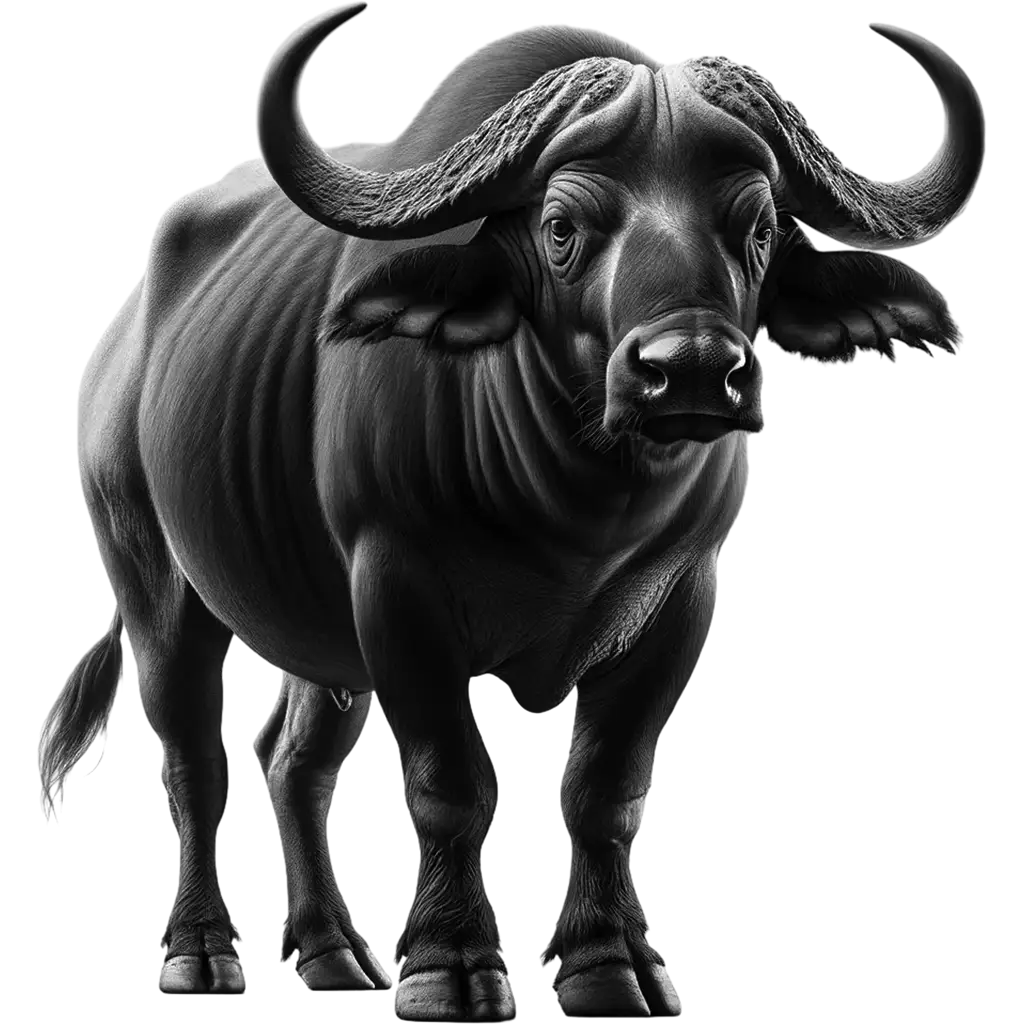
The African Forest Buffalo, syncerus caffer nanus, also known as the dwarf buffalo, is significantly smaller than its cousin, the African cape buffalo. It stands about 1 meter tall at the shoulder and weighs between 250 to 320 kilograms. Its body is compact and muscular, with a reddish or chocolate
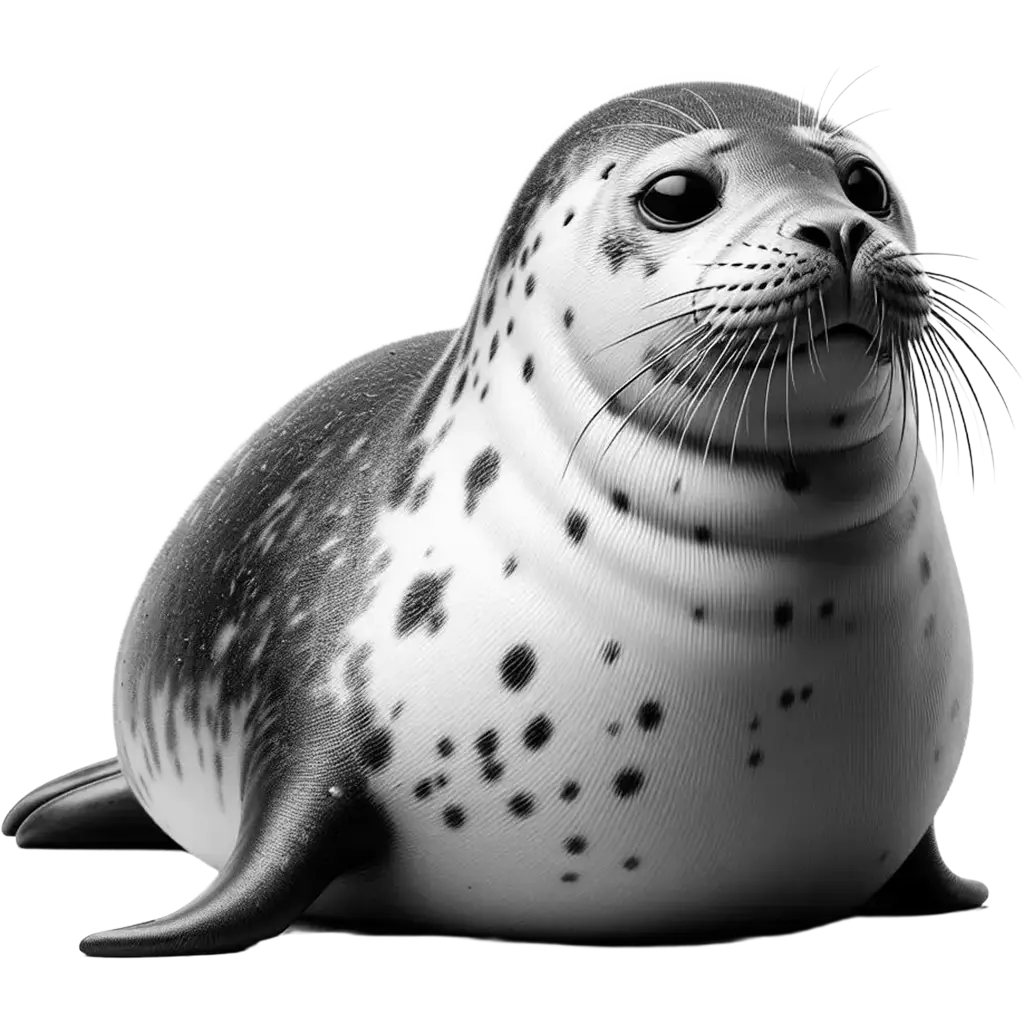
The Harbor Seal, Phoca vitulina, is a widespread species of seal found in temperate coastal waters of the Northern Hemisphere, including the North Atlantic and Pacific Oceans. Adults typically measure between 1.5 to 1.9 meters (5 to 6.25 feet) in length and weigh between 55 to 168 kilograms (120 to