Ammotragus Lervia
Barbary Sheep
Arid mountainous regions, rocky outcrops, and desert areas
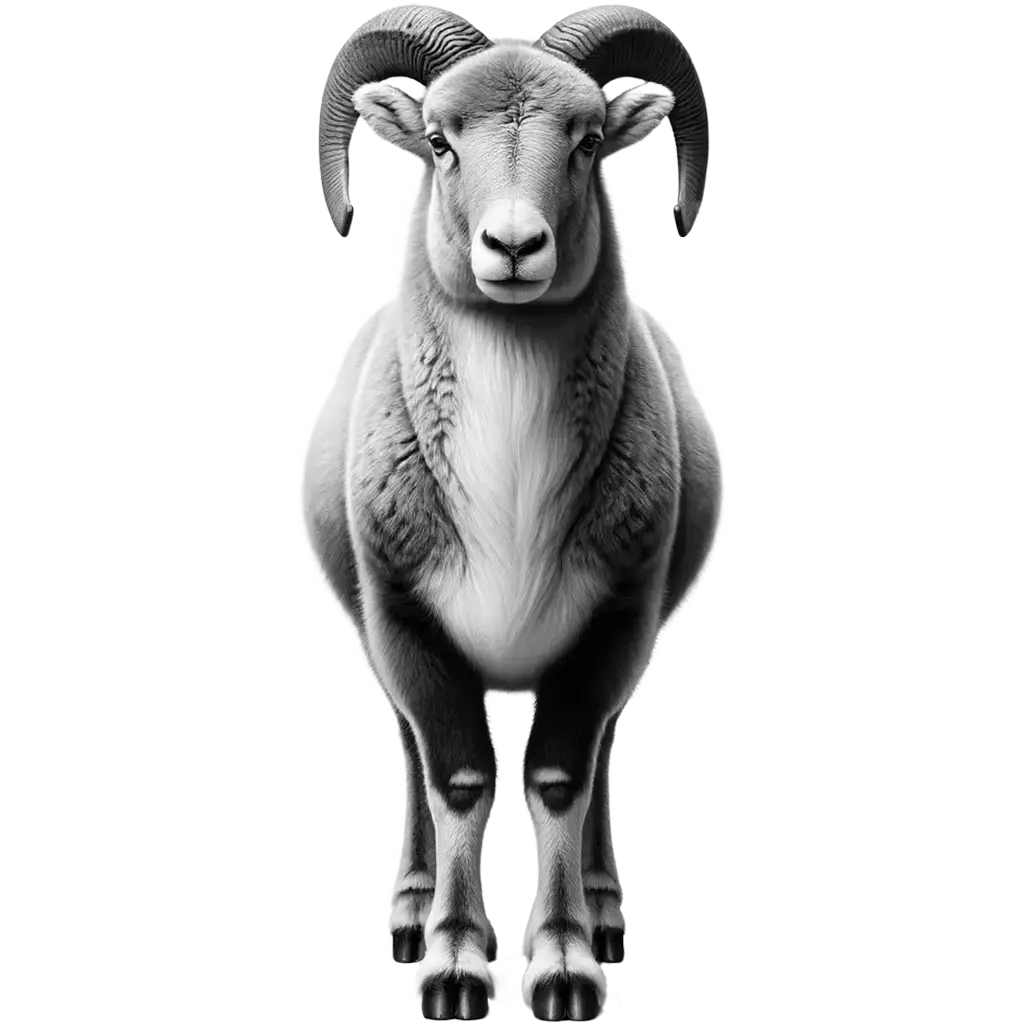
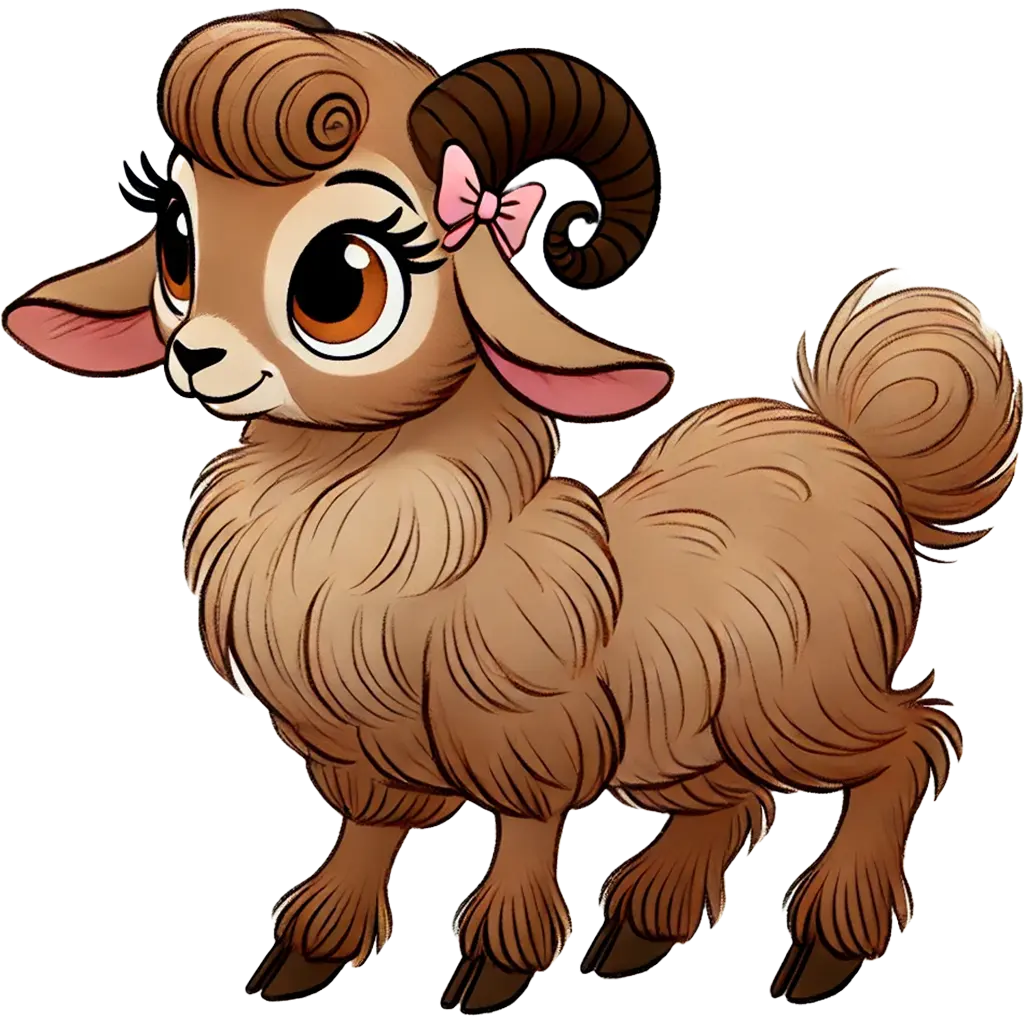
The Barbary Sheep, ammotragus lervia, also known as the Aoudad, is a rugged, mountain-dwelling ungulate native to the rocky mountains and desert landscapes of North Africa. This species is characterized by its sandy to reddish-brown coat, which helps it blend into its arid surroundings, and a distinctive mane that runs down the throat, chest, and upper part of the forelegs. Both males and females possess impressive, backward-curving horns that can reach up to 50 cm in length in males, adding to their formidable appearance. Adults can weigh between 40 to 140 kg, with males generally larger and more robust than females. The Barbary Sheep's physical adaptations, including splayed hooves for climbing steep terrain, make it well-suited to life in harsh environments.
| Population: | Listed as Vulnerable due to hunting and habitat loss |
| Generation Length: | 6-7 years |
| Average Weight: | 40-140 kg, with males generally larger than females |
| Average Length: | Body length: 130-165 cm, Height at shoulder: 80-100 cm |
| Lifespan: | 10-20 years in the wild |
| Diet: | Herbivorous, consuming available plant material in harsh environments |
| Conservation Status: | Vulnerable (VU) |
Barbary Sheep are highly adaptable and can be found in a range of habitats, from arid mountain ranges to sandy deserts. They are primarily diurnal, spending the cooler parts of the day foraging for food and resting in shaded areas during the peak heat. These animals are known for their exceptional climbing abilities, allowing them to navigate the rugged terrain of their habitat with ease. Social structures vary, with females and young forming herds, while males may live solitarily or in small bachelor groups.
The diet of the Barbary Sheep is herbivorous, consisting mainly of grasses, herbs, and shrubs, which they are adept at finding in their sparse environments. Their ability to derive sufficient moisture from their food allows them to survive in areas with limited water sources, showcasing their adaptation to desert life.
Reproduction in Barbary Sheep occurs year-round, with peaks that coincide with local environmental conditions. Females give birth to one or two offspring after a gestation period of about 160 days. The young are born well-developed and are able to follow their mothers over rugged terrain within a few days of birth, a critical survival trait in their predator-rich habitats.
The population of the Barbary Sheep is considered Vulnerable, with declining numbers due to overhunting, habitat loss, and competition with livestock for resources. Conservation efforts are crucial for their survival, focusing on habitat protection, regulated hunting, and reintroduction programs in their native range. The preservation of the Barbary Sheep is important not only for biodiversity but also for the ecological balance of their arid and mountainous habitats.
Classifications
The Key Attributes
Features
- Movement:
Walking, running, climbing
- Territorial Behavior:
Somewhat territorial, with males establishing dominance hierarchies
- Speed:
Not specifically quantified; known for excellent climbing ability and agility on rocky terrain
- Diet:
Herbivore
- Physical Features:
- Heavyset body with a thick neck and long, slender legs
- Both sexes have backward-curving horns, which are larger and thicker in males
- Short tail and a mane of longer hair on the neck and front legs
- Coarse, sandy to brownish coat that helps in camouflage
- Primary Senses:
- Sight
- Hearing
- Smell
Understanding Habitat and Range
Geography
- Habitat:
Arid mountainous regions, rocky outcrops, and desert areas
- Migration Patterns:
Non-migratory, but may move within their home range in search of food and water
- Geographical Range:
Native to the rocky mountains in North Africa; introduced populations exist in North America, Europe, and other parts of Africa
- Climate Preferences:
Prefers arid and semi-arid environments
Navigating the Wilderness
In the wild
- Predators:
Mainly humans; natural predators include leopards and hyenas in parts of their range
- Prey:
Not applicable
- Feeding Behavior:
Grazes and browses on a variety of vegetation, including grasses, shrubs, and leaves
- Diet:
Herbivorous, consuming available plant material in harsh environments
- Defensive Mechanisms:
- Agile climbers, escaping predators by going to steep, rocky terrain
- Horns used in defense against threats
- Preferred Food Sources:
- Diverse vegetation in arid mountainous and desert landscapes
Insights Into Reproduction
Mating
- Mating System:
Polygynous
- Number of Offspring:
Usually one, sometimes two lambs
- Gestation Period:
About 160 days
- Parental Involvement:
- Females care for the young, with lambs able to follow the mother within a day after birth
Youngsters Section
Barbary Sheep
Fun Fact
Barbary sheep are the only wild sheep species native to Africa.
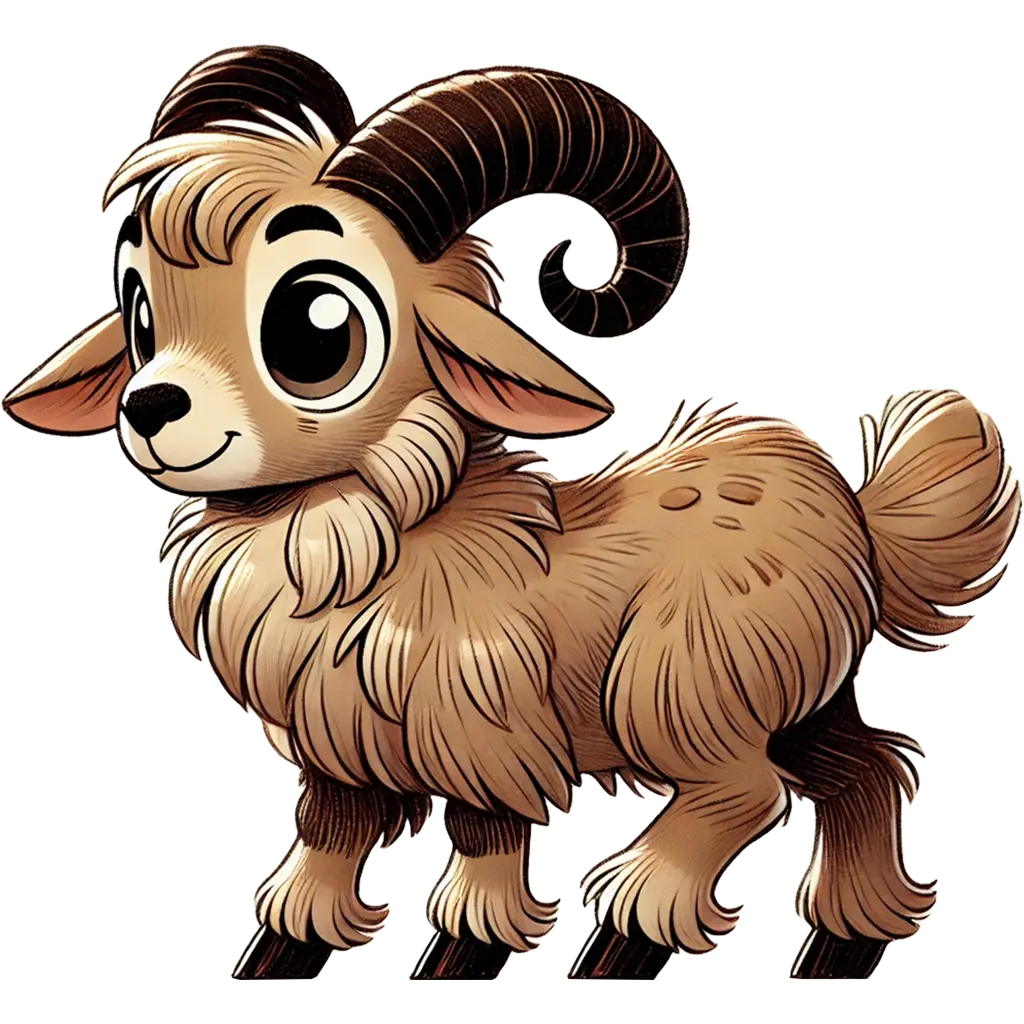
These sheep are well adapted to arid environments, thriving in rocky, mountainous areas with scarce vegetation. They are excellent climbers, using their strong legs and hooves to navigate steep terrain. Barbary sheep have a distinctive mane of hair along their throat and chest, which adds to their unique appearance.
Download word search puzzles
Word Search Puzzles
Check Out Other Mammals
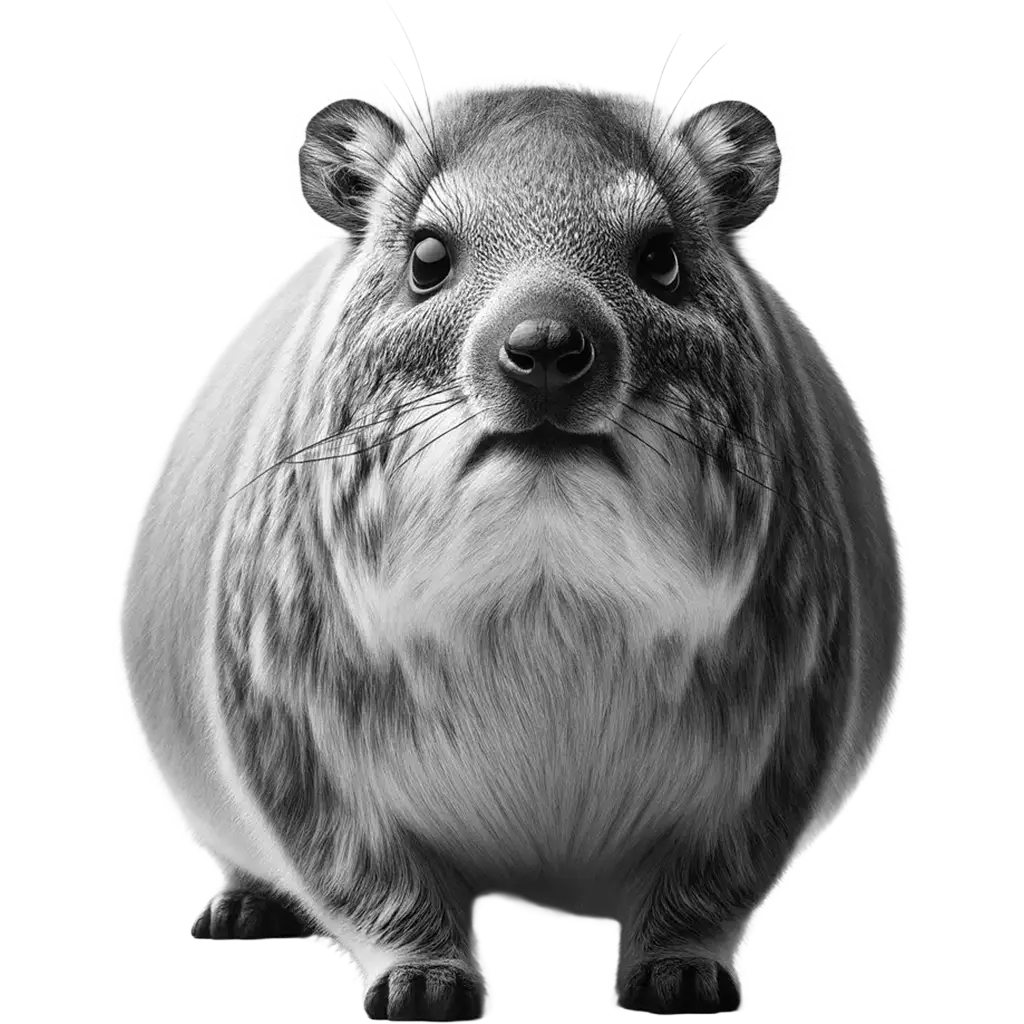
The Western Tree Hyrax, dendrohyrax dorsalis, is a lesser-known mammal native to the forests of Western and Central Africa. This creature is characterized by its thick, coarse fur, which ranges in color from dark brown to gray, and a distinctive dorsal spot that is lighter in color. Adult tree hyraxes
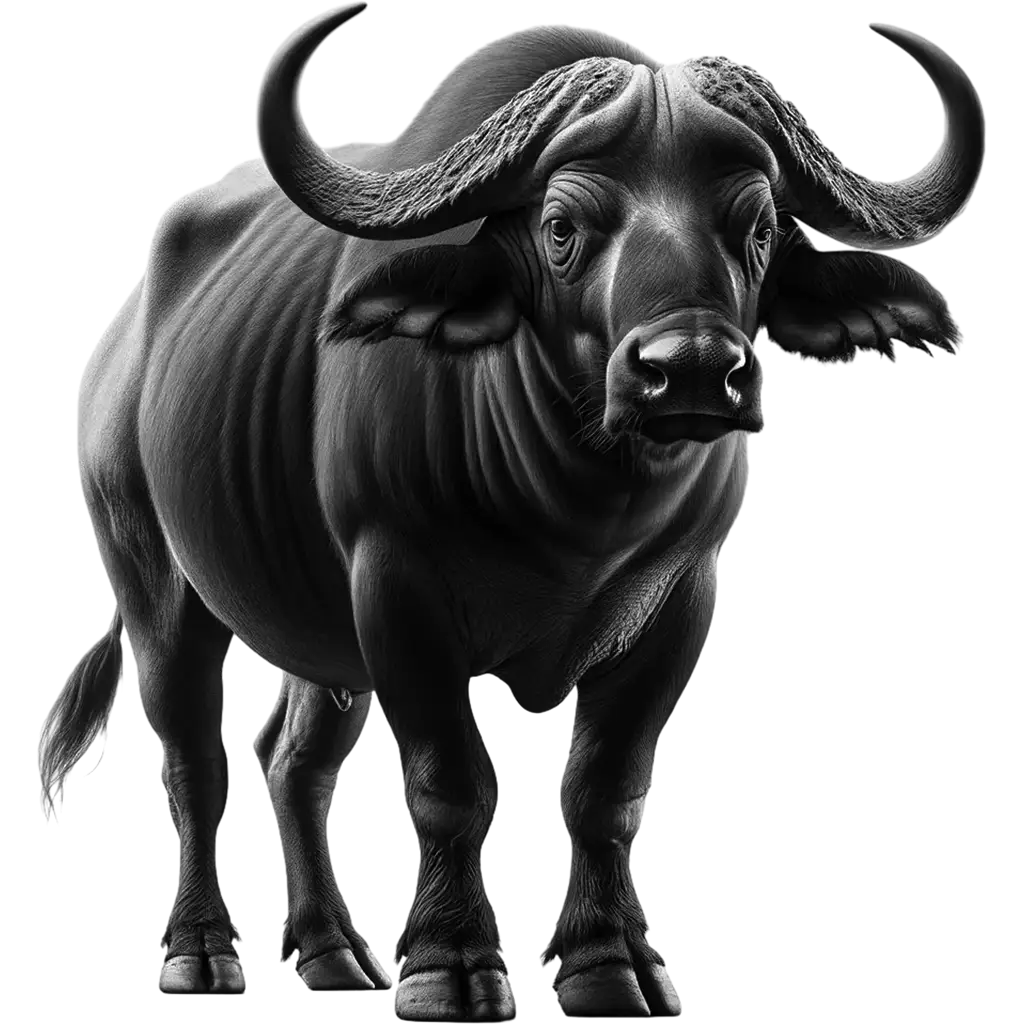
The African Forest Buffalo, syncerus caffer nanus, also known as the dwarf buffalo, is significantly smaller than its cousin, the African cape buffalo. It stands about 1 meter tall at the shoulder and weighs between 250 to 320 kilograms. Its body is compact and muscular, with a reddish or chocolate
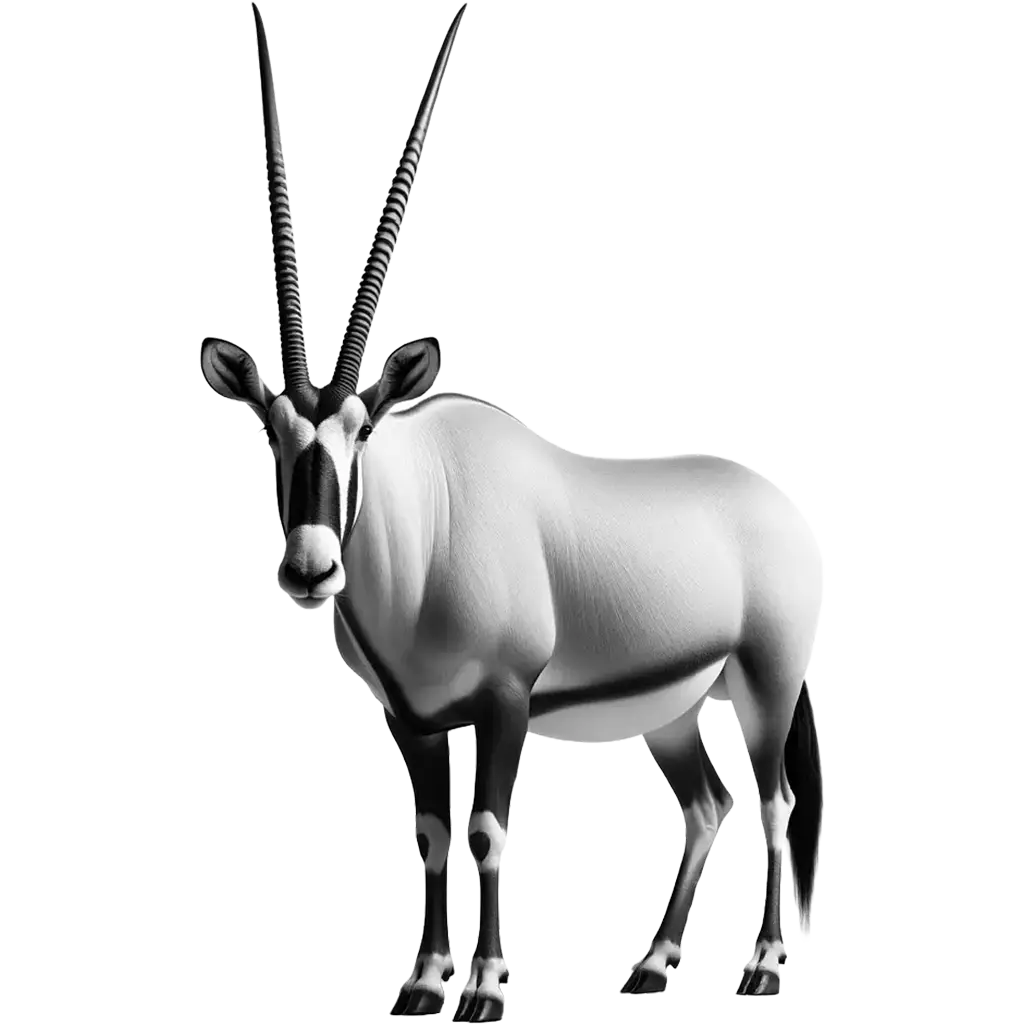
The Arabian Oryx, oryx leucoryx, is a striking antelope renowned for its elegant beauty and resilience, adapted to survive in the harsh desert environments of the Arabian Peninsula. Adults stand about 1 meter at the shoulder and weigh between 60 to 100 kg. Their coat is predominantly white with contrasting
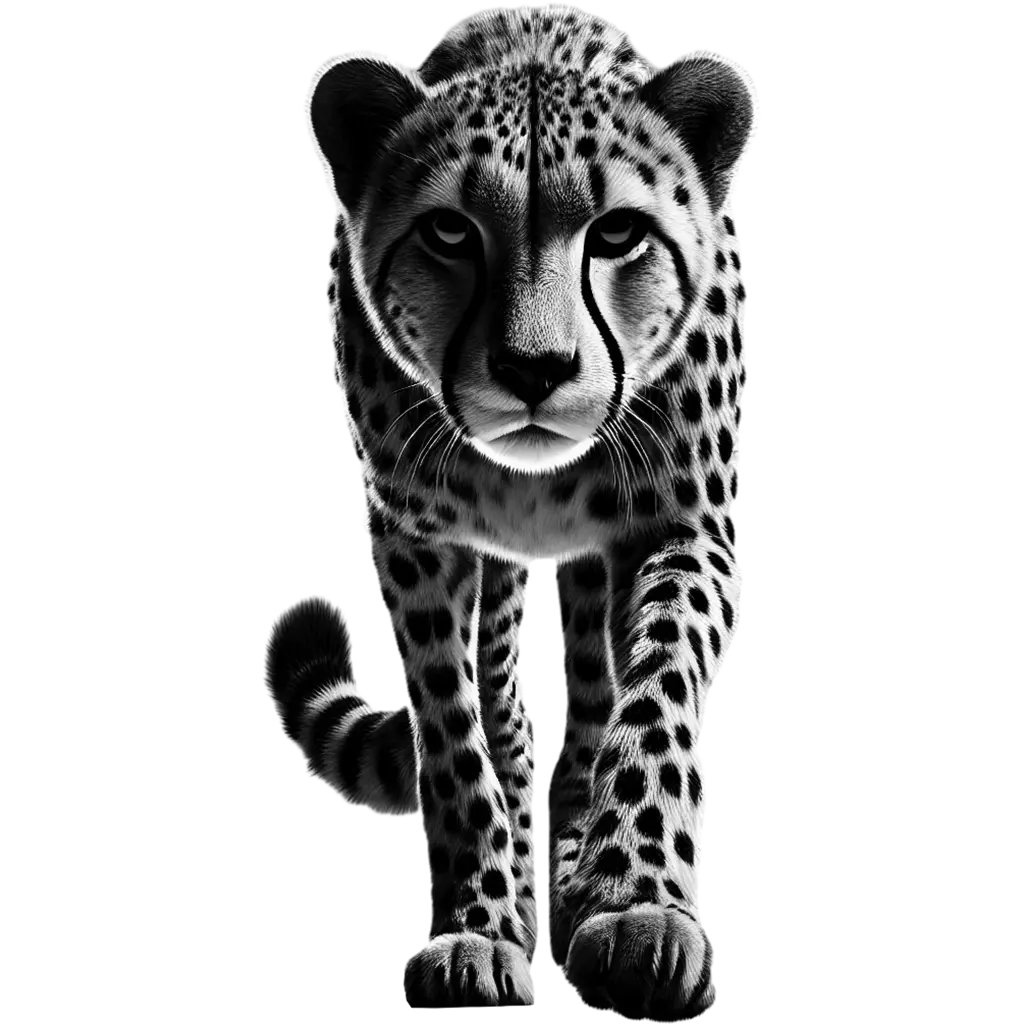
The Cheetah, acinonyx jubatus, stands as a symbol of speed and agility in the animal kingdom, holding the title of the fastest land animal, capable of reaching speeds up to 75 mph (120 km/h) in short bursts covering distances up to 1,500 feet (460 meters). This slender, long-legged feline is