Oryx Leucoryx
Arabian Oryx
Arid desert, grassy plains, and scrublands
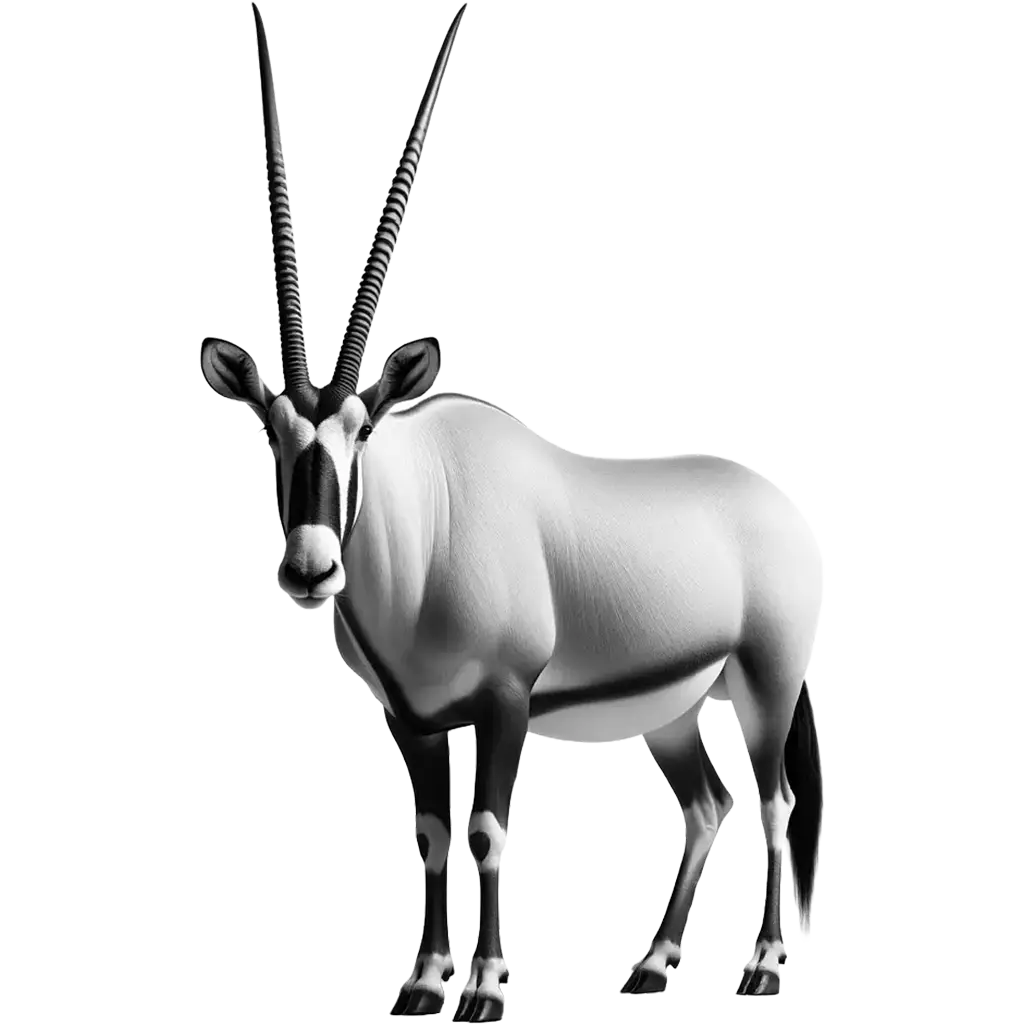
The Arabian Oryx, oryx leucoryx, is a striking antelope renowned for its elegant beauty and resilience, adapted to survive in the harsh desert environments of the Arabian Peninsula. Adults stand about 1 meter at the shoulder and weigh between 60 to 100 kg. Their coat is predominantly white with contrasting dark markings on the face and legs, an adaptation that reflects the sun's rays to avoid overheating. Both males and females possess long, straight horns that can reach up to 75 cm in length, used for defense against predators.
| Population: | Listed as Vulnerable, previously extinct in the wild but reintroduced through conservation efforts |
| Generation Length: | 5-6 years |
| Average Weight: | 60-100 kg |
| Average Length: | 1-1.5 meters at the shoulder |
| Lifespan: | 20 years in the wild |
| Diet: | Herbivorous, with a diet adapted to sparse desert vegetation |
| Conservation Status: | Vulnerable (VU) |
Once on the brink of extinction in the wild, the Arabian Oryx has been the subject of successful conservation efforts that reintroduced them to their natural habitats. They now inhabit protected areas across the Arabian Peninsula, including Oman, Saudi Arabia, the United Arab Emirates, and Jordan. These oryxes are well-adapted to the desert, able to detect rainfall from a distance and migrate to find new growths of grass.
The diet of the Arabian Oryx consists mainly of grasses, herbs, and shrubs, with an ability to go for long periods without water. They can obtain moisture from dew and the plants they consume, an essential adaptation for survival in arid environments. This diet is complemented by their ability to conserve water and regulate their body temperature under extreme heat.
Reproduction in the Arabian Oryx occurs throughout the year, with a peak in births observed after the rainy season when food is more abundant. Females give birth to a single calf after a gestation period of about eight and a half months. The calves are well developed at birth and can run within hours, though they remain hidden for the first few weeks of life under the mother's protection.
The population of the Arabian Oryx, once extinct in the wild, has been gradually increasing thanks to intensive conservation efforts, including captive breeding and reintroduction programs. These efforts have led to the species being downlisted from Endangered to Vulnerable on the IUCN Red List. However, they continue to face threats from habitat loss, illegal hunting, and climate change, making ongoing conservation initiatives critical for their survival.
Classifications
The Key Attributes
Features
- Movement:
Walking, running
- Territorial Behavior:
Social, forming herds
- Speed:
Capable of running at high speeds in short bursts
- Diet:
Herbivore
- Physical Features:
- White coat reflecting the sun's rays to avoid overheating
- Long, straight horns used for defense
- Thick eyelashes and narrow nostrils to protect against sand
- Well-adapted to arid environments with a keen ability to conserve water
- Primary Senses:
- Sight
- Hearing
- Smell
Understanding Habitat and Range
Geography
- Habitat:
Arid desert, grassy plains, and scrublands
- Migration Patterns:
Nomadic within their desert habitat, following rain and food sources
- Geographical Range:
Arabian Peninsula, including Oman, UAE, Saudi Arabia, Jordan, and reintroduced in Israel and Syria
- Climate Preferences:
Prefers arid and semi-arid climates with sparse vegetation
Navigating the Wilderness
In the wild
- Predators:
Predominantly humans; historically, large carnivores like lions and leopards
- Prey:
Not applicable
- Feeding Behavior:
Grazes on grasses, herbs, and shrubs, able to survive without water for long periods
- Diet:
Herbivorous, with a diet adapted to sparse desert vegetation
- Defensive Mechanisms:
- Horns for self-defense
- Group living for predator detection and deterrence
- Endurance running to escape threats
- Preferred Food Sources:
- Areas where fresh growth occurs after rainfalls
- Adapted to make use of scattered and sparse desert vegetation
Insights Into Reproduction
Mating
- Mating System:
Polygynous, with dominant males breeding with multiple females
- Number of Offspring:
Usually one calf
- Gestation Period:
About 9 months
- Parental Involvement:
- Females care for the calves with some protection from the herd
Youngsters Section
Arabian Oryx
Fun Fact
The Arabian Oryx was once extinct in the wild but was reintroduced through successful conservation efforts.
These majestic antelopes are well-adapted to desert life, with a white coat to reflect sunlight and prevent overheating. They can go weeks without water, obtaining moisture from the plants they eat, making them resilient survivors in harsh environments.
Download word search puzzles
Word Search Puzzles
Check Out Other Mammals
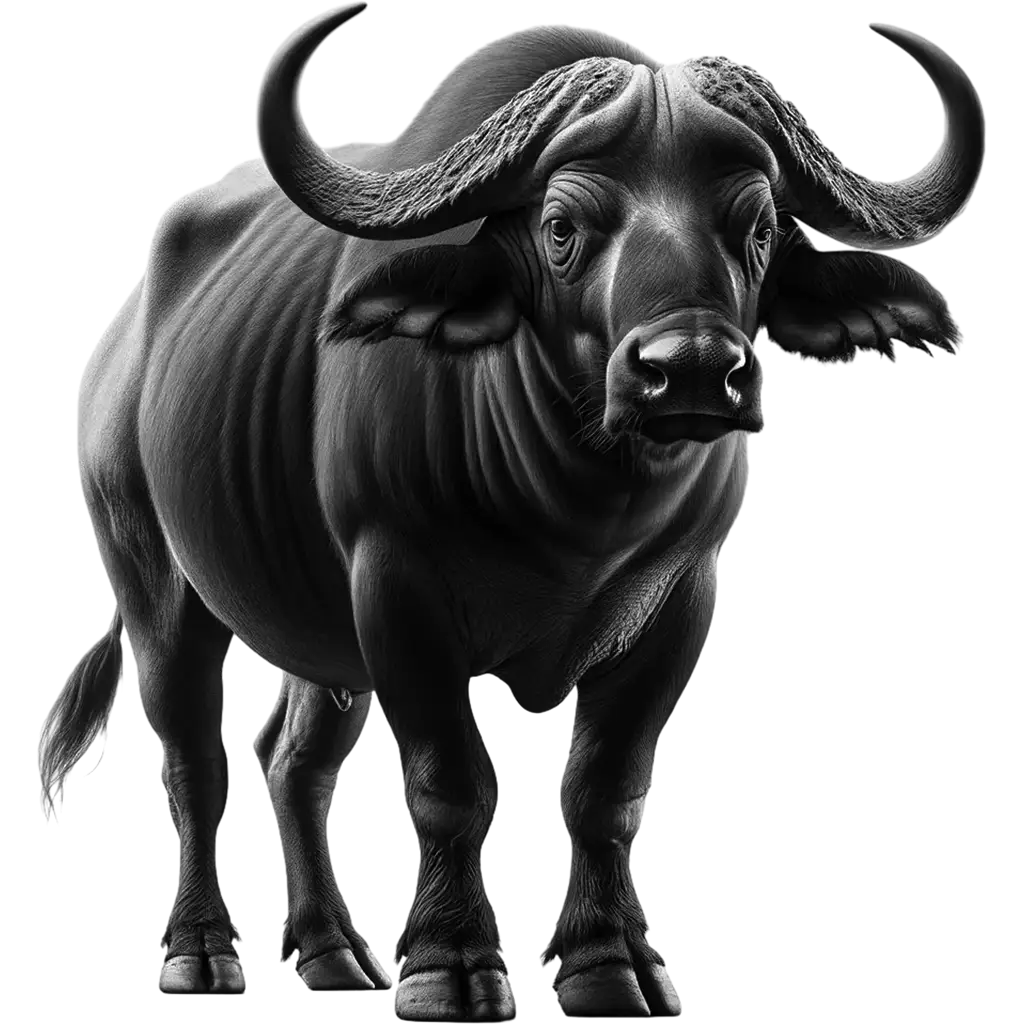
The African Forest Buffalo, syncerus caffer nanus, also known as the dwarf buffalo, is significantly smaller than its cousin, the African cape buffalo. It stands about 1 meter tall at the shoulder and weighs between 250 to 320 kilograms. Its body is compact and muscular, with a reddish or chocolate
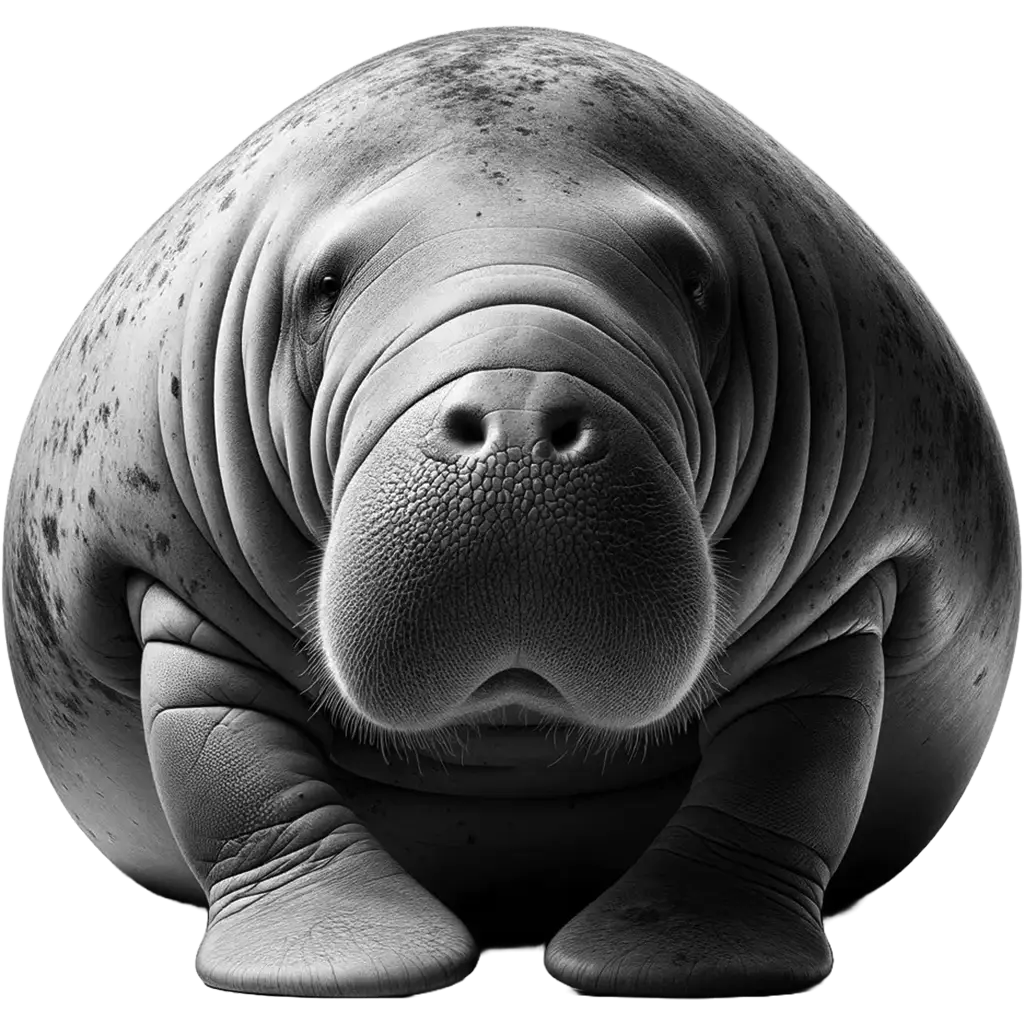
The African Manatee, trichechus senegalensis, is a gentle aquatic mammal found in the waterways of West Africa, from Senegal to Angola. This species, one of the least studied of all manatees, has a robust, streamlined body that can reach lengths of up to 4.5 meters and weigh as much as
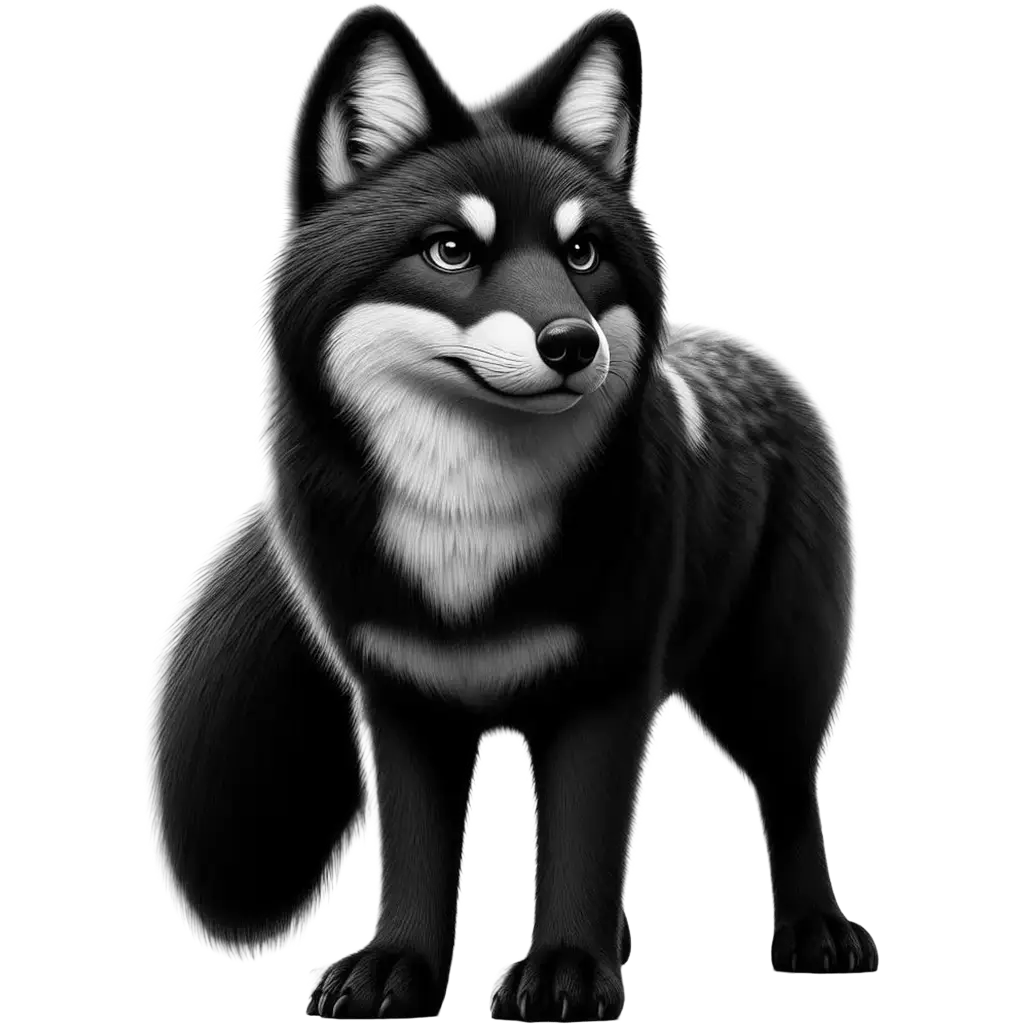
The Golden Jackal, canis aureus, is a highly adaptable and versatile canid species native to North and East Africa, Southeastern Europe, and South Asia, extending through the Middle East to Southeast Asia. Characterized by its golden, yellowish-brown fur, the Golden Jackal is of medium size, typically weighing between 7 to
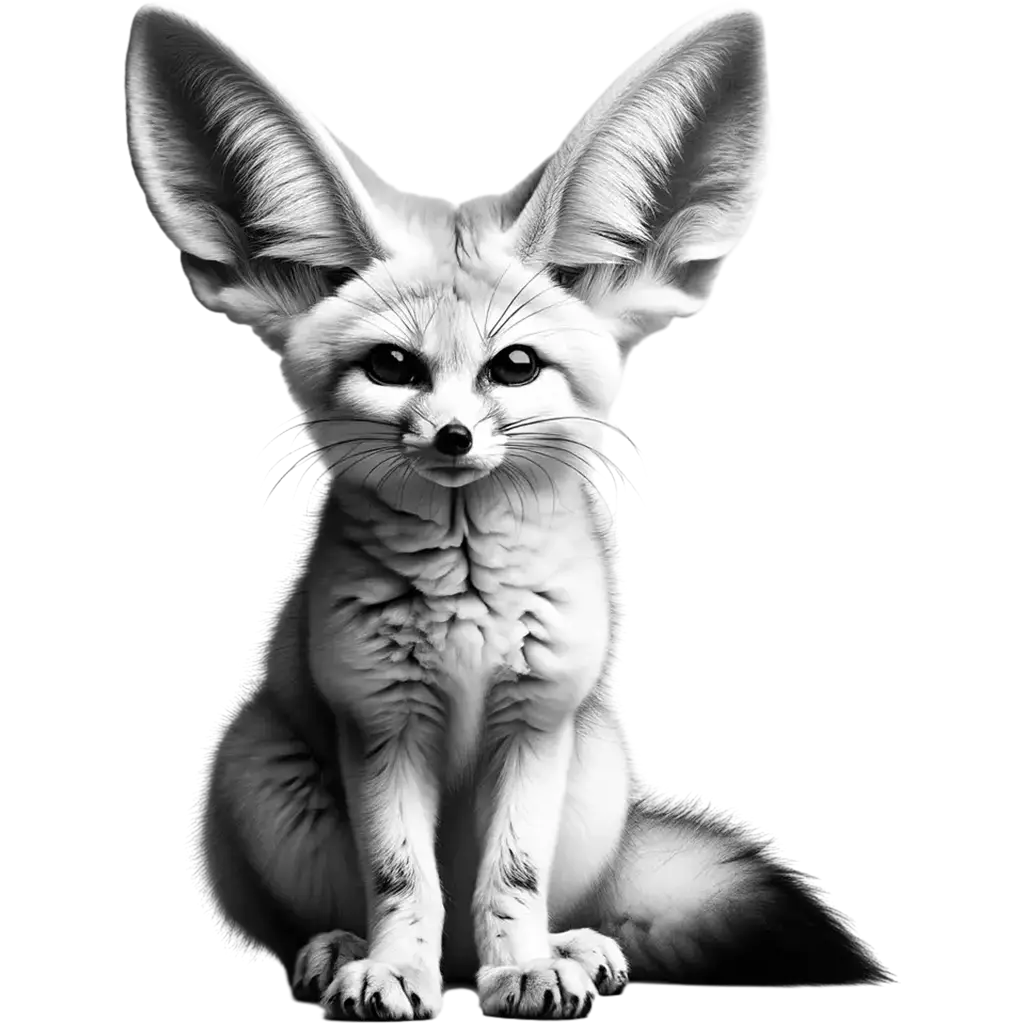
The Fennec Fox, vulpes zerda, is the smallest species of canid, renowned for its distinctive large ears and diminutive size. Adults typically weigh between 0.9 to 1.5 kg and measure about 24 to 41 cm in length, with an additional 20 cm for the tail. Their most striking feature, the