
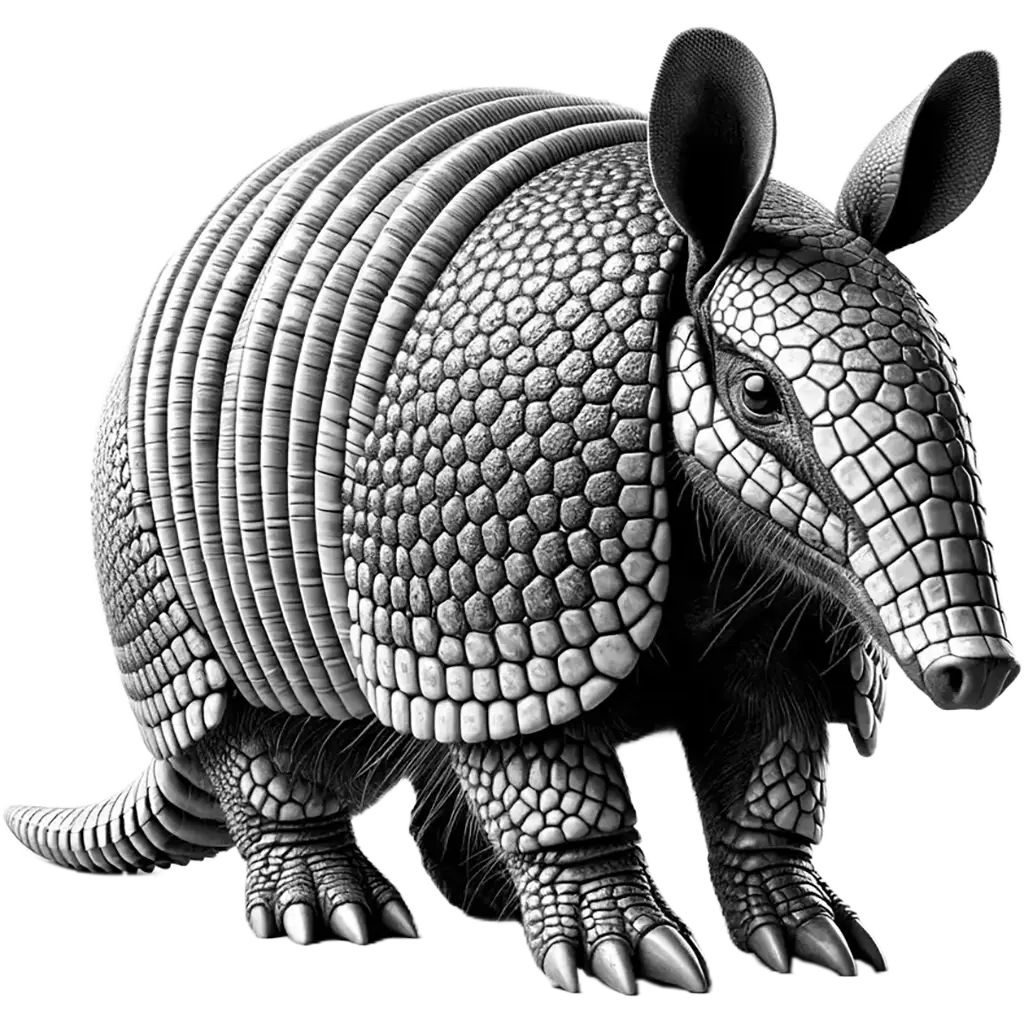
Dasypus Novemcinctus
Nine-Banded Armadillo
Forests, grasslands, and semi-deserts
The Nine-Banded Armadillo, Dasypus novemcinctus, is a medium-sized mammal known for its distinctive armor-like shell, consisting of flexible, bony plates that cover its back, sides, head, and tail. This unique adaptation provides protection against predators. Adult armadillos typically measure between 38 to 58 centimeters in body length, with a 26 to 53 centimeter tail, and weigh between 2.5 to 6.5 kilograms. Their shell is predominantly grayish-brown, complementing their sparse, white to yellowish body fur. They have long, pointed snouts and small, beady eyes, with powerful, clawed limbs ideal for digging.
| Population: | Widespread and abundant |
| Generation Length: | 2-3 years |
| Average Weight: | 2.5-6.5 kg |
| Average Length: | 38-58 cm (body), 26-53 cm (tail) |
| Lifespan: | 7-20 years |
| Diet: | Primarily insects and other invertebrates |
| Conservation Status: | Least Concern (LC) |
Nine-Banded Armadillos inhabit a variety of environments, from rainforests to grasslands and semi-deserts, primarily in the southern United States, Mexico, Central America, and parts of South America. They are solitary, nocturnal animals, spending the day in burrows they excavate themselves. These burrows serve as protection from extreme weather and predators. Armadillos have poor vision but compensate with a keen sense of smell, which they use to forage for food at night. Their diet primarily consists of insects, grubs, and other small invertebrates, which they dig out of the ground with their claws.
The diet of the Nine-Banded Armadillo is mainly insectivorous, focusing on ants, termites, and other small invertebrates. They also occasionally consume fruits, seeds, and small vertebrates. Their foraging behavior significantly impacts the soil, promoting aeration and mixing of the soil layers, which can benefit plant growth. However, this behavior can also lead to conflicts with humans, especially in agricultural and garden settings, where their digging can be destructive.
Mating for the Nine-Banded Armadillo occurs once a year, typically in the summer. After a gestation period that includes a delayed implantation of the embryo, females give birth to four genetically identical young, a unique reproductive trait among mammals. The offspring are born in a burrow and remain with the mother for several months before setting out on their own. This reproductive strategy ensures a high survival rate for the young, as they are born relatively well-developed with a soft, leathery shell that hardens over time.
The population of the Nine-Banded Armadillo is considered stable and even expanding in some areas. Their adaptability to various habitats and broad dietary preferences contribute to their success as a species. However, they are often viewed as pests due to their burrowing habits and potential as disease vectors, notably of leprosy, to humans through direct or indirect contact. Conservation efforts are not currently a priority for this species, but monitoring is necessary to understand their impact on ecosystems and to manage their interaction with human activities.
Classifications
The Key Attributes
Features
- Movement:
Quadrupedal
- Territorial Behavior:
Solitary, with overlapping territories
- Speed:
Not particularly fast; relies on digging and armor for protection
- Diet:
Insectivore
- Physical Features:
- Bony armor
- Long, pointed nose
- Small, beady eyes
- Primary Senses:
- Smell
- Hearing
Understanding Habitat and Range
Geography
- Habitat:
Forests, grasslands, and semi-deserts
- Migration Patterns:
Non-migratory
- Geographical Range:
Southern United States through Central America and into northern South America
- Climate Preferences:
Varies; adaptable to a range of climates
Navigating the Wilderness
In the wild
- Predators:
Coyotes, wolves, bears, and large birds of prey
- Prey:
Insects, worms, snails, and small vertebrates
- Feeding Behavior:
Nocturnal, foraging for insects, grubs, and other small invertebrates
- Diet:
Primarily insects and other invertebrates
- Defensive Mechanisms:
- Hard, protective shell
- Ability to dig quickly
- Can swim to escape predators
- Preferred Food Sources:
- Insects
- Worms
- Snails
Insights Into Reproduction
Mating
- Mating System:
Polygynous
- Number of Offspring:
4 (identical quadruplets)
- Gestation Period:
4 months
- Parental Involvement:
- Mother cares for young until they are independent
Youngsters Section
Nine-Banded Armadillo
Fun Fact
Nine-banded armadillos can jump 3-4 feet straight up when startled. They're the only armadillo species in the U.S.
They are known for their unique defense mechanism of curling into a ball. These creatures are excellent diggers, often creating burrows for shelter. They have a keen sense of smell, which helps them locate insects, their primary food source. Despite their armor, they are surprisingly good swimmers.

Download word search puzzles
Word Search Puzzles

Check Out Other Mammals

The Least Weasel, mustela nivalis, holds the distinction of being the smallest member of the Mustelidae family, which includes otters, badgers, and wolverines. Adults are remarkably diminutive, measuring only 11 to 26 cm in length, with a short tail of 1.2 to 3.4 cm, and weighing between 35 to 250

The Parti-Coloured Bat, vespertilio murinus, is a medium-sized bat species distinguished by its unique two-toned fur, from which it derives its name. The back of the bat features a contrasting pattern of dark brown or black with frosted tips, while the underside is a lighter grey or white, providing it
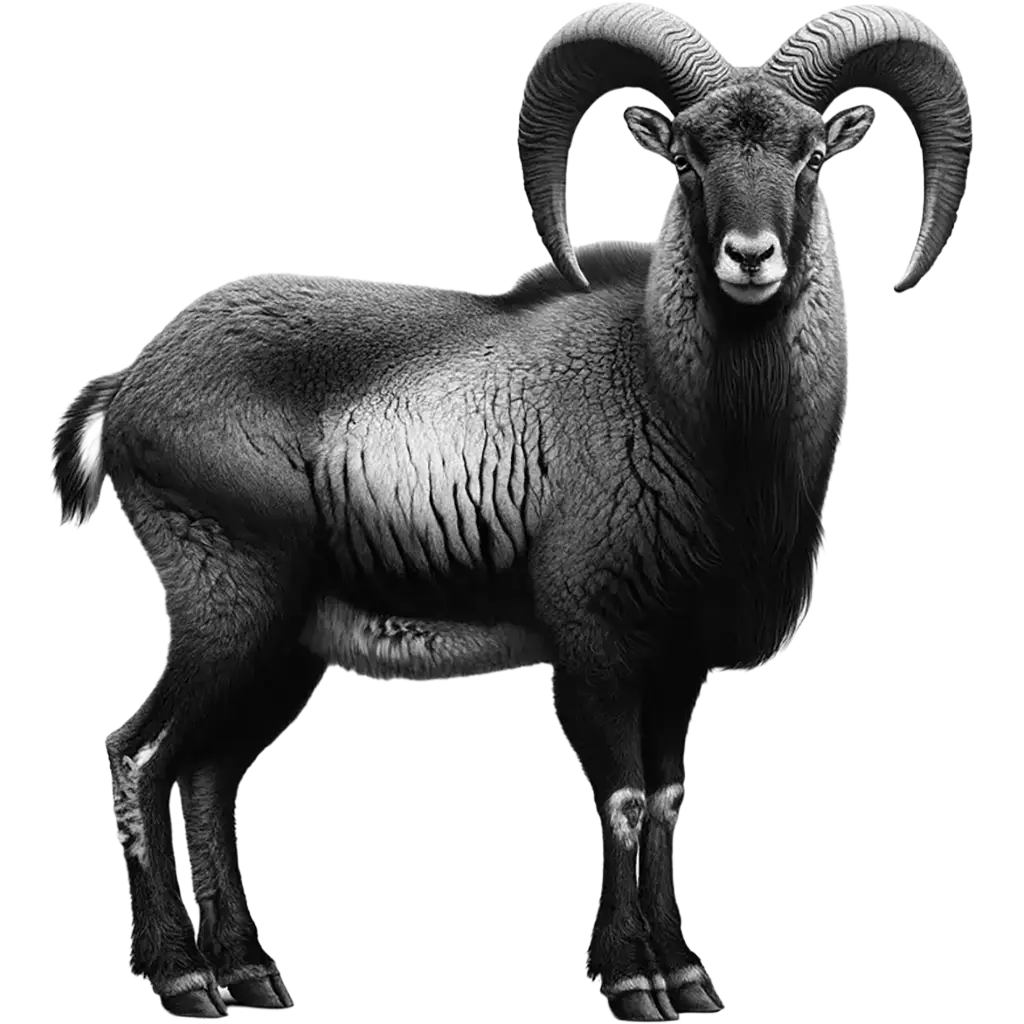
The Mouflon, ovis gmelini, is considered one of the ancestors of modern domestic sheep, distinguished by its rugged appearance and impressive horns. This wild sheep exhibits a short, brownish-red coat in summer that turns to a darker, thicker wool in winter, providing insulation against harsh climates. Males, or rams, boast

The Common Hippopotamus, hippopotamus amphibius, is a large, mostly herbivorous mammal native to sub-Saharan Africa, known for its immense size, with adults commonly weighing between 1,500 to 3,200 kilograms, though some males can weigh as much as 4,500 kilograms. Characterized by their barrel-shaped torsos, wide-opening mouths revealing large canine tusks,