
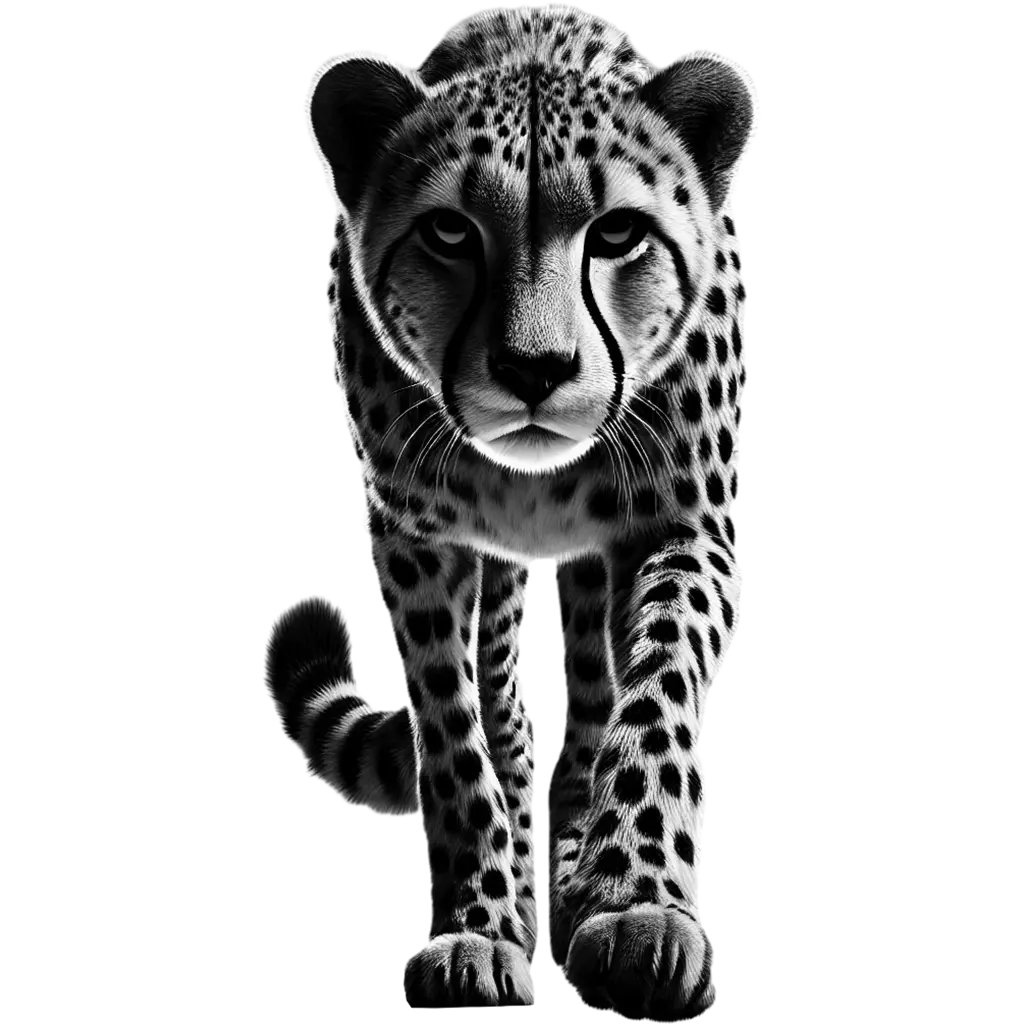
Acinonyx Jubatus
Cheetah
Grasslands, savannahs, and open forests
The Cheetah, acinonyx jubatus, stands as a symbol of speed and agility in the animal kingdom, holding the title of the fastest land animal, capable of reaching speeds up to 75 mph (120 km/h) in short bursts covering distances up to 1,500 feet (460 meters). This slender, long-legged feline is immediately recognizable by its golden-yellow coat marked with solid black spots, a small head with high-set eyes, and distinctive black tear stripes that run from the corner of each eye to the mouth. Adult Cheetahs typically measure 1.1 to 1.5 meters in length from head to rump, with a tail length of 65 to 80 centimeters, and weigh between 21 to 72 kilograms, with males generally being slightly larger than females.
| Population: | Less than 7,000 individuals |
| Generation Length: | 5 years |
| Average Weight: | 21-72 kg |
| Average Length: | 112-150 cm (body length), 60-80 cm (tail length) |
| Lifespan: | 10-12 years in the wild, up to 17 years in captivity |
| Diet: | Mainly gazelles, impalas, and other small to medium-sized ungulates |
| Conservation Status: | Vulnerable (VU) |
Cheetahs are primarily found in sub-Saharan Africa, with a small population in northeastern Iran. They prefer habitats that allow them to use their incredible speed, such as open savannas and grasslands, but they can also be found in mountainous terrains and deserts. Cheetahs are solitary or live in small groups, usually a mother and her cubs or coalitions of males. They rely on stealth and explosive speed to catch prey, typically hunting during the day to avoid larger predators like lions and hyenas.
The diet of the Cheetah primarily consists of small to medium-sized ungulates, such as gazelles and impalas. They employ a unique hunting technique that involves stalking their prey to within 60-70 meters before launching a high-speed chase that can last up to 20 seconds. Once the Cheetah catches its prey, it suffocates it with a bite to the throat. This high-speed pursuit demands a cool-down period after a hunt to prevent overheating.
Reproduction in Cheetahs involves no specific breeding season, with females capable of giving birth at any time of the year. After a gestation period of approximately 90 to 95 days, a female Cheetah gives birth to a litter of three to five cubs. The cubs are hidden in dense vegetation for the first few months, where the mother feeds and protects them until they are old enough to follow her and learn hunting skills.
The Cheetah is classified as Vulnerable by the IUCN Red List, facing threats from habitat loss due to human encroachment, conflict with livestock and game farmers, poaching, and a high susceptibility to diseases. Conservation efforts include habitat preservation, education and community-based conservation programs to mitigate human-wildlife conflict, and scientific research to enhance breeding programs. The survival of the Cheetah depends on these concerted efforts to ensure the preservation of their habitats and a reduction in the threats they face.
Classifications
The Key Attributes
Features
- Movement:
Quadrupedal
- Territorial Behavior:
Solitary or sibling groups
- Speed:
Can reach speeds up to 112 km/h in short bursts covering distances up to 500 m
- Diet:
Carnivore
- Physical Features:
- Slim, dog-like appearance
- Distinct black spots on golden-yellow fur
- Long, slender body and legs
- Small rounded head
- Primary Senses:
- Sight
- Hearing
- Smell
Understanding Habitat and Range
Geography
- Habitat:
Grasslands, savannahs, and open forests
- Migration Patterns:
Non-migratory, but has large home ranges
- Geographical Range:
Sub-Saharan Africa and a small population in northeastern Iran
- Climate Preferences:
Prefer warm climates
Navigating the Wilderness
In the wild
- Predators:
Larger predators (lions, hyenas) can kill cheetahs, especially cubs
- Prey:
Small to medium-sized ungulates
- Feeding Behavior:
Diurnal, relies on sight to hunt using speed and stealth
- Diet:
Mainly gazelles, impalas, and other small to medium-sized ungulates
- Defensive Mechanisms:
- Speed to escape threats
- Camouflage in grasslands
- Agility
- Preferred Food Sources:
- Gazelles
- Impalas
- Small ungulates
Insights Into Reproduction
Mating
- Mating System:
Polygynous
- Number of Offspring:
3-5 cubs
- Gestation Period:
90-95 days
- Parental Involvement:
- Mother raises the cubs with little to no involvement from the male
Youngsters Section
Cheetah
Fun Fact
Cheetahs are the fastest land animals, reaching speeds up to 60-70 mph in short bursts.
Their acceleration is incredible, going from 0 to 60 mph in just 3 seconds. This speed is crucial for catching prey, such as antelopes. Despite their speed, cheetahs have non-retractable claws for grip and a lightweight build, making them excellent sprinters but not long-distance runners.

Download word search puzzles
Word Search Puzzles


Check Out Other Mammals
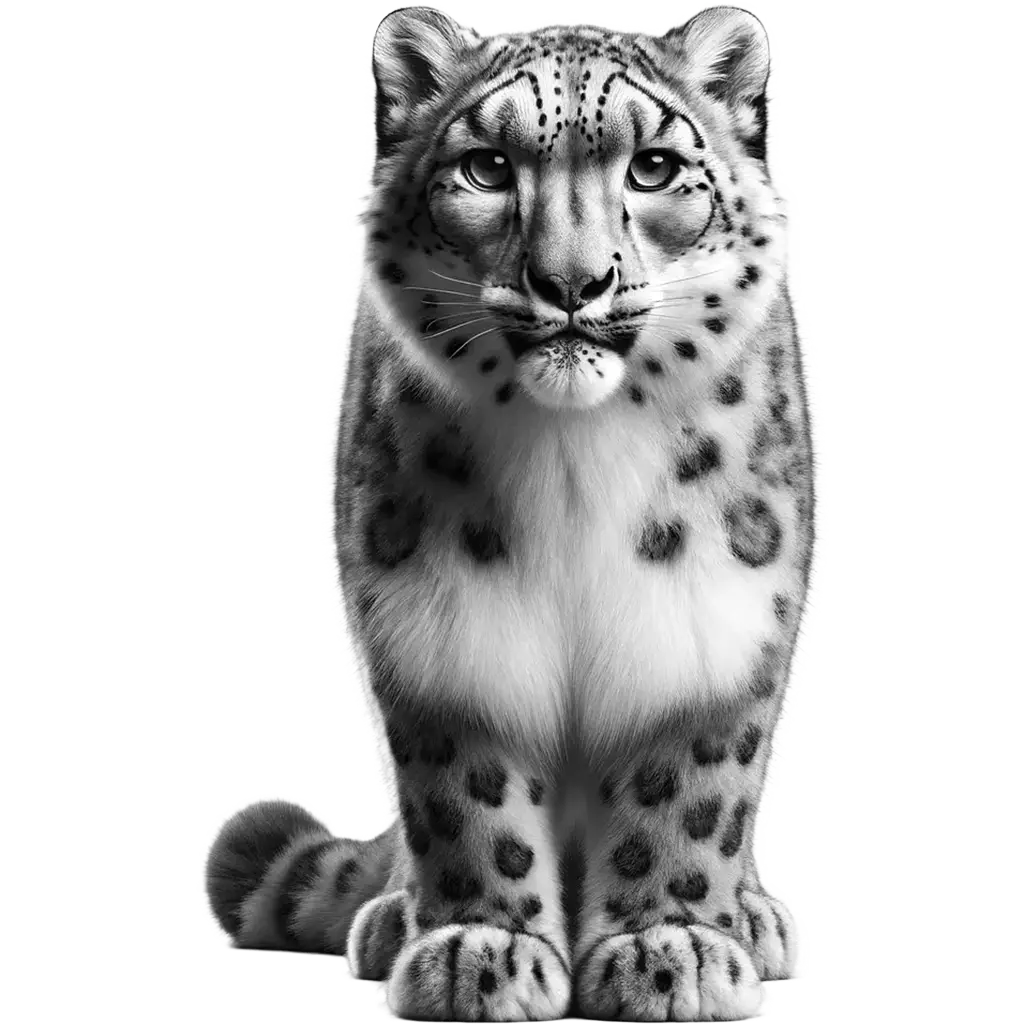
The Snow Leopard, panthera uncia, is a majestic and elusive big cat native to the mountain ranges of Central and South Asia. Renowned for its beautiful fur, the Snow Leopard has a thick, smoky-gray coat with black rosettes and spots, providing perfect camouflage in its snowy and rocky habitat. Adults
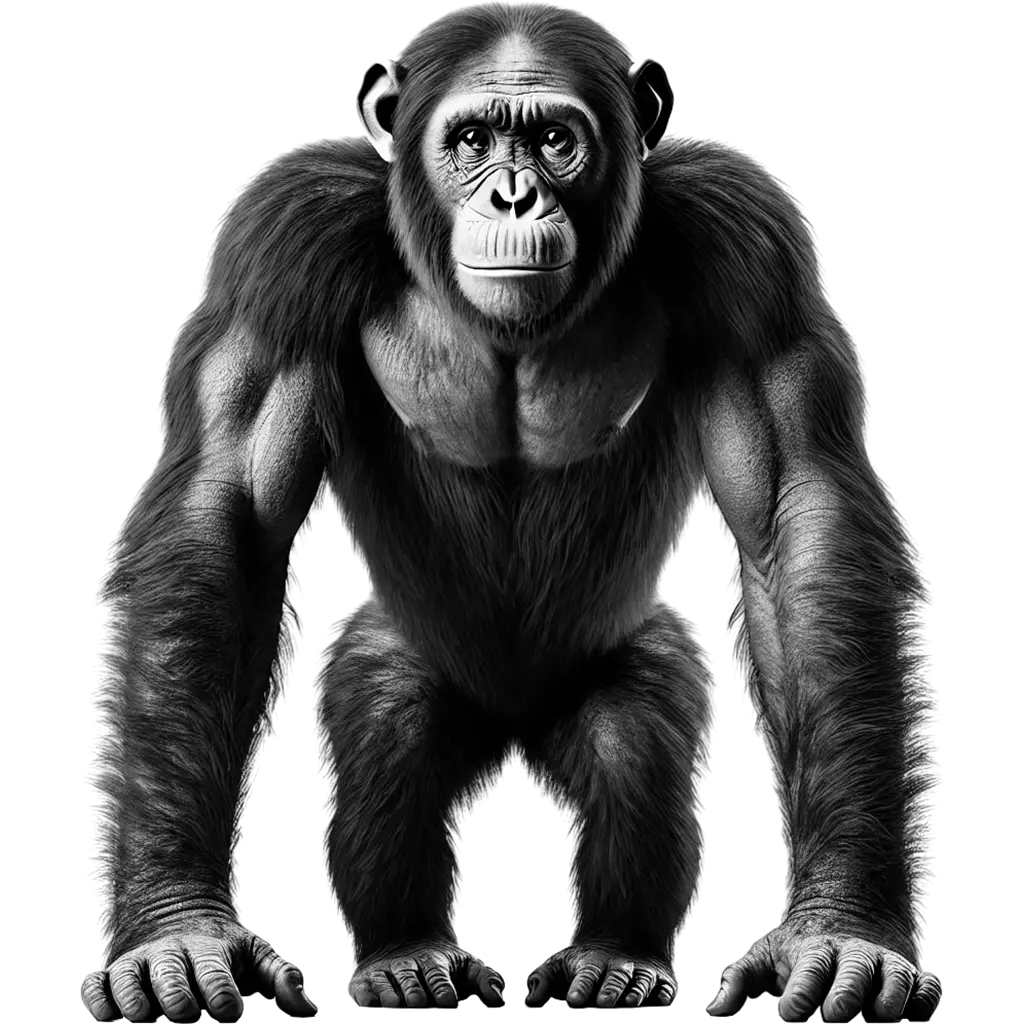
The Bonobo is a slender, graceful great ape with a fine, dark coat of hair that covers its lithe body, contrasting with a distinctly pinkish face and expressive, soft features. Its long arms and agile hands speak to its arboreal past, while its gentle eyes and unique facial expressions reflect
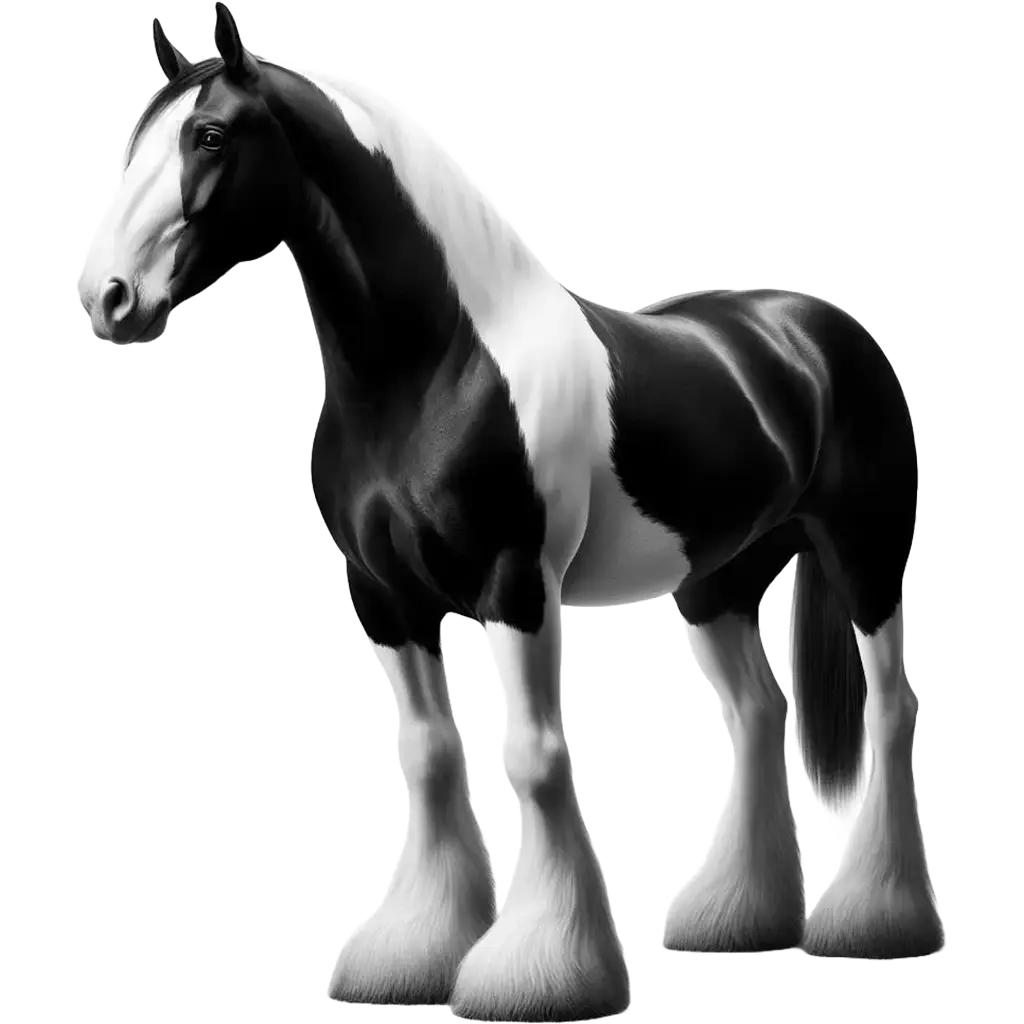
The Horse, equus ferus caballus, is a domesticated mammal that has been a close companion to humans for thousands of years, serving as a means of transport, a work animal, and a partner in recreation and sports. Horses vary widely in size, build, and coat color, with more than 300
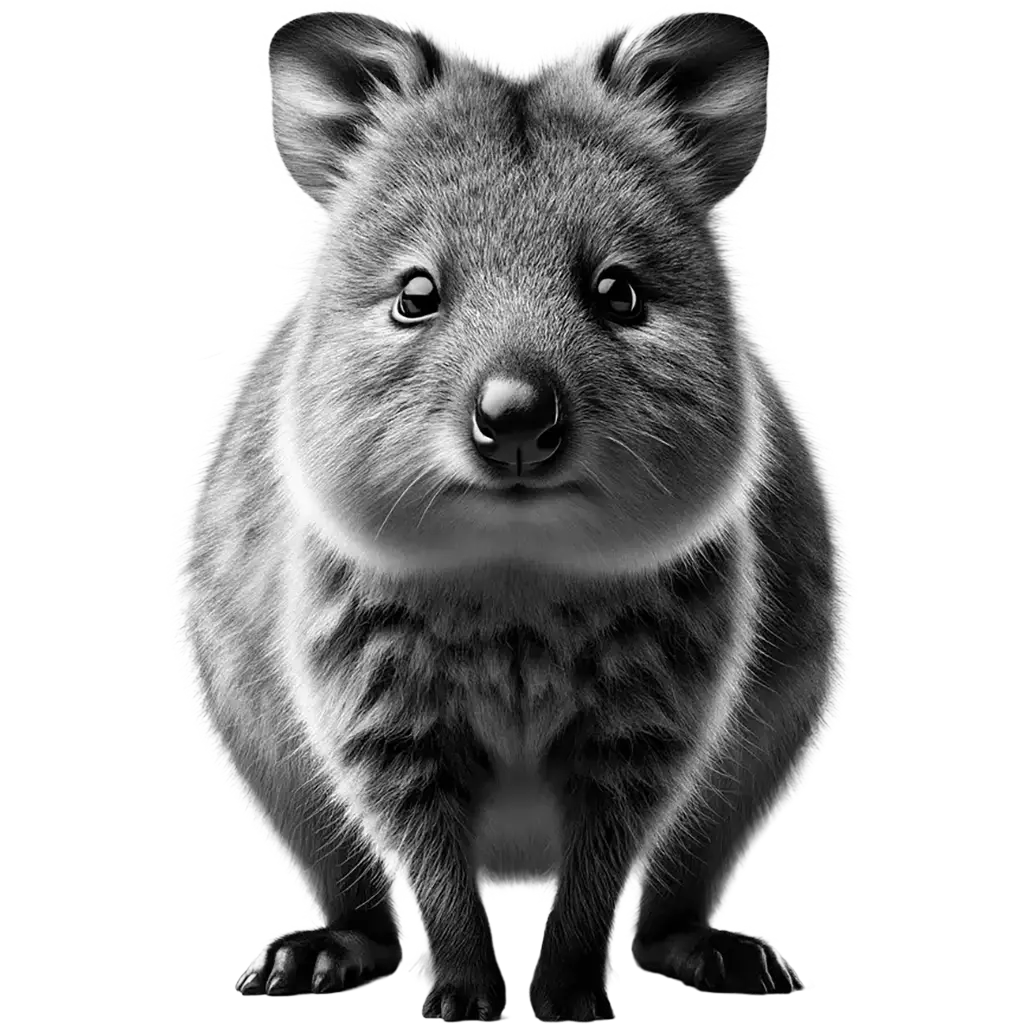
The Quokka, setonix brachyurus, is a small marsupial native to small islands off the coast of Western Australia, most notably Rottnest Island, as well as some areas in the mainland's southwestern part. Recognizable by its compact, rounded body, the Quokka is roughly the size of a domestic cat, with adults