

Loris Lydekkerianus
Gray Slender Loris
Tropical rainforests, dense scrub, and plantations
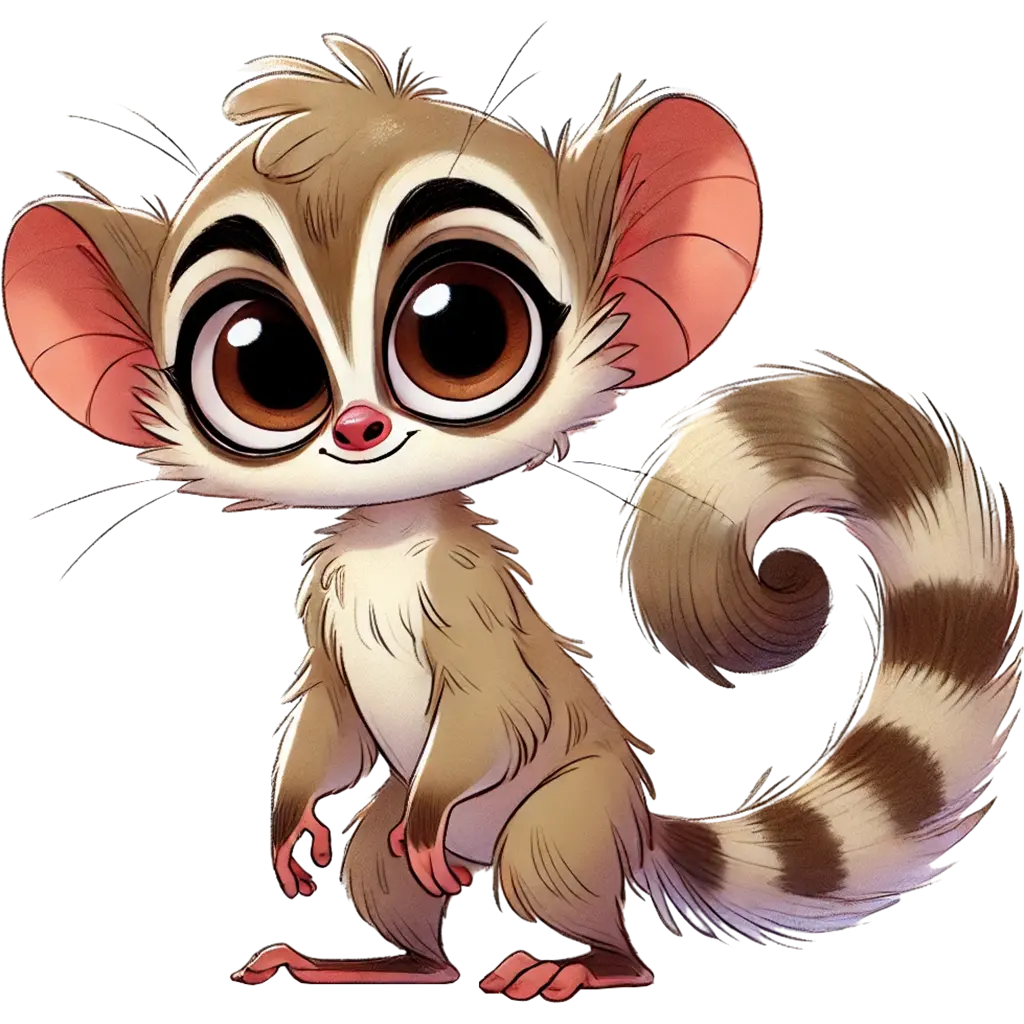
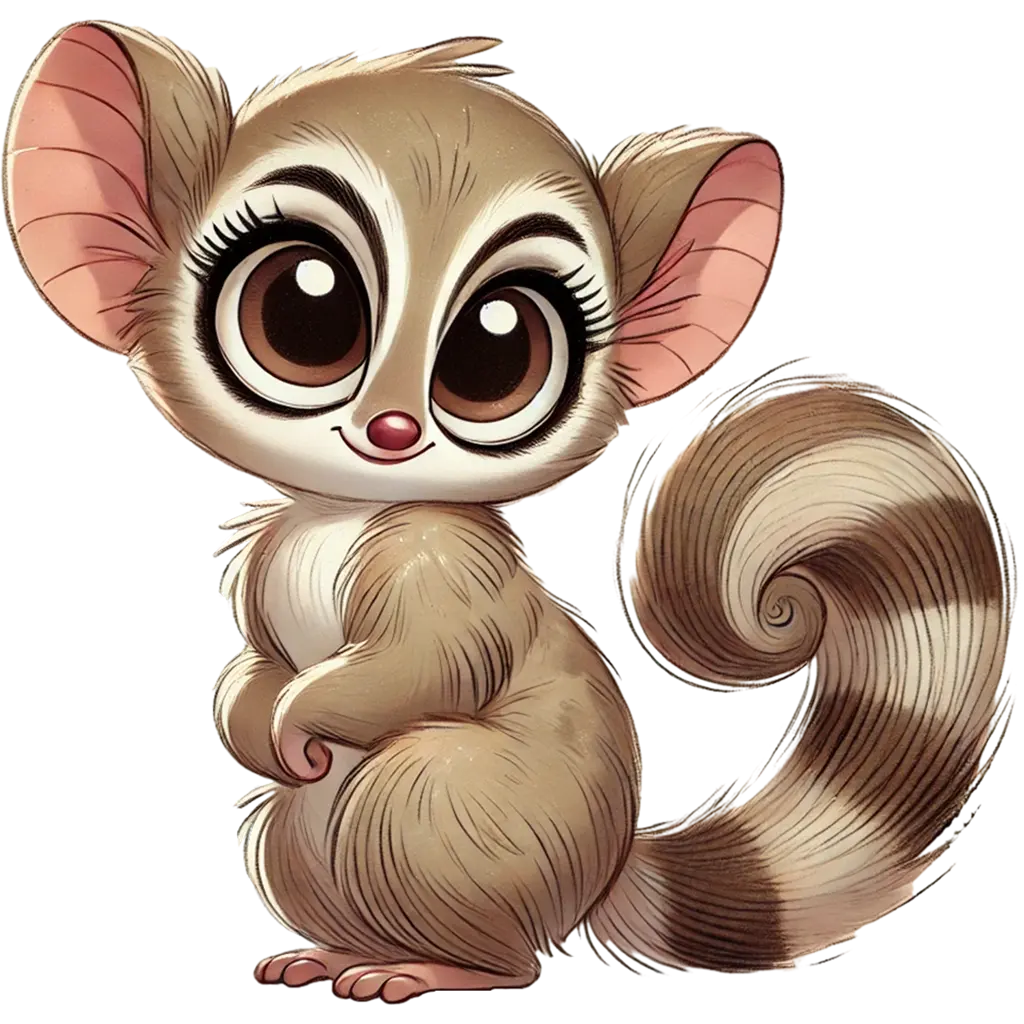
The Gray Slender Loris, loris lydekkerianus, is a small, nocturnal primate native to the forests and thickets of Sri Lanka and parts of India. This elusive creature is characterized by its slender body, large forward-facing eyes, and short, rounded ears, which are essential for its nocturnal lifestyle. It possesses a coat of dense, soft fur that ranges in color from gray to reddish-brown, providing camouflage in its arboreal habitat. Adults typically weigh between 85 to 350 grams and measure 20 to 25 cm in length, excluding their slender, yet strong, limbs which are adapted for grasping branches.
| Population: | Classified as Least Concern, but facing habitat loss and fragmentation |
| Generation Length: | 5 years |
| Average Weight: | 200-350 grams |
| Average Length: | 20-25 cm, plus a tail of 15-25 cm |
| Lifespan: | 12-15 years in the wild |
| Diet: | Varies with availability, including insects, small vertebrates, and fruits |
| Conservation Status: | Near Threatened (NT) |
Gray Slender Lorises are arboreal, spending most of their lives in the trees. They are solitary or sometimes found in small groups, primarily active during the night when they forage for food. Their diet mainly consists of insects, small vertebrates, and various fruits, which they hunt with stealth and precision, thanks to their slow and deliberate movements. The loris's large eyes enhance its vision in low light conditions, making it an efficient nocturnal predator.
Regarding diet, the Gray Slender Loris relies on a variety of insects, including beetles, ants, and moths, as well as small vertebrates like lizards and birds. They supplement their diet with leaves, gums, and occasionally fruit, reflecting their adaptable feeding habits. This varied diet is crucial for meeting their nutritional needs in the diverse ecosystems they inhabit.
Reproduction in the Gray Slender Loris is characterized by a relatively slow pace, with females giving birth to one, sometimes two, offspring after a gestation period of about six months. The young are born well-developed and cling to their mother's belly until they are old enough to ride on her back. Maternal care is intensive, with mothers nurturing their offspring for several months before they become independent.
The population of the Gray Slender Loris is declining due to habitat destruction, fragmentation, and hunting. Classified as Endangered on the IUCN Red List, they face significant threats from deforestation for agriculture and human settlement expansion, as well as from capture for the pet trade and traditional medicine. Conservation efforts are focused on habitat protection, reforestation projects, and raising awareness to reduce hunting and trade, aiming to secure a future for this fascinating nocturnal primate.
Classifications
The Key Attributes
Features
- Movement:
Climbing, slow and deliberate walking
- Territorial Behavior:
Solitary or in small family groups
- Speed:
Slow-moving, relies on stealth and camouflage
- Diet:
Omnivore
- Physical Features:
- Small body with long, thin limbs
- Large forward-facing eyes for nocturnal vision
- Short snout and reduced dentition
- Vestigial tail and rounded head
- Primary Senses:
- Sight
- Hearing
- Touch
Understanding Habitat and Range
Geography
- Habitat:
Tropical rainforests, dense scrub, and plantations
- Migration Patterns:
Non-migratory, territorial with a defined home range
- Geographical Range:
Southern India and Sri Lanka
- Climate Preferences:
Tropical and subtropical climates
Navigating the Wilderness
In the wild
- Predators:
Snakes, birds of prey, and large mammals
- Prey:
Insects, lizards, small birds, and fruits
- Feeding Behavior:
Nocturnal forager, feeding on insects, small animals, and plant material
- Diet:
Varies with availability, including insects, small vertebrates, and fruits
- Defensive Mechanisms:
- Camouflage and remaining motionless to avoid detection
- Biting and vocalizing when threatened
- Preferred Food Sources:
- Dense foliage with abundant insect and plant food sources
Insights Into Reproduction
Mating
- Mating System:
Polygynous or monogamous
- Number of Offspring:
1-2 offspring
- Gestation Period:
About 6 months
- Parental Involvement:
- Mothers care for the young, with occasional support from males in some populations
Youngsters Section
Gray Slender Loris
Fun Fact
The gray slender loris is primarily nocturnal and has large eyes adapted for night vision.
These primates are native to India and Sri Lanka and are known for their unique slow and deliberate movements. They have a specialized diet that primarily consists of insects, which they catch using their sharp, pointed teeth. Despite their small size, they play a crucial role in controlling insect populations in their habitats.

Download word search puzzles
Word Search Puzzles
Check Out Other Mammals

The Cheetah, acinonyx jubatus, stands as a symbol of speed and agility in the animal kingdom, holding the title of the fastest land animal, capable of reaching speeds up to 75 mph (120 km/h) in short bursts covering distances up to 1,500 feet (460 meters). This slender, long-legged feline is

The Asiatic Lion, also known as the Asiatic Lion, is a subspecies of lion native to India's Gir Forest and surrounding areas. Slightly smaller than its African counterpart, the Asiatic Lion has a shorter and sparser mane, making its ears more visible. A distinguishing feature is the fold of skin

The Western Tree Hyrax, dendrohyrax dorsalis, is a lesser-known mammal native to the forests of Western and Central Africa. This creature is characterized by its thick, coarse fur, which ranges in color from dark brown to gray, and a distinctive dorsal spot that is lighter in color. Adult tree hyraxes
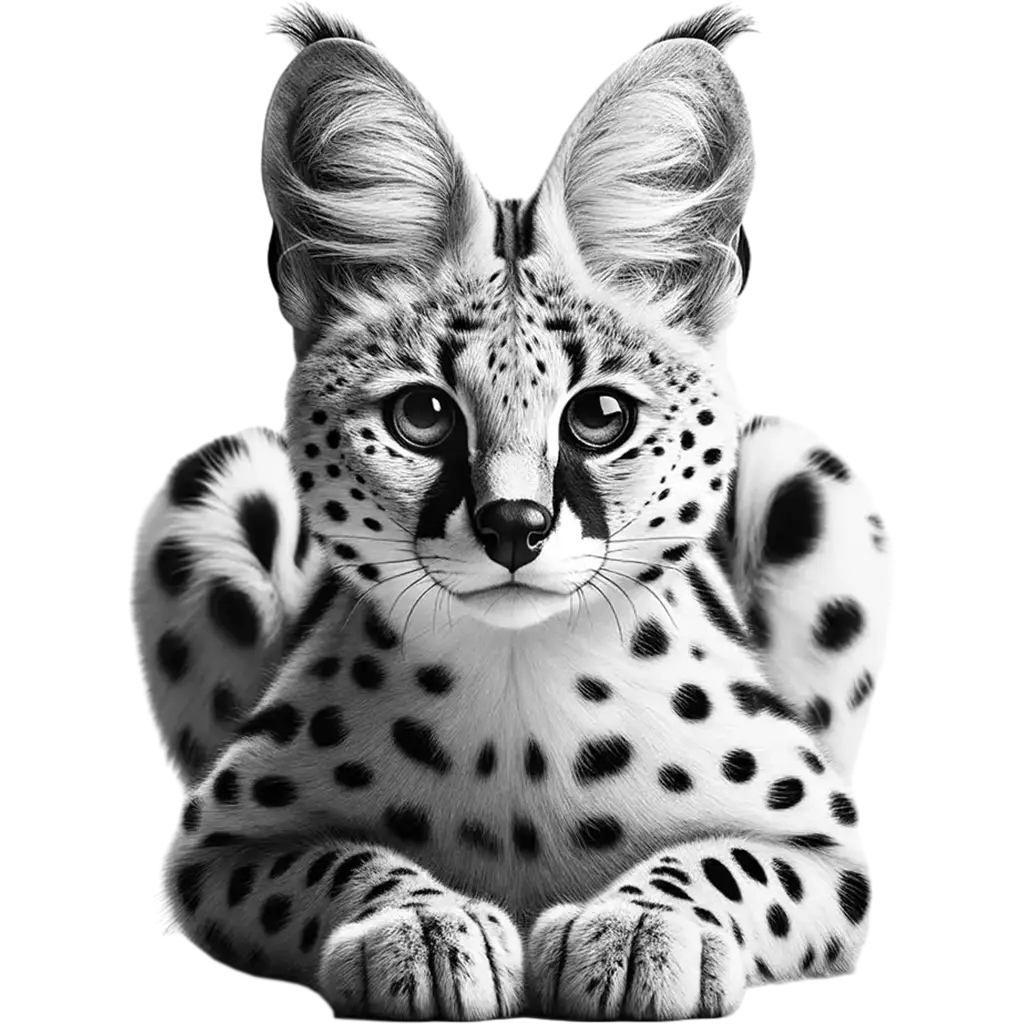
The Serval, leptailurus Serval, is a medium-sized African wild cat known for its distinctive physical characteristics and hunting prowess. Adults can stand up to 60 cm at the shoulder and weigh between 9 to 18 kg. The Serval is characterized by its slender build, long legs, and large ears, which