
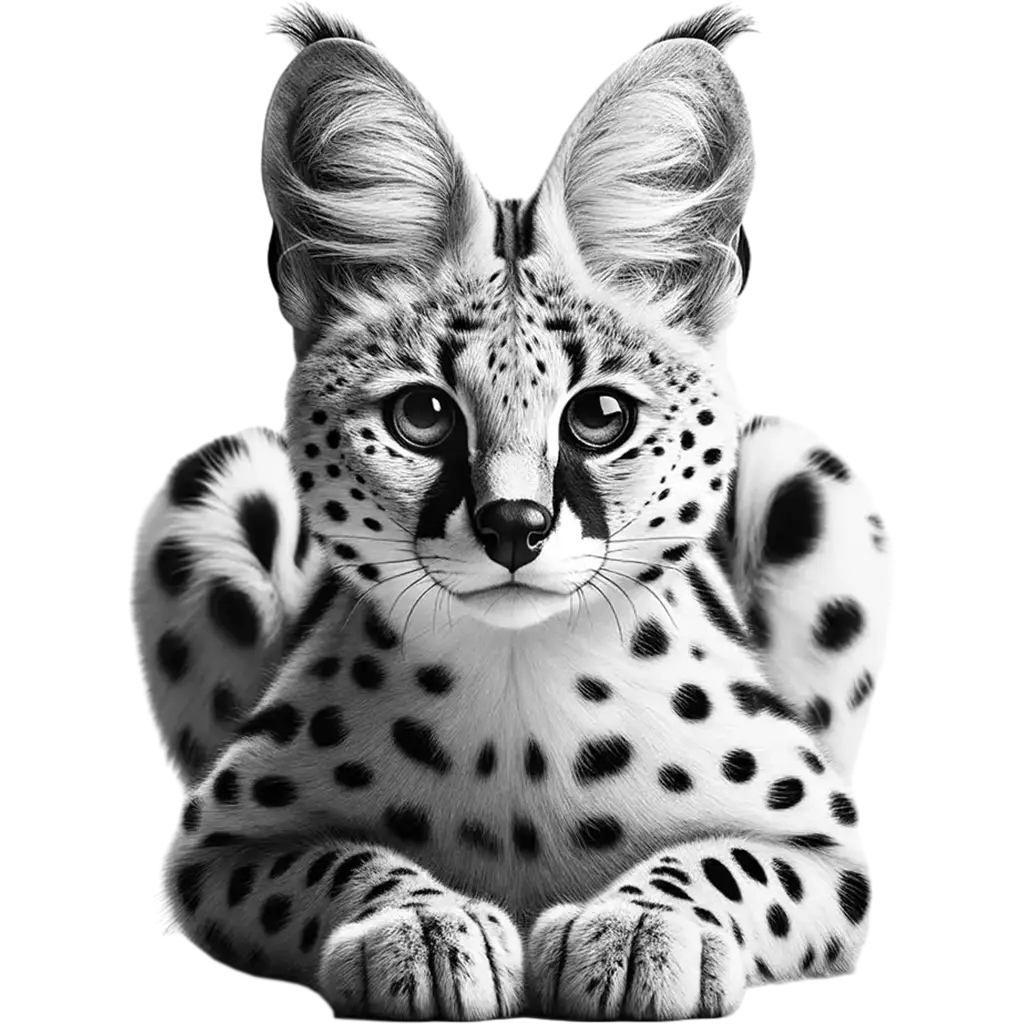
Leptailurus Serval
Serval
Savannas, grasslands, and wetland areas
The Serval, leptailurus Serval, is a medium-sized African wild cat known for its distinctive physical characteristics and hunting prowess. Adults can stand up to 60 cm at the shoulder and weigh between 9 to 18 kg. The Serval is characterized by its slender build, long legs, and large ears, which are used to detect prey. Its coat is golden-yellow to buff, dotted with black spots and stripes, providing camouflage in the tall grasses of its habitat. A notable feature is the Serval's long neck, often referred to as the 'giraffe cat,' which aids in visibility over savannah grasses.
| Population: | Listed as Least Concern, but certain populations may be under threat |
| Generation Length: | 3-4 years |
| Average Weight: | 9-18 kg |
| Average Length: | 85-112 cm in body length, with a height of about 54-62 cm at the shoulder |
| Lifespan: | 10-12 years in the wild, longer in captivity |
| Diet: | Primarily carnivorous, specializing in small to medium-sized animals |
| Conservation Status: | Least Concern (LC) |
Servals inhabit a variety of environments across sub-Saharan Africa, including savannahs, wetlands, and areas with dense vegetation near water bodies. They are solitary and territorial animals, with territories marked by scent markings. Servals are primarily nocturnal, hunting in the early morning and evening. Their diet is mainly composed of rodents, small birds, frogs, insects, and fish, showcasing their versatility as predators.
The diet of the Serval is highly specialized for catching small prey. Its long legs allow for an effective pouncing technique, enabling it to leap high into the air to catch birds or dig into burrows to reach rodents. The Serval's success rate in hunting is among the highest of all cat species, reflecting its adaptability and skill as a hunter.
Reproduction in Servals involves a gestation period of about 73 days, after which the female gives birth to a litter of one to four kittens. The young are raised in secluded dens, often in thickets or reed beds, and are taught to hunt by their mother. Servals reach sexual maturity at about 2 years of age.
The population of the Serval is considered stable in much of its range but faces threats from habitat loss and the illegal pet trade. While not currently listed as endangered, conservation efforts focus on habitat protection and legal enforcement to prevent poaching and illegal trading. Servals are protected across much of their range, with hunting prohibited or regulated in several countries.
Classifications
The Key Attributes
Features
- Movement:
Walking, running, leaping
- Territorial Behavior:
Solitary, with well-defined territories
- Speed:
Capable of high speeds and remarkable jumps
- Diet:
Carnivore
- Physical Features:
- Tall, slender body with long legs
- Short tail and a small head with large ears
- Coat patterned with black spots and stripes
- Exceptional leaping and climbing abilities
- Primary Senses:
- Hearing
- Sight
- Smell
Understanding Habitat and Range
Geography
- Habitat:
Savannas, grasslands, and wetland areas
- Migration Patterns:
Non-migratory, but may roam within large home ranges
- Geographical Range:
Sub-Saharan Africa
- Climate Preferences:
Prefers areas with tall grasses and abundant water
Navigating the Wilderness
In the wild
- Predators:
Larger predators like leopards and hyenas
- Prey:
Rodents, small birds, insects, and occasionally larger animals like hares and frogs
- Feeding Behavior:
Primarily preys on rodents, birds, and other small animals, using its hearing to detect prey before striking with a high leap
- Diet:
Primarily carnivorous, specializing in small to medium-sized animals
- Defensive Mechanisms:
- Stealth and camouflage in tall grasses
- High jumping ability to escape threats or capture prey
- Speed and agility to outrun predators
- Preferred Food Sources:
- Areas with high densities of small animals
Insights Into Reproduction
Mating
- Mating System:
Polygynous, with males often mating with multiple females
- Number of Offspring:
1-3 kittens
- Gestation Period:
About 70-75 days
- Parental Involvement:
- Females solely responsible for raising the young
Youngsters Section
Serval
Fun Fact
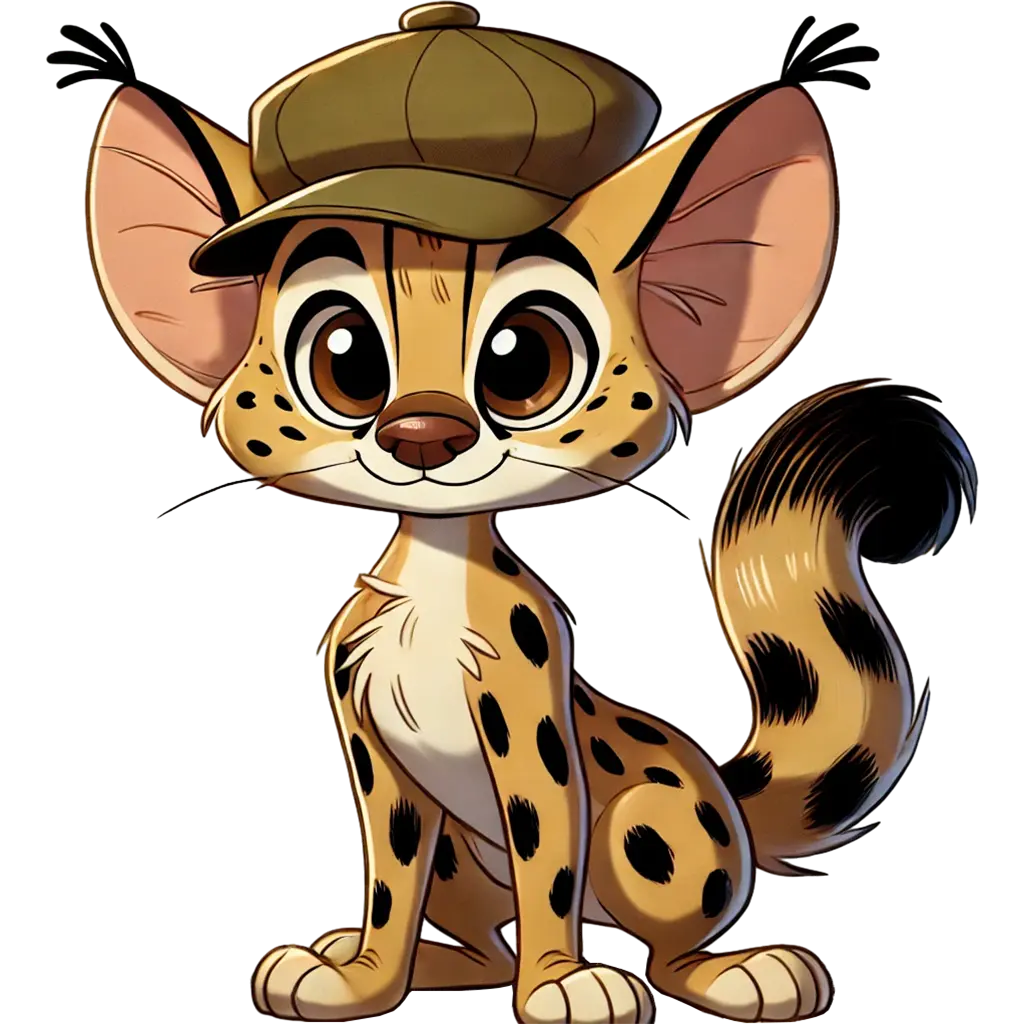
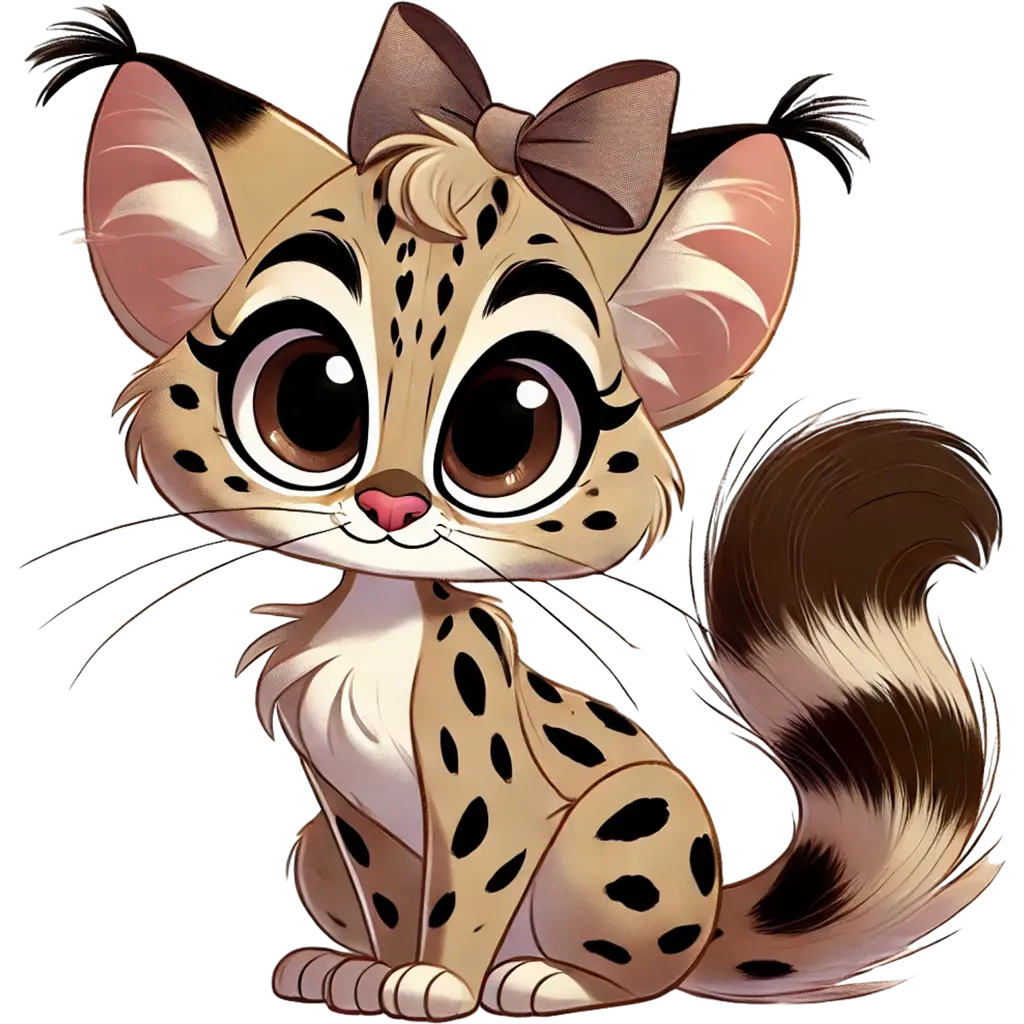
Servals are medium-sized African wild cats with long legs and large ears, adapted for hunting in grasslands.
Their long legs enable them to leap over 3 meters high to catch birds. They have a 50% hunting success rate, one of the highest among wild cats. Servals use their keen hearing to locate prey hidden in tall grass or burrows.

Download word search puzzles
Word Search Puzzles
Check Out Other Mammals

The Volpino Italiano is a small, Spitz-type breed of dog, originating from Italy, known for its fluffy coat and fox-like appearance. It stands between 25 to 30 cm tall at the shoulder and weighs around 4 to 5 kg. The breed features a dense, long coat that can be white,
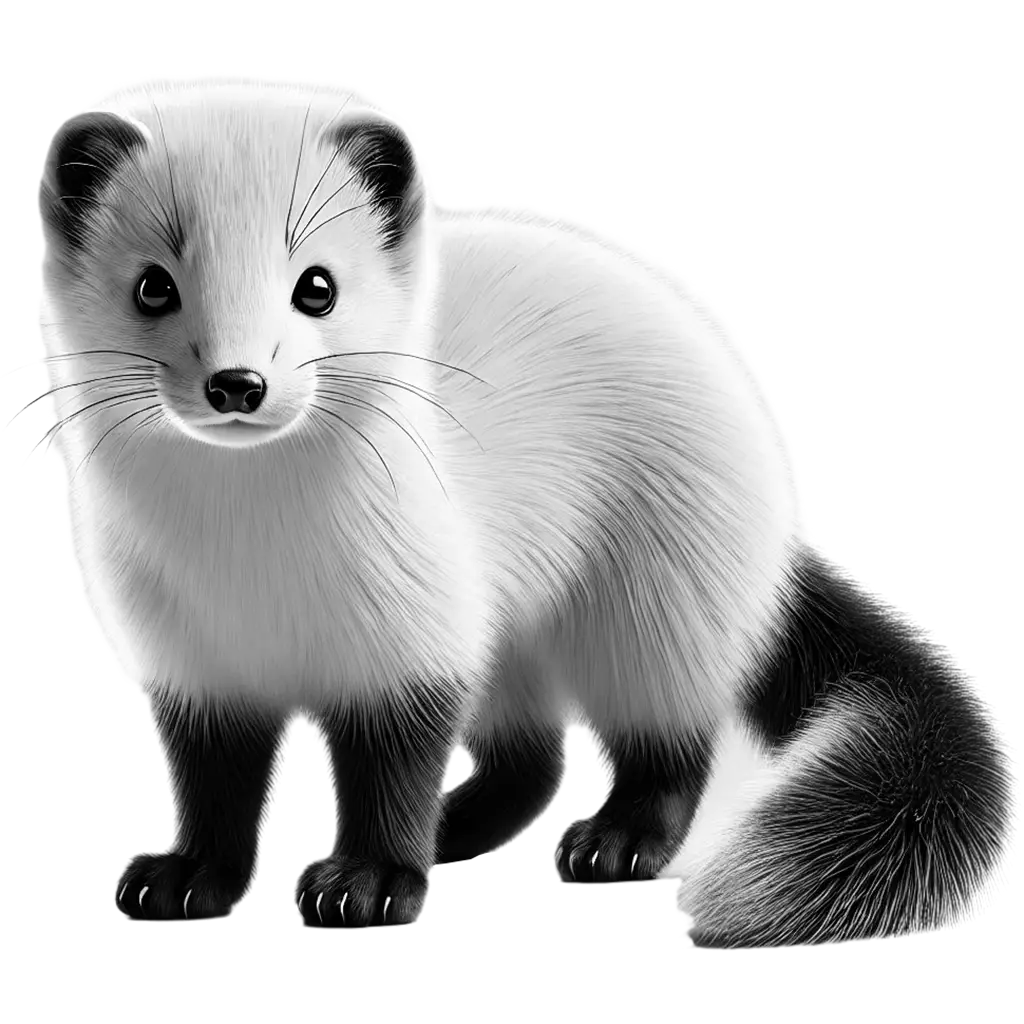
The Ermine is a slender, agile mammal with a sleek, elongated body covered in dense, soft fur that shifts seasonally from a warm brown in summer to a brilliant white in winter. Its long, bushy tail, tipped with a dark band, and its sharp, alert eyes complete its distinctive and
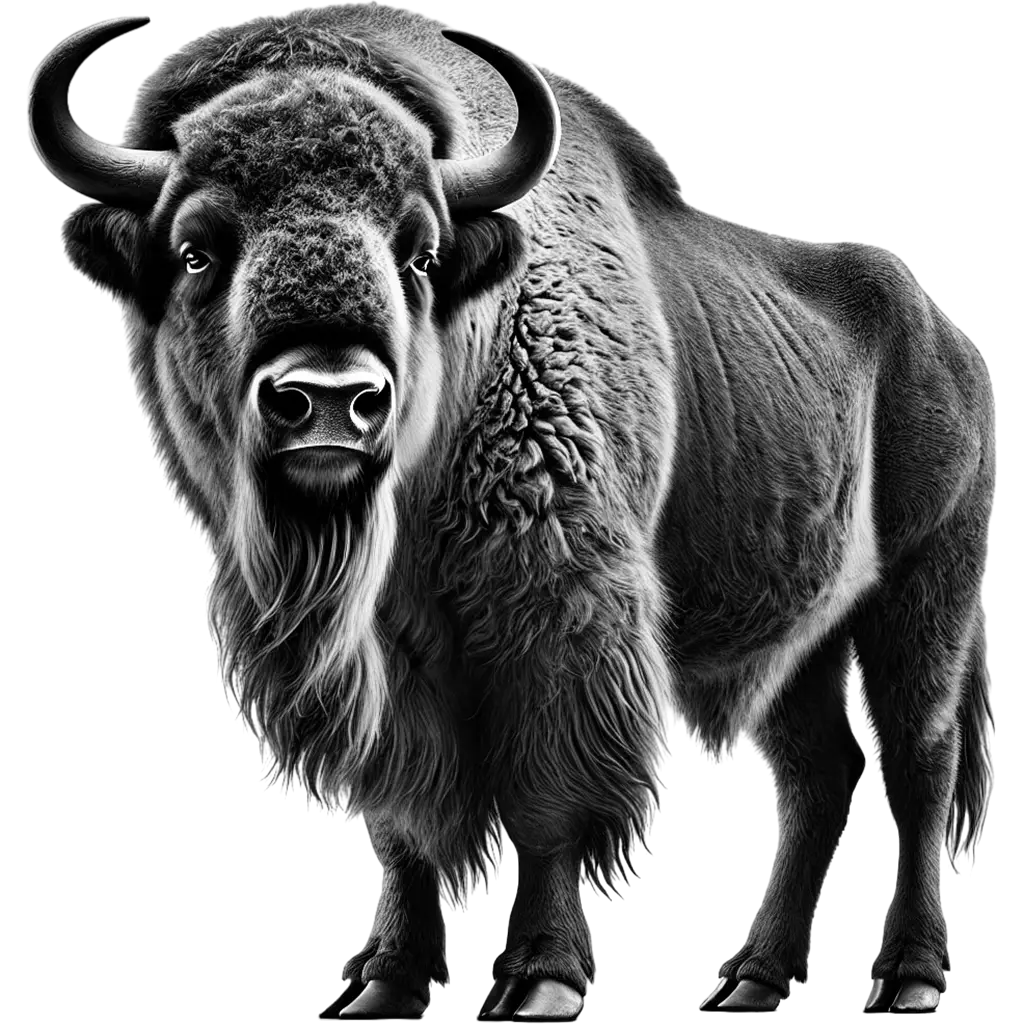
The wisent is a majestic, massive bovine with a robust body, shaggy mane, and distinctive hump, displaying a rugged blend of dark brown and gray fur that offers camouflage in mixed woodlands. Its deep-set eyes and broad, muscular build emphasize both power and grace, making it a striking emblem of

The Chihuahua is a small dog breed with a big personality, known for its compact size and confident demeanor. Originating from Mexico, this breed is named after the Mexican state of Chihuahua. Adult Chihuahuas typically weigh between 2 to 6 pounds and stand about 6 to 9 inches tall at