
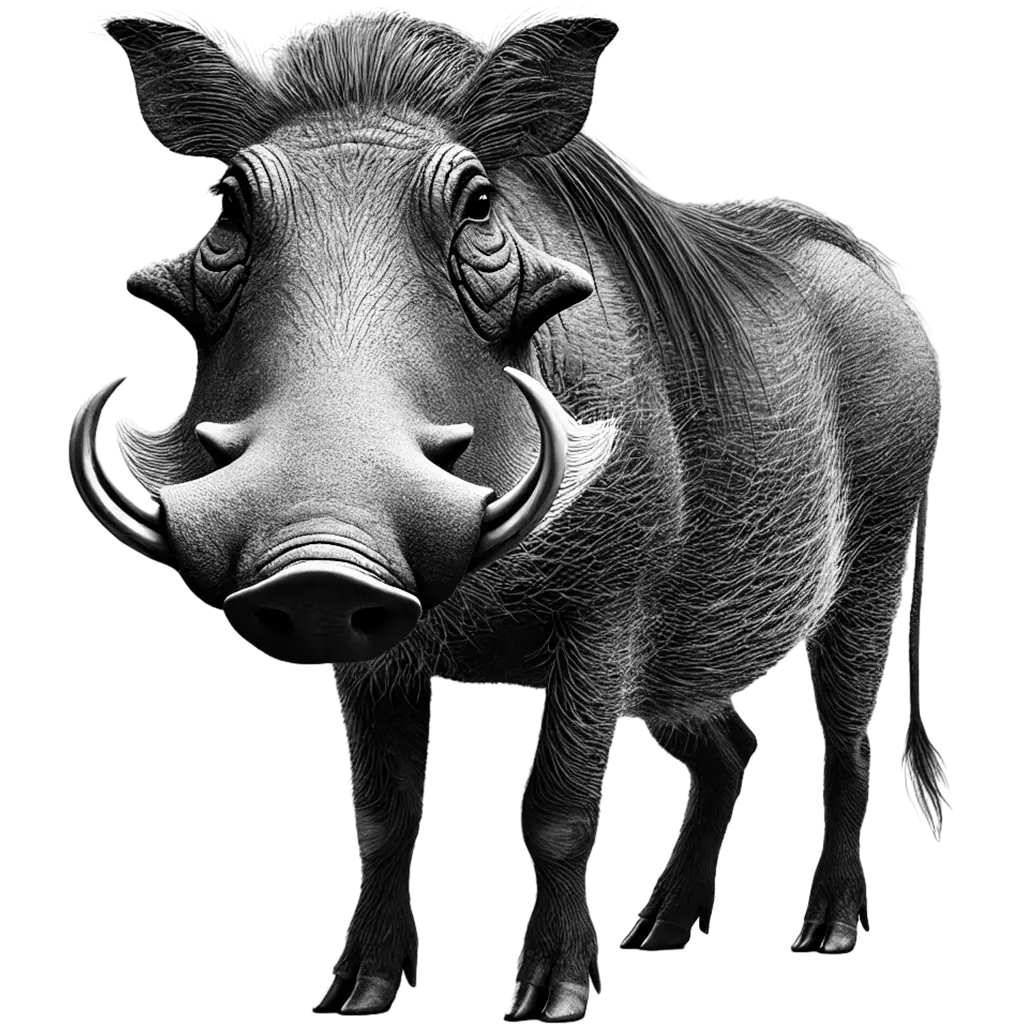
Phacochoerus Africanus
Common Warthog
Open savannas, grasslands, and lightly wooded areas across sub-Saharan Africa
The Common Warthog exhibits a robust, pig-like face marked by prominent facial warts and a pair of upward-curving tusks. Its coarse, bristly hair displays a natural palette of grayish to light brown hues, while its muscular build, sturdy legs, and long, tapering snout give it a distinctive silhouette ideal for the rugged African savanna. This striking appearance not only makes it easily recognizable but also well-adapted for its harsh environment.
| Population: | Not currently threatened; widespread across the savanna but subject to localized declines due to hunting and habitat alteration |
| Generation Length: | 3-4 years |
| Average Weight: | Males up to 150 kg, females around 90 kg |
| Average Length: | Approximately 1.2-1.7 meters |
| Lifespan: | Approximately 15-20 years in the wild |
| Diet: | Herbivorous, feeding on grasses, roots, tubers, fruits, and occasionally browse |
| Conservation Status: | Least Concern (LC) |
Common Warthogs are highly social and live in small, loosely structured groups known as sounders. They are diurnal and primarily active during the cooler hours of early morning and late afternoon, when they forage and engage in social interactions. Their daily routines include grazing on open grasslands and wallowing in mud to regulate body temperature and deter parasites. They often travel modest distances in search of water during dry periods, reinforcing their social bonds through mutual grooming and vigilant watchfulness. Their behavior is a blend of alertness and cooperative living, essential for survival in the expansive savanna.
Warthogs are predominantly herbivorous, consuming a diverse diet that includes a variety of grasses, roots, tubers, fruits, and occasionally berries. They use their strong, upturned snouts to dig and forage in the soil, unearthing hidden nutrients and water sources. Their feeding is opportunistic; while grazing for fresh vegetation, they may also consume fallen fruit or browse on tender shoots from shrubs and trees. This varied diet provides them with the necessary carbohydrates, vitamins, and minerals to sustain their active lifestyle, while their digestive systems efficiently break down fibrous plant material to extract maximum nutrition from the often sparse vegetation of the savanna.
During the mating season, warthogs engage in competitive, polygynous courtship where dominant males vie for the attention of receptive females. After a successful display and brief pairing, the female undergoes a gestation period of about 170 days, culminating in the birth of a litter of 2-4 piglets. Post-birth, the female cares for the young independently, while the male does not participate further.
Common Warthogs are widespread across the African savanna, often considered abundant in many regions. However, localized declines can occur due to hunting, habitat fragmentation, and drought. Their adaptability to varied environmental conditions has helped sustain stable populations, though continued monitoring and conservation efforts remain essential to counter emerging threats.
Classifications
The Key Attributes
Features
- Movement:
Quadrupedal and swift, the warthog moves nimbly across open savanna terrain
- Territorial Behavior:
Lives in small, loosely structured groups with well-defined home ranges
- Speed:
Capable of rapid bursts when evading predators
- Diet:
Primarily herbivorous, supplementing its diet with opportunistic omnivorous feeding
- Physical Features:
- Distinctive facial warts and upward-curving tusks
- Coarse, bristly hair with a grayish to light brown coat
- Robust, muscular build with sturdy legs and a long, tapering snout
- Primary Senses:
- Sight
- Smell
- Hearing
Understanding Habitat and Range
Geography
- Habitat:
Open savannas, grasslands, and lightly wooded areas across sub-Saharan Africa
- Migration Patterns:
Non-migratory, though local movements occur in search of water
- Geographical Range:
Widely distributed across sub-Saharan Africa
- Climate Preferences:
Tropical and subtropical environments with distinct wet and dry seasons
Navigating the Wilderness
In the wild
- Predators:
Lions, hyenas, wild dogs, and occasionally humans
- Prey:
Not applicable; feeds mainly on plant material
- Feeding Behavior:
Often grazes in the early morning and late afternoon, using its strong snout to dig for edible roots and tubers
- Diet:
Herbivorous, feeding on grasses, roots, tubers, fruits, and occasionally browse
- Defensive Mechanisms:
- Uses its curved tusks to fend off predators
- Relies on rapid, zigzagging runs and group vigilance for protection
- Preferred Food Sources:
- Grasses
- Roots
- Tubers
- Fruits
Insights Into Reproduction
Mating
- Mating System:
Polygynous, with dominant males competing for access to females
- Number of Offspring:
Typically 2-4 piglets per litter
- Incubation Period:
Gestation lasts approximately 170 days
- Parental Involvement:
- Females care for the young, while males generally do not participate in rearing
Youngsters Section
Common Warthog
Fun Fact
Common Warthogs are instantly recognizable by their prominent facial warts and curving tusks, making them one of the savanna's most iconic mammals.
Their ability to wallow in mud not only cools them but also helps deter parasites, showcasing a natural adaptation that has fascinated wildlife enthusiasts for decades.

Download word search puzzles
Word Search Puzzles
Check Out Other Mammals
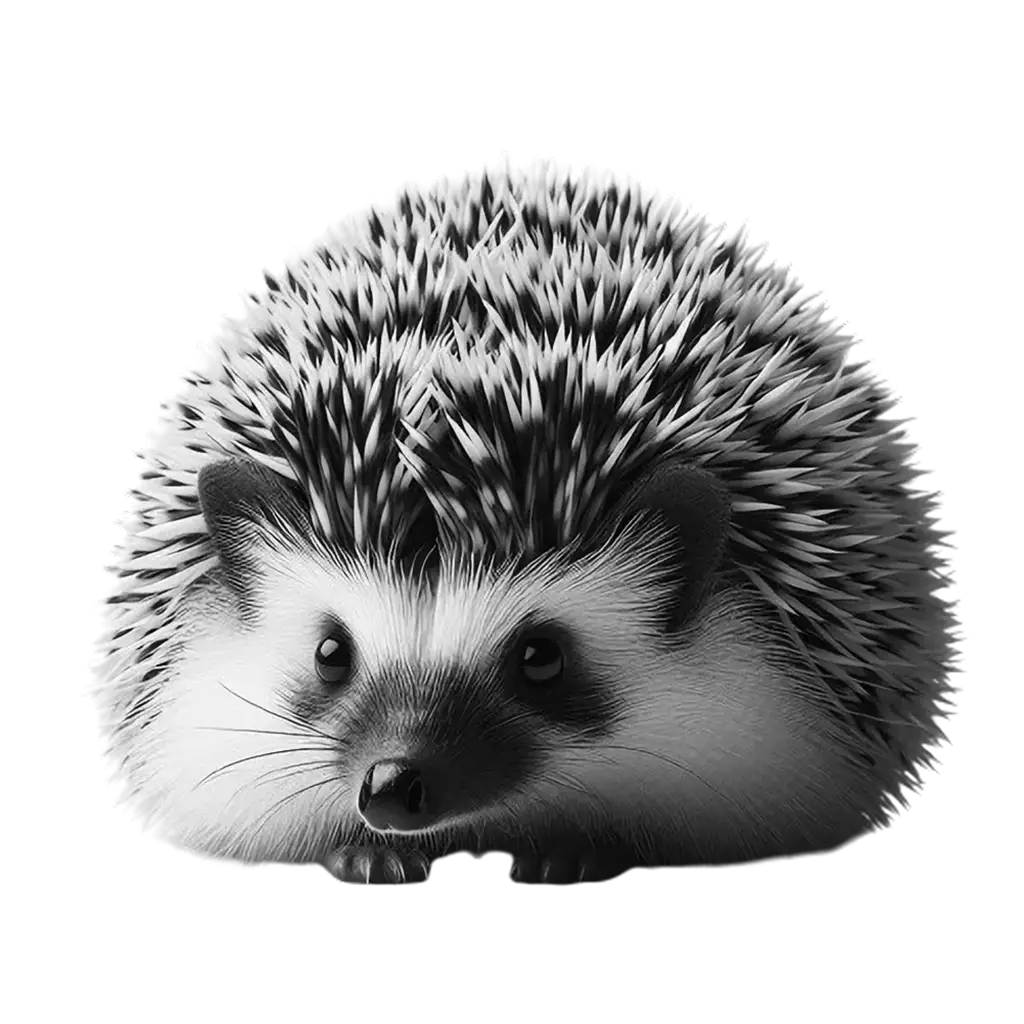
The Four-Toed Hedgehog, atelerix albiventris, is a small, nocturnal mammal native to Central and Eastern Africa. This species is easily distinguishable by its unique feature of having only four toes on each of its rear feet, unlike other hedgehogs which typically have five. Adults measure approximately 15 to 25 centimeters
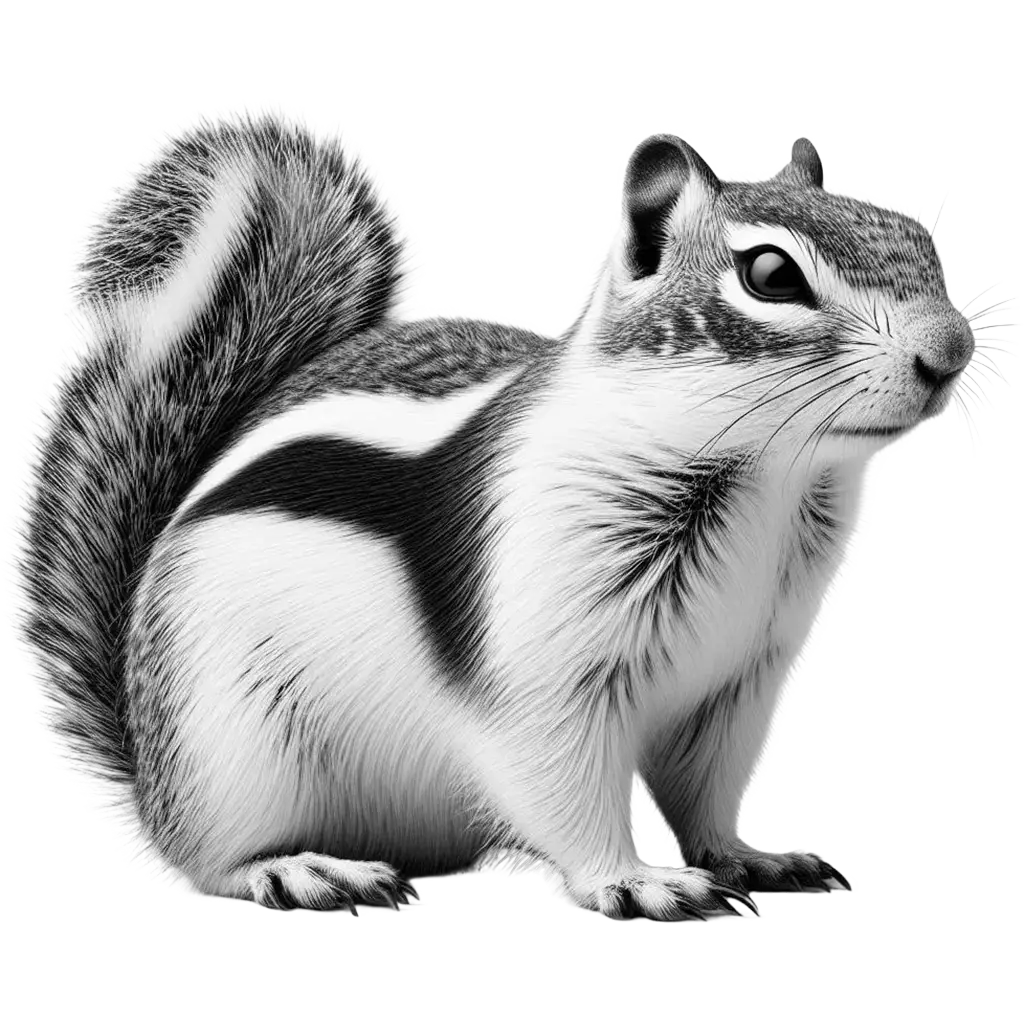
The Golden-Mantled Ground Squirrel, Callospermophilus lateralis, is a small, robust rodent widely distributed across the forests and mountainous regions of western North America. This species is easily recognizable by its distinctive coloring: a rich brown or greyish body adorned with a bold white stripe bordered by black along each side,

The Liger, a hybrid offspring of a male lion and a female tiger, is notable for its impressive size and unique appearance that blends characteristics of both parent species. Typically surpassing both lions and tigers in size, adult Ligers can weigh between 320 to 1,000 kg (705 to 2,200 pounds)

The American Bison, bison bison, is a majestic symbol of the North American plains, standing up to 2 meters tall at the shoulder and weighing over a ton. These massive animals are characterized by their long, shaggy brown coats, massive heads, and distinctive hump over their shoulders, designed to help