

Atelerix Albiventris
Four-Toed Hedgehog
Grasslands, savannahs, and agricultural lands
The Four-Toed Hedgehog, atelerix albiventris, is a small, nocturnal mammal native to Central and Eastern Africa. This species is easily distinguishable by its unique feature of having only four toes on each of its rear feet, unlike other hedgehogs which typically have five. Adults measure approximately 15 to 25 centimeters (6 to 10 inches) in length and weigh between 350 to 700 grams (12.3 to 24.7 ounces). They possess a coat of sharp spines covering their back, which serves as a defense mechanism against predators, curling into a ball when threatened. The belly and face are covered with soft fur, contrasting with the spiny upper body.
| Population: | Widespread and abundant, not currently considered threatened |
| Generation Length: | 2-3 years |
| Average Weight: | 250-600 grams |
| Average Length: | 15-25 cm |
| Lifespan: | 4-6 years in the wild, up to 10 years in captivity |
| Diet: | Insects, worms, fruits, and vegetables |
| Conservation Status: | Least Concern (LC) |
Four-Toed Hedgehogs inhabit a variety of environments, including savannas, forests, and agricultural areas, where they can find shelter and food. They are adaptable creatures, often found near human settlements. As nocturnal animals, they spend the day hidden in burrows, underbrush, or other sheltered spots, emerging at night to feed.
The diet of the Four-Toed Hedgehog is omnivorous, consisting of insects, worms, small vertebrates, and occasionally fruits and vegetables. Their varied diet, along with their habit of foraging on the ground, makes them effective at controlling insect populations in their habitats.
Reproduction in Four-Toed Hedgehogs can occur throughout the year, with females giving birth to litters of 3 to 7 young after a gestation period of about 35 days. The offspring, known as hoglets, are born with soft spines that harden a few hours after birth. They are weaned by 4 to 6 weeks of age and reach sexual maturity at 2 to 3 months.
The Four-Toed Hedgehog is classified as Least Concern by the IUCN, with a wide distribution and presumed large population. However, they face threats from habitat loss, pesticide use, and road mortality. In some regions, they are also captured for the pet trade, which can impact wild populations. Conservation efforts for the Four-Toed Hedgehog include habitat protection and education to reduce the negative impacts of human activities. Additionally, research into their ecology and behavior can help inform conservation strategies to ensure the continued survival of this species in the wild. The Four-Toed Hedgehog's role in insect control underscores the importance of preserving its natural habitats for ecological balance.
Classifications
The Key Attributes
Features
- Movement:
Walking, running
- Territorial Behavior:
Solitary
- Speed:
Not specifically quantified; capable of quick movements to escape predators
- Diet:
Omnivore
- Physical Features:
- Small size with a compact body
- Covered with spines for protection, except on face, legs, and belly
- Four toes on each foot
- Ability to curl into a ball when threatened
- Primary Senses:
- Smell
- Hearing
- Sight
Understanding Habitat and Range
Geography
- Habitat:
Grasslands, savannahs, and agricultural lands
- Migration Patterns:
Non-migratory
- Geographical Range:
Central and East Africa, including countries such as Somalia, Djibouti, Ethiopia, and Tanzania
- Climate Preferences:
Prefers warm climates
Navigating the Wilderness
In the wild
- Predators:
Birds of prey, wild cats, and large snakes
- Prey:
Insects, worms, small vertebrates
- Feeding Behavior:
Nocturnal; feeds on insects, worms, small vertebrates, and plant matter
- Diet:
Insects, worms, fruits, and vegetables
- Defensive Mechanisms:
- Curling into a ball to protect soft undersides with spines
- Spines can detach and embed in predators
- Preferred Food Sources:
- Insects
- Worms
- Fruits
- Vegetables
Insights Into Reproduction
Mating
- Mating System:
Polygynous
- Number of Offspring:
3-7 young
- Gestation Period:
35-40 days
- Parental Involvement:
- Mother cares for the young until they are weaned at about 4-6 weeks old
Youngsters Section
Four-Toed Hedgehog
Fun Fact
The four-toed hedgehog is a small mammal native to Central and Eastern Africa.
These hedgehogs are known for their distinctive four toes on each foot. They are nocturnal, rolling into a spiny ball when threatened. As insectivores, they primarily feed on insects, but they also consume small vertebrates, fruits, and vegetables.

Download word search puzzles
Word Search Puzzles


Check Out Other Mammals

The Harbor Seal, Phoca vitulina, is a widespread species of seal found in temperate coastal waters of the Northern Hemisphere, including the North Atlantic and Pacific Oceans. Adults typically measure between 1.5 to 1.9 meters (5 to 6.25 feet) in length and weigh between 55 to 168 kilograms (120 to
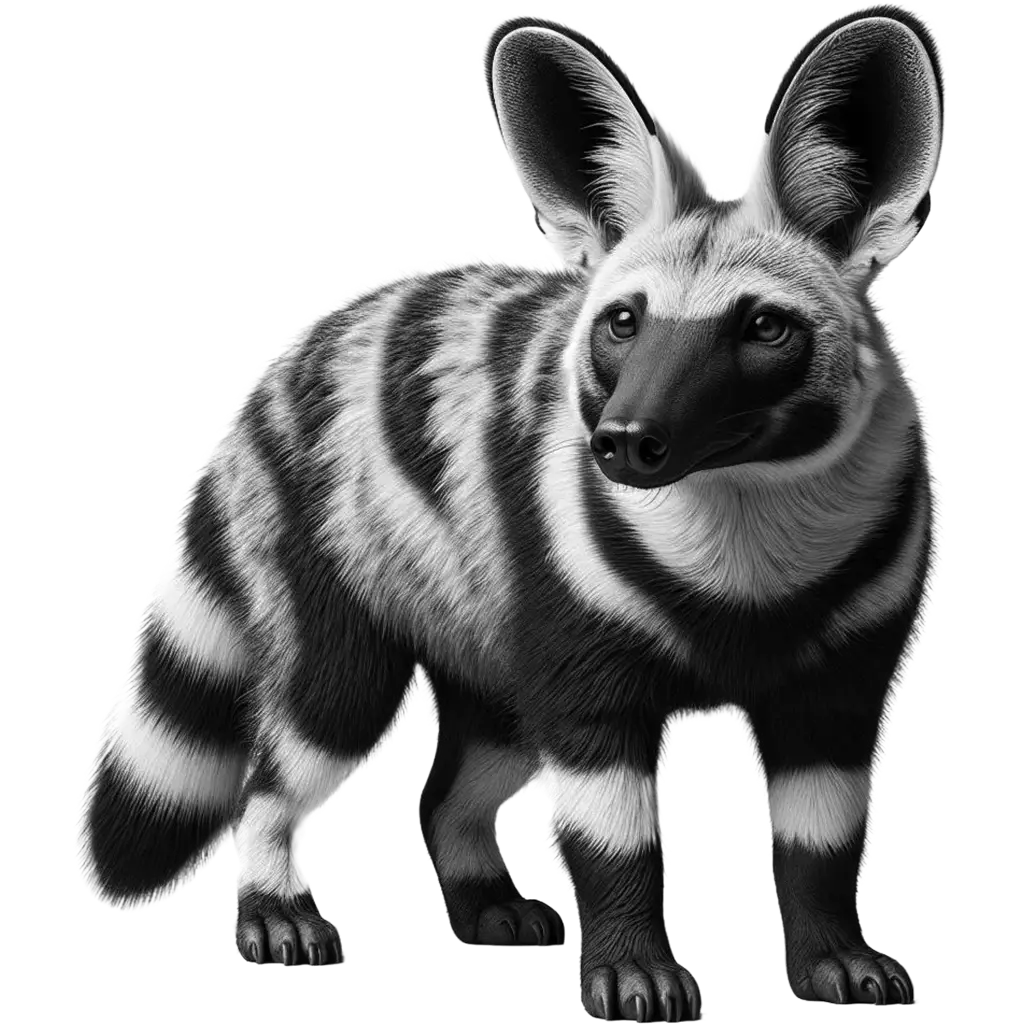
The Aardwolf, proteles cristatus, is a small, insectivorous mammal, distinct from its larger carnivorous relatives in the Hyaenidae family, such as hyenas. With a shoulder height of about 40 to 50 cm and weighing between 8 to 14 kg, the Aardwolf possesses a slender frame, covered in a coarse yellow-brown

The Leopard, panthera pardus, is a member of the Felidae family and one of the five big cats in the genus Panthera. Known for its beautifully spotted fur, the Leopard has a graceful, powerful body, allowing it to adapt to a variety of habitats including forests, mountains, grasslands, and deserts

The Common Marmoset, callithrix jacchus, is a small, vivacious primate native to the northeastern regions of Brazil. Characterized by its diminutive size, adults typically weigh between 150 to 400 grams and measure around 18 to 28 centimeters in body length, with a tail that can extend up to 25 to