
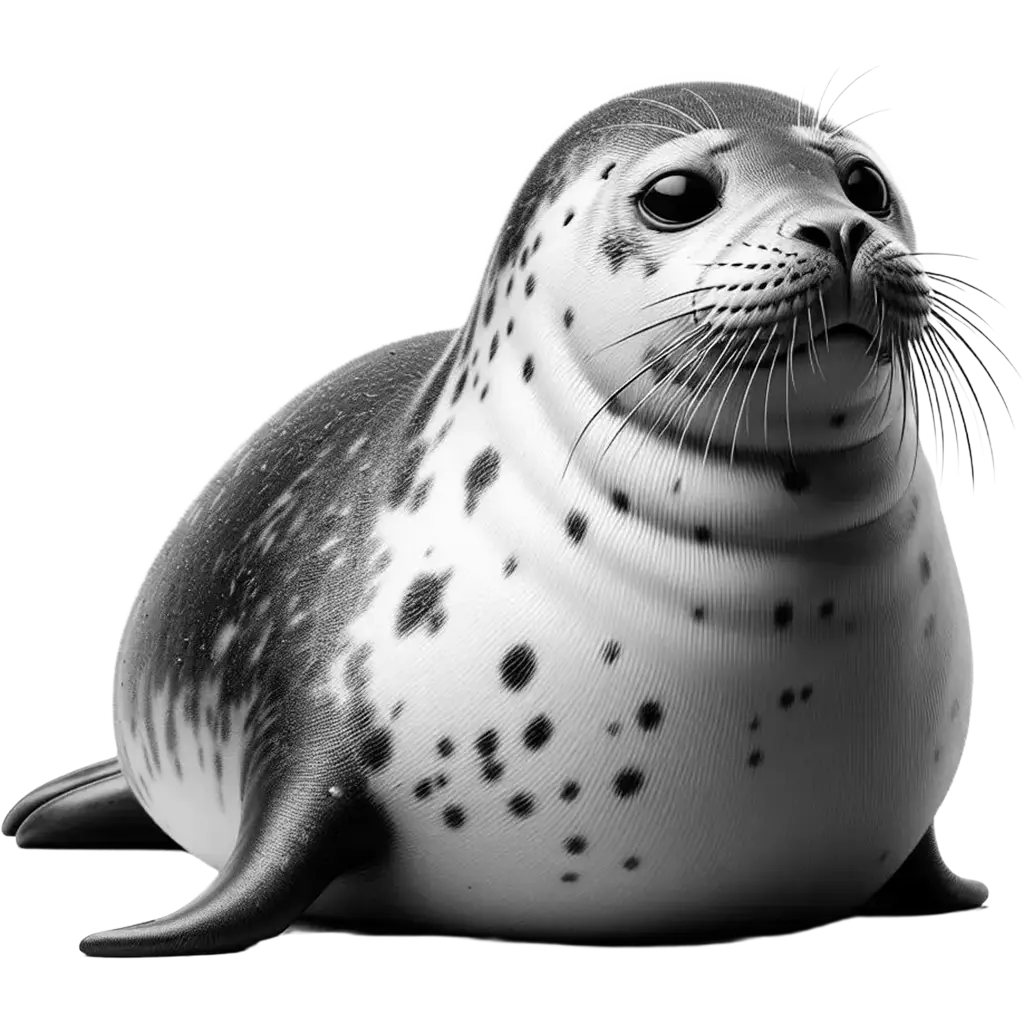
Phoca Vitulina
Harbor Seal
Temperate coastal waters, estuaries, and tidal flats
The Harbor Seal, Phoca vitulina, is a widespread species of seal found in temperate coastal waters of the Northern Hemisphere, including the North Atlantic and Pacific Oceans. Adults typically measure between 1.5 to 1.9 meters (5 to 6.25 feet) in length and weigh between 55 to 168 kilograms (120 to 370 pounds), with males generally being slightly larger than females. Their coat varies in color from gray to brown, often with distinctive spotted patterns, which helps them blend into their coastal habitats.
| Population: | Widespread with stable populations; not currently considered threatened |
| Generation Length: | 8 years |
| Average Weight: | 55-168 kg, depending on sex and geographic location |
| Average Length: | 1.5-1.9 meters |
| Lifespan: | 25-30 years in the wild |
| Diet: | Primarily fish and squid |
| Conservation Status: | Least Concern (LC) |
Harbor Seals inhabit a variety of coastal environments, from sandy beaches and rocky shores to glacial fjords. They are semi-aquatic mammals, spending a significant portion of their lives in the water but coming ashore to rest, molt, and breed. These seals are known for their solitary nature, although they can often be seen hauling out in groups during low tide.
The diet of the Harbor Seal consists mainly of fish, squid, and crustaceans. They are skilled swimmers and divers, capable of diving to depths of over 500 meters (1640 feet) and holding their breath for up to 28 minutes, although most of their dives are much shorter and shallower. This feeding behavior reflects their role as important predators in marine ecosystems, helping to maintain the balance of fish populations.
Reproduction in Harbor Seals occurs annually, with a breeding season that varies by location. Females give birth to a single pup during the spring or summer, following a gestation period of about 9 to 11 months. Pups are born with a soft, lanugo coat, which they shed after a few weeks. They are nursed for 4 to 6 weeks, during which they rapidly gain weight and learn to swim, becoming independent when weaned.
The Harbor Seal is classified as Least Concern by the IUCN Red List, indicating a stable global population. However, they face threats from habitat degradation, pollution, entanglement in fishing gear, and illegal hunting in some areas. Conservation efforts for Harbor Seals include monitoring populations, protecting critical habitats, and implementing regulations to reduce human impacts. The survival of the Harbor Seal is crucial for the health of marine ecosystems, underscoring the importance of ongoing conservation work.
Classifications
The Key Attributes
Features
- Movement:
Swimming and occasional crawling on land
- Territorial Behavior:
Non-territorial; forms loose aggregations during haul-out periods
- Speed:
Capable of reaching speeds up to 19 km/h in water
- Diet:
Carnivore
- Physical Features:
- Spotted coat varying in color from silver-gray to black or brown
- Rounded head with no external ear flaps
- Short, webbed flippers for swimming
- Whiskers (vibrissae) for detecting prey in murky waters
- Primary Senses:
- Hearing
- Sight
- Tactile (whiskers)
Understanding Habitat and Range
Geography
- Habitat:
Temperate coastal waters, estuaries, and tidal flats
- Migration Patterns:
Generally sedentary with localized movements related to feeding and breeding
- Geographical Range:
North Atlantic and North Pacific Oceans, including coastal areas of North America, Europe, and Asia
- Climate Preferences:
Prefers temperate coastal environments
Navigating the Wilderness
In the wild
- Predators:
Orcas, large sharks
- Prey:
Fish, squid, crustaceans
- Feeding Behavior:
Dives to hunt for fish, squid, and crustaceans near the seafloor
- Diet:
Primarily fish and squid
- Defensive Mechanisms:
- Agility in water to evade predators
- Using shallow waters and rocky areas to avoid large predators
- Preferred Food Sources:
- Schooling fish
- Squid
- Crustaceans
Insights Into Reproduction
Mating
- Mating System:
Polygynous
- Number of Offspring:
Usually 1 pup
- Gestation Period:
Approximately 9-11 months, including delayed implantation
- Parental Involvement:
- Female provides intensive care, nursing the pup for 4-6 weeks
Youngsters Section
Harbor Seal
Fun Fact
Harbor seals can dive up to 1,500 feet deep and hold their breath for about 30 minutes.
These seals have a layer of blubber that keeps them warm in cold waters. They rely on this insulation while they hunt for fish, squid, and crustaceans. Harbor seals are found along temperate and Arctic coastlines and are known for their curious nature.

Download word search puzzles
Word Search Puzzles

Check Out Other Mammals
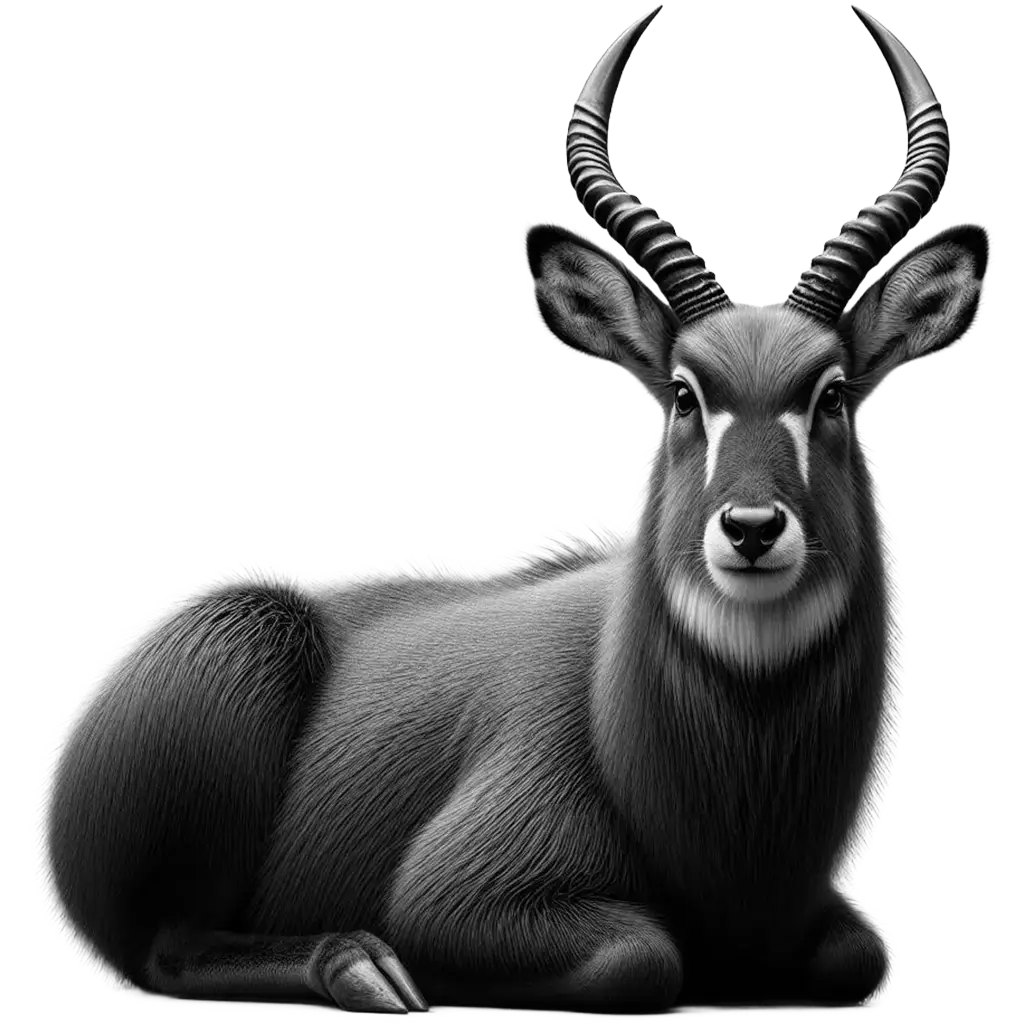
The Cape Bushbuck, tragelaphus sylvaticus, is a medium-sized, elusive antelope found in the forests and bushlands of Sub-Saharan Africa. Adult bushbucks stand about 70 to 90 centimeters (27 to 35 inches) at the shoulder and weigh between 40 to 80 kilograms (88 to 176 pounds), with males being significantly larger
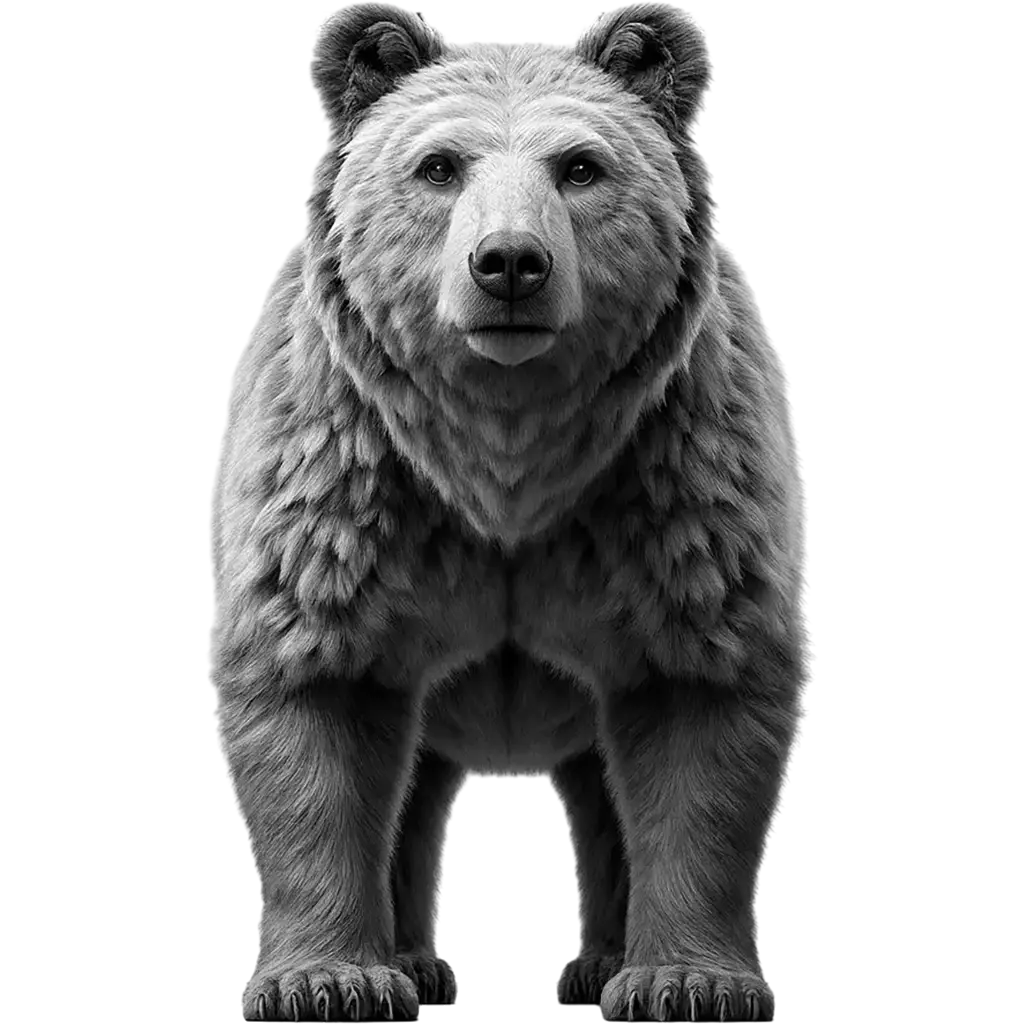
The Syrian Brown Bear, ursus arctos syriacus, is a subspecies of the brown bear that once roamed the Middle East, from Turkey to Iran, including parts of Syria, Iraq, and the Caucasus region. Characterized by its relatively small size compared to other brown bear subspecies, adults can weigh between 90
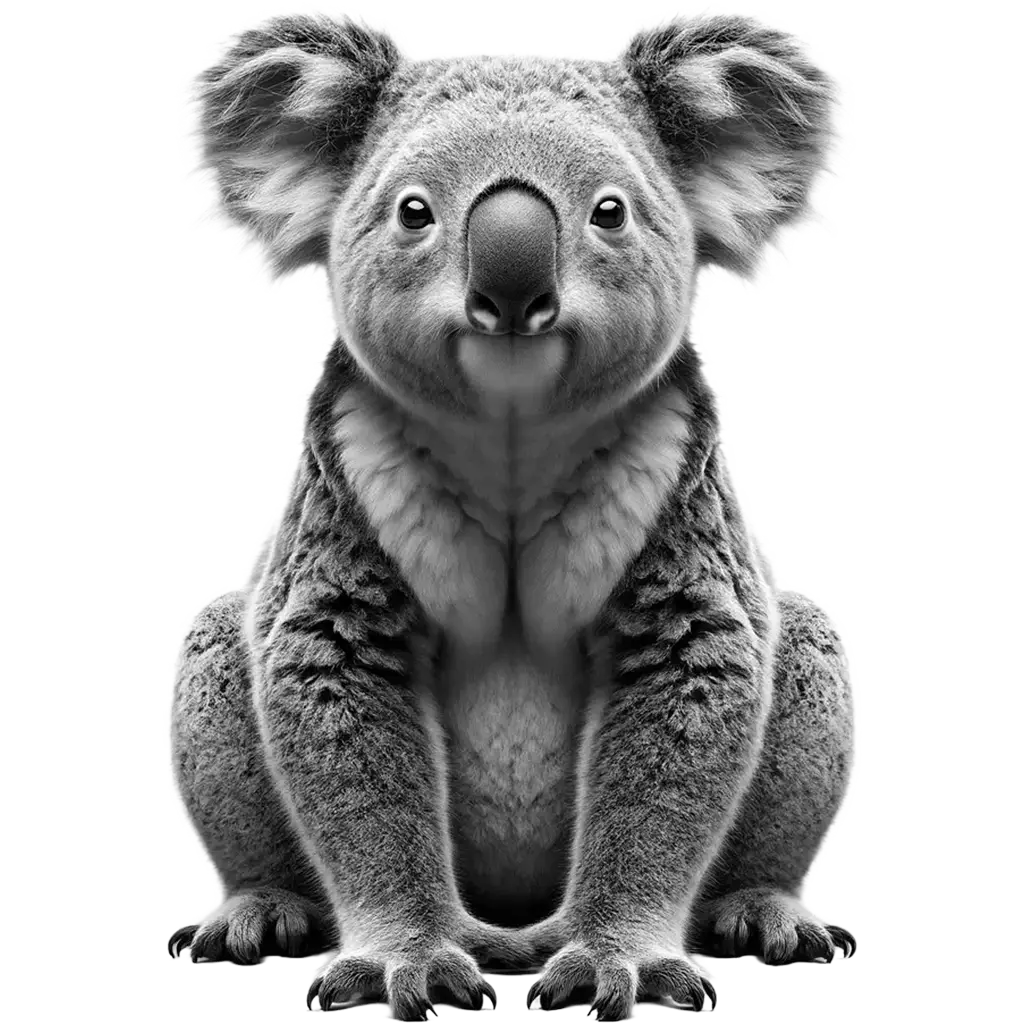
The Koala, phascolarctos cinereus, is an iconic marsupial native to Australia, instantly recognizable by its stout, tailless body; large, fluffy ears; and a large, spoon-shaped nose. Adults can vary significantly in size depending on their geographic location, with northern populations being smaller (about 5 to 8.5 kg or 11 to
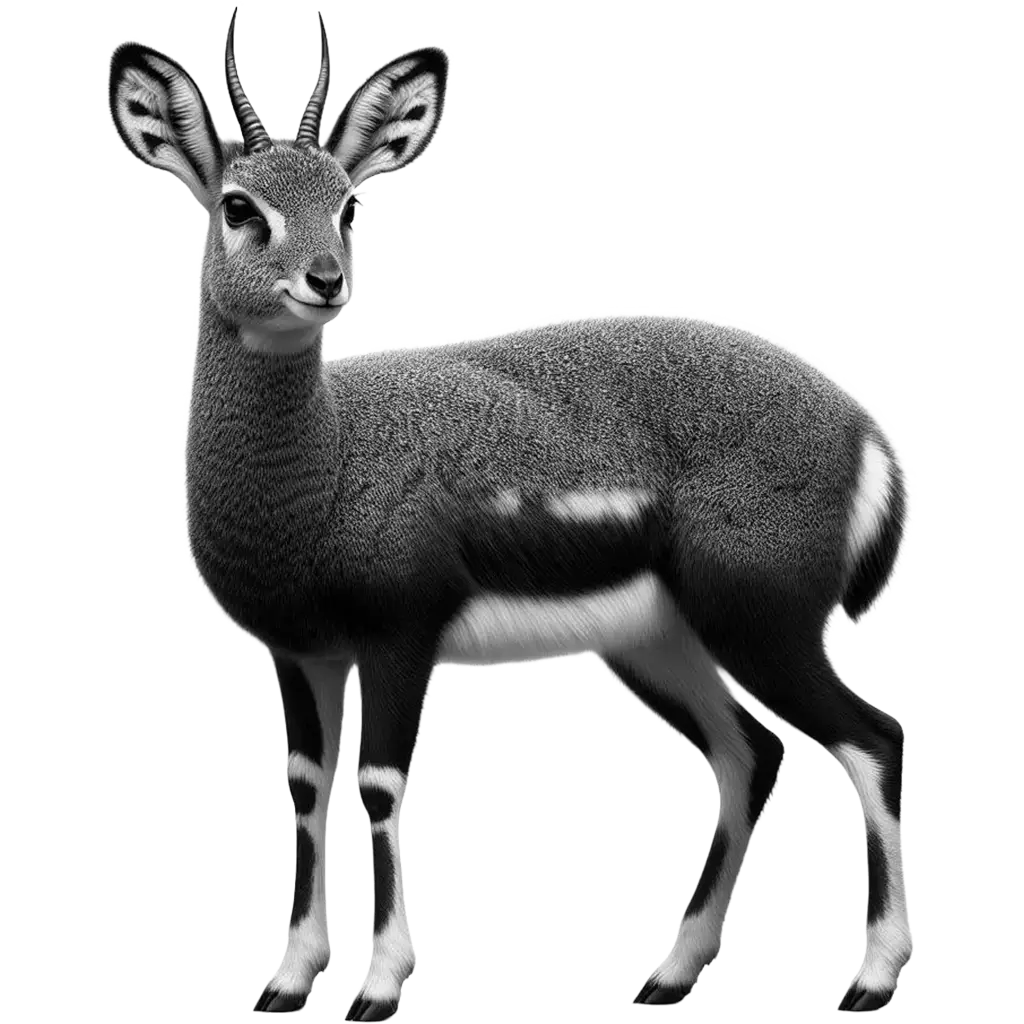
The Klipspringer, oreotragus oreotragus, is a small, robust antelope native to the rocky terrains of eastern and southern Africa. Standing about 50 to 60 cm (20 to 24 inches) at the shoulder, Klipspringers weigh between 8 to 18 kg (18 to 40 pounds). They are characterized by their unique coat,