
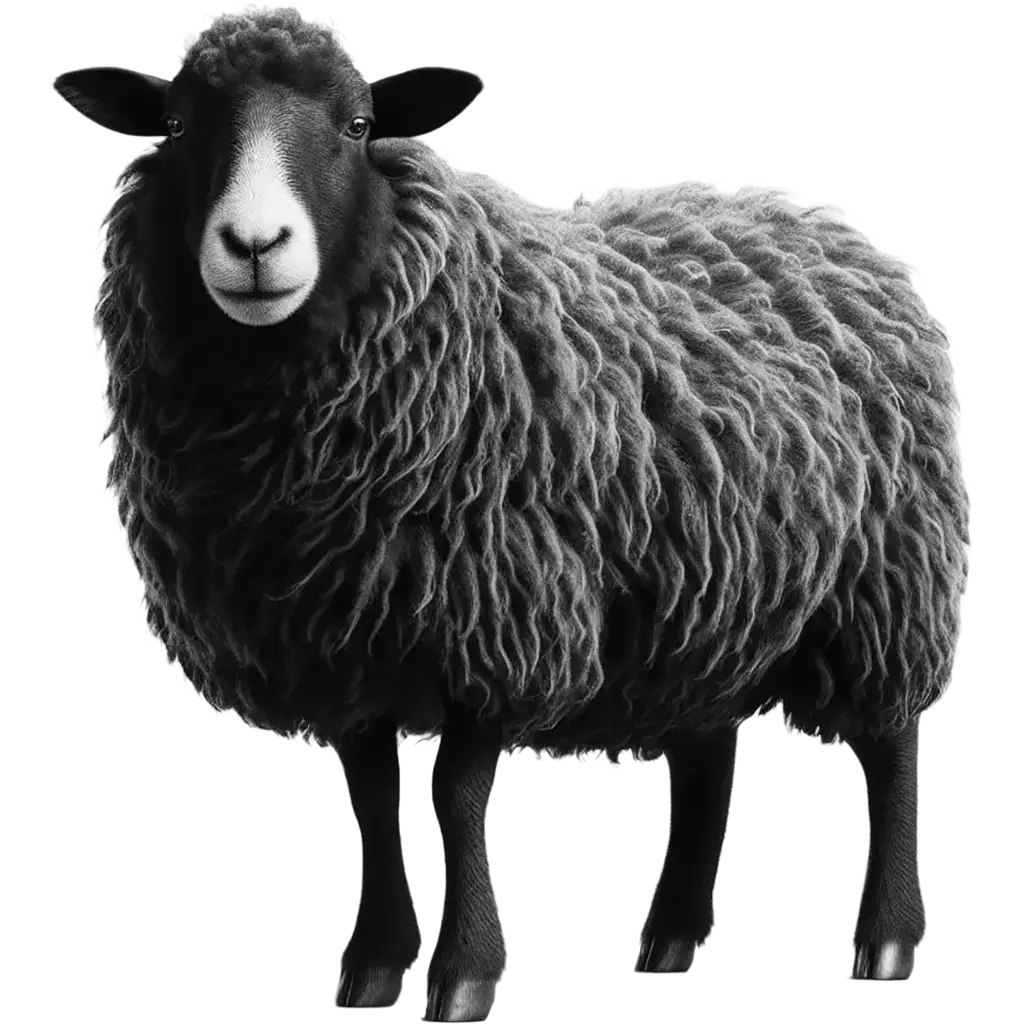
Ovis Aries
Leicester Longwool
Farms, grasslands, and pastures
The Leicester Longwool, also known as the English leicester, is a historic breed of sheep renowned for its long, lustrous wool and its significant impact on the wool industry. Originating from Leicestershire, England, in the 18th century, this breed was developed by the pioneering breeder Robert Bakewell during the British Agricultural Revolution. Leicester Longwools are large sheep, with rams weighing up to 120 kilograms (264 pounds) and ewes up to 90 kilograms (198 pounds). They exhibit a distinctive long, curly fleece that can grow up to 30 centimeters (12 inches) in length, and their wool is highly prized for its quality, strength, and luster, making it a favorite for hand spinners and crafters.
| Population: | Considered a rare breed with conservation efforts in place |
| Generation Length: | 3-4 years |
| Average Weight: | Ewes: 90-100 kg, Rams: 120-150 kg |
| Average Length: | Not specifically quantified; size varies with age and sex |
| Lifespan: | 10-12 years |
| Diet: | Grasses and other vegetation |
| Conservation Status: | Not Evaluated (NE) |
Leicester Longwools are characterized by their white faces and legs, free of wool, with a broad, Roman nose and a high-set, long neck. The breed is known for its docile temperament, making it an excellent choice for small farms and historical farm settings. They are primarily raised for wool production but have also been used historically in the development of other longwool breeds and for meat.
The diet of the Leicester Longwool, like that of most sheep breeds, consists predominantly of grass. They are efficient grazers and can thrive in a range of pastoral settings, from rich, lowland pastures to more rugged, hilly terrain. Their ability to convert grass into high-quality wool and meat has made them a valuable asset to farmers for centuries.
Reproduction in Leicester Longwools is typical of sheep, with a breeding season that falls in the autumn, leading to spring lambing. Ewes are known for their good maternal instincts and generally have no trouble lambing, often producing twins.
Despite their historical importance and unique characteristics, Leicester Longwools are considered a rare breed today, with their numbers declining in the late 20th century due to changes in agricultural practices and the demand for faster-growing, meat-oriented sheep breeds. Conservation efforts, including those by rare breed preservation societies in the UK, the US, and other countries, are focused on maintaining and increasing the population of Leicester Longwools through responsible breeding programs and promoting their wool and meat products. The breed's genetic diversity and heritage make it an important resource for sustainable agriculture and biodiversity.
Classifications
The Key Attributes
Features
- Movement:
Quadrupedal
- Territorial Behavior:
Herd animals, not typically territorial but follow a social hierarchy within the flock
- Speed:
Not specified; domesticated sheep are not known for their speed
- Diet:
Herbivore
- Physical Features:
- Long, lustrous wool
- Heavy fleece
- Roman nose
- Erect ears
- Primary Senses:
- Sight
- Hearing
- Smell
Understanding Habitat and Range
Geography
- Habitat:
Farms, grasslands, and pastures
- Migration Patterns:
Non-applicable
- Geographical Range:
Originally from England, now found in various countries including the United States, Australia, and New Zealand
- Climate Preferences:
Adaptable to various climates, but requires management for heat stress due to heavy wool
Navigating the Wilderness
In the wild
- Predators:
Wolves, coyotes, dogs, and large birds of prey
- Prey:
Not applicable
- Feeding Behavior:
Grazes on grass and other vegetation; may also be fed supplementary feeds
- Diet:
Grasses and other vegetation
- Defensive Mechanisms:
- Flocking behavior
- Dependence on human protection
- Preferred Food Sources:
- Pasture grasses
- Hay
- Supplementary feeds as necessary
Insights Into Reproduction
Mating
- Mating System:
Controlled breeding in domestic settings
- Number of Offspring:
1-2 lambs
- Gestation Period:
Approximately 5 months
- Parental Involvement:
- Ewes care for their lambs with minimal human intervention in natural settings
Youngsters Section
Leicester Longwool
Fun Fact
Leicester Longwool sheep are known for their luster wool and historical significance.
This breed played a crucial role in the sheep industry, thanks to their quality fleece and meat. Developed by Robert Bakewell in the 18th century, they were vital to the UK's agricultural advancement. Their wool is prized for spinning and weaving.

Download word search puzzles
Word Search Puzzles
Check Out Other Mammals

The Irrawaddy Dolphin has a sturdy, compact body measuring between 2.3 and 2.75 meters in length and weighing 90 to 200 kilograms. Its smooth skin ranges from slate gray to bluish-gray, becoming lighter on the underside. The species features a high, rounded melon with no distinct beak, and a small,
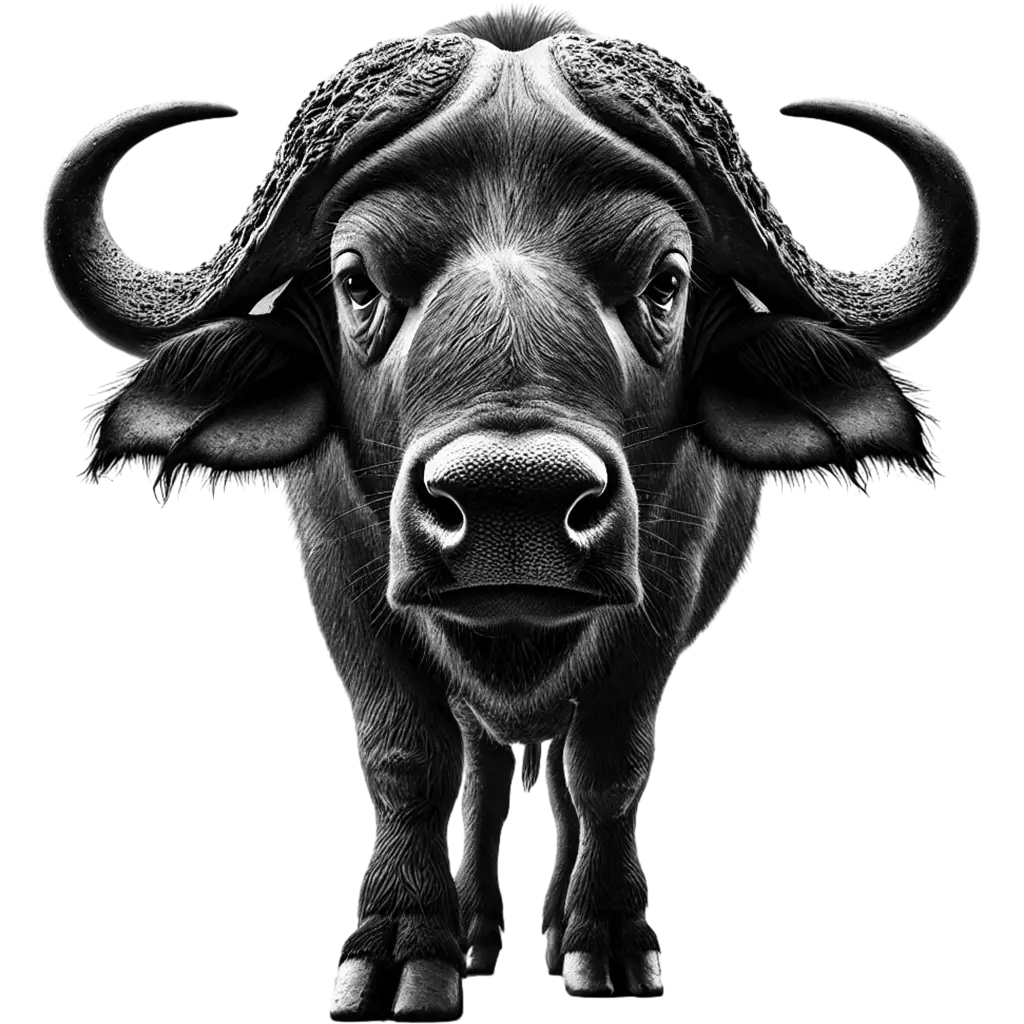
The African Buffalo is a large, powerful herbivore native to sub-Saharan Africa. It is one of the most formidable and unpredictable animals on the continent, known for its muscular body, thick dark coat, and distinctive curved horns. Males, also known as bulls, have larger horns that fuse at the base
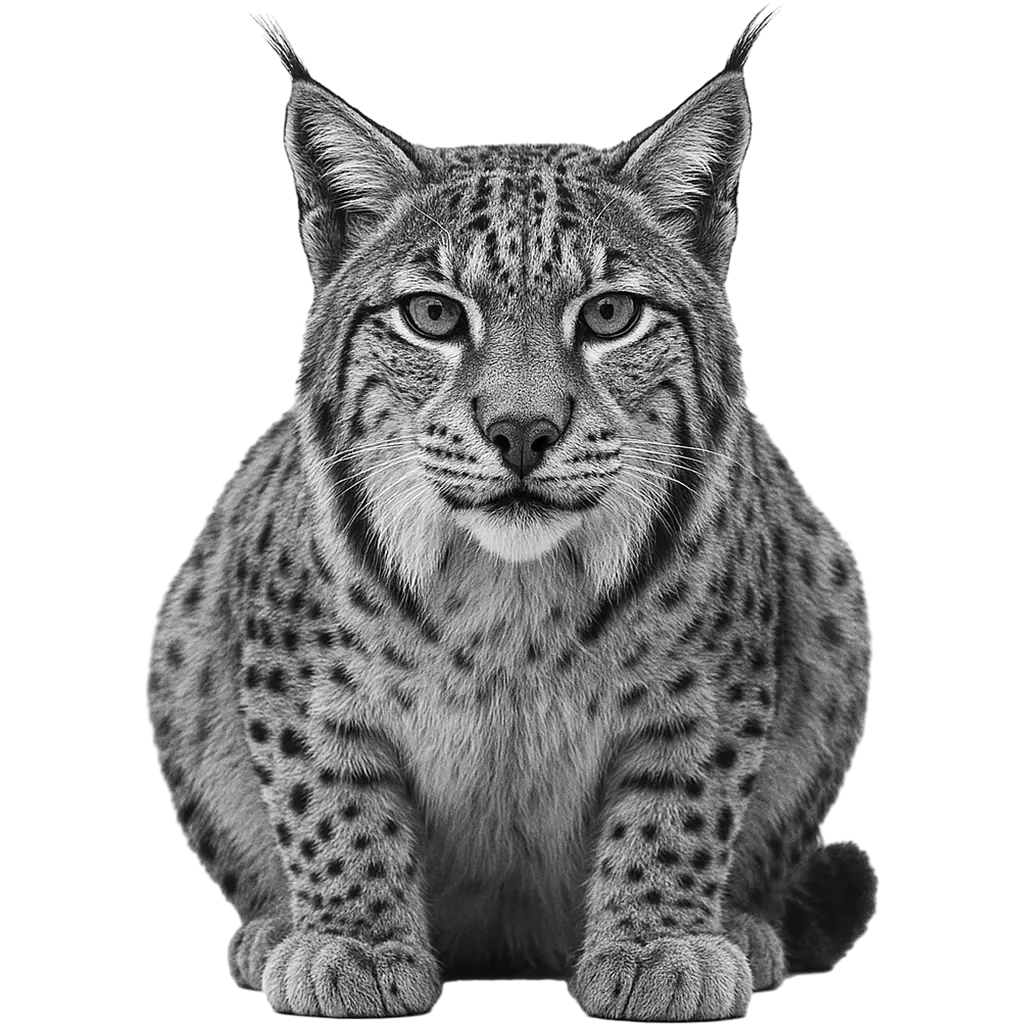
The Iberian Lynx is a medium-sized wildcat standing roughly 60 centimeters at the shoulder and measuring between 85 and 110 centimeters in body length, excluding a short 12 to 30 centimeter tail. Its dense, spotted tawny coat provides effective camouflage in scrubland, with larger spots on the back and smaller
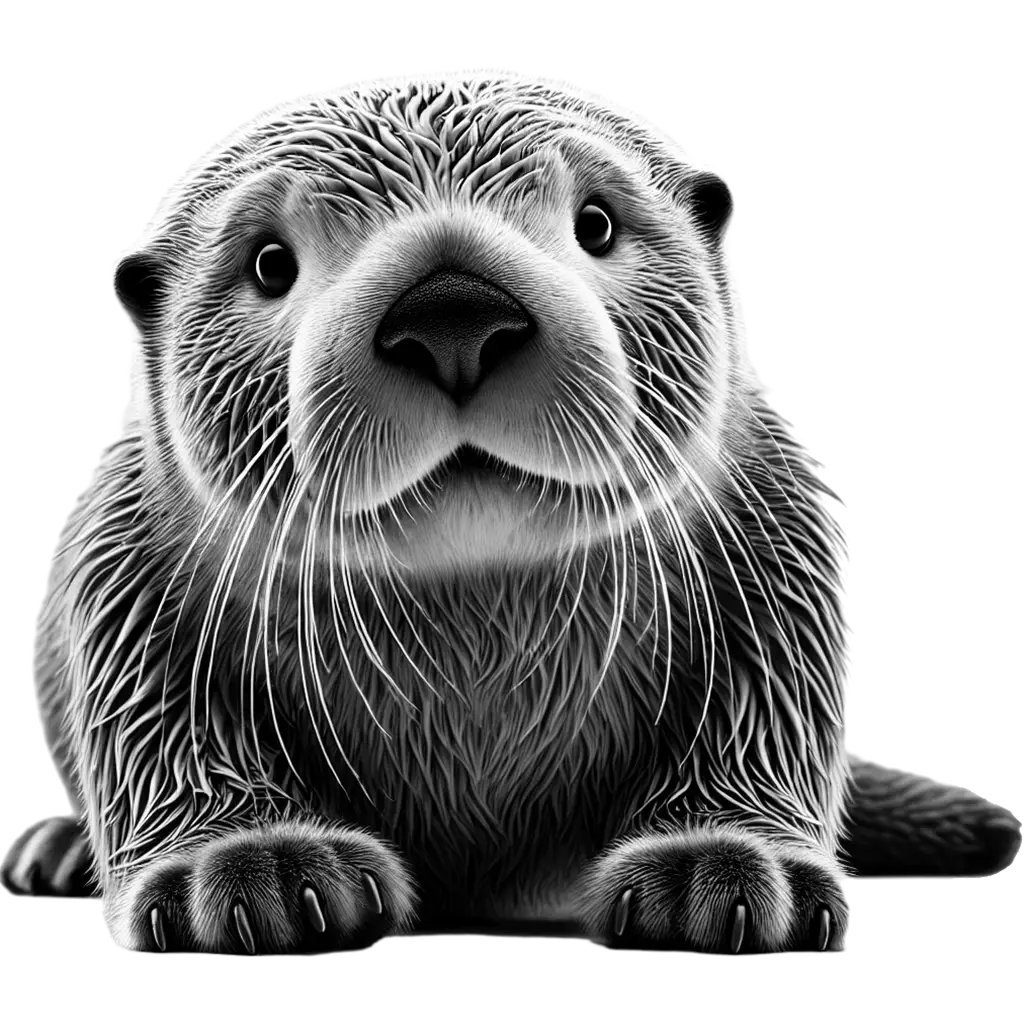
The Sea Otter is a marine mammal known for its dense fur, which is the thickest of any animal, with up to a million hairs per square inch. This fur provides essential insulation, as they lack blubber like other marine mammals. They are highly adapted to aquatic life, with webbed