
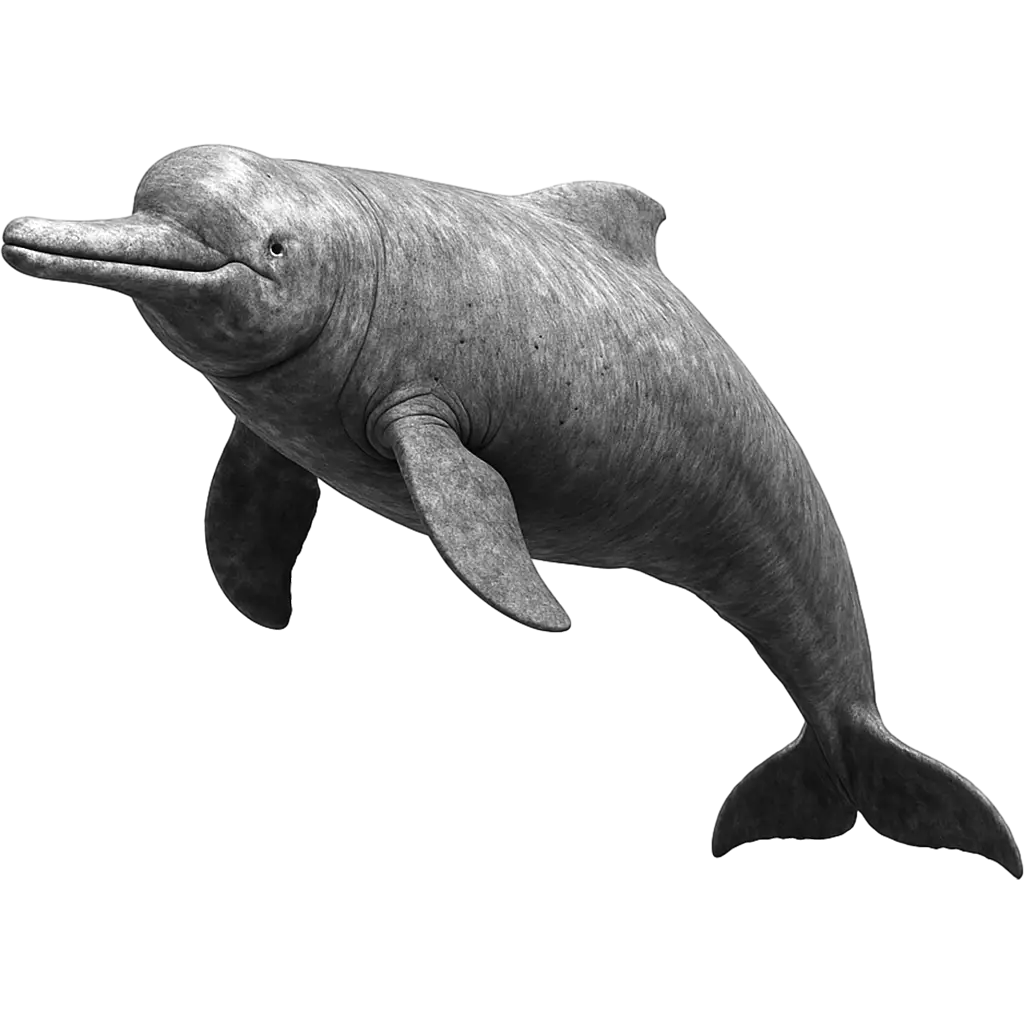
Inia Geoffrensis
Amazon River Dolphin
Found in freshwater rivers and floodplains of the Amazon and Orinoco basins.
Amazon River Dolphins are remarkable cetaceans with smooth, rubbery skin that shifts in hues of delicate pink. Their slender, elongated bodies and long, pointed beaks give them a graceful, almost otherworldly look. Large, dark eyes and a broad forehead add to their expressive facial features. A flexible dorsal fin and wide, powerful flippers complete their streamlined silhouette, allowing them to glide effortlessly through murky river waters. Overall, their vibrant pink coloration and elegant form make them a true marvel of the riverine ecosystem.
| Population: | Widely distributed in the Amazon and Orinoco basins; populations are threatened by pollution, capture, and habitat loss |
| Generation Length: | Approximately 15-20 years |
| Average Weight: | 100-160 kg |
| Average Length: | 2.2-2.8 meters (including tail) |
| Lifespan: | 20-30 years in the wild; up to 40 years in captivity |
| Diet: | Mainly fish, with occasional crustaceans and cephalopods |
| Conservation Status: | Data Deficient (DD) |
Amazon River Dolphins are highly social animals that exhibit playful behaviors and complex communication in their murky river habitats. They are most active during daylight, frequently seen in small pods that navigate the intricate waterways of the Amazon and Orinoco basins. These dolphins use a combination of clicks, whistles, and body language to communicate and coordinate their movements while hunting and foraging. Their interactions are marked by gentle chases and mutual grooming, reinforcing social bonds. Their remarkable resilience and adaptability enable them to thrive in an ever-changing environment influenced by seasonal water level fluctuations and human activity.
Amazon River Dolphins are predominantly piscivorous, feeding mainly on a diverse array of small fish that inhabit the river basins. They employ advanced echolocation techniques to detect even faint prey movements in low-visibility conditions. In addition, they occasionally consume crustaceans and small cephalopods, which provide essential proteins and fats for energy. This varied diet not only fuels their energetic lifestyle but also helps regulate prey populations, contributing to the ecological balance of the river system. Overall, this balanced and adaptable diet is crucial to maintaining their health and supporting their dynamic aquatic existence.
During the breeding season, Amazon River Dolphins engage in brief, coordinated courtship displays. Males and females come together in small pods, communicating through clicks and whistles. A female gives birth to a single calf after an 11-month gestation, and she nurses the young until it can forage independently, thus securing future generations.
Amazon River Dolphin populations are widely distributed across the extensive river networks of the Amazon and Orinoco basins, though their numbers are declining in areas affected by pollution and habitat loss. Long-term monitoring and habitat preservation initiatives are essential to ensure their survival.
Classifications
The Key Attributes
Features
- Movement:
They glide gracefully through murky river waters using powerful tails and flippers for propulsion.
- Territorial Behavior:
Social animals that live in pods; they use clicks and whistles to communicate.
- Speed:
Generally moderate, with bursts during hunting or evasion.
- Diet:
Primarily piscivorous, feeding mainly on small fish.
- Physical Features:
- Sleek, elongated body with smooth, rubbery skin
- Distinctive pink hue that intensifies with activity
- Long, pointed beak and large, dark eyes
- Flexible dorsal fin and broad flippers
- Primary Senses:
- Sight
- Hearing
- Echolocation
Understanding Habitat and Range
Geography
- Habitat:
Found in freshwater rivers and floodplains of the Amazon and Orinoco basins.
- Migration Patterns:
Non-migratory; local movements occur with seasonal water fluctuations.
- Geographical Range:
Widely distributed across the Amazon and Orinoco basins in South America.
- Climate Preferences:
Prefers warm, humid tropical climates with seasonal rainfall.
Navigating the Wilderness
In the wild
- Predators:
Large riverine predators and, at times, human-related threats pose risks, especially to calves.
- Prey:
Small fish, with occasional crustaceans and cephalopods.
- Feeding Behavior:
Utilizes sophisticated echolocation to locate and ambush prey in murky waters.
- Diet:
Mainly fish, with occasional crustaceans and cephalopods
- Defensive Mechanisms:
- Uses rapid bursts of speed and deep-diving to evade predators
- Pod cohesion and complex vocalizations enhance group defense
- Preferred Food Sources:
- Small fish and aquatic invertebrates
Insights Into Reproduction
Mating
- Mating System:
Solitary outside the breeding season; brief courtship occurs among pod members.
- Number of Offspring:
Typically one calf per reproductive cycle.
- Incubation Period:
Gestation lasts about 11 months.
- Parental Involvement:
- Females nurse and care for the single calf until independence.
Youngsters Section
Amazon River Dolphin
Fun Fact
Amazon River Dolphins are known for their playful, acrobatic leaps and unique pink coloration.
They use sophisticated echolocation to navigate murky waters and maintain strong social bonds within pods. Their striking appearance and vocal interactions make them a symbol of the vibrant, mysterious life in the Amazon's waterways.

Download word search puzzles
Word Search Puzzles


Check Out Other Mammals
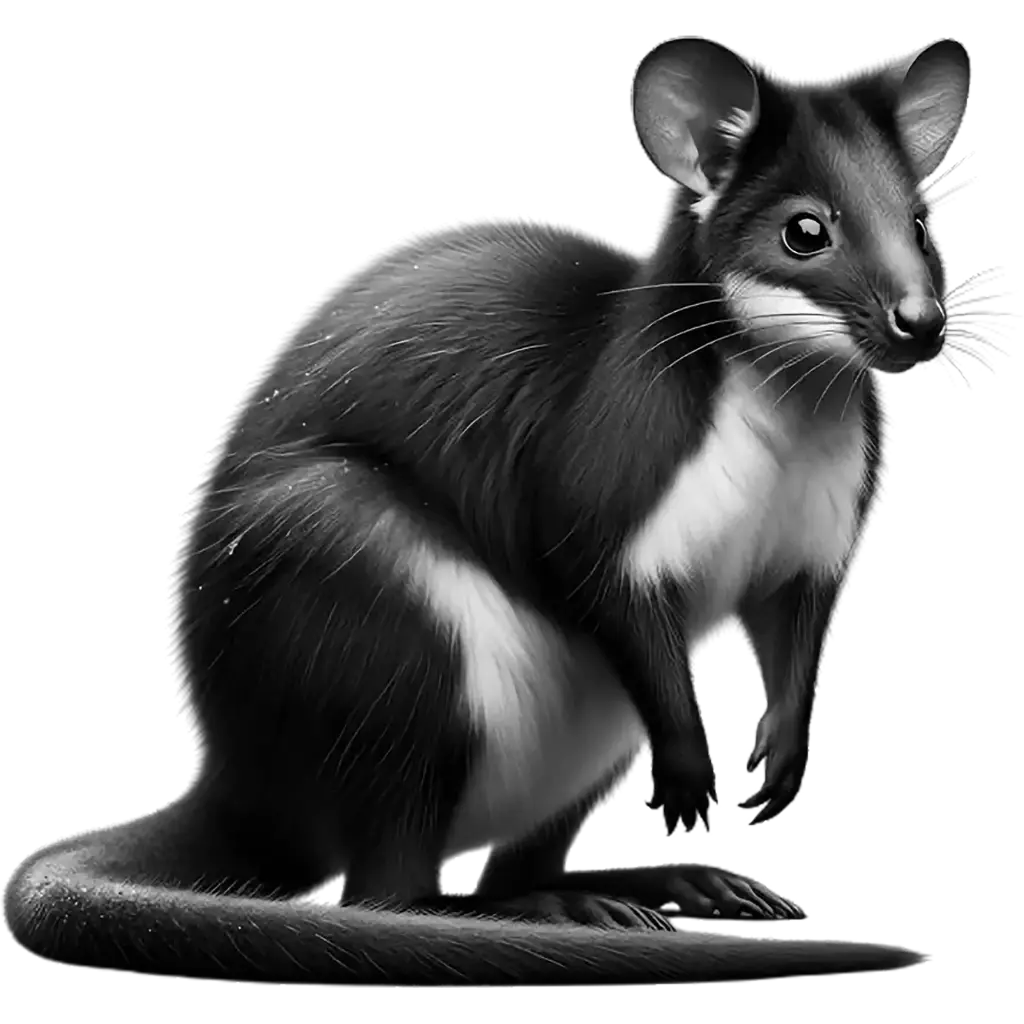
The Musky Rat-Kangaroo, hypsiprymnodon moschatus, is a unique and diminutive marsupial, residing in the dense, wet tropical rainforests of northeastern Queensland, Australia. This species stands out as the smallest and most primitive of the kangaroo family, with adults measuring about 23 to 34 cm in length, including the tail, and
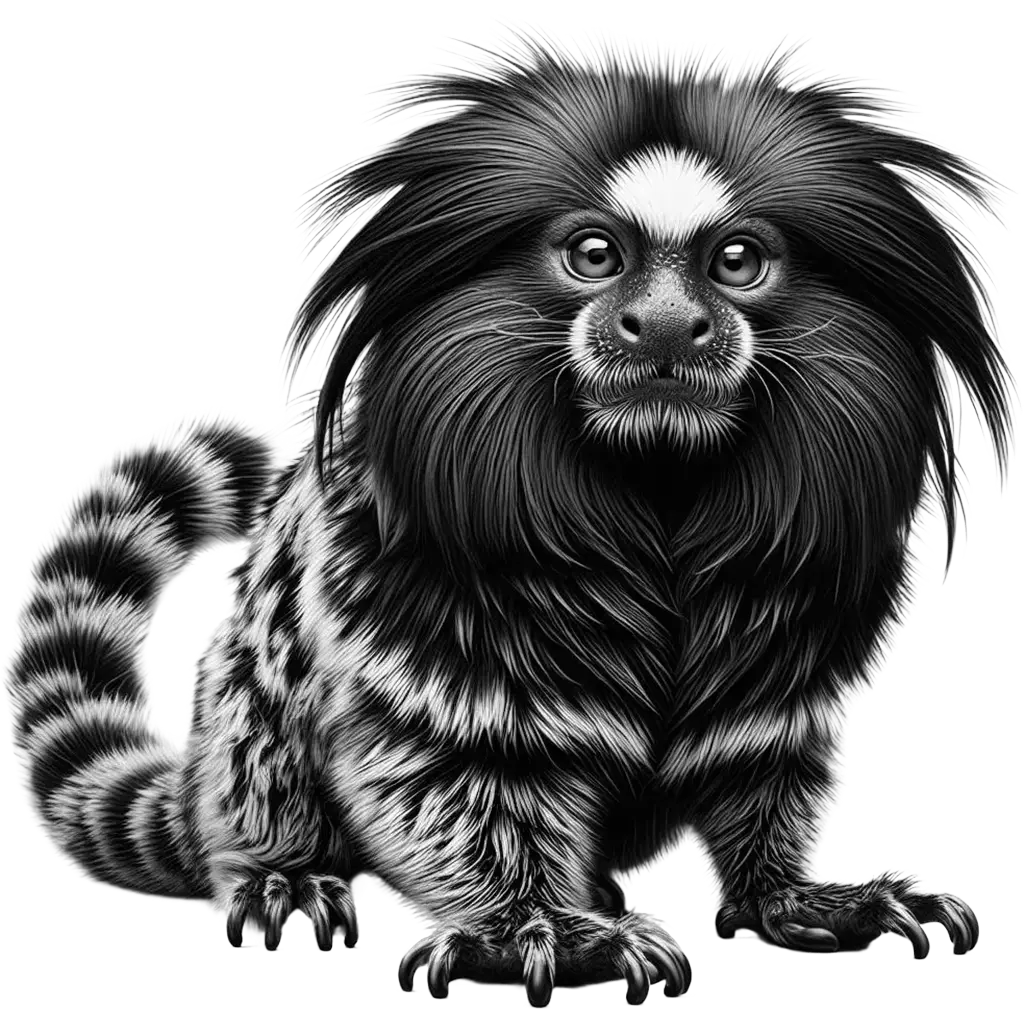
The Common Marmoset, callithrix jacchus, is a small, vivacious primate native to the northeastern regions of Brazil. Characterized by its diminutive size, adults typically weigh between 150 to 400 grams and measure around 18 to 28 centimeters in body length, with a tail that can extend up to 25 to

The Golden Lion Tamarin, leontopithecus rosalia, also known as the Golden Marmoset, is a small, brightly colored primate native to the Atlantic coastal forests of southeastern Brazil. This striking species is most notable for its vibrant golden-orange fur, expressive face, and long, silky mane, reminiscent of a lion's, which frames
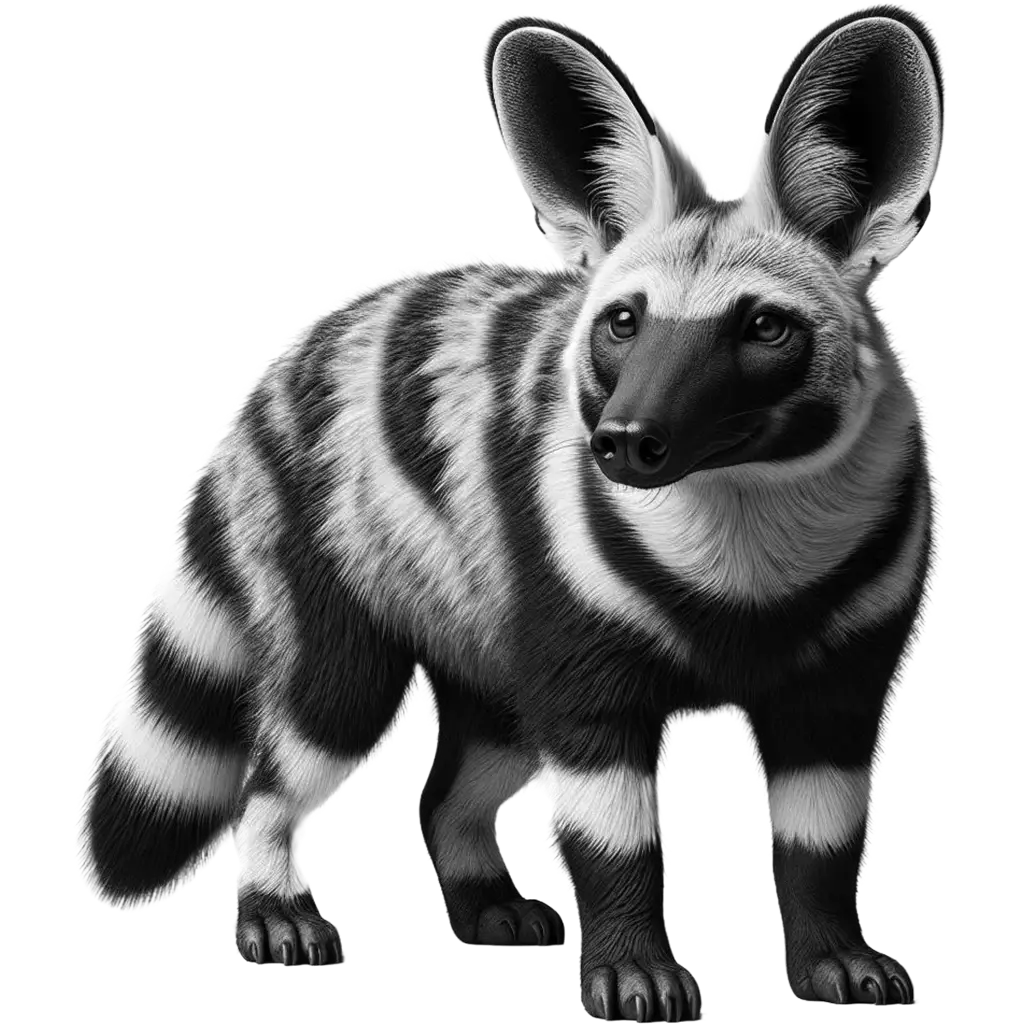
The Aardwolf, proteles cristatus, is a small, insectivorous mammal, distinct from its larger carnivorous relatives in the Hyaenidae family, such as hyenas. With a shoulder height of about 40 to 50 cm and weighing between 8 to 14 kg, the Aardwolf possesses a slender frame, covered in a coarse yellow-brown