
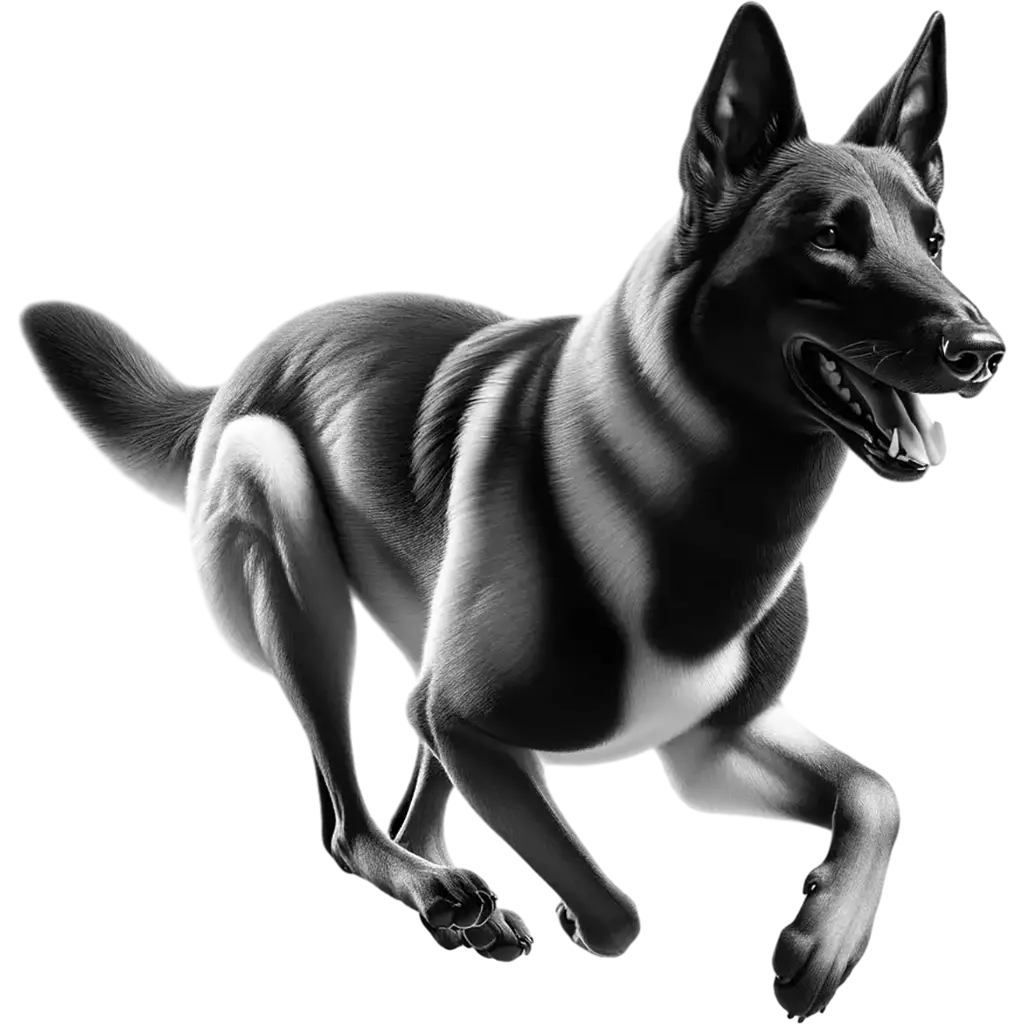
Canis Lupus
Belgian Shepherd
Adaptable to a wide range of living conditions, from rural farms to urban settings
The Belgian Shepherd, also known as the Belgian Sheepdog, encompasses four distinct varieties: the Groenendael, Laekenois, Malinois, and Tervuren. Each variety is recognized for its unique coat type and color but shares a common ancestry and similar physical characteristics. Adult Belgian Shepherds typically stand between 56 to 66 cm (22 to 26 inches) at the shoulder and weigh between 20 to 30 kg (44 to 66 pounds). These dogs are characterized by their athletic build, alert expression, and intelligent demeanor. They possess a strong work ethic, are highly trainable, and excel in various canine sports and working roles such as herding, obedience, search and rescue, and as service and therapy dogs.
| Population: | Not quantified, popular breed worldwide |
| Generation Length: | Around 3 to 4 years |
| Average Weight: | 55 to 75 pounds (25 to 34 kg) |
| Average Length: | 22 to 26 inches (56 to 66 cm) at the shoulder |
| Lifespan: | 12 to 14 years |
| Diet: | Commercial dog food, can include meats, vegetables, and grains as advised by a veterinarian |
| Conservation Status: | Not Evaluated (NE) |
Originally bred in Belgium for herding and guarding livestock, Belgian Shepherds are versatile, capable of performing a wide range of tasks. They are known for their loyalty, protectiveness, and strong bond with their family, making them excellent companions. Despite their working heritage, they adapt well to family life, provided they receive sufficient exercise, mental stimulation, and socialization.
The diet of a Belgian Shepherd should be formulated for a medium to large breed with high energy and exercise needs. High-quality commercial dog food or a well-balanced homemade diet can meet these requirements, and feeding should be adjusted based on the dog's age, weight, and activity level to avoid obesity.
Reproduction in Belgian Shepherds, like all dogs, requires responsible management. Ethical breeding practices include health screening for genetic conditions such as hip dysplasia, elbow dysplasia, and eye disorders to ensure the health and well-being of the puppies and the breed as a whole.
The population of Belgian Shepherds is stable, with a dedicated following among dog enthusiasts who appreciate the breed's intelligence, versatility, and companionable nature. While they are well-suited to active households, potential owners should consider the commitment required to meet their exercise and training needs. Conservation of the breed's health and working abilities remains a priority among breeders and breed clubs worldwide.
Classifications
The Key Attributes
Features
- Movement:
Quadrupedal
- Territorial Behavior:
Territorial, especially towards strangers or unfamiliar animals
- Speed:
Up to 48 km/h (30 mph) in short bursts
- Diet:
Omnivore (primarily carnivorous)
- Physical Features:
- Medium-sized, athletic build
- Long, straight coat for the Tervuren and Groenendael; short coat for the Malinois; rough, wiry coat for the Laekenois
- Colors range from fawn to mahogany with a black mask for the Malinois, black for the Groenendael, fawn to russet with a black overlay for the Tervuren, and fawn with traces of black for the Laekenois
- Primary Senses:
- Sight
- Hearing
- Smell
Understanding Habitat and Range
Geography
- Habitat:
Adaptable to a wide range of living conditions, from rural farms to urban settings
- Migration Patterns:
Non-migratory
- Geographical Range:
Originally from Belgium, now found worldwide
- Climate Preferences:
Adaptable to various climates, but some coat types may be more suited to certain climates than others
Navigating the Wilderness
In the wild
- Predators:
Not applicable in a domestic context
- Prey:
Not applicable
- Feeding Behavior:
Fed by owners; can be trained for specific dietary needs or preferences
- Diet:
Commercial dog food, can include meats, vegetables, and grains as advised by a veterinarian
- Defensive Mechanisms:
- Barking
- Physical deterrent (size and presence)
- Protective behavior towards owners and territory
- Preferred Food Sources:
- Quality commercial dog food
- Supplements as recommended by a veterinarian for specific health needs
Insights Into Reproduction
Mating
- Mating System:
Controlled breeding in domestic settings
- Number of Offspring:
6-10 puppies
- Gestation Period:
Approximately 63 days
- Parental Involvement:
- Mother nurses and cares for the puppies until they are weaned
- Human intervention in socialization and early care
Youngsters Section
Belgian Shepherd
Fun Fact
The Belgian Shepherd is a highly intelligent and versatile working dog, known for its agility.
This breed excels in various roles, including police work, search and rescue, and protection. There are four varieties: Malinois, Tervuren, Laekenois, and Groenendael, each with distinct coat types and colors. These dogs require regular mental and physical stimulation.

Download word search puzzles
Word Search Puzzles


Check Out Other Mammals
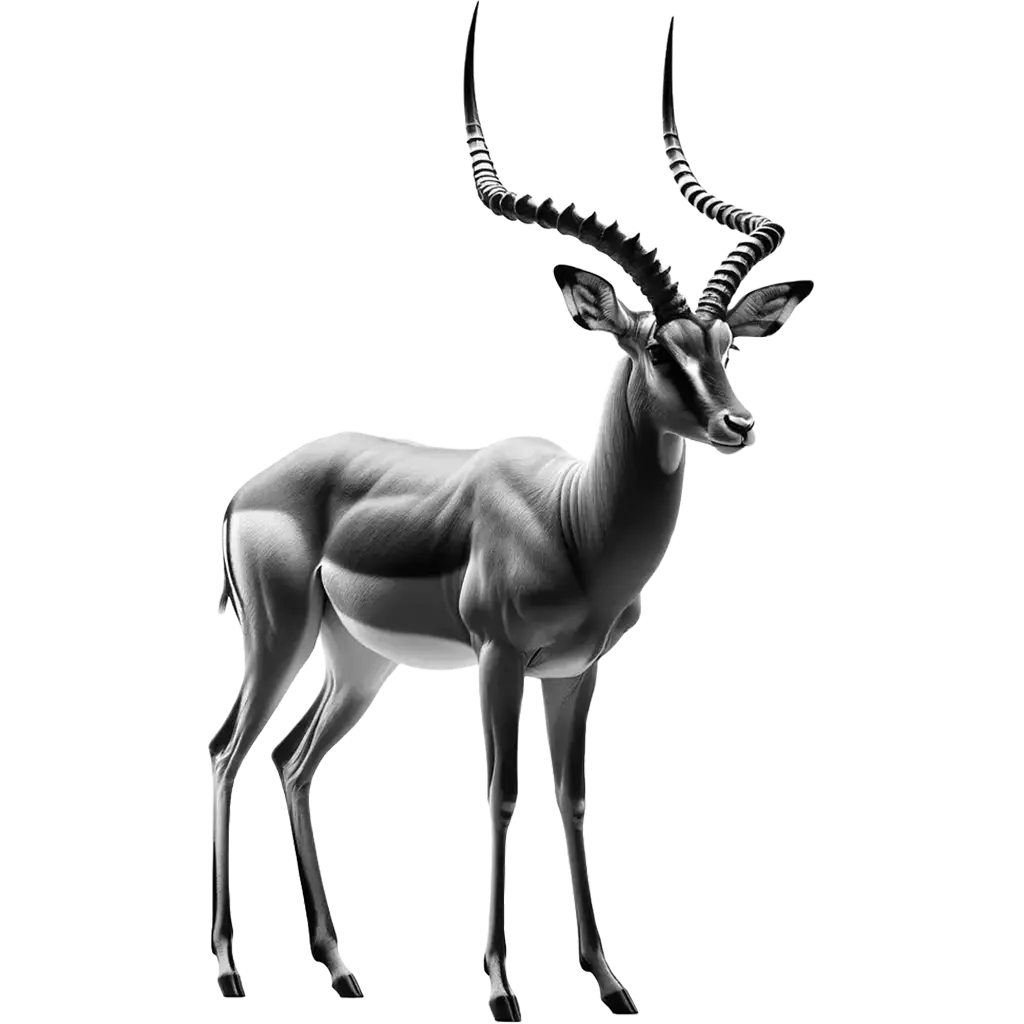
The Impala, aepyceros melampus, is a graceful and agile antelope found across the savannas and woodlands of eastern and southern Africa. Characterized by its slender, athletic build, the Impala has a glossy, reddish-brown coat, with lighter flanks and a distinctive white underbelly. Males boast impressive lyre-shaped horns, which can grow

The Bengal Tiger, panthera tigris, stands as a majestic symbol of the wilderness, embodying strength, agility, and grace. This subspecies is distinguished by its vibrant orange coat adorned with dark stripes, a characteristic that provides camouflage in the dense forests and grasslands of its habitat. Adult Bengal Tigers are formidable
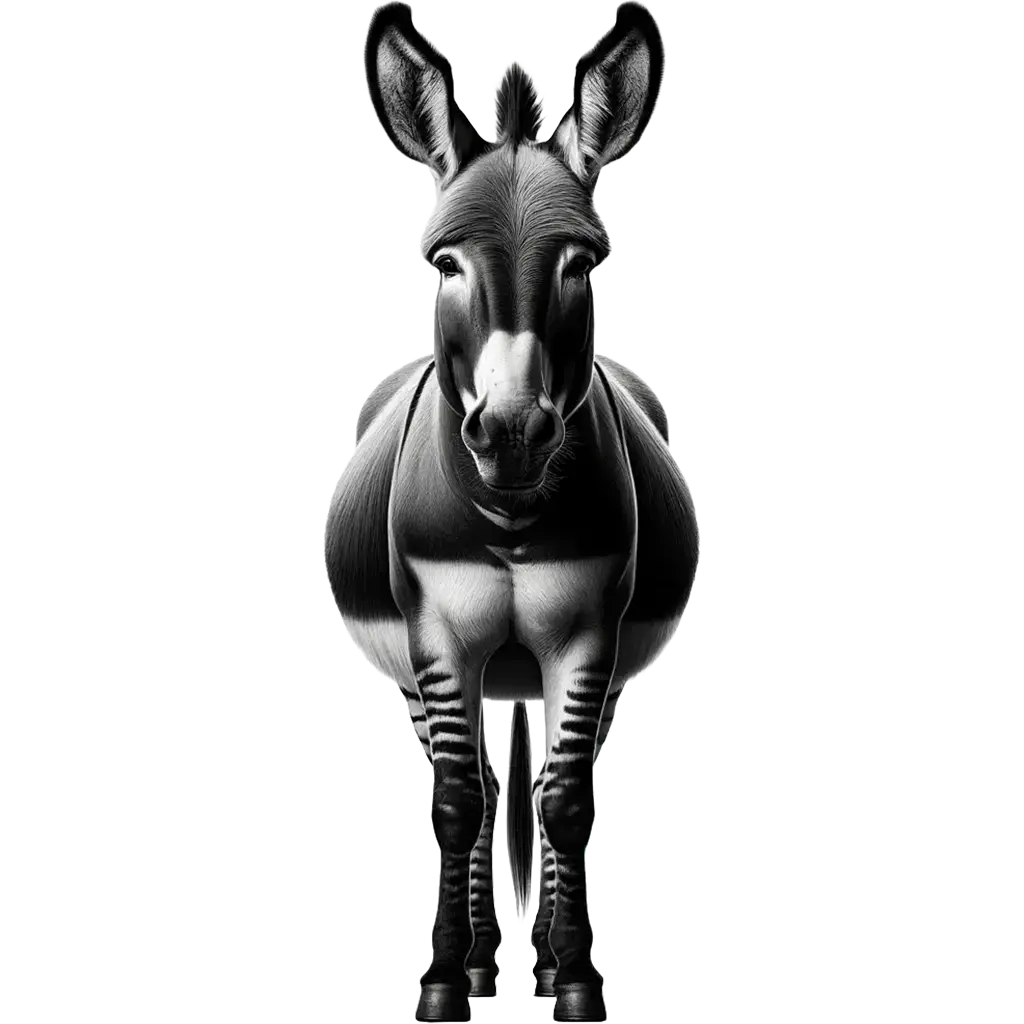
The African Wild Ass, equus africanus, is an endangered species and the ancestor of the domestic donkey, known for its hardiness and adaptability to harsh desert environments. This species exhibits a light gray to fawn-colored coat, with distinctive zebra-like stripes on its legs and a dark dorsal stripe running down
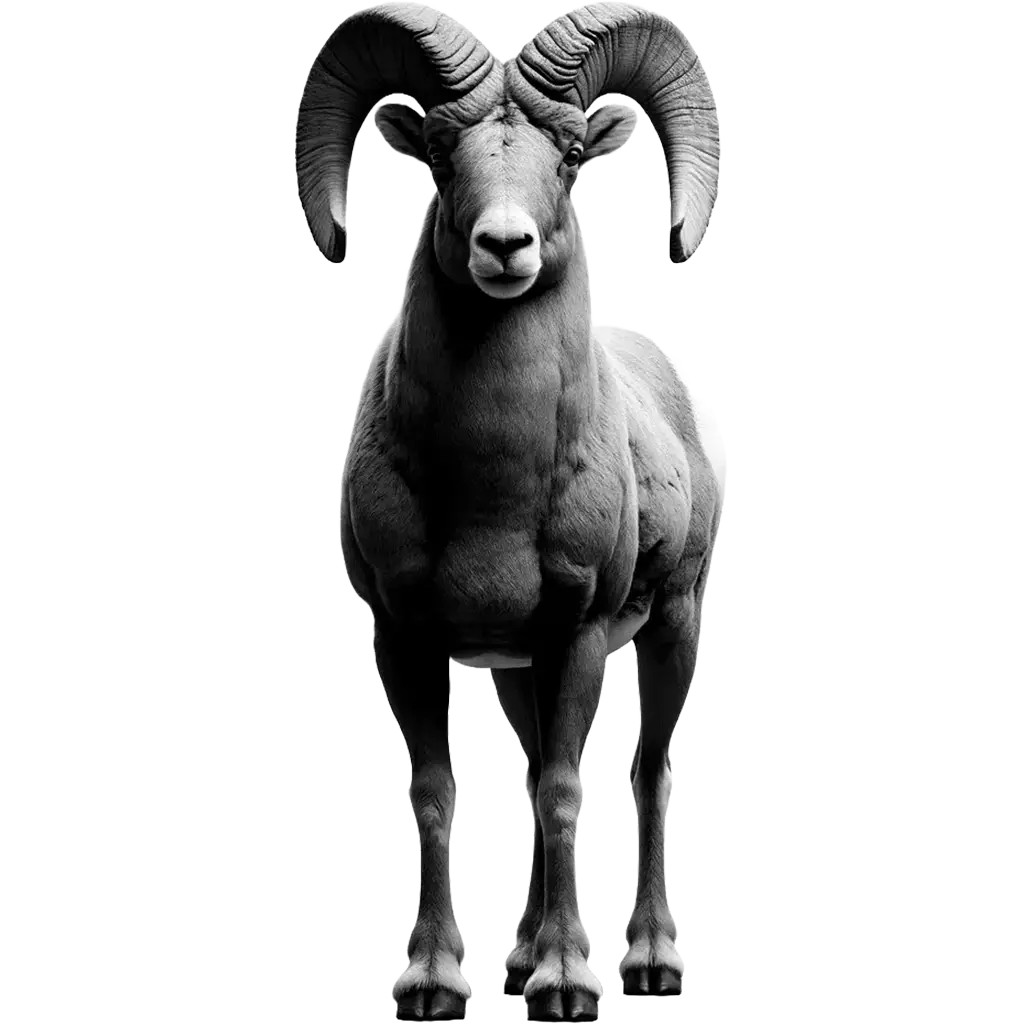
The Bighorn Sheep, Ovis canadensis, is a symbol of the rugged mountain ranges of North America, from Canada's cold northern regions down through the western United States and into Mexico's desert landscapes. Distinguished by their large, curved horns, which can weigh up to 14 kilograms in males, Bighorn Sheep exhibit