

Panthera Tigris
Bengal Tiger
Diverse, including tropical forests, mangroves, grasslands, and temperate forests
The Bengal Tiger, panthera tigris, stands as a majestic symbol of the wilderness, embodying strength, agility, and grace. This subspecies is distinguished by its vibrant orange coat adorned with dark stripes, a characteristic that provides camouflage in the dense forests and grasslands of its habitat. Adult Bengal Tigers are formidable predators, with males reaching up to 3 meters in length and weighing between 180 to 260 kilograms, while females are slightly smaller. Their powerful physique is complemented by acute senses and stealthy movements, making them apex predators in their ecosystems.
| Population: | Approximately 2,500 individuals in the wild |
| Generation Length: | 8 years |
| Average Weight: | Male: 220-260 kg, Female: 100-160 kg |
| Average Length: | 270-310 cm (male total length), 240-265 cm (female total length) |
| Lifespan: | 8-10 years in the wild, up to 20 years in captivity |
| Diet: | Primarily large ungulates |
| Conservation Status: | Endangered (EN) |
Native primarily to India, with smaller populations in Bangladesh, Nepal, and Bhutan, the Bengal Tiger inhabits a variety of environments, including tropical rainforests, grasslands, and deciduous forests. They are solitary creatures, each tiger maintaining a distinct territory that is marked and defended against intruders. These territories are critical for their survival, providing access to prey and opportunities for mating. Bengal Tigers are primarily nocturnal hunters, relying on their strength and strategic prowess to catch a variety of prey, from deer and wild boar to buffalo.
The diet of the Bengal Tiger is carnivorous, focusing on large ungulates that roam the forests and grasslands of its territory. This diet is crucial for sustaining their large body size and supporting their energetic needs. Bengal Tigers can consume up to 20 kilograms of meat in one feeding session, though they may go several days without eating after a large meal. Their hunting technique is a testament to their patience and precision, as they often stalk their prey for hours before launching a swift and decisive attack.
Mating can occur at any time of year, but it is most common from November to April. After a gestation period of approximately 3.5 months, a female Bengal Tiger gives birth to a litter of 2 to 4 cubs. These cubs are born blind and utterly dependent on their mother for protection and nourishment. The mortality rate is high in the early stages of life, but those that survive spend the next two to three years with their mother, learning the essential skills for survival in the wild.
The Bengal Tiger is classified as endangered, with current estimates suggesting fewer than 2,500 mature individuals remaining in the wild. This decline is primarily due to habitat loss, poaching for their fur and body parts, and conflict with humans. Conservation efforts for the Bengal Tiger include habitat restoration, anti-poaching initiatives, and projects aimed at mitigating human-tiger conflicts. Protecting these magnificent animals requires international cooperation and sustained commitment to ensure they continue to roam the forests of South Asia.
Classifications
The Key Attributes
Features
- Movement:
Quadrupedal
- Territorial Behavior:
Solitary and highly territorial
- Speed:
Can reach speeds up to 60 km/h in short bursts
- Diet:
Carnivore
- Physical Features:
- Striped fur
- Powerful build
- Sharp claws and teeth
- Primary Senses:
- Sight
- Hearing
- Smell
Understanding Habitat and Range
Geography
- Habitat:
Diverse, including tropical forests, mangroves, grasslands, and temperate forests
- Migration Patterns:
Non-migratory, but ranges can shift due to prey availability and human encroachment
- Geographical Range:
Mainly found in India, with smaller populations in Bangladesh, Nepal, Bhutan, and Myanmar
- Climate Preferences:
Varies with habitat, from tropical to temperate climates
Navigating the Wilderness
In the wild
- Predators:
Humans (primarily due to poaching and conflict)
- Prey:
Deer, wild boar, and other large mammals
- Feeding Behavior:
Nocturnal and crepuscular, stalk-and-ambush predator
- Diet:
Primarily large ungulates
- Defensive Mechanisms:
- Strength
- Stealth
- Swimming ability
- Preferred Food Sources:
- Chital
- Sambar
- Gaur
Insights Into Reproduction
Mating
- Mating System:
Polygynous
- Number of Offspring:
2-4 cubs
- Gestation Period:
104-106 days
- Parental Involvement:
- Mother cares for the cubs; males do not participate in rearing
Youngsters Section
Bengal Tiger
Fun Fact
The Bengal tiger is the most numerous tiger subspecies, primarily found in India.
Known for their striking orange coat with black stripes, these tigers are powerful swimmers. They can weigh up to 500 pounds and measure over 10 feet in length. As apex predators, they play a crucial role in maintaining the balance of their ecosystem.

Download word search puzzles
Word Search Puzzles


Check Out Other Mammals
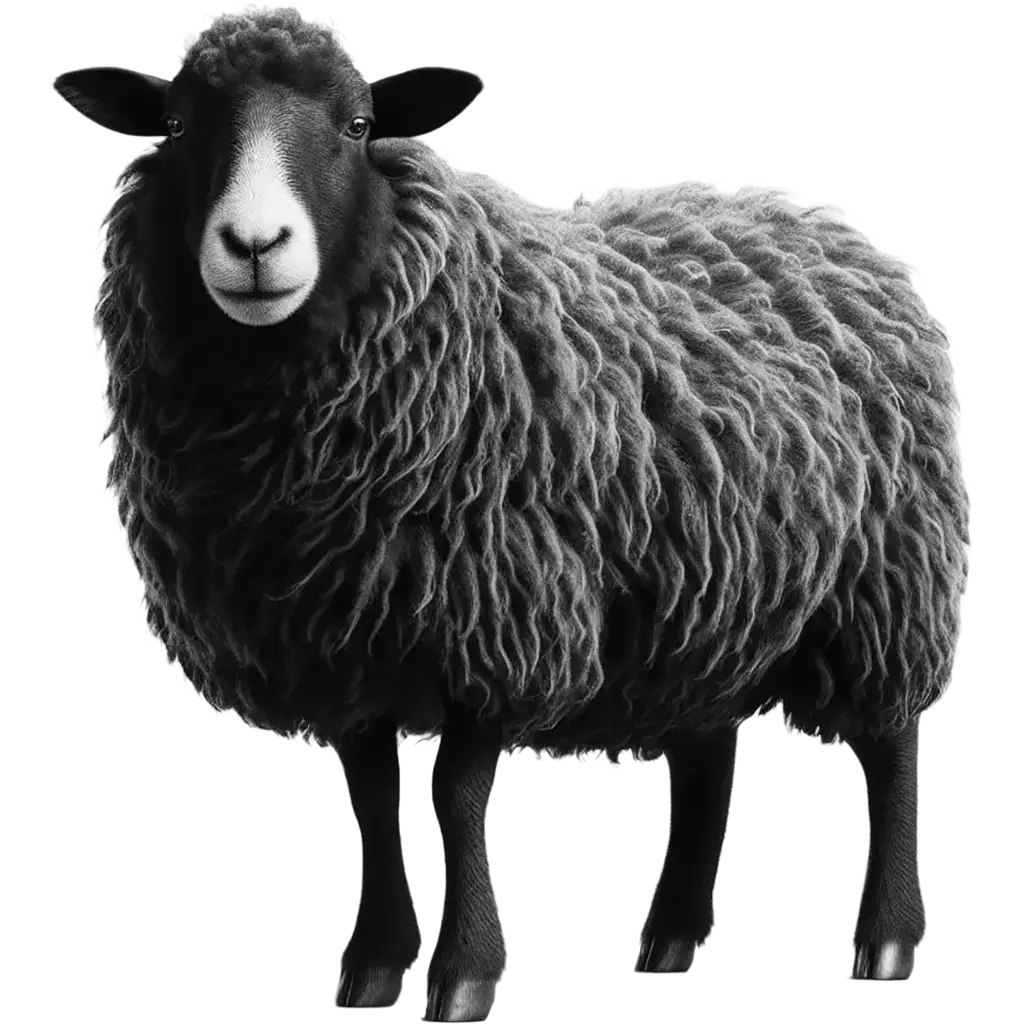
The Leicester Longwool, also known as the English leicester, is a historic breed of sheep renowned for its long, lustrous wool and its significant impact on the wool industry. Originating from Leicestershire, England, in the 18th century, this breed was developed by the pioneering breeder Robert Bakewell during the British
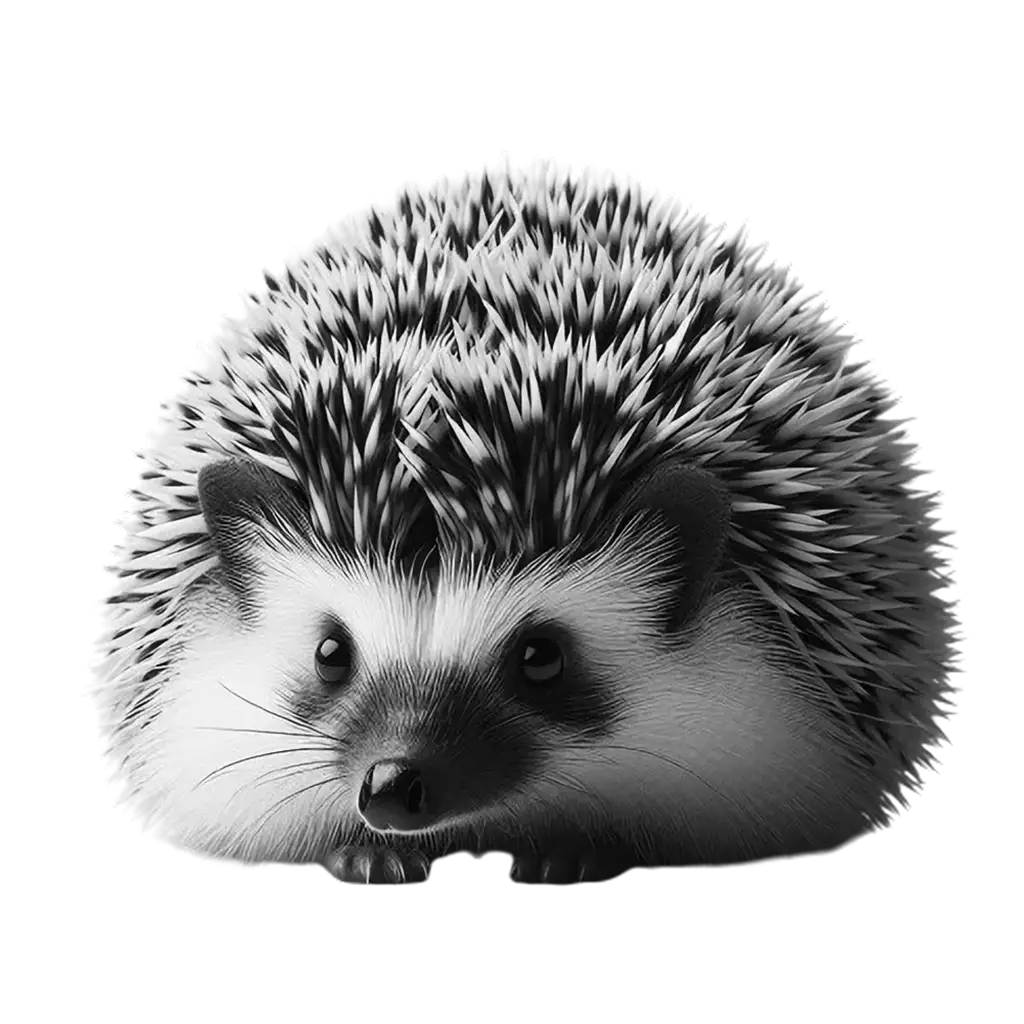
The Four-Toed Hedgehog, atelerix albiventris, is a small, nocturnal mammal native to Central and Eastern Africa. This species is easily distinguishable by its unique feature of having only four toes on each of its rear feet, unlike other hedgehogs which typically have five. Adults measure approximately 15 to 25 centimeters
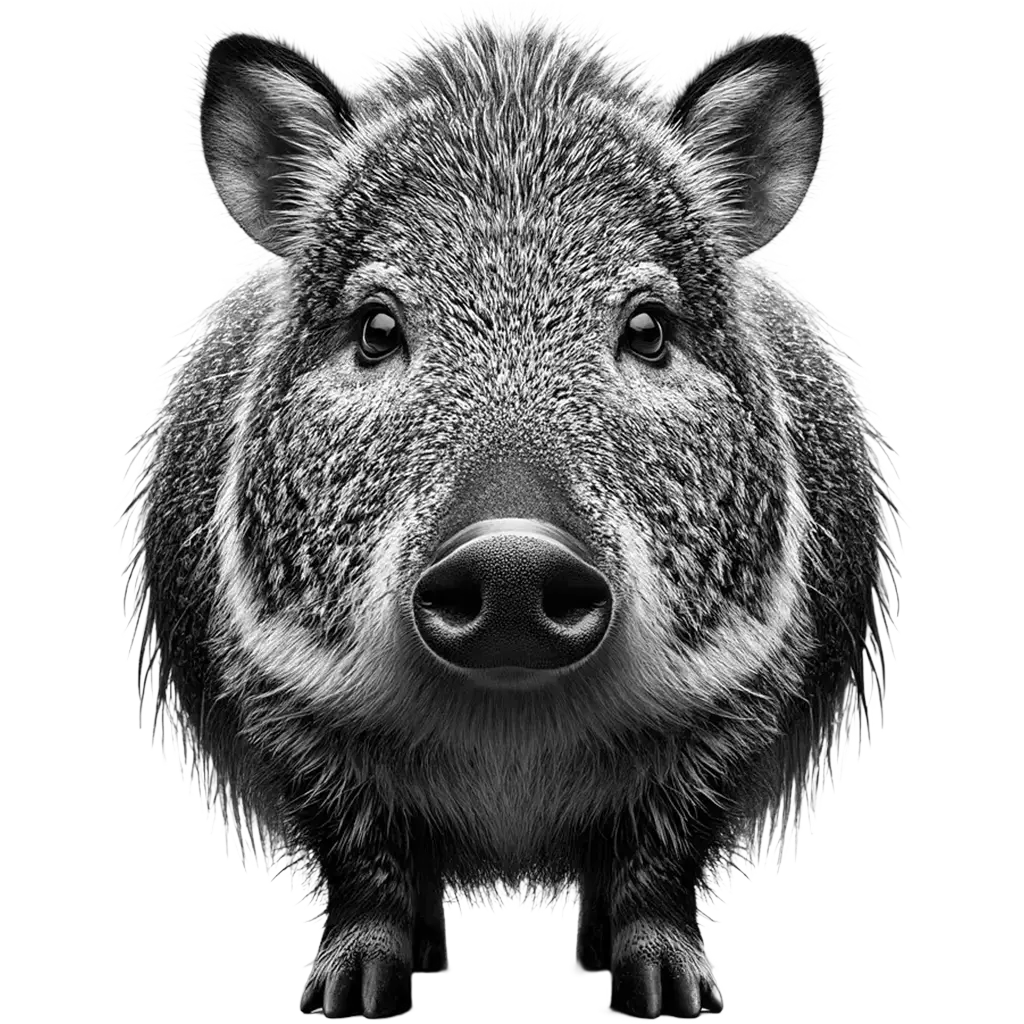
The Collared Peccary, dicotyles tajacu, commonly referred to as the javelina, is a medium-sized, hoofed mammal of the New World pig family, found throughout Central and South America and the southwestern United States. Distinguished by its dark gray body, coarse hair, and a white to yellowish collar of fur around
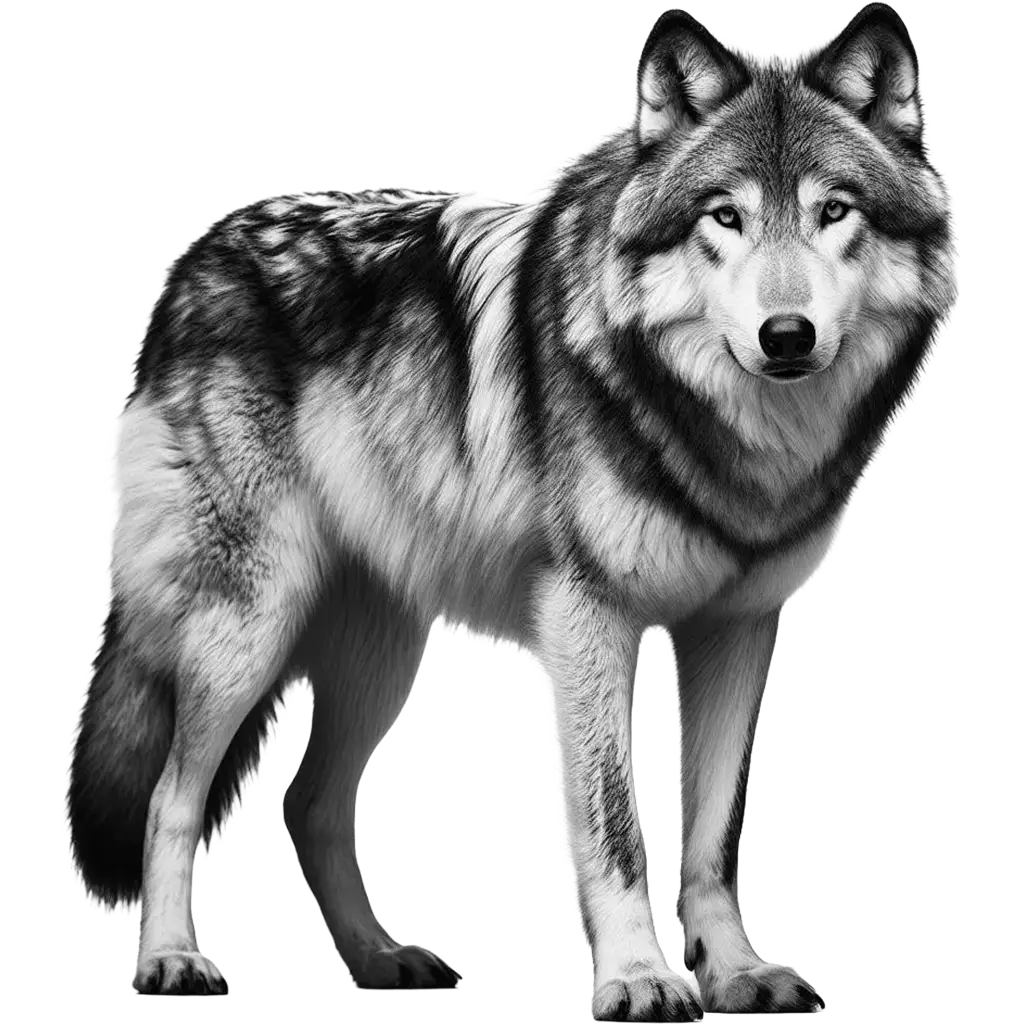
The Gray Wolf, canis lupus, is a highly adaptable and widely distributed canine, recognized for its role as a top predator within its ecosystem. Adult gray wolves vary significantly in size based on their geographical location, with weights ranging from 30 to 80 kilograms (66 to 176 pounds) and lengths