
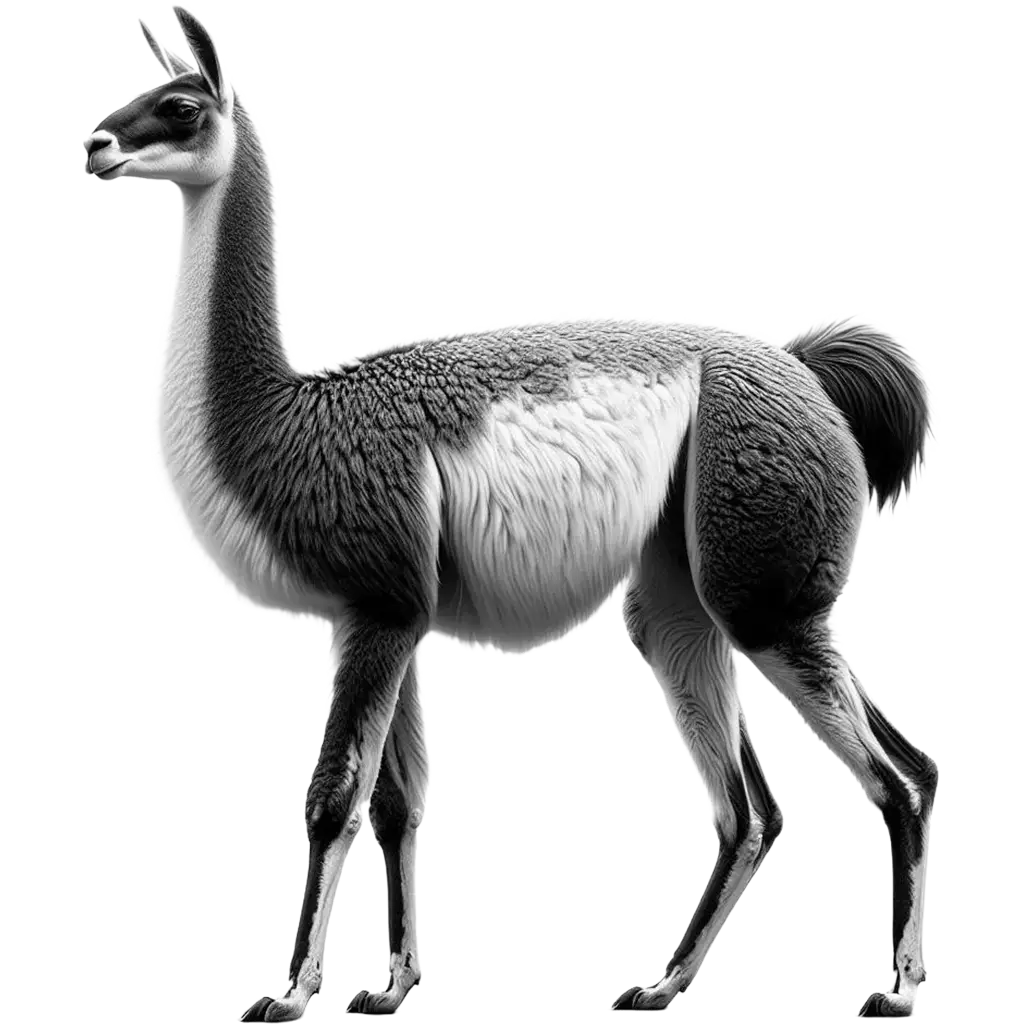
Lama Guanicoe
Guanaco
Steppes, arid plains, and mountainous regions
The Guanaco, lama guanicoe, is a camelid native to South America, closely related to the domesticated llama and a wild ancestor to the alpaca. Adult Guanacos stand about 1 to 1.2 meters (3.3 to 3.9 feet) at the shoulder and weigh between 90 to 140 kilograms (200 to 310 pounds). Their fur is a light brown or reddish color on the back, with a white underside, and they possess a notably thick, woolly coat that helps insulate them in both high altitude cold and lower elevation heat. Guanacos are characterized by their long legs, long neck, and small head, with large, expressive eyes and ears that contribute to their vigilant nature.
| Population: | Estimated to be over 500,000 individuals, classified as Least Concern, but local populations may be threatened |
| Generation Length: | 6-8 years |
| Average Weight: | 90-140 kg |
| Average Length: | Body length: 1.0-1.2 m, Height at the shoulder: 1.0-1.2 m |
| Lifespan: | 20-25 years in the wild |
| Diet: | Grasses, herbs, and shrubs |
| Conservation Status: | Least Concern (LC) |
Guanacos inhabit a wide range of environments across South America, from the arid plains of Patagonia and the grasslands of the Pampas to the mountainous regions of the Andes. They are highly adaptable, capable of living in harsh conditions with scarce water and vegetation. As social animals, Guanacos typically form groups of females and their young, led by a dominant male, with solitary males forming bachelor groups or living as loners.
The diet of the Guanaco consists mainly of grasses, herbs, leaves, and other vegetation, which they are well-adapted to grazing. Their split upper lip allows them to select the most nutritious parts of plants with precision. This diet is low in nutrients, necessitating large daily intakes of food to meet their energy requirements.
Reproduction in Guanacos involves a mating season that typically occurs from November to February. After a gestation period of about 11 months, females give birth to a single calf, known as a chulengo, which is capable of standing and running shortly after birth. This quick development is crucial for survival in environments with high predation pressure.
The Guanaco is currently classified as Least Concern by the IUCN, though it faces threats from overhunting for its meat and hide, competition with livestock for grazing, and habitat loss due to agricultural expansion. Conservation efforts for Guanacos include habitat preservation, sustainable management practices, and legal protections to regulate hunting and trade. The Guanaco's role as a keystone species in its ecosystem underlines the importance of these efforts for the conservation of South American biodiversity.
Classifications
The Key Attributes
Features
- Movement:
Quadrupedal running
- Territorial Behavior:
Social animals living in family groups or herds
- Speed:
Can reach speeds up to 56 km/h
- Diet:
Herbivore
- Physical Features:
- Thick, woolly coat
- Long neck and legs
- Small head with large eyes and ears
- Short tail
- Primary Senses:
- Sight
- Hearing
- Smell
Understanding Habitat and Range
Geography
- Habitat:
Steppes, arid plains, and mountainous regions
- Migration Patterns:
Non-migratory, but may move locally in response to seasonal food availability
- Geographical Range:
South America, predominantly in Argentina, Chile, Bolivia, Peru, and Paraguay
- Climate Preferences:
Adaptable to a wide range of climates, from arid regions to cold mountainous environments
Navigating the Wilderness
In the wild
- Predators:
Pumas and humans are primary predators
- Prey:
Not applicable
- Feeding Behavior:
Grazes on grasses, herbs, and shrubs
- Diet:
Grasses, herbs, and shrubs
- Defensive Mechanisms:
- Fleeing at high speeds
- Living in groups for increased vigilance
- Spitting as a defensive measure
- Preferred Food Sources:
- Grasses
- Herbs
- Shrubs
Insights Into Reproduction
Mating
- Mating System:
Polygynous, with dominant males defending territories and harems
- Number of Offspring:
Usually 1 offspring
- Gestation Period:
About 11.5 months
- Parental Involvement:
- Mother provides all care, with offspring becoming independent after several months
Youngsters Section
Guanaco
Fun Fact
Guanacos are native to South America and are closely related to llamas and alpacas. They thrive in arid regions.
These animals can run at speeds of up to 56 km/h, making them agile and swift. Guanacos have a unique adaptation allowing them to survive in extreme climates. Their red blood cells are oval-shaped, which helps them efficiently transport oxygen, even at high altitudes.

Download word search puzzles
Word Search Puzzles
Check Out Other Mammals
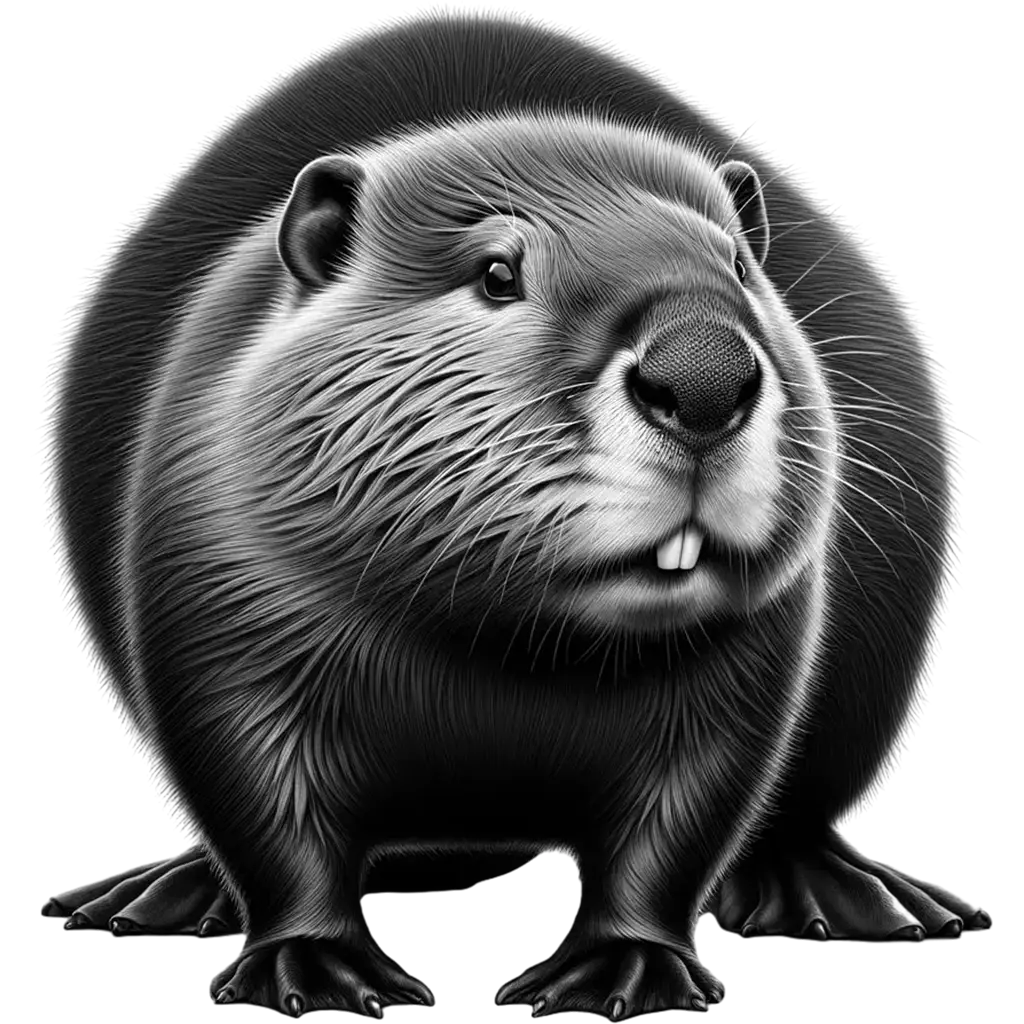
The Eurasian Beaver, castor fiber, is a large, primarily nocturnal, semi-aquatic mammal native to Europe and parts of Asia. This species is one of the two extant beaver species, alongside the North American beaver (Castor canadensis). Eurasian Beavers typically weigh between 11 to 30 kilograms (24 to 66 pounds), with
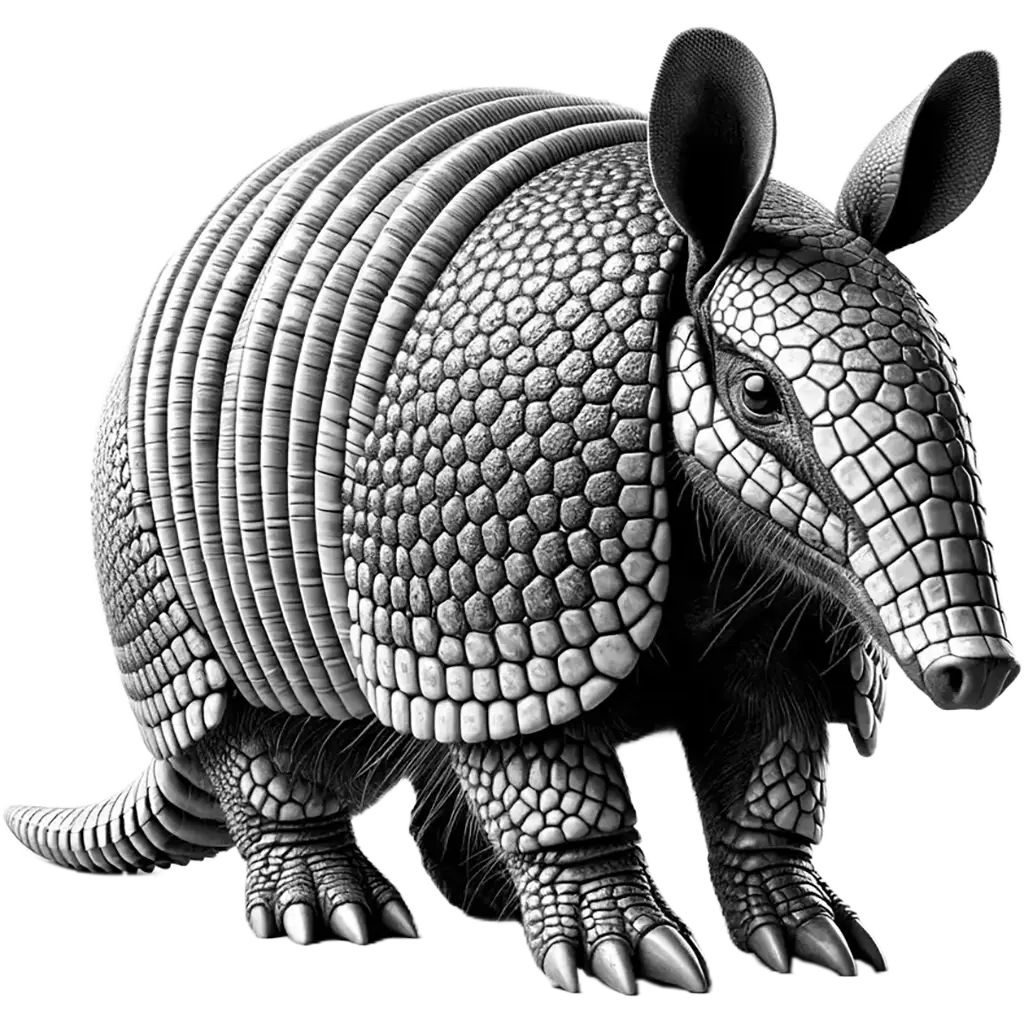
The Nine-Banded Armadillo, Dasypus novemcinctus, is a medium-sized mammal known for its distinctive armor-like shell, consisting of flexible, bony plates that cover its back, sides, head, and tail. This unique adaptation provides protection against predators. Adult armadillos typically measure between 38 to 58 centimeters in body length, with a 26
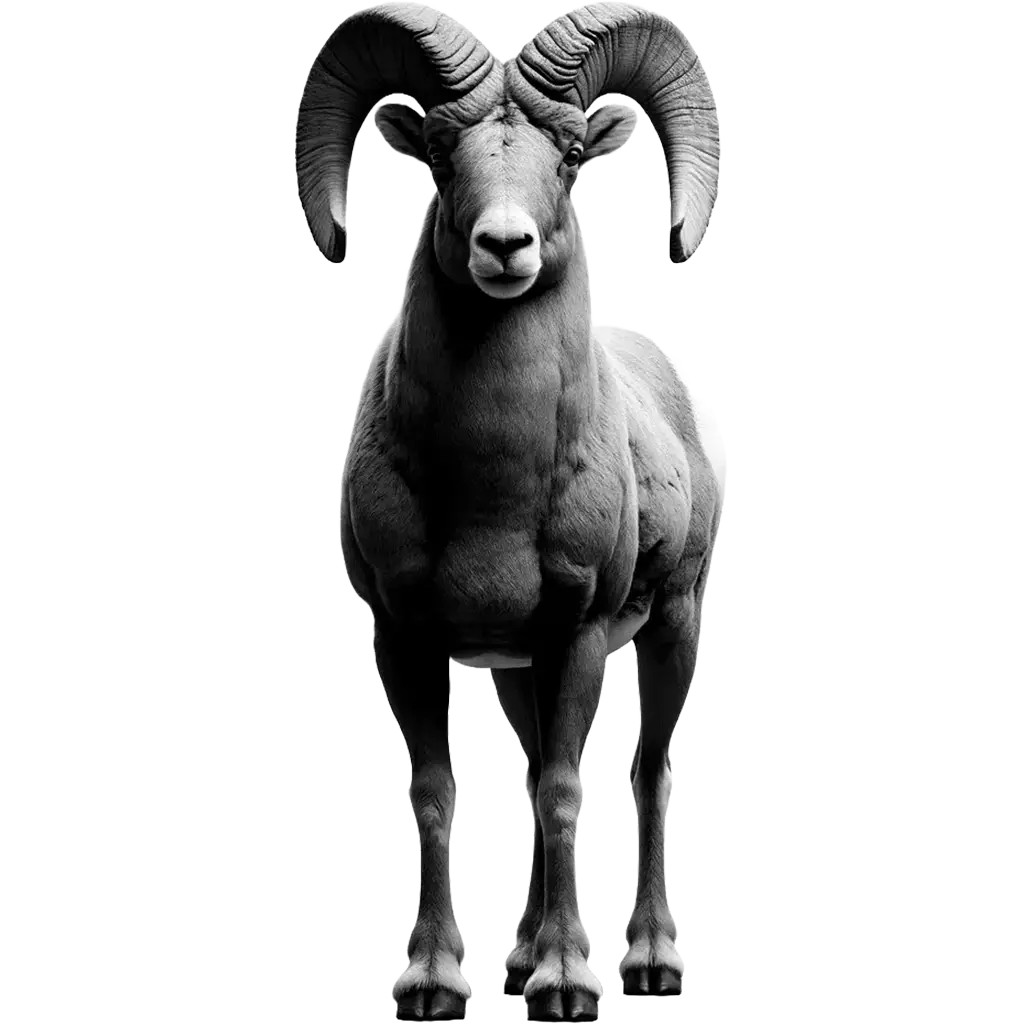
The Bighorn Sheep, Ovis canadensis, is a symbol of the rugged mountain ranges of North America, from Canada's cold northern regions down through the western United States and into Mexico's desert landscapes. Distinguished by their large, curved horns, which can weigh up to 14 kilograms in males, Bighorn Sheep exhibit
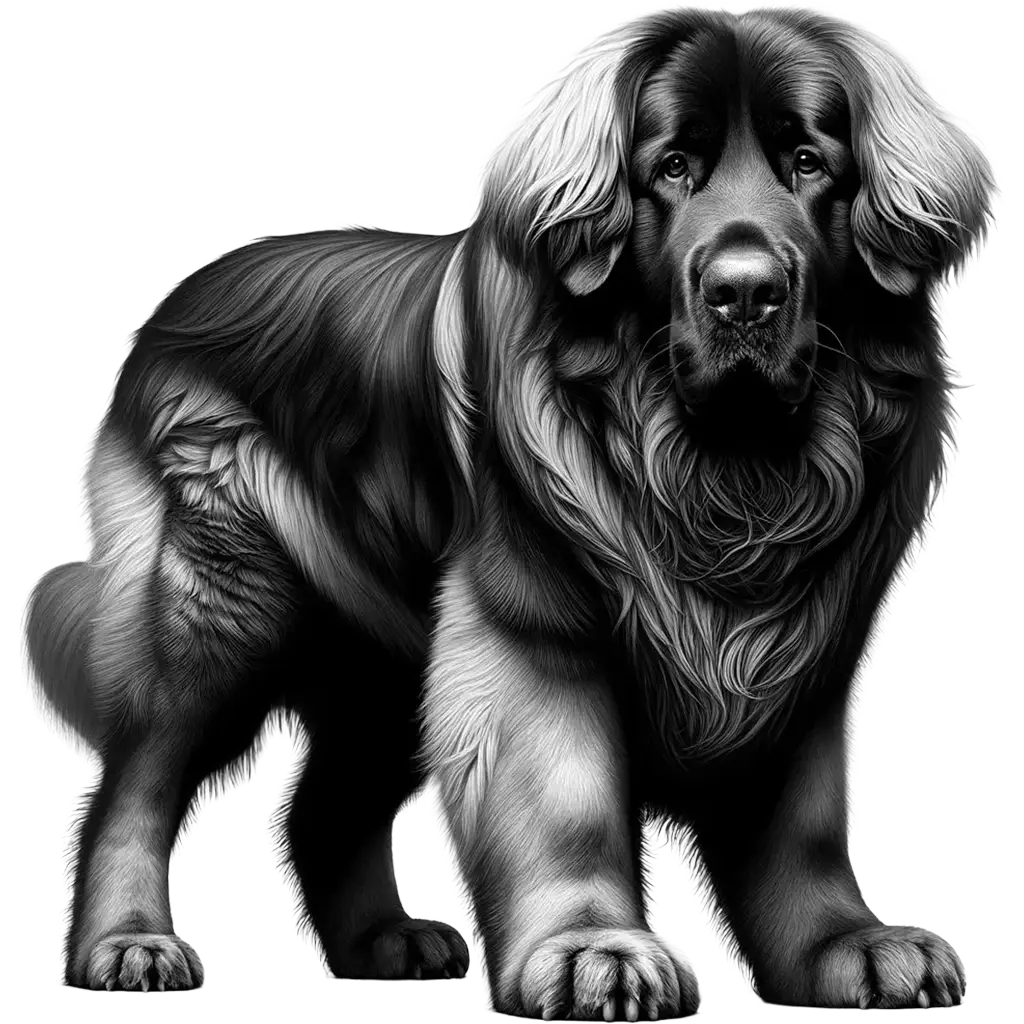
The Leonberger, a giant breed of dog, combines the muscular build of a mountain dog with the elegance of a lion, to which its name alludes. Originating from Leonberg, Germany, in the 19th century, it was bred to resemble the lion on the town's crest. Adult Leonbergers can stand 65