
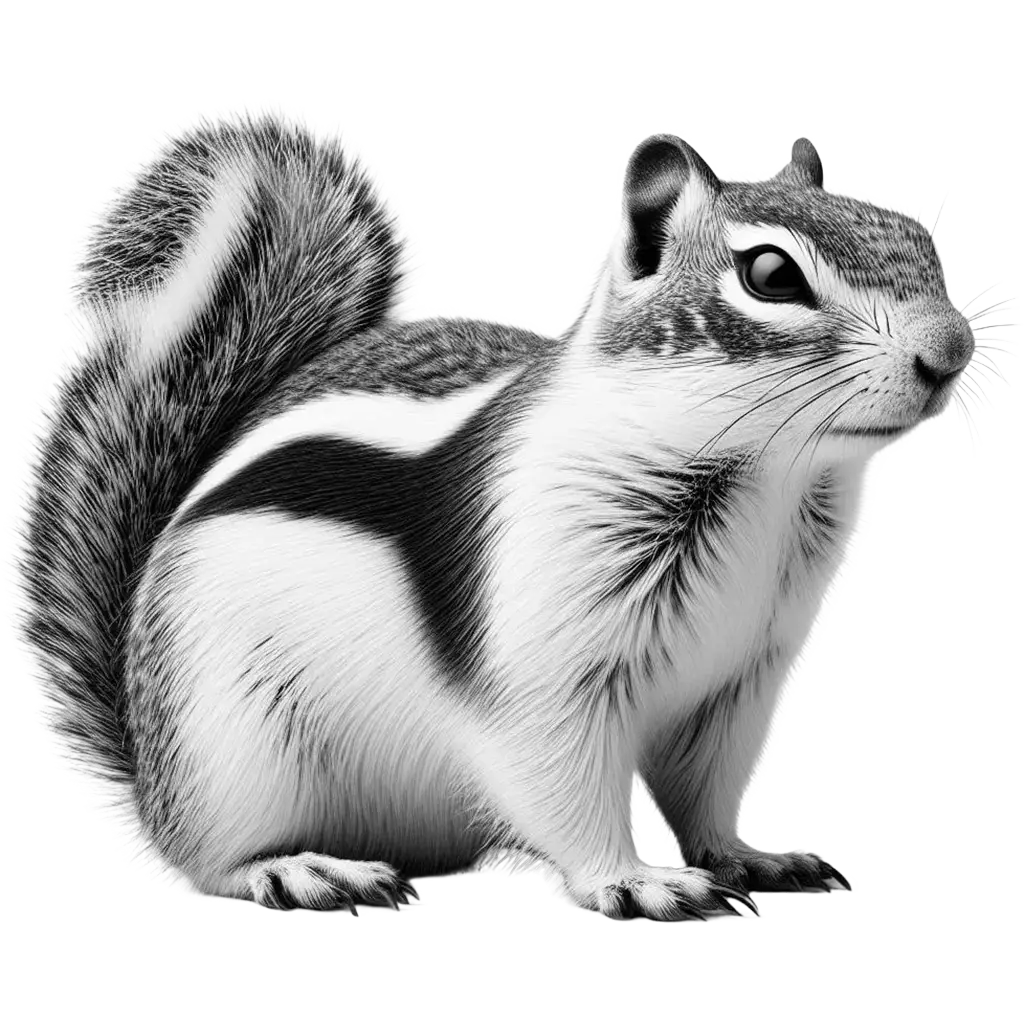
Callospermophilus Lateralis
Golden-Mantled Ground Squirrel
Coniferous forests, mixed woodlands, alpine meadows, and rocky areas
The Golden-Mantled Ground Squirrel, Callospermophilus lateralis, is a small, robust rodent widely distributed across the forests and mountainous regions of western North America. This species is easily recognizable by its distinctive coloring: a rich brown or greyish body adorned with a bold white stripe bordered by black along each side, running from the head to the rump, and a golden-brown patch on its head and shoulders. Adults typically measure between 23 to 30 centimeters (9 to 12 inches) in length, including a small, bushy tail that adds an additional 5 to 10 centimeters (2 to 4 inches) to their overall length.
| Population: | Widespread and abundant, not currently considered threatened |
| Generation Length: | 3-4 years |
| Average Weight: | 150-250 grams |
| Average Length: | 23-30 cm, including tail |
| Lifespan: | 5-7 years in the wild, potentially longer in captivity |
| Diet: | Varied diet including both plant material and animal protein |
| Conservation Status: | Least Concern (LC) |
Golden-Mantled Ground Squirrels inhabit a variety of environments, including coniferous forests, mixed woodlands, and rocky areas up to the alpine tundra. They are ground-dwelling creatures that prefer open areas within these habitats, where they can forage for food, although they are capable climbers when searching for seeds or evading predators. These squirrels are known for their burrowing habits, creating extensive underground systems for shelter, storage, and nesting.
The diet of the Golden-Mantled Ground Squirrel is omnivorous, consisting of seeds, nuts, fruits, greens, fungi, and occasionally insects. They are particularly adept at food caching, storing vast amounts of food in their burrows for consumption during the winter months, although they do not truly hibernate but enter periods of torpor from which they periodically awaken to feed.
Reproduction occurs once yearly, with mating taking place in early spring shortly after emergence from torpor. Females give birth to a single litter of 4 to 6 young after a gestation period of approximately one month. The young are born blind and hairless but develop rapidly, emerging from the burrow to explore and forage within a few weeks.
The Golden-Mantled Ground Squirrel is currently not considered endangered, thanks to its wide range and relatively stable population sizes. However, they can be susceptible to habitat loss and fragmentation, predation, and competition for food resources. Conservation efforts focus on preserving their natural habitats and maintaining the ecological balance within their environments. Their presence is often indicative of a healthy, diverse ecosystem, and they play a significant role in seed dispersal and as a food source for predators.
Classifications
The Key Attributes
Features
- Movement:
Quadrupedal, burrowing
- Territorial Behavior:
Solitary or loosely social, with territories overlapping
- Speed:
Quick and agile, capable of rapid movements to escape predators
- Diet:
Omnivore
- Physical Features:
- Bright gold and white mantle over a darker back
- White stripe bordered by black along its sides
- Furry tail
- Cheek pouches for carrying food
- Primary Senses:
- Sight
- Hearing
- Smell
Understanding Habitat and Range
Geography
- Habitat:
Coniferous forests, mixed woodlands, alpine meadows, and rocky areas
- Migration Patterns:
Non-migratory, but may move within its range to find food
- Geographical Range:
Western North America, from central Canada to the southwestern United States
- Climate Preferences:
Prefers temperate climates, with seasonal changes prompting hibernation
Navigating the Wilderness
In the wild
- Predators:
Hawks, eagles, weasels, and snakes
- Prey:
Seeds, nuts, fruits, insects
- Feeding Behavior:
Diurnal, forages on the ground for seeds, nuts, fruits, insects, and occasionally small vertebrates
- Diet:
Varied diet including both plant material and animal protein
- Defensive Mechanisms:
- Burrowing to escape predators
- Freezing and relying on camouflage
- Alert calls to warn others
- Preferred Food Sources:
- Conifer seeds
- Berries
- Fungi
- Insects
Insights Into Reproduction
Mating
- Mating System:
Polygynous
- Number of Offspring:
4-6 pups
- Gestation Period:
About 30 days
- Parental Involvement:
- Female cares for the pups in a burrow; males do not participate in rearing
Youngsters Section
Golden-Mantled Ground Squirrel
Fun Fact
The golden-mantled ground squirrel is often mistaken for a chipmunk due to its striped back.
Unlike chipmunks, it lacks face stripes. It's found in western North America, thriving in mountainous areas. It hibernates in burrows during winter, storing food. Adapted for alpine environments, it helps disperse seeds, contributing to ecosystem diversity.

Download word search puzzles
Word Search Puzzles


Check Out Other Mammals
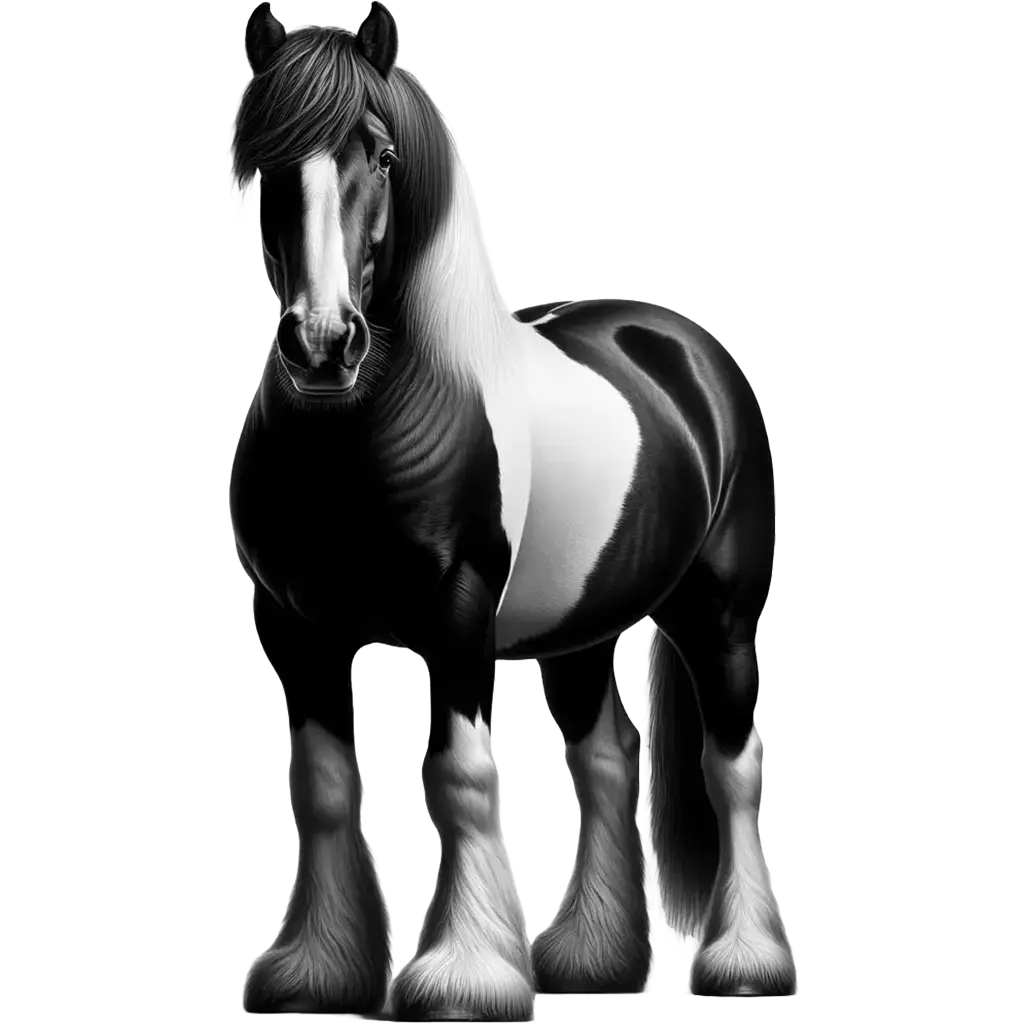
The Noriker, norico-pinzgauer, is a breed of draft horse that originated in the mountainous regions of Austria and northern Italy. Known for their large, muscular build and calm, cooperative temperament, Norikers are typically 15 to 16 hands high (60 to 64 inches at the shoulder) and weigh between 500 to
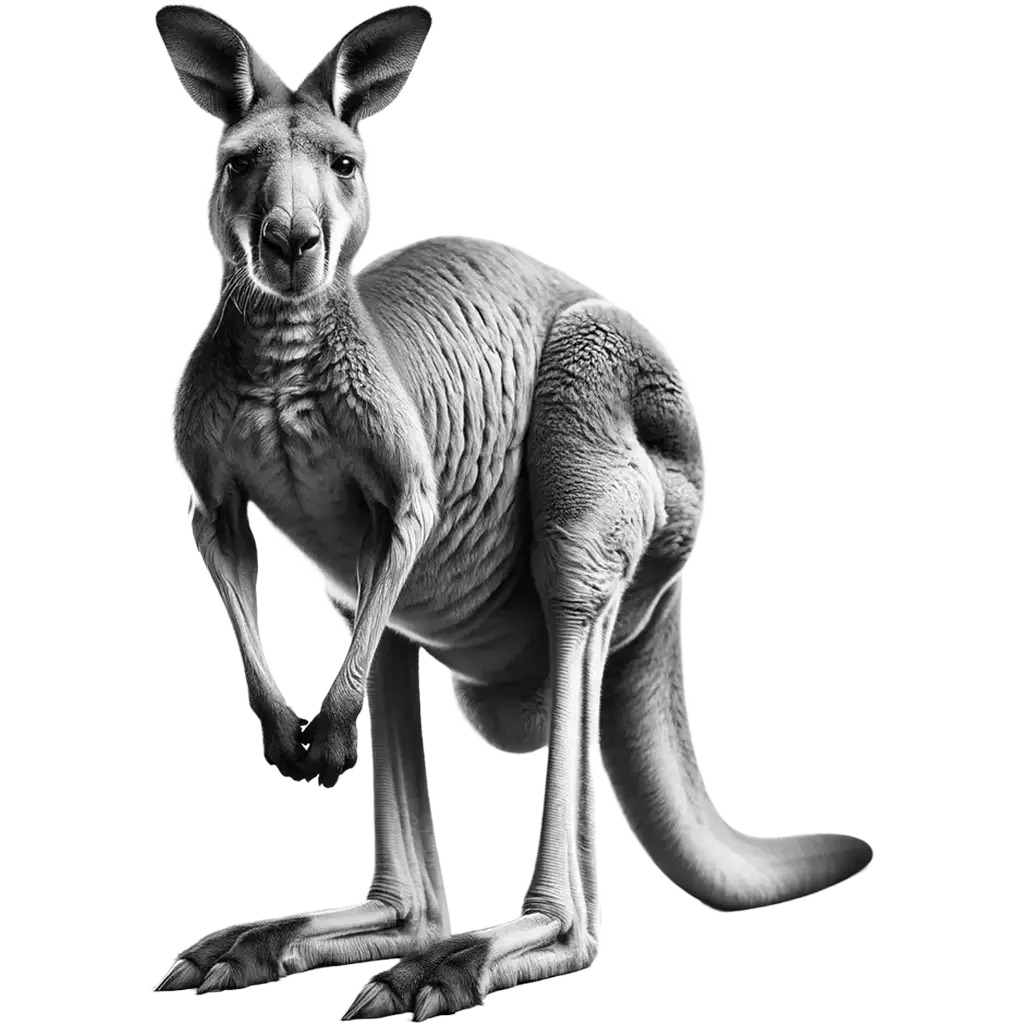
The Red Kangaroo, osphranter rufus, stands as the largest and most iconic marsupial, native to the arid and semi-arid regions of Australia. This majestic animal is distinguished by its powerful hind legs, long feet, and a large, muscular tail used for balance while moving. Adult males, known as boomers, can
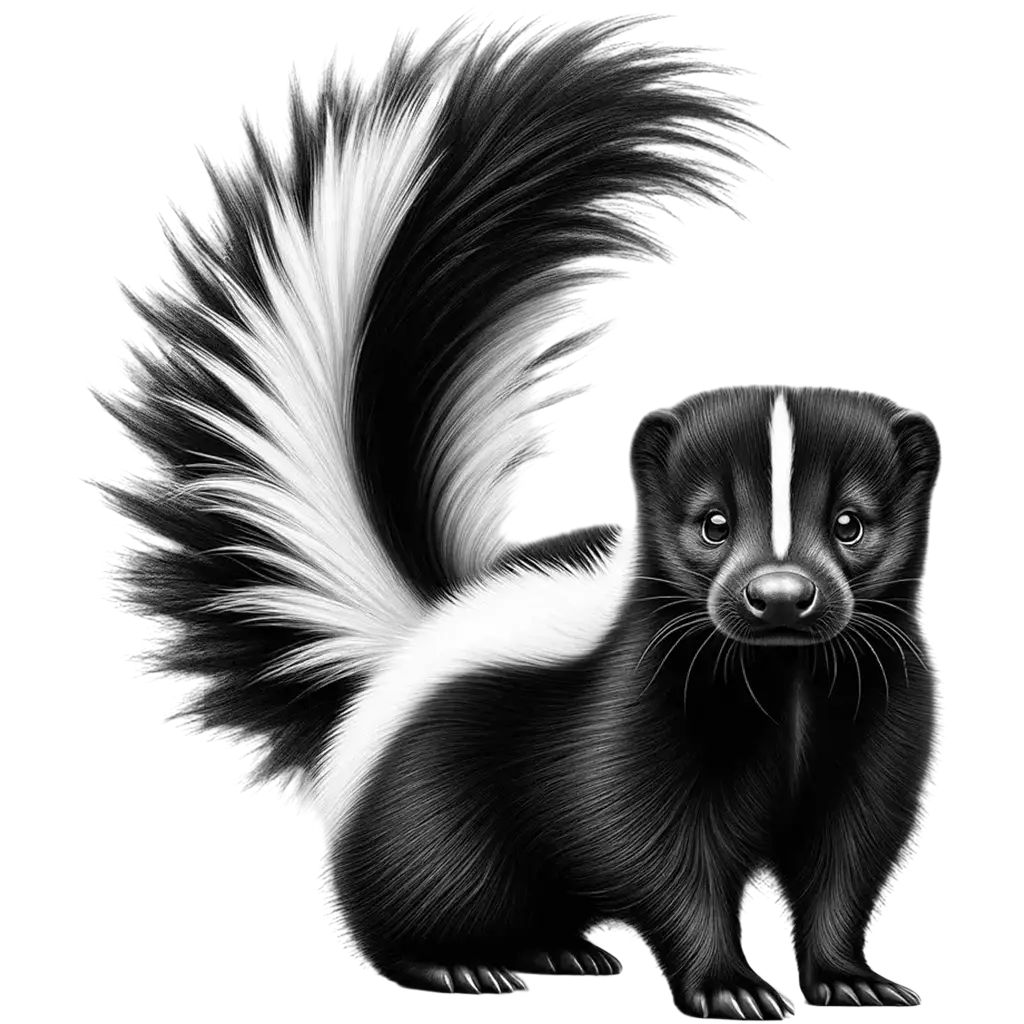
The Striped Skunk, mephitis mephitis, is a small to medium-sized mammal known for its distinctive black and white coloring and its ability to spray a foul-smelling liquid as a defense mechanism. Typically measuring 52 to 77 cm in length, including the tail, and weighing between 1.1 to 6.3 kg, the
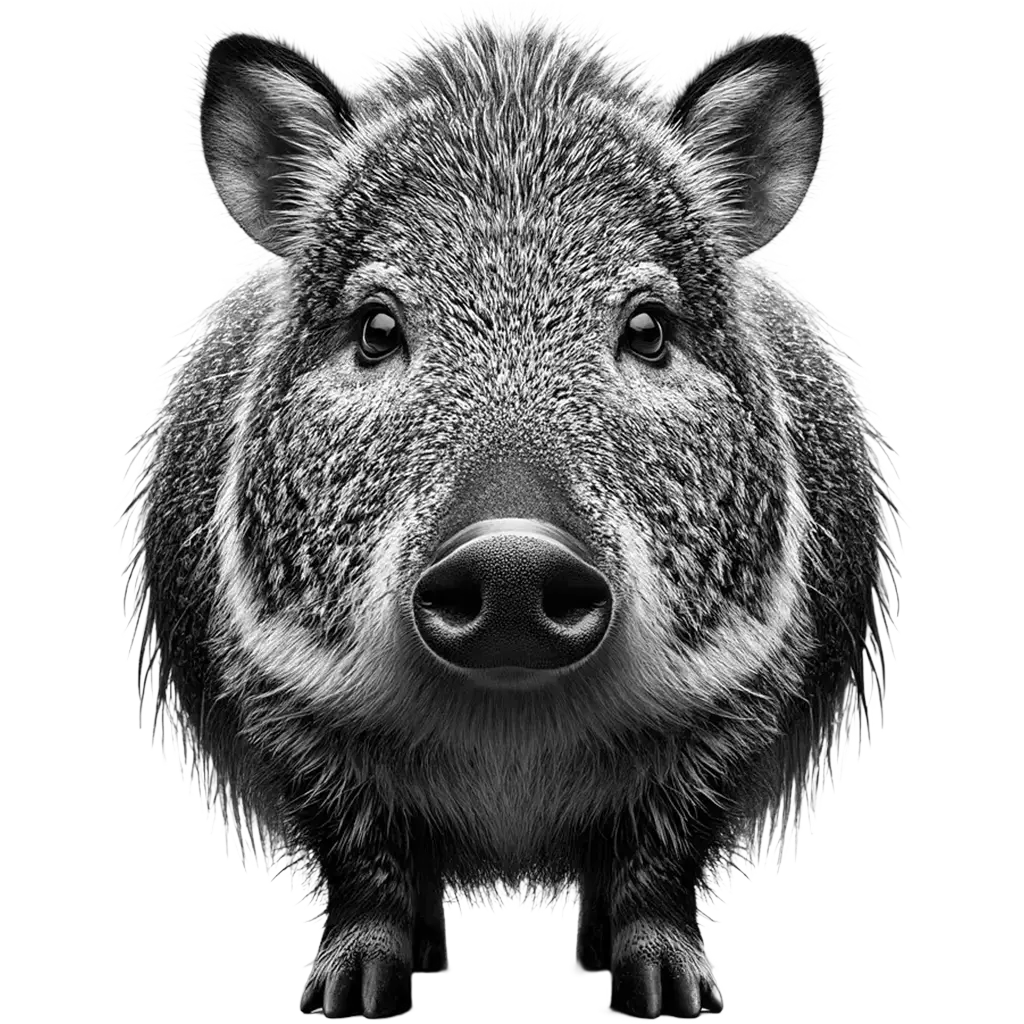
The Collared Peccary, dicotyles tajacu, commonly referred to as the javelina, is a medium-sized, hoofed mammal of the New World pig family, found throughout Central and South America and the southwestern United States. Distinguished by its dark gray body, coarse hair, and a white to yellowish collar of fur around