

Canis Lupus
Pomeranian Dog
Adaptable to various living situations, including apartments and houses
The Pomeranian, known for its fluffy coat and lively personality, is a small breed of dog that belongs to the Spitz family. Adults typically weigh between 1.4 to 3.2 kg (3 to 7 pounds) and stand about 20 cm (7.9 inches) tall at the shoulder, making them one of the smallest breeds. They possess a distinctive double coat, with a short, dense undercoat and a long, straight outer coat that comes in a variety of colors, including orange, black, white, blue, and cream. Their foxy face, with bright, almond-shaped eyes and a small, erect nose, is framed by a ruff of fur, adding to their expressive appearance.
| Population: | Popular and widely bred worldwide |
| Generation Length: | 3-4 years |
| Average Weight: | 1.4-3.2 kg |
| Average Length: | 20-28 cm at the shoulder |
| Lifespan: | 12-16 years |
| Diet: | Commercial dog foods and treats, with needs varying by age, activity, and health |
| Conservation Status: | Not Evaluated (NE) |
Originally bred in the Pomerania region of Central Europe, Pomeranians have adapted well to various living situations, thriving in both rural and urban environments. They are known for their bold and curious nature, often displaying a confidence that belies their small size. Pomeranians are highly social and form strong bonds with their owners, making them excellent companions. However, their alertness and tendency to bark at unfamiliar sounds also make them good watchdogs.
The diet of a Pomeranian should be carefully considered to maintain their health and energy levels. High-quality, nutrient-rich dog food appropriate for their age, size, and activity level is recommended. Due to their small size, they are prone to obesity, so portion control and regular exercise are important.
Pomeranians are relatively active for their size and enjoy regular play sessions and walks. Despite their small stature, they have a moderate energy level and benefit from both physical and mental stimulation to stay happy and healthy.
The population of Pomeranians is stable, with the breed enjoying popularity worldwide. They are featured prominently in dog shows and competitions, as well as in the media, contributing to their status as a favored breed among dog enthusiasts. While generally healthy, they are predisposed to certain genetic conditions, so responsible breeding practices are important for maintaining the breed's health and longevity.
Classifications
The Key Attributes
Features
- Movement:
Walking, running
- Territorial Behavior:
Can be territorial; often barks to alert to strangers
- Speed:
Quick and agile for its size
- Diet:
Omnivore
- Physical Features:
- Small size with a fluffy double coat
- Fox-like face with alert, upright ears
- Plumed tail that curls over the back
- Compact, sturdy body structure
- Primary Senses:
- Sight
- Hearing
- Smell
Understanding Habitat and Range
Geography
- Habitat:
Adaptable to various living situations, including apartments and houses
- Migration Patterns:
Non-applicable
- Geographical Range:
Originally from Pomerania (now parts of Poland and Germany), now globally kept as pets
- Climate Preferences:
Can live in a variety of climates but prefers moderate temperatures
Navigating the Wilderness
In the wild
- Predators:
Limited natural predators due to domestic status, but can be at risk from larger animals
- Prey:
Not applicable
- Feeding Behavior:
Fed by owners, typically on commercial or home-prepared diets
- Diet:
Commercial dog foods and treats, with needs varying by age, activity, and health
- Defensive Mechanisms:
- Barking to alert of danger
- Quick movements to evade larger animals
- Preferred Food Sources:
- Dependent on owner-provided food
Insights Into Reproduction
Mating
- Mating System:
Controlled breeding by humans
- Number of Offspring:
1-5 puppies
- Gestation Period:
About 58-63 days
- Parental Involvement:
- Human caretakers typically oversee breeding, birth, and initial care of puppies
Youngsters Section
Pomeranian Dog
Fun Fact
Pomeranian dogs are known for their fluffy coats and lively personalities. They're small but full of energy.
Despite their tiny size, Pomeranians are descendants of larger sled-pulling dogs from the Arctic regions. They were bred down in size during the 19th century in Europe. Queen Victoria played a significant role in their popularity. Today, they are beloved companion animals, known for their alertness and intelligence, making them excellent watchdogs despite their small stature.

Download word search puzzles
Word Search Puzzles


Check Out Other Mammals
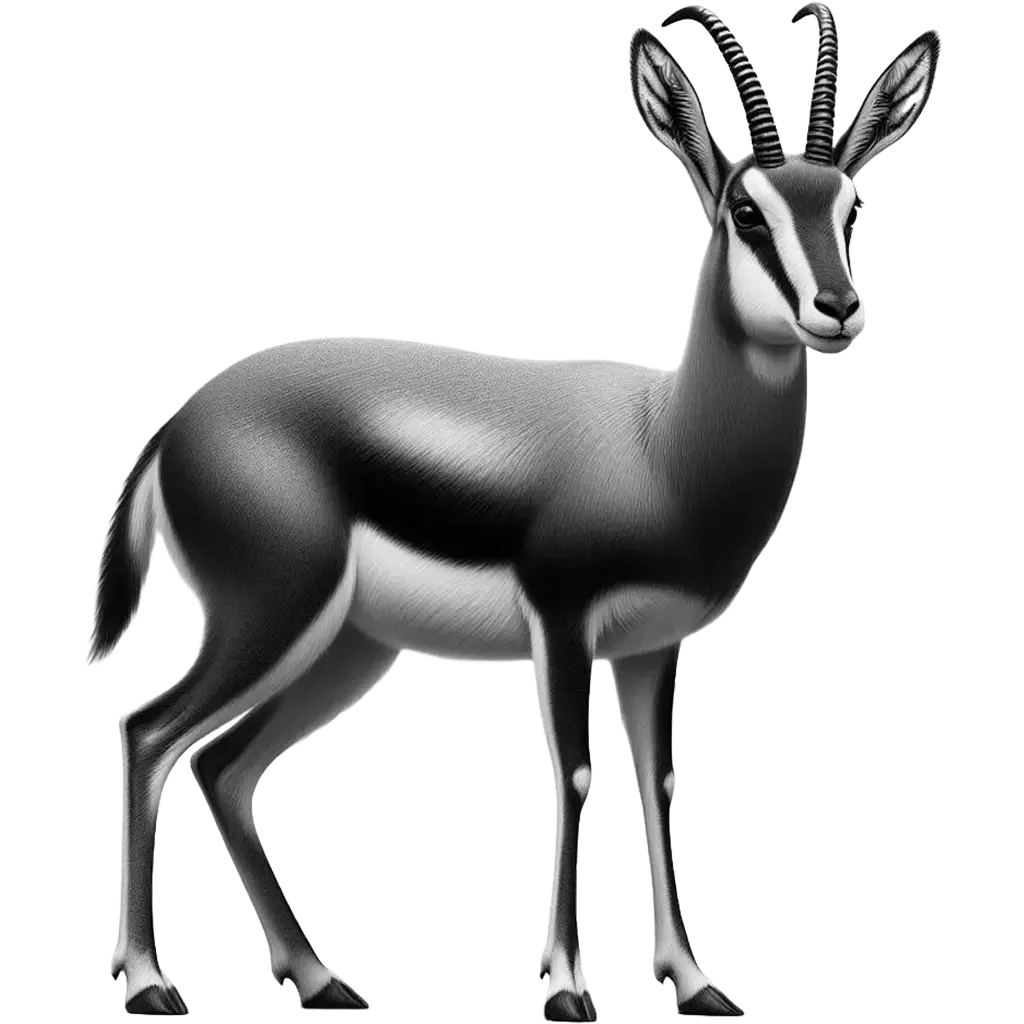
The Dorcas Gazelle, gazella dorcas, is a small and slender antelope that is well-adapted to arid environments, making its home in the deserts and savannahs of North Africa, the Middle East, and the Sahara. This species is notable for its beautiful and delicate appearance, with a light brown or sandy
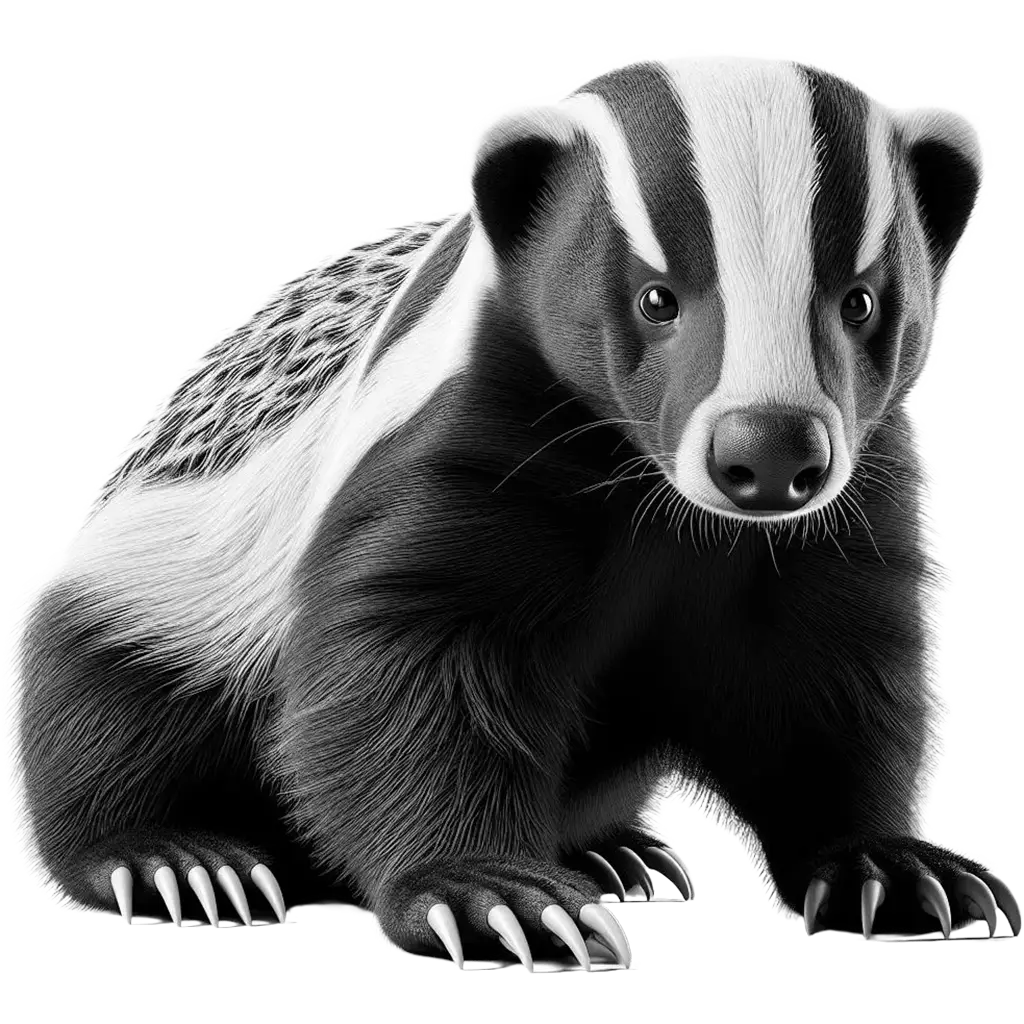
The Honey Badger, mellivora capensis, is renowned for its robust and fearless nature, often cited as one of the most formidable animals in its habitat. Its body is relatively small but powerfully built, ranging from 55 to 77 cm in length, with a distinctive broad and thick-set torso, short legs,

The Lion, panthera leo, stands as one of the most iconic species in the animal kingdom, symbolizing strength and majesty across various cultures. Recognized by their impressive mane, which is exclusive to males, Lions possess a muscular, deep-chested body, with a short, rounded head, round ears, and a hairy tuft
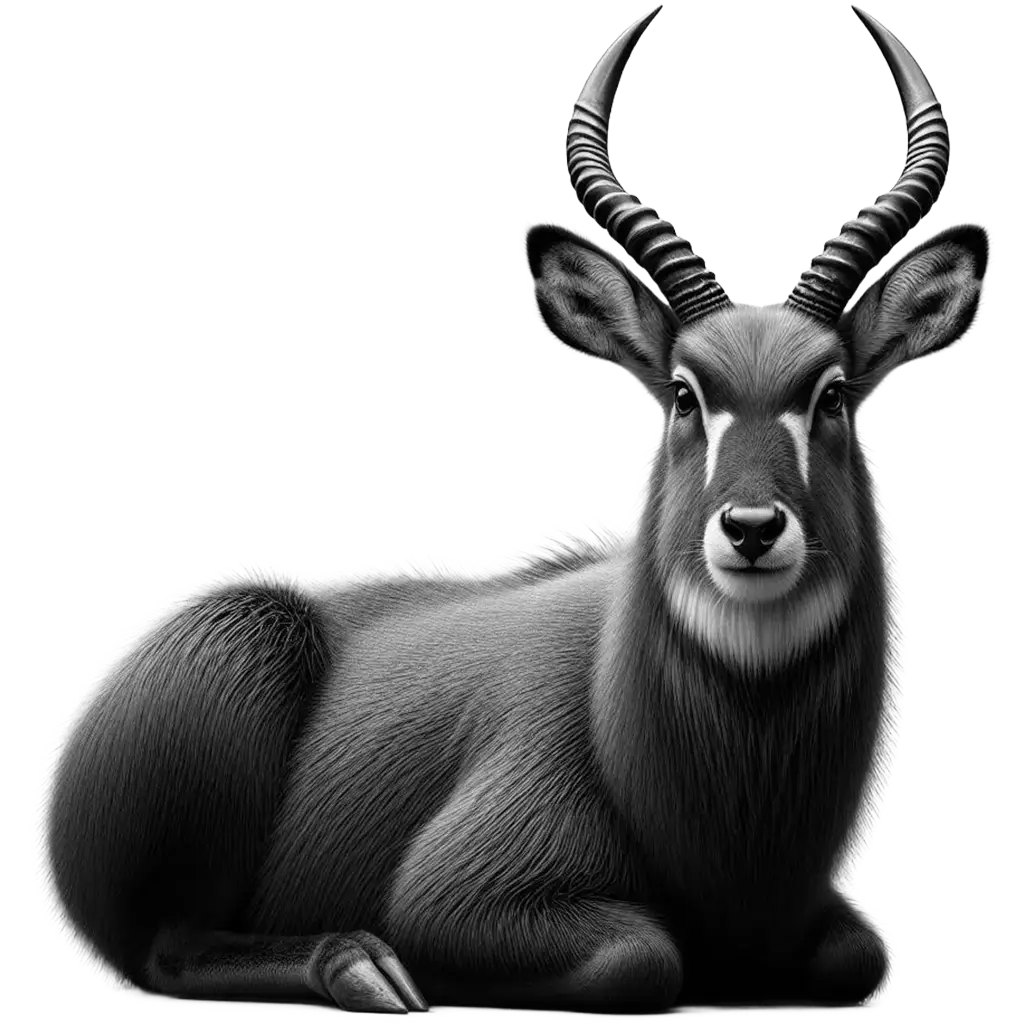
The Cape Bushbuck, tragelaphus sylvaticus, is a medium-sized, elusive antelope found in the forests and bushlands of Sub-Saharan Africa. Adult bushbucks stand about 70 to 90 centimeters (27 to 35 inches) at the shoulder and weigh between 40 to 80 kilograms (88 to 176 pounds), with males being significantly larger