
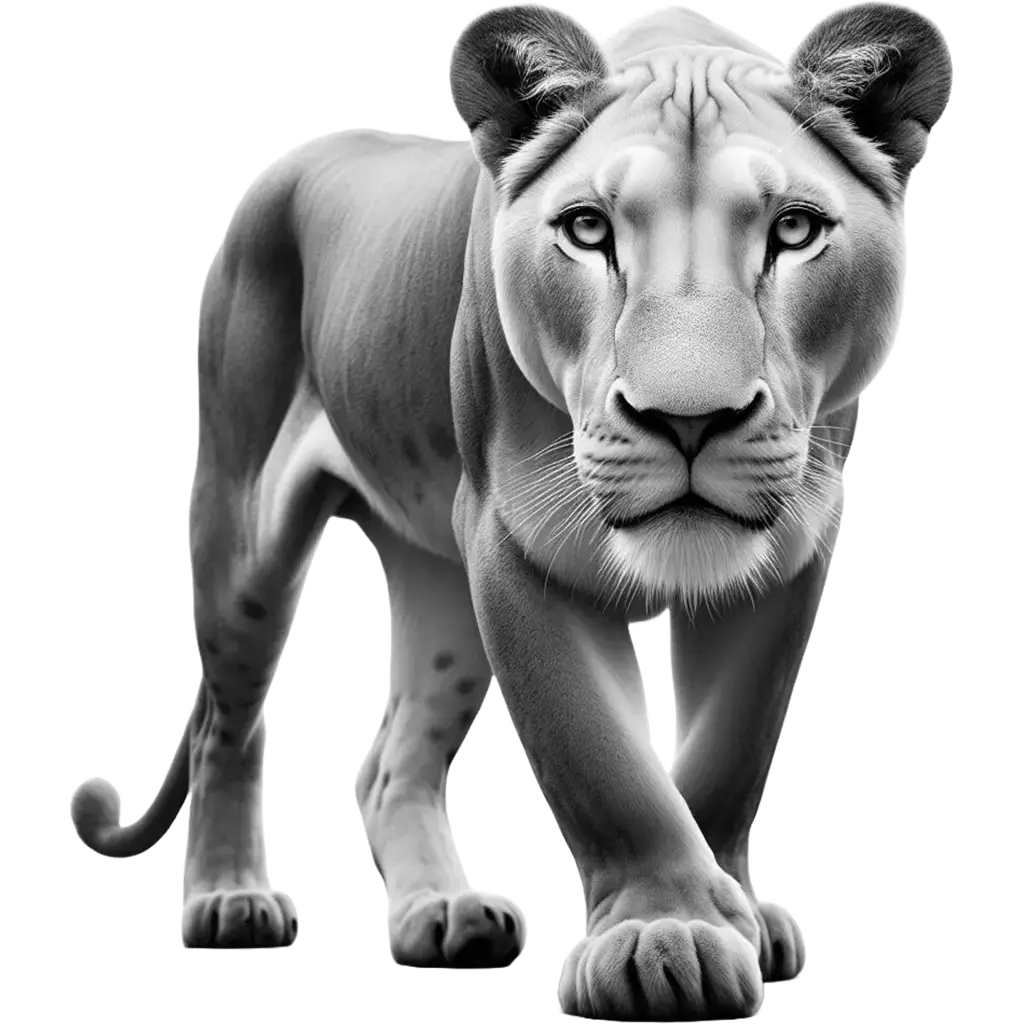
Panthera Leo
Lion
Savannahs, grasslands, dense bush, and woodlands
The Lion, panthera leo, stands as one of the most iconic species in the animal kingdom, symbolizing strength and majesty across various cultures. Recognized by their impressive mane, which is exclusive to males, Lions possess a muscular, deep-chested body, with a short, rounded head, round ears, and a hairy tuft at the end of their tail. Adult males can weigh between 150 to 250 kg (330 to 550 lbs), while females are smaller, weighing 120 to 182 kg (265 to 400 lbs). Their coat is a tawny color, which provides camouflage in grasslands and savannas, their primary habitats.
| Population: | Listed as Vulnerable, with some populations critically endangered |
| Generation Length: | 8 years |
| Average Weight: | Males: 150-250 kg, Females: 120-182 kg |
| Average Length: | Males: total length 170-250 cm, Females: total length 140-175 cm |
| Lifespan: | 10-14 years in the wild, up to 20 years in captivity |
| Diet: | Primarily large ungulates |
| Conservation Status: | Vulnerable (VU) |
Lions are the only cats that live in groups, known as prides, which are typically composed of related females, their offspring, and a small number of adult males. This social structure allows them to dominate large territories, which they defend fiercely from other Lions and predators. They are found in sub-Saharan Africa and a small population in India, inhabiting grasslands, savannas, and woodlands where they can hunt and take cover.
The diet of the Lion is carnivorous, with these apex predators preying on a variety of animals, including wildebeest, zebras, buffaloes, and other large ungulates. Lions can consume up to 40 kg (88 lbs) of meat in a single meal, but they also go for days without eating. Hunting is generally done by the females of the pride, who work together to stalk and overpower their prey, demonstrating remarkable cooperation and strategic thinking.
Reproduction in Lions does not have a specific season, with females capable of giving birth every two years, though it can be more frequent if cubs do not survive. After a gestation period of around 110 days, females give birth to a litter of one to four cubs, which are hidden away for the first few weeks of life to protect them from predators and male Lions outside the pride. Cubs are introduced to the pride at about six to eight weeks old and are weaned by six months, though they remain dependent on their mothers for food and protection for up to two years.
The population of Lions has declined significantly over the past century due to habitat loss, human-wildlife conflict, poaching, and prey depletion, leading to their current status as Vulnerable on the IUCN Red List. Conservation efforts are focused on protecting their habitats, establishing wildlife corridors, and reducing conflicts with humans to ensure the survival of this majestic species for future generations.
Classifications
The Key Attributes
Features
- Movement:
Walking, running
- Territorial Behavior:
Highly territorial
- Speed:
Can reach speeds up to 50-60 km/h in short bursts
- Diet:
Carnivore
- Physical Features:
- Strong muscular body with a broad head
- Males have a distinctive mane
- Short, rounded ears and a tufted tail
- Powerful jaws and sharp teeth for bringing down prey
- Primary Senses:
- Sight
- Hearing
- Smell
Understanding Habitat and Range
Geography
- Habitat:
Savannahs, grasslands, dense bush, and woodlands
- Migration Patterns:
Non-migratory, but will roam widely within their territory
- Geographical Range:
Sub-Saharan Africa and a small population in India (Gir Forest)
- Climate Preferences:
Prefers warm climates but adaptable to various habitats within their range
Navigating the Wilderness
In the wild
- Predators:
Adults have no natural predators; human activities pose the greatest threat
- Prey:
Large and medium-sized mammals
- Feeding Behavior:
Predatory, hunting in groups (prides) to take down large mammals such as zebras, wildebeests, and buffalo
- Diet:
Primarily large ungulates
- Defensive Mechanisms:
- Group defense against threats
- Camouflage in their environment
- Intimidation displays and vocalizations to deter rivals and threats
- Preferred Food Sources:
- Areas with abundant prey populations
Insights Into Reproduction
Mating
- Mating System:
Polygynous
- Number of Offspring:
1-4 cubs
- Gestation Period:
About 110 days
- Parental Involvement:
- Females care for the cubs, with all pride members potentially involved in their protection
Youngsters Section
Lion
Fun Fact
Lions are the only big cats that live in social groups called prides, consisting of related females and their offspring.
Male lions, with their impressive manes, protect the pride's territory. Female lions are the primary hunters and work cooperatively to bring down prey. Lions communicate through various vocalizations, including roars that can be heard up to five miles away. This helps maintain social bonds and defend their territory.

Download word search puzzles
Word Search Puzzles


Check Out Other Mammals
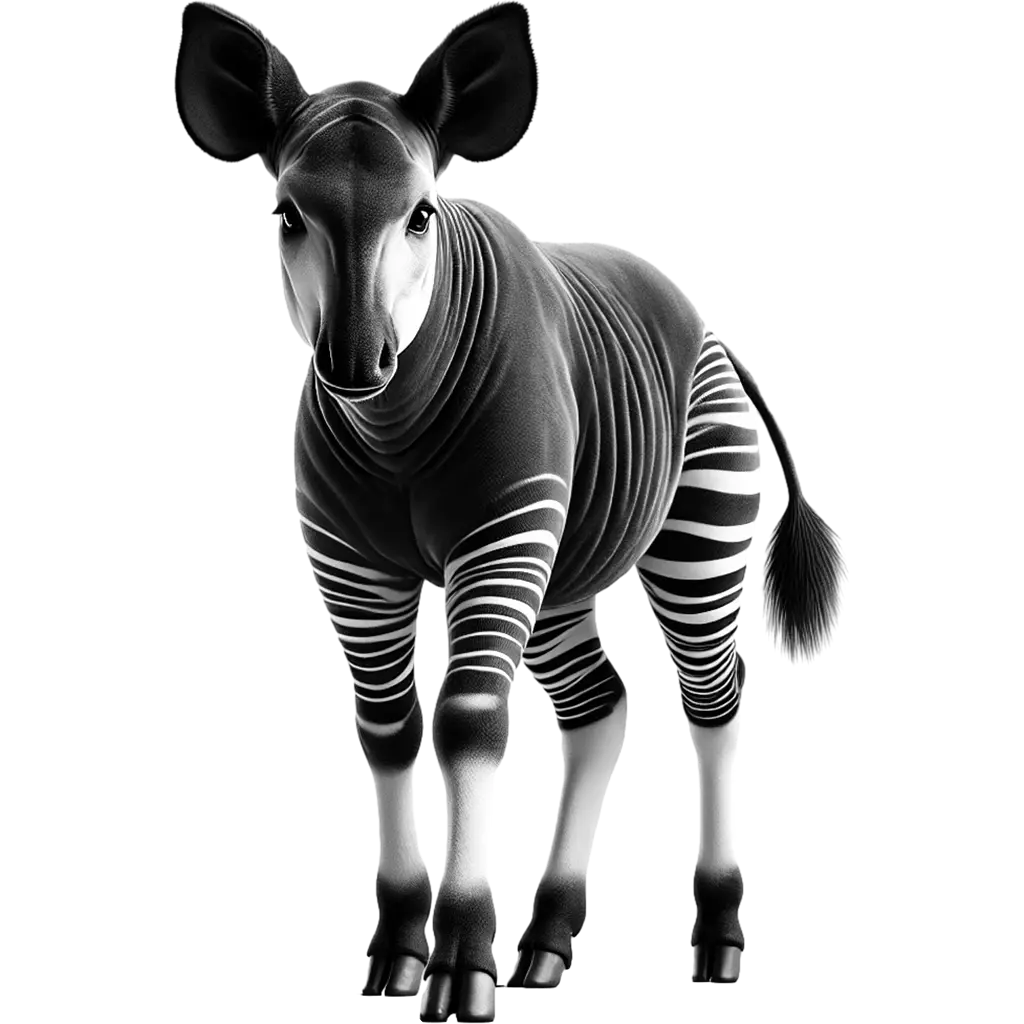
The Okapi, Okapia johnstoni, is a unique mammal endemic to the dense tropical rainforests of the northeastern Democratic Republic of the Congo. Resembling a cross between a giraffe and a zebra, the okapi stands about 1.5 meters tall at the shoulder and measures approximately 2.5 meters in body length. Weighing
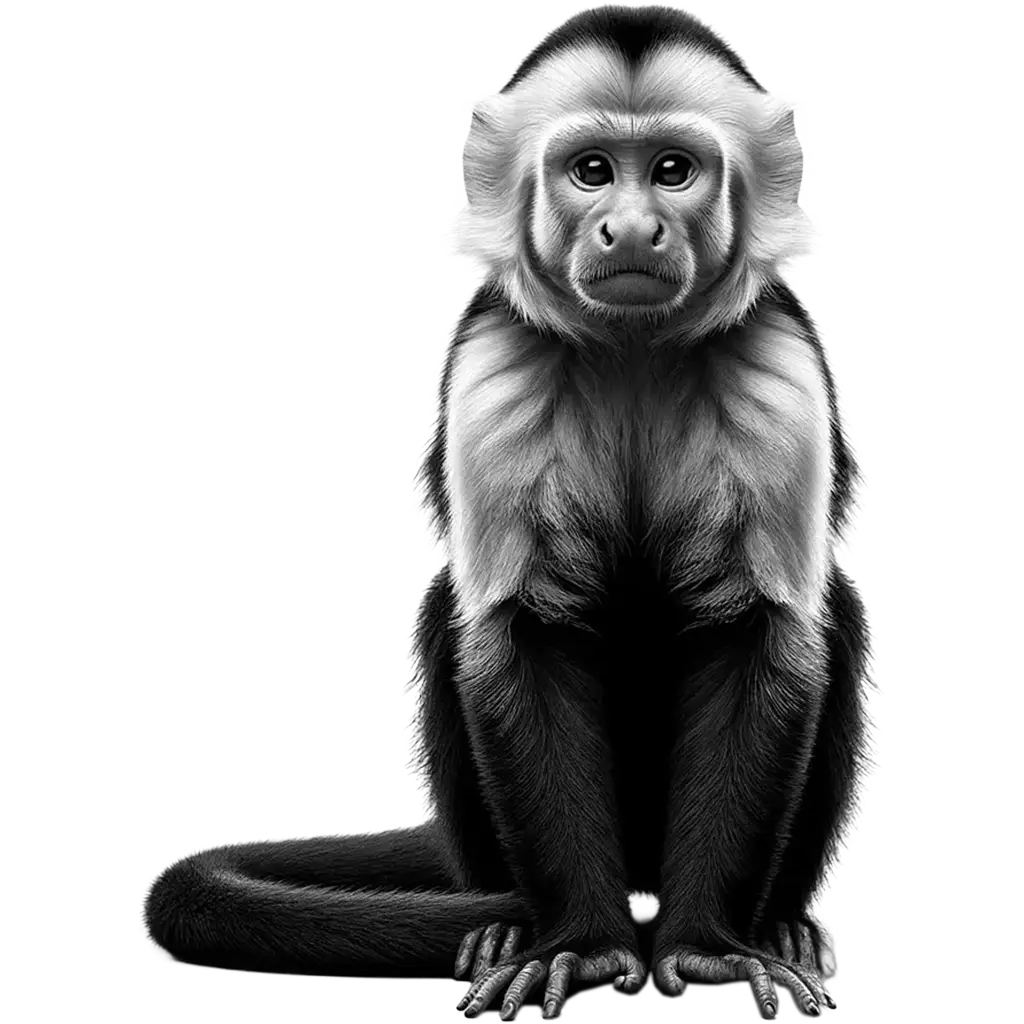
The Colombian White-Faced Capuchin, cebus capucinus, is a highly intelligent and adaptable New World monkey, recognized for its distinctive white face and dark body. Adults can weigh between 2.5 to 4 kilograms, with a body length ranging from 33 to 45 centimeters, not including their prehensile tail which is used
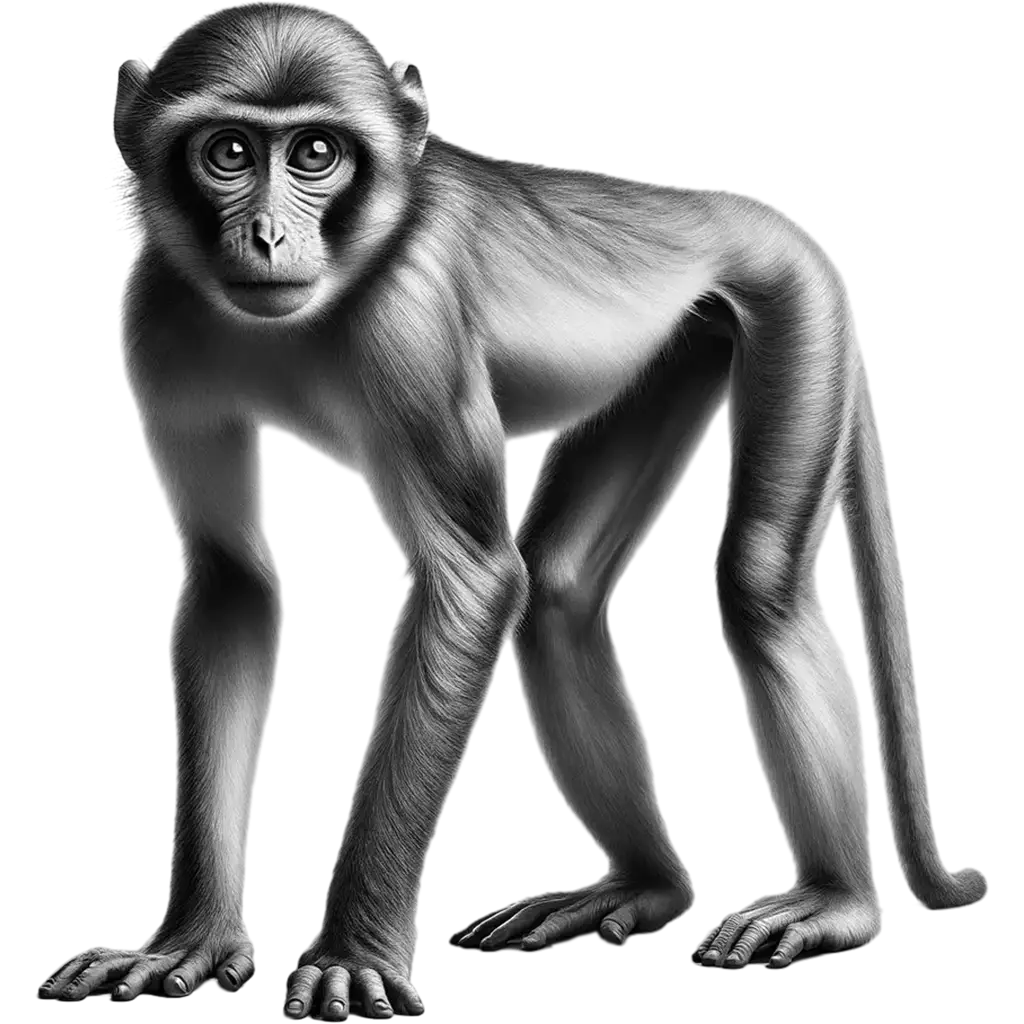
The Barbary Macaque, Macaca sylvanus, also known as the Barbary Ape despite being a true monkey, holds the distinction of being the only primate aside from humans to live freely in Europe, particularly in the British Overseas Territory of Gibraltar, as well as in fragmented forested areas in the Atlas
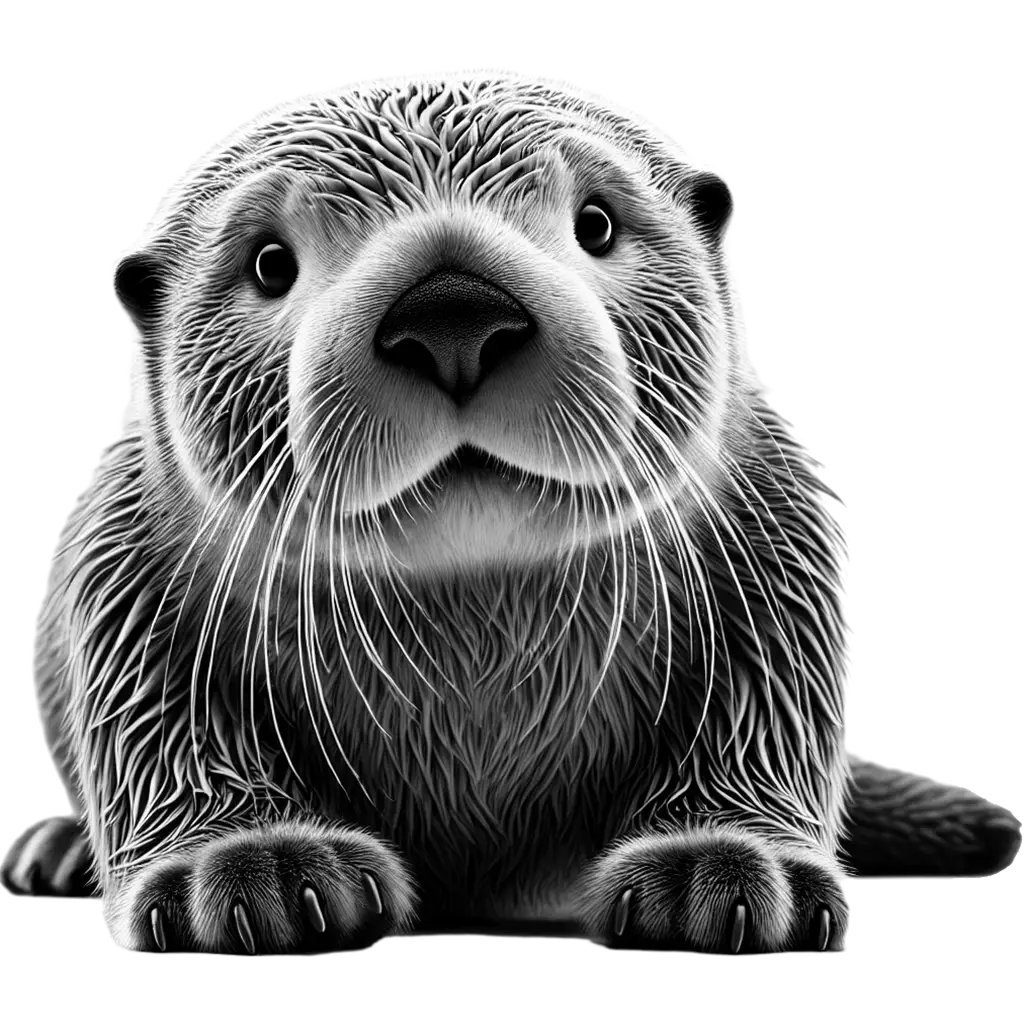
The Sea Otter is a marine mammal known for its dense fur, which is the thickest of any animal, with up to a million hairs per square inch. This fur provides essential insulation, as they lack blubber like other marine mammals. They are highly adapted to aquatic life, with webbed