
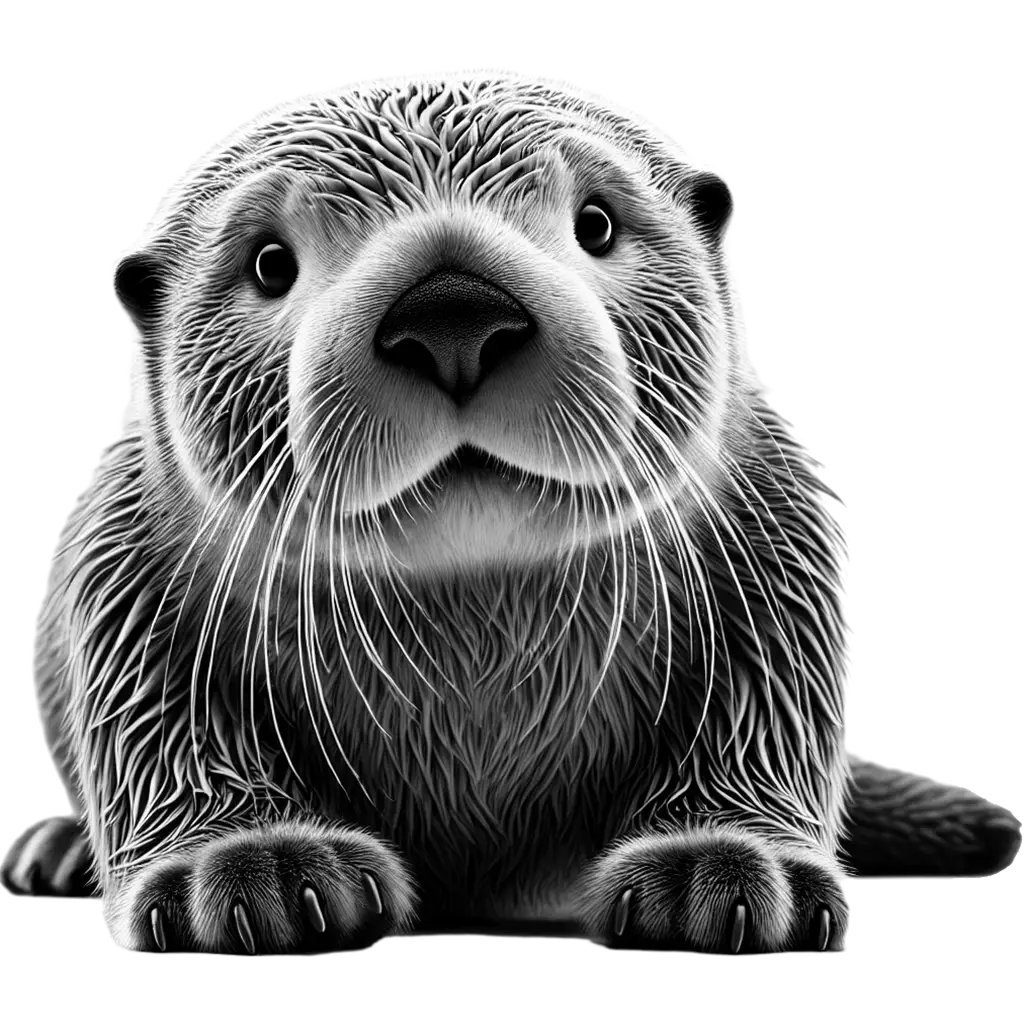
Enhydra Lutris
Sea Otter
Coastal waters, kelp forests, rocky shorelines
The Sea Otter is a marine mammal known for its dense fur, which is the thickest of any animal, with up to a million hairs per square inch. This fur provides essential insulation, as they lack blubber like other marine mammals. They are highly adapted to aquatic life, with webbed feet for swimming and strong forepaws used for foraging. Adult males can weigh up to 45 kg, making them the heaviest members of the weasel family.
| Population: | Estimated 100,000 - 150,000 individuals |
| Generation Length: | 10-12 years |
| Average Weight: | 22-45 kg (males), 14-33 kg (females) |
| Average Length: | 1.2-1.5 meters |
| Lifespan: | 10-20 years in the wild, up to 25 years in captivity |
| Diet: | Strictly carnivorous, eating mostly marine invertebrates |
| Conservation Status: | Endangered (EN) |
Sea Otters are social animals, often found floating in groups called rafts. These groups help them stay safe from predators and strong ocean currents. They spend most of their lives in the water, eating, grooming, and even sleeping while floating on their backs. They use their thick fur to trap air, keeping them buoyant and warm in cold waters. Unlike most marine mammals, they rely on grooming their fur to maintain warmth rather than storing fat.
As carnivorous predators, Sea Otters primarily feed on marine invertebrates such as sea urchins, mollusks, and crabs. They are one of the few animal species known to use tools, using rocks to crack open shellfish. Their diet plays a crucial role in maintaining the health of kelp forests by controlling sea urchin populations, which, if left unchecked, can devastate kelp ecosystems.
Mating occurs year-round, with males competing for females. After a gestation period of 4-6 months, mothers give birth to a single pup, which they nurture with great care. Pups are born with a thick coat of fur that keeps them buoyant, and mothers carry them on their chests while grooming and feeding them. The pup remains dependent on its mother for several months before learning to dive and hunt on its own.
Although Sea Otter populations are recovering in some areas, they remain endangered in others due to habitat destruction, oil spills, and climate change. Their fur was highly valued in the fur trade, which nearly drove them to extinction in the 19th century. Conservation efforts, including legal protections and habitat restoration, have helped stabilize some populations, but ongoing threats still pose challenges to their survival.
Classifications
The Key Attributes
Features
- Movement:
Aquatic and semi-terrestrial
- Territorial Behavior:
Social, forming loose groups called rafts
- Speed:
Up to 9 km/h in water
- Diet:
Carnivore
- Physical Features:
- Dense fur with up to a million hairs per square inch
- Webbed feet for swimming
- Strong front paws for cracking shells
- Buoyant body for floating on water
- Primary Senses:
- Sight
- Hearing
- Touch
Understanding Habitat and Range
Geography
- Habitat:
Coastal waters, kelp forests, rocky shorelines
- Migration Patterns:
Non-migratory, but may move locally for food
- Geographical Range:
North Pacific, from Russia to California
- Climate Preferences:
Cold, temperate marine environments
Navigating the Wilderness
In the wild
- Predators:
Orcas, sharks, bald eagles (pups)
- Prey:
Sea urchins, mollusks, crabs, fish
- Feeding Behavior:
Forages underwater, using tools like rocks to break shells
- Diet:
Strictly carnivorous, eating mostly marine invertebrates
- Defensive Mechanisms:
- Thick fur for insulation
- Floating on backs to keep warm
- Strong swimming ability to evade predators
- Preferred Food Sources:
- Sea urchins
- Crabs
- Clams
- Fish
Insights Into Reproduction
Mating
- Mating System:
Polygynous
- Number of Offspring:
Usually one pup per birth
- Gestation Period:
4-6 months (delayed implantation possible)
- Parental Involvement:
- Mothers raise pups alone
- Pups ride on their mother's chest for warmth and protection
Youngsters Section
Sea Otter
Fun Fact
Sea Otters use rocks as tools to break open shellfish, making them one of the few tool-using mammals.
They wrap themselves in kelp while sleeping to avoid drifting away in ocean currents, ensuring they stay in one place.

Download word search puzzles
Word Search Puzzles
Check Out Other Mammals
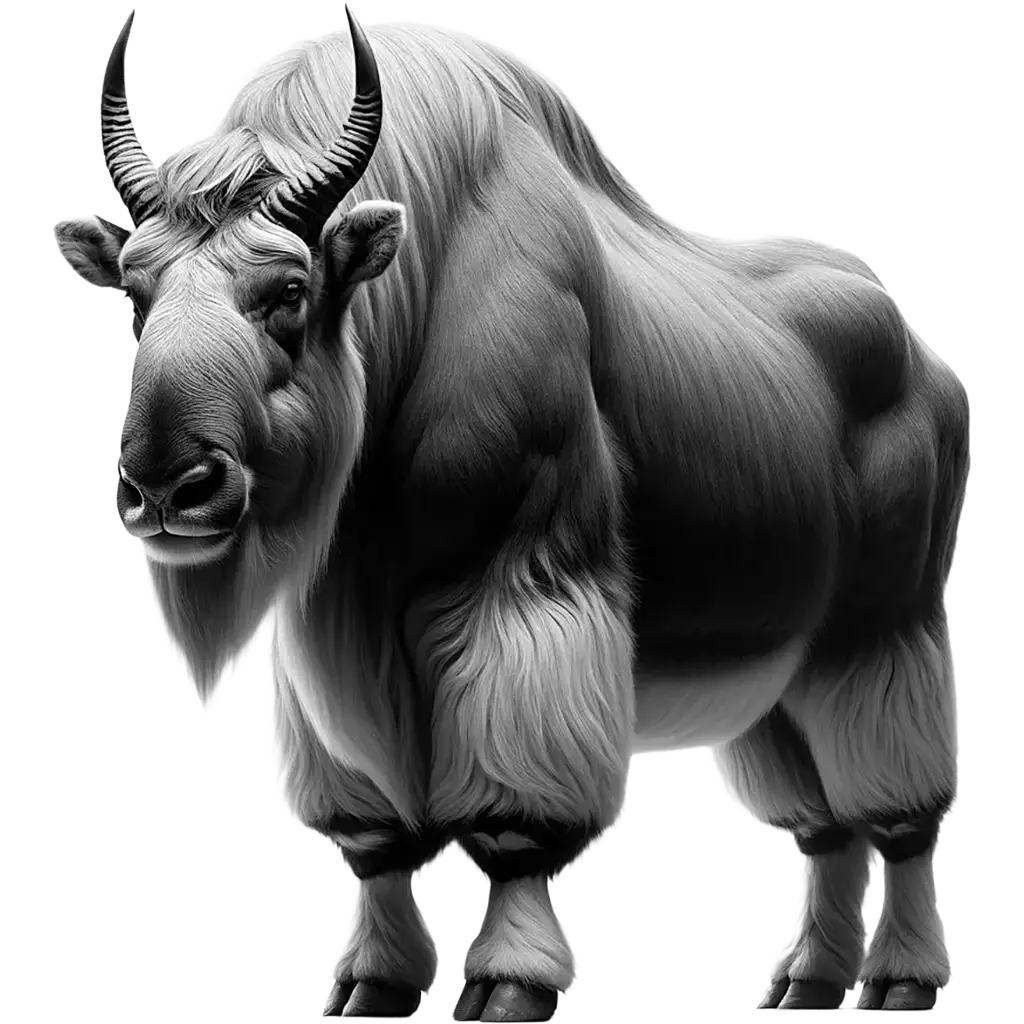
The Bhutan Takin, budorcas taxicolor whitei, is a subspecies of takin, a large, hoofed mammal native to the eastern Himalayas, particularly Bhutan. This unique animal is characterized by its bulky body, short, sturdy legs, and a large head with a pronounced Roman nose, making it appear somewhat like a cross
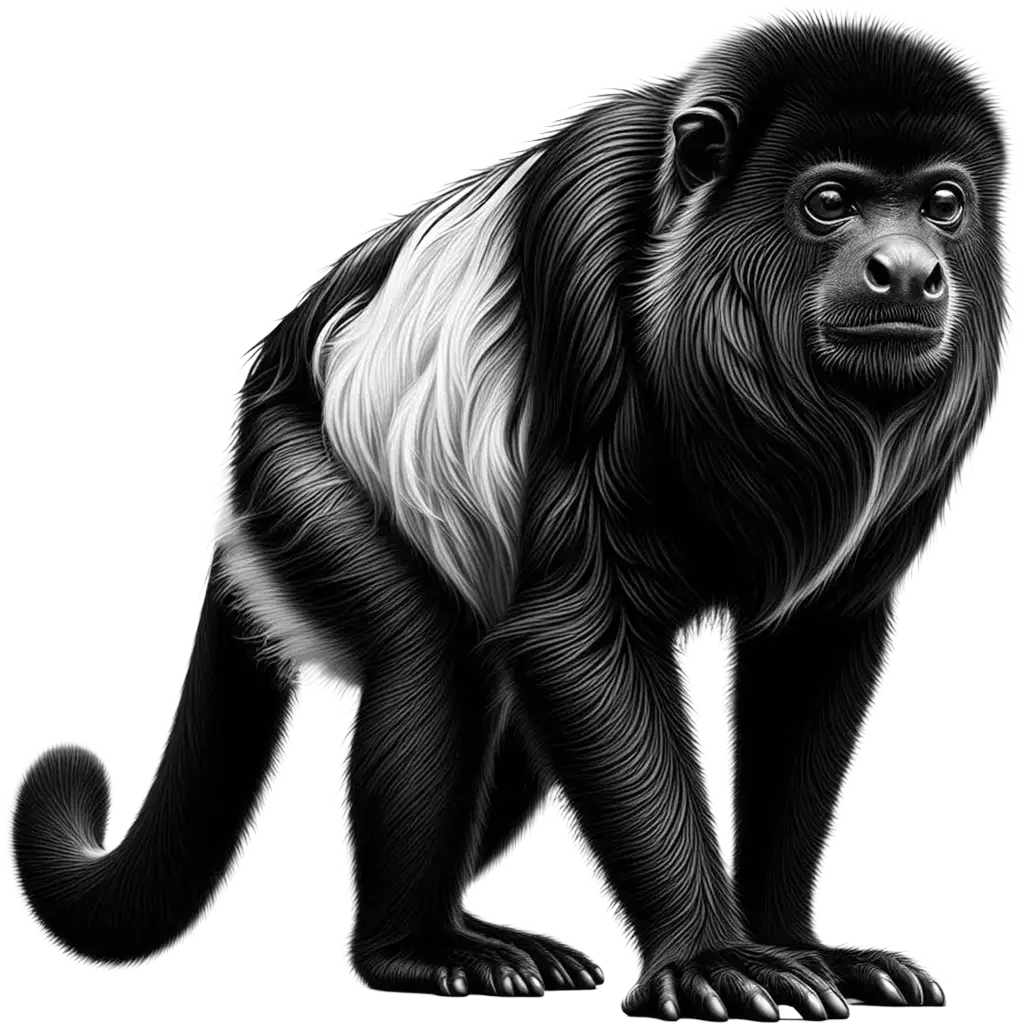
The Brown Howler, alouatta guariba, is a robust primate characterized by its thick brown fur, which can vary in shade from light brown to almost black. This species is notable for its large throat sac, used to amplify their distinctive howling calls, which can be heard up to several kilometers
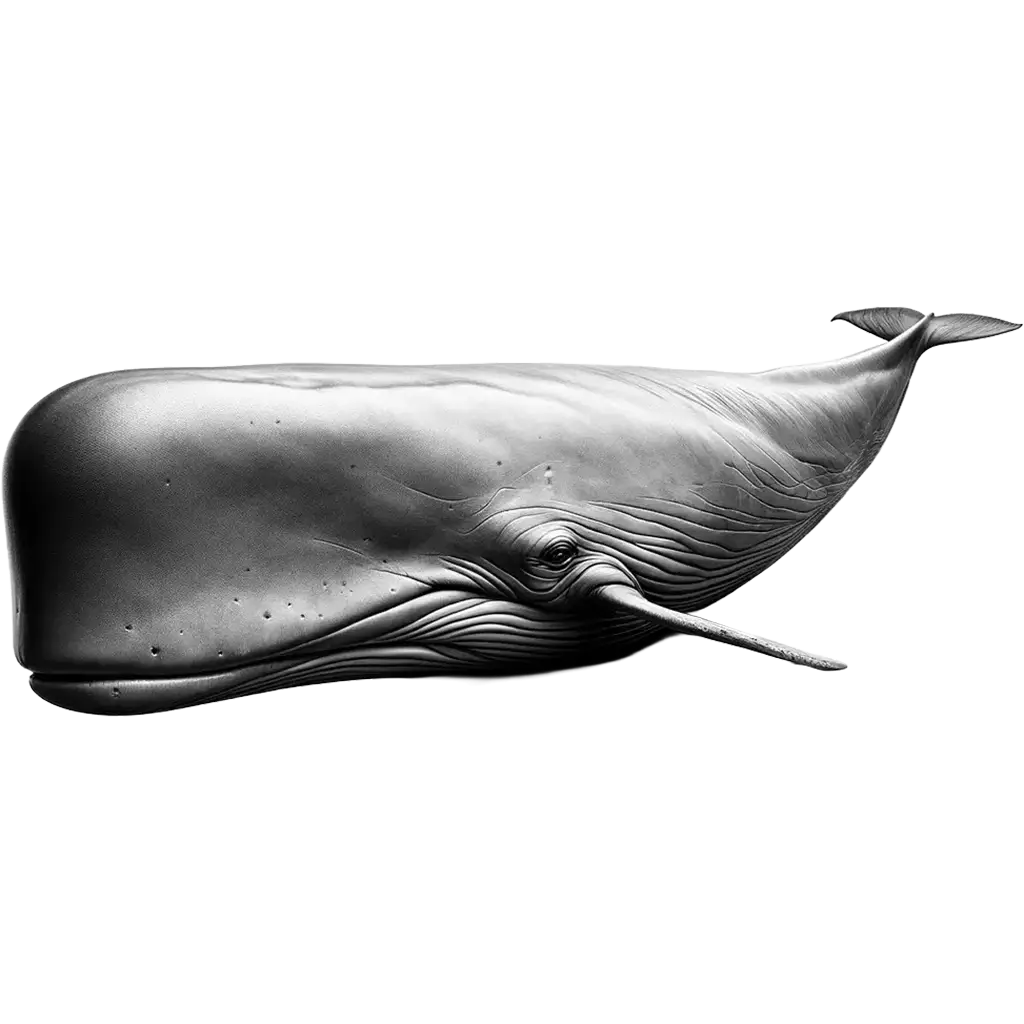
The Sperm Whale, physeter macrocephalus, holds the title of the largest toothed predator and the deepest diving mammal, renowned for its remarkable adaptations to life in the deep ocean. Adult males can reach lengths of up to 20 meters and weigh over 50 tons, making them significantly larger than females.
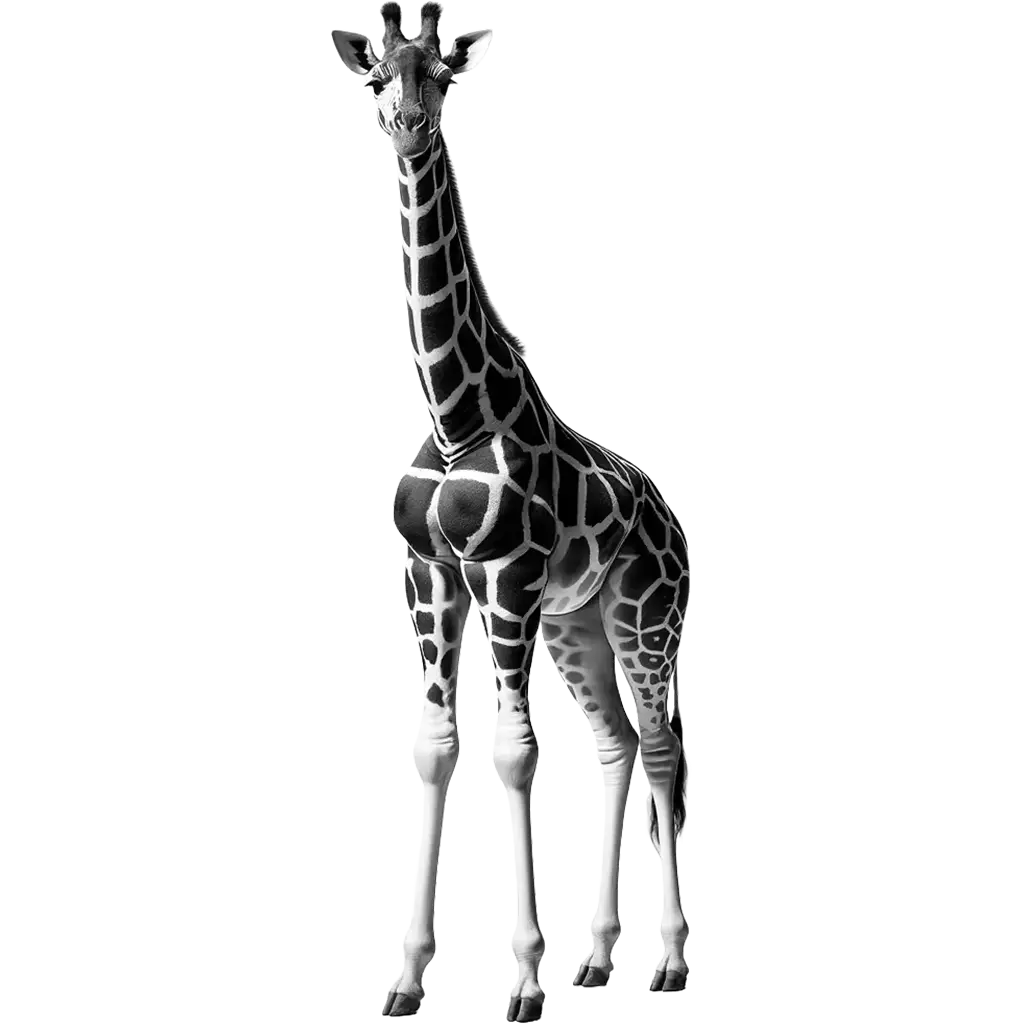
The Giraffe, giraffa camelopardalis, is the tallest land animal, with adult males capable of reaching heights up to 5.5 meters and females slightly shorter. Their most striking features include long necks, which comprise nearly half of their height, and distinctive coat patterns of brown patches separated by lighter lines, unique