
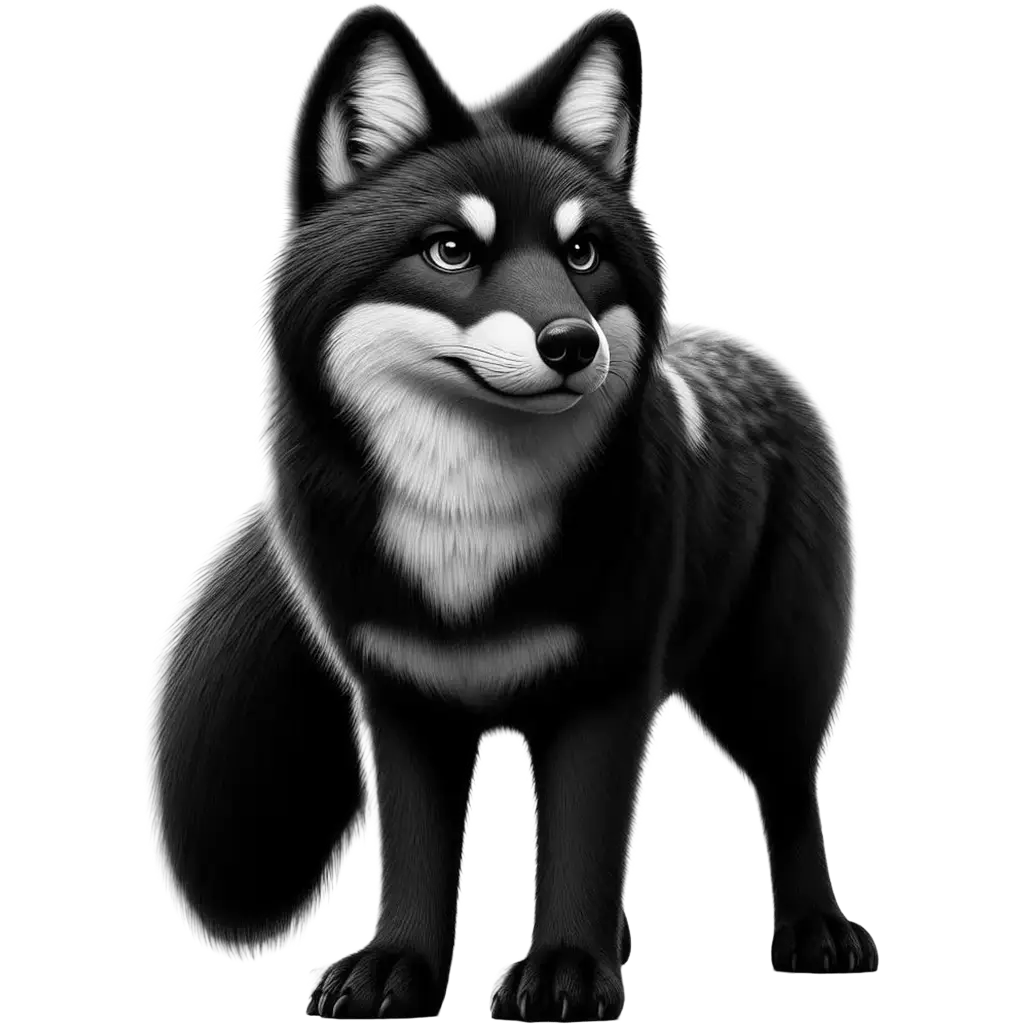
Canis Aureus
Golden Jackal
Open savannas, grasslands, arid regions, and forest edges
The Golden Jackal, canis aureus, is a highly adaptable and versatile canid species native to North and East Africa, Southeastern Europe, and South Asia, extending through the Middle East to Southeast Asia. Characterized by its golden, yellowish-brown fur, the Golden Jackal is of medium size, typically weighing between 7 to 15 kilograms (15 to 33 pounds) and measuring about 70 to 85 centimeters (27 to 33 inches) in body length, with a tail length of 25 centimeters (10 inches). They possess a slender build, pointed muzzle, and long legs, which facilitate their omnivorous lifestyle.
| Population: | Widespread and stable, not currently considered threatened |
| Generation Length: | 3-4 years |
| Average Weight: | 7-15 kg |
| Average Length: | 70-85 cm (body length), 25 cm (tail length) |
| Lifespan: | 8-10 years in the wild, up to 16 years in captivity |
| Diet: | Varied, depending on available food sources in their habitat |
| Conservation Status: | Least Concern (LC) |
Golden Jackals are known for their opportunistic feeding habits, consuming a wide range of foods from small mammals, birds, and reptiles to fruits, vegetables, and human refuse. This varied diet, along with their ability to adapt to different habitats, including arid deserts, grasslands, and areas in close proximity to human settlements, has enabled them to thrive across diverse environments.
These jackals are typically monogamous and maintain stable family units that work together to defend territories and raise offspring. Communication within family groups is complex, involving a variety of vocalizations, body postures, and scent markings. The social structure of Golden Jackals allows them to efficiently hunt and protect their young from predators.
Reproduction occurs once a year, with females giving birth to litters of 4 to 6 pups after a gestation period of about 63 days. The young are cared for by both parents, and in some cases, older siblings from previous litters also contribute to rearing the new pups, showcasing a high level of parental investment and cooperation within the family unit.
The Golden Jackal is classified as Least Concern by the IUCN, reflecting its wide distribution and large, stable populations. However, they occasionally face threats from habitat destruction, persecution due to their reputation as pests, and diseases such as rabies. Conservation efforts for the Golden Jackal include habitat preservation, studies on their ecology and interactions with human environments, and vaccination programs to control disease spread. The Golden Jackal's resilience and adaptability have made it a subject of increasing interest among ecologists and conservationists, serving as a model for successful coexistence between wildlife and human-modified landscapes.
Classifications
The Key Attributes
Features
- Movement:
Quadrupedal running and walking
- Territorial Behavior:
Highly territorial; forms monogamous pairs that defend their territory
- Speed:
Can reach speeds up to 48 km/h
- Diet:
Omnivore
- Physical Features:
- Golden, yellowish or silvery-gray coat
- Sharp, pointed muzzle and large ears
- Bushy tail
- Primary Senses:
- Sight
- Hearing
- Smell
Understanding Habitat and Range
Geography
- Habitat:
Open savannas, grasslands, arid regions, and forest edges
- Migration Patterns:
Non-migratory, but individuals can disperse over long distances
- Geographical Range:
Southeastern Europe, Middle East, South Asia, and the regions surrounding the Arabian Peninsula
- Climate Preferences:
Adaptable to a wide range of climates, from dry arid regions to colder temperate zones
Navigating the Wilderness
In the wild
- Predators:
Leopards, tigers, and large birds of prey in certain areas
- Prey:
Small to medium-sized mammals, birds, reptiles, insects
- Feeding Behavior:
Scavenging and hunting; diet includes rodents, rabbits, birds, reptiles, insects, fruit, and occasionally carrion
- Diet:
Varied, depending on available food sources in their habitat
- Defensive Mechanisms:
- Evasive running
- Aggression when cornered
- Camouflage in their natural habitat
- Preferred Food Sources:
- Rodents
- Rabbits
- Insects
- Fruits
- Carrion
Insights Into Reproduction
Mating
- Mating System:
Monogamous
- Number of Offspring:
2-8 pups
- Gestation Period:
Approximately 60 days
- Parental Involvement:
- Both parents are involved in raising the offspring, teaching them to hunt and fend for themselves
Youngsters Section
Golden Jackal
Fun Fact
Golden jackals are highly adaptable canines found across Southeast Europe, Asia, and parts of Africa.
They are omnivorous, feeding on small mammals, birds, insects, and fruits. Golden jackals often form monogamous pairs and are known for their distinctive howling calls. They play a crucial role in their ecosystems by controlling rodent populations and scavenging.

Download word search puzzles
Word Search Puzzles


Check Out Other Mammals
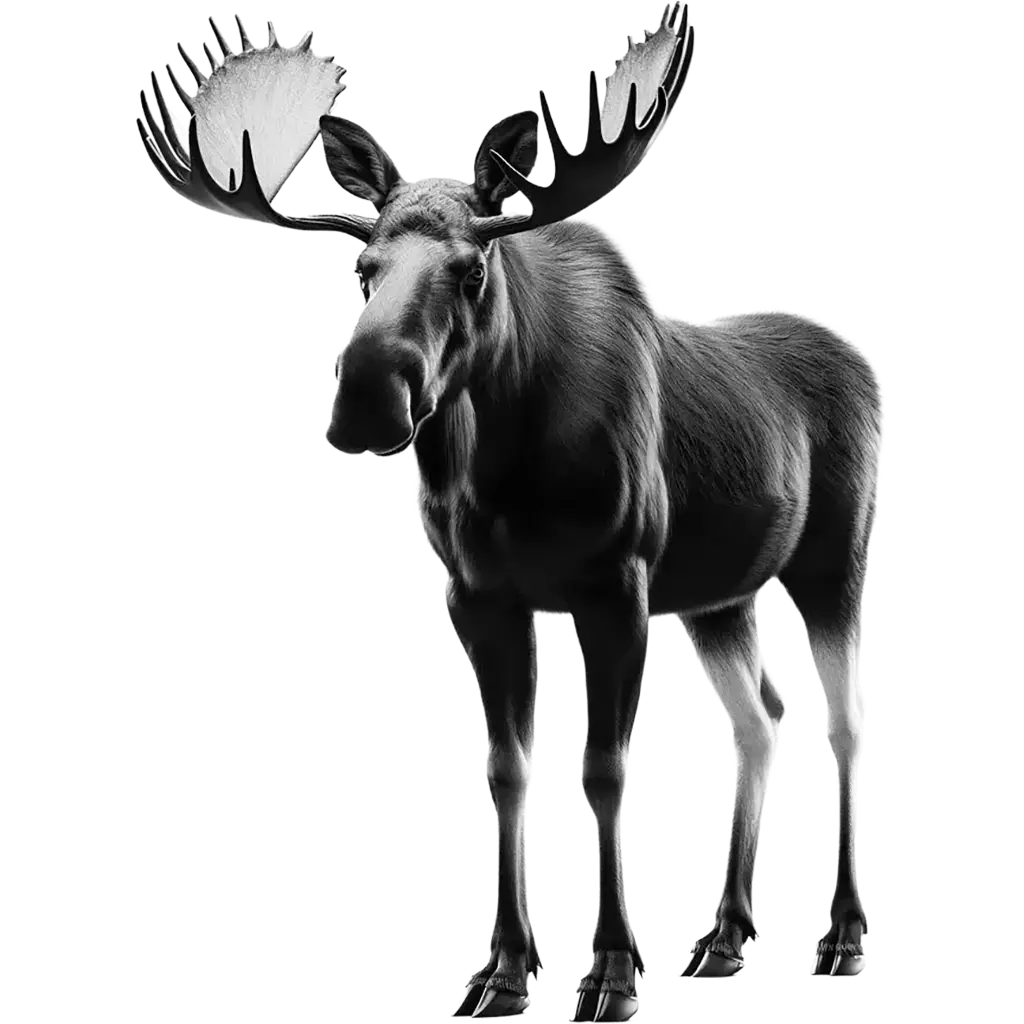
The Moose, alces alces, is the largest and most majestic member of the deer family, known for its impressive stature and distinctive features. With a towering height that can reach up to 2.1 meters (6.9 feet) at the shoulder, adult males are adorned with massive, palmate antlers that can span
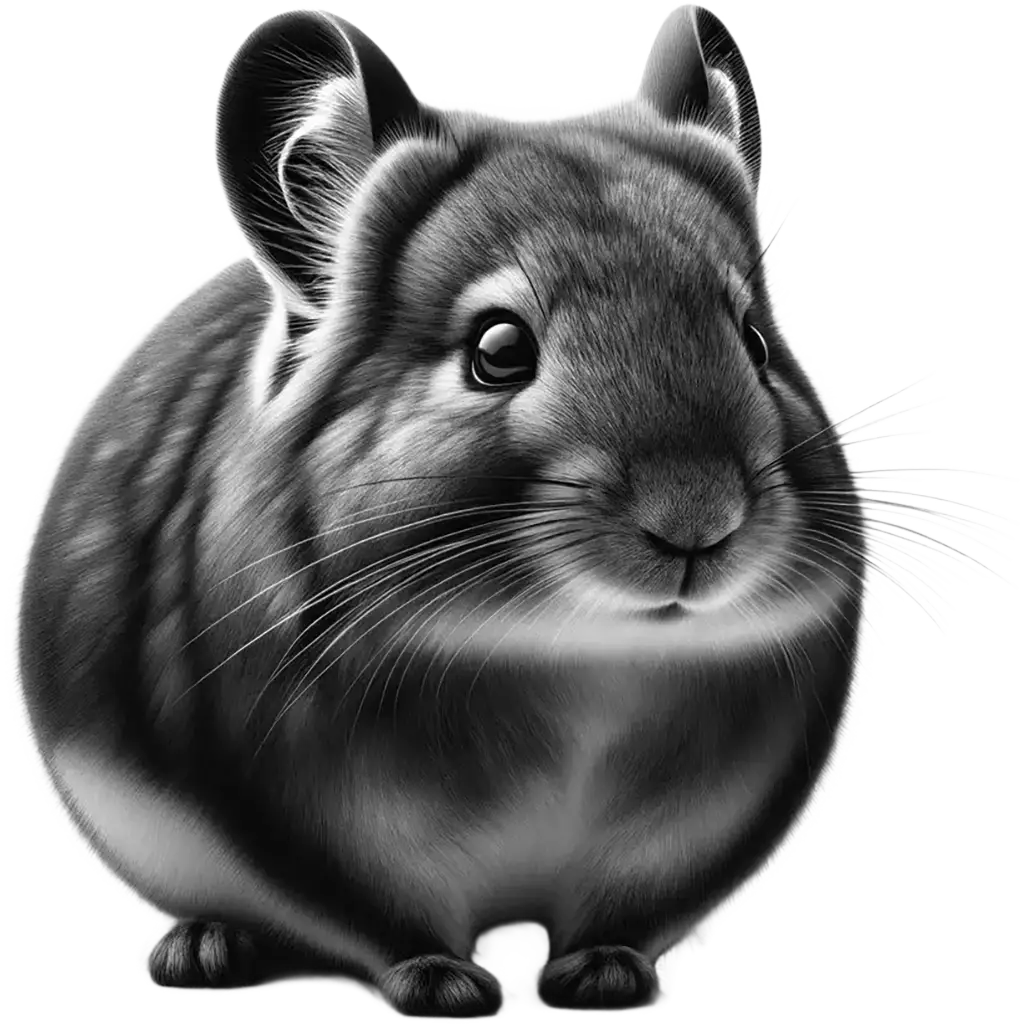
The Daurian Pika, ochotona dauurica, is a small, herbivorous mammal belonging to the pika family, which resides predominantly in the steppe regions of Mongolia, parts of Russia, and northern China. This species is characterized by its compact body, rounded ears, and absence of a visible tail, typical of pikas. Adult
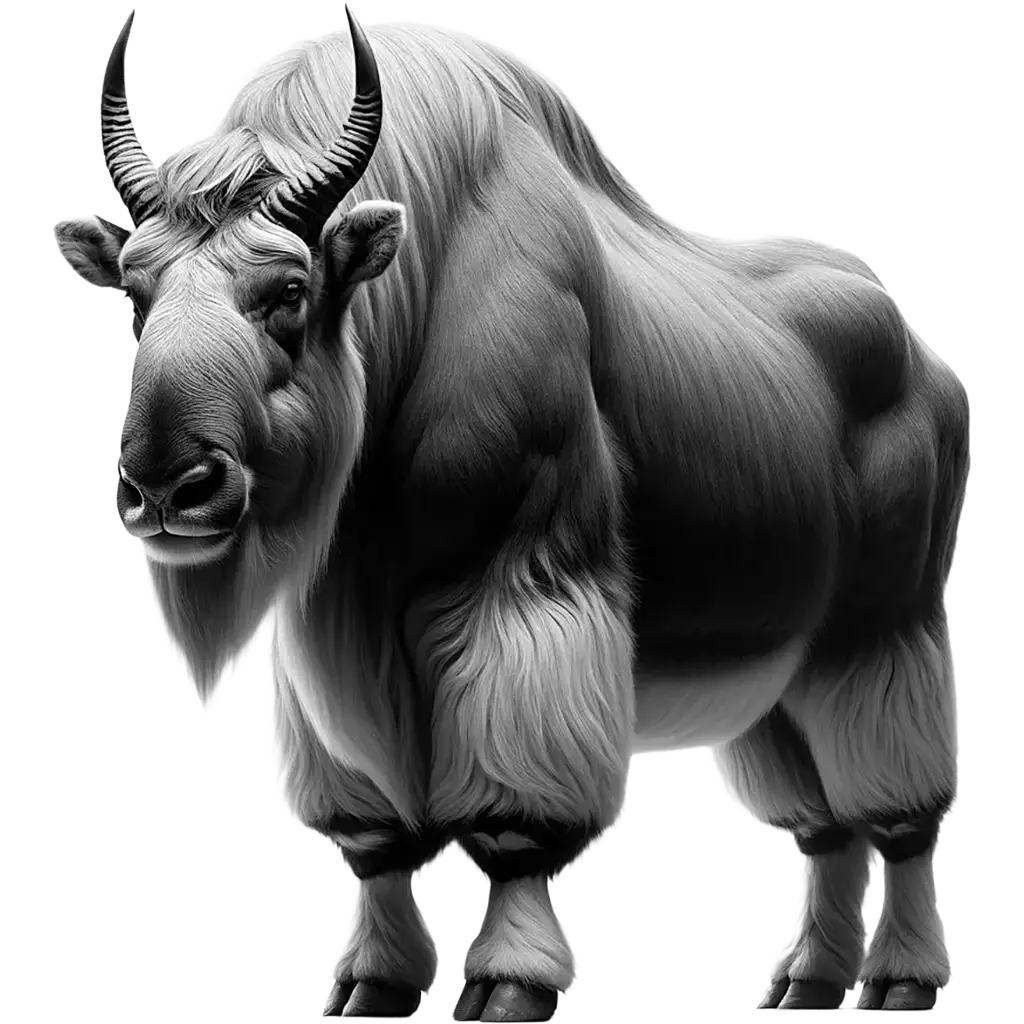
The Bhutan Takin, budorcas taxicolor whitei, is a subspecies of takin, a large, hoofed mammal native to the eastern Himalayas, particularly Bhutan. This unique animal is characterized by its bulky body, short, sturdy legs, and a large head with a pronounced Roman nose, making it appear somewhat like a cross
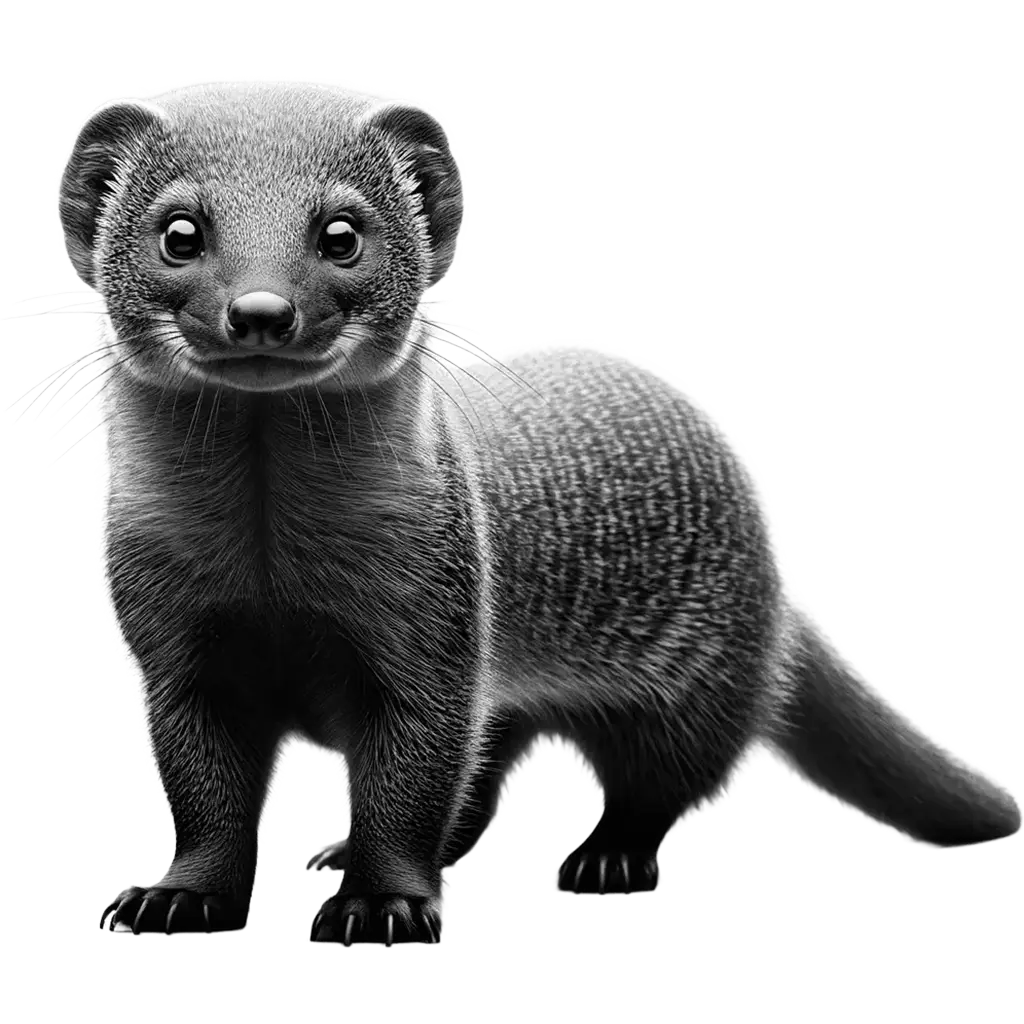
The Indian Brown Mongoose, urva fusca, previously known as Herpestes fuscus, is a small, elusive mammal native to the forests and shrublands of southern India and Sri Lanka. This species is characterized by its dark brown or reddish-brown fur, which helps it blend into the forest floor. It has a