
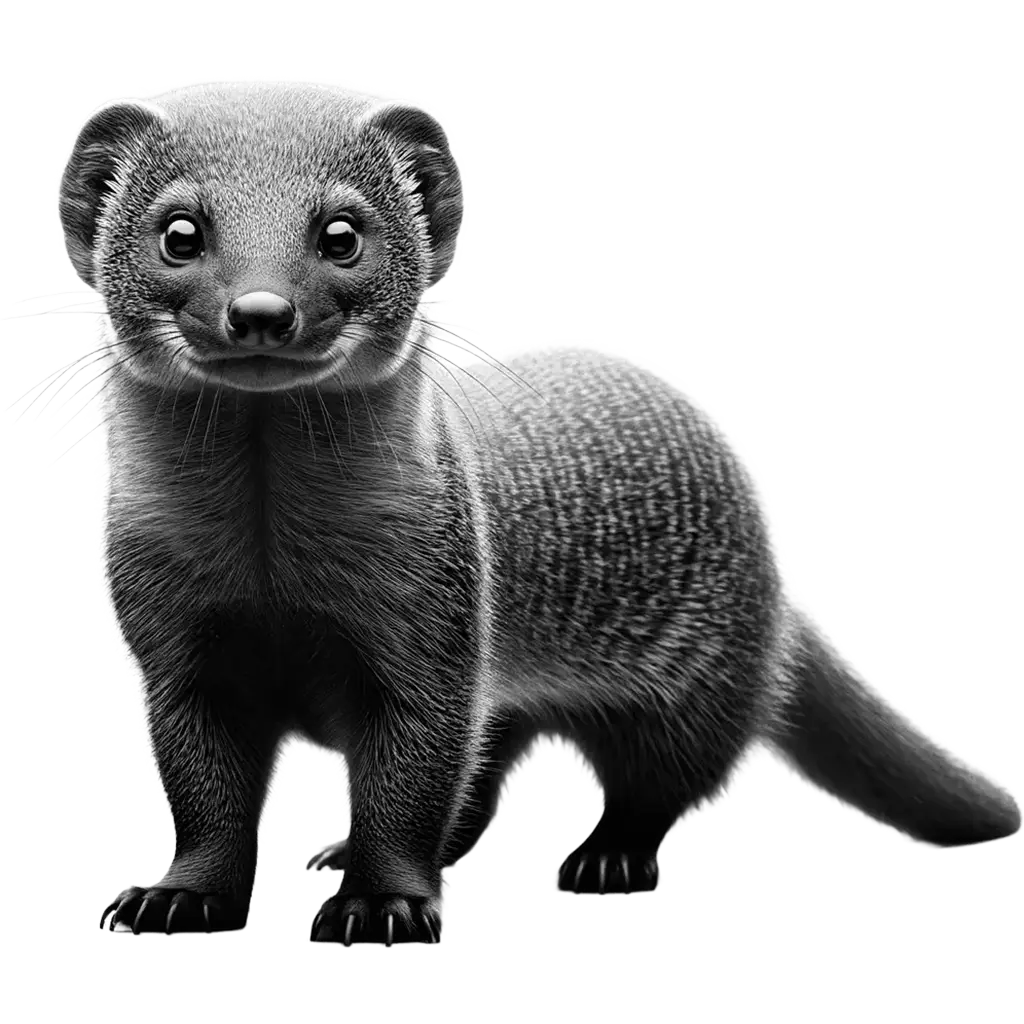
Urva Fusca
Indian Brown Mongoose
Forests, scrublands, and near human settlements
The Indian Brown Mongoose, urva fusca, previously known as Herpestes fuscus, is a small, elusive mammal native to the forests and shrublands of southern India and Sri Lanka. This species is characterized by its dark brown or reddish-brown fur, which helps it blend into the forest floor. It has a slender body, short legs, and a bushy tail, with adults typically measuring around 40 to 45 cm in length, including the tail. The Indian Brown Mongoose's compact size and agile nature make it well-adapted to a life spent foraging on the ground and in trees.
| Population: | Data on specific population numbers are limited, but not currently considered threatened |
| Generation Length: | 3-4 years |
| Average Weight: | 1.3-1.5 kg |
| Average Length: | 40-45 cm, including tail |
| Lifespan: | Up to 12 years in the wild, potentially longer in captivity |
| Diet: | Small vertebrates and invertebrates |
| Conservation Status: | Least Concern (LC) |
Primarily diurnal, the Indian Brown Mongoose exhibits solitary or pair-based behaviors, rarely seen in large groups. It is known for its quick reflexes and agility, which aid in its hunt for food and evasion of predators. This mongoose is a versatile forager, adapting its diet and behavior to the availability of resources in its habitat, which ranges from dense forests to agricultural areas near human settlements.
The diet of the Indian Brown Mongoose consists mainly of insects, rodents, reptiles, and occasionally fruits and seeds. Its role as a predator helps control populations of pests and small animals, contributing to the ecological balance of its environment. The mongoose uses its keen sense of smell to locate prey, and its sharp claws and teeth to capture and consume it.
Reproduction in the Indian Brown Mongoose is not well documented, but like other mongoose species, it is presumed to have a flexible breeding season, with females giving birth to one to three offspring after a gestation period of around 60 days. The young are cared for in dens, often located in hollow trees or rock crevices, where they remain until they are old enough to fend for themselves.
The population status of the Indian Brown Mongoose is currently considered to be of least concern by conservation standards, though it faces threats from habitat destruction and fragmentation. Conservation efforts are important to ensure the preservation of its natural habitat and the biodiversity of the regions it inhabits. As a native species, the Indian Brown Mongoose plays a vital role in its ecosystem, and its well-being is indicative of the health of its environment.
Classifications
The Key Attributes
Features
- Movement:
Walking, running
- Territorial Behavior:
Somewhat territorial; individuals or small family groups maintain territories
- Speed:
Not specifically quantified; known for agility and quickness, especially when hunting or evading predators
- Diet:
Carnivore
- Physical Features:
- Compact body with short legs
- Brown fur, darker on the dorsal side and lighter on the ventral side
- Long, bushy tail
- Sharp, non-retractable claws
- Pointed snout and sharp teeth for catching prey
- Primary Senses:
- Sight
- Hearing
- Smell
Understanding Habitat and Range
Geography
- Habitat:
Forests, scrublands, and near human settlements
- Migration Patterns:
Non-migratory
- Geographical Range:
Widely distributed across India and Sri Lanka
- Climate Preferences:
Prefers warm climates, adaptable to a range of environmental conditions
Navigating the Wilderness
In the wild
- Predators:
Large snakes, birds of prey, and larger mammals
- Prey:
Rodents, birds, eggs, reptiles, and insects
- Feeding Behavior:
Primarily nocturnal, hunting small mammals, birds, reptiles, and insects
- Diet:
Small vertebrates and invertebrates
- Defensive Mechanisms:
- Agility and speed to escape predators
- Can become aggressive when threatened, using teeth and claws
- Preferred Food Sources:
- Small mammals like rodents
- Ground-nesting birds and their eggs
- Reptiles and insects
Insights Into Reproduction
Mating
- Mating System:
Monogamous or polygynous, varying by individual
- Number of Offspring:
2-3 young
- Gestation Period:
Approximately 60 days
- Parental Involvement:
- Females primarily care for the young, providing food and protection
Youngsters Section
Indian Brown Mongoose
Fun Fact
The Indian Brown Mongoose is an agile and elusive creature found across the Indian subcontinent.
Adapted to various habitats, it primarily feeds on small mammals, birds, and reptiles. This mongoose is known for its remarkable ability to confront venomous snakes. It has a keen sense of smell, sharp reflexes, and a strong bite, which make it an effective predator. Despite its fierce hunting skills, it faces threats from habitat loss.
Download word search puzzles
Word Search Puzzles
Check Out Other Mammals
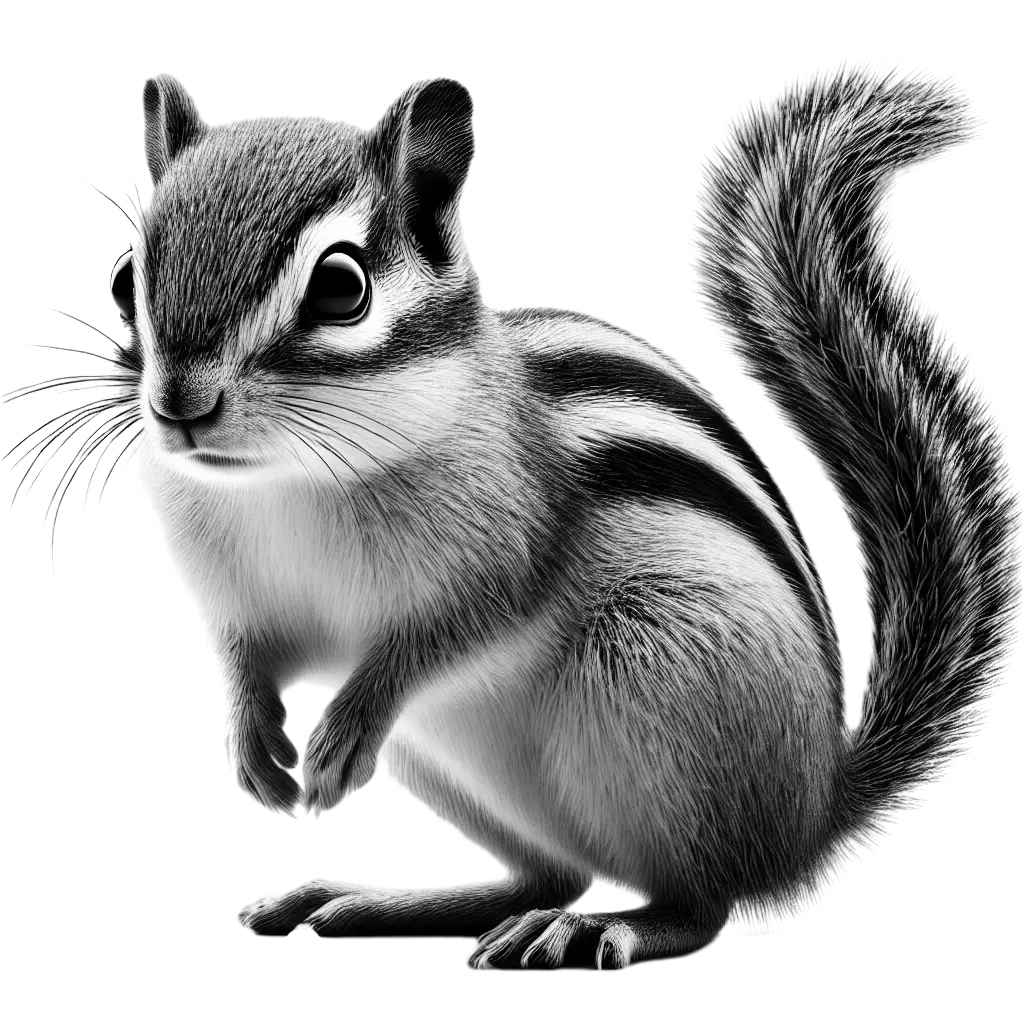
The Least Chipmunk is a small, agile rodent with a delicate, slender body covered in reddish-brown fur, accented by white underparts and subtle dark stripes running along its back. It has small, alert eyes and tiny ears that peek out from its fuzzy head, while its bushy tail adds a
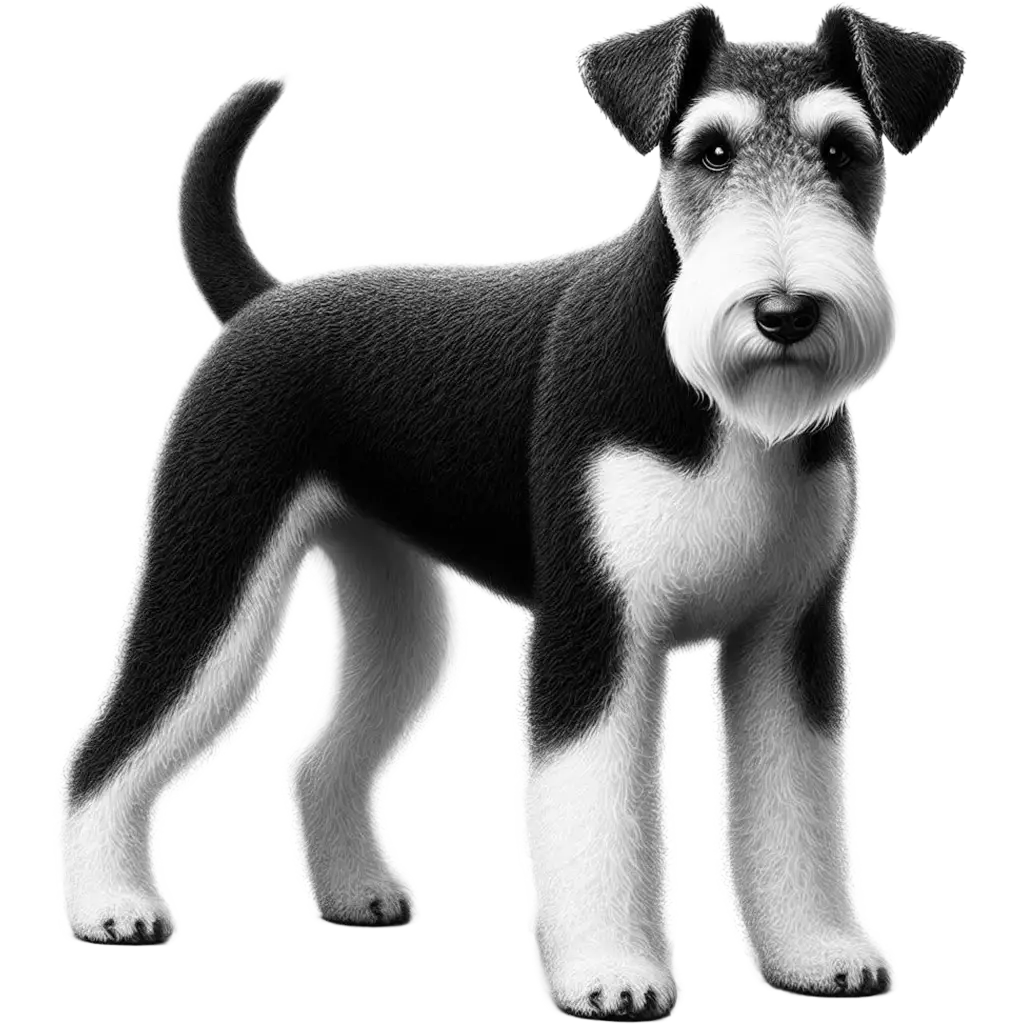
The Fox Terrier, a distinguished member of the terrier group, is a small to medium-sized dog breed known for its lively disposition and elegant appearance. There are two main types: the Smooth Fox Terrier, characterized by a sleek, smooth coat, and the Wire Fox Terrier, which boasts a distinctive rough,
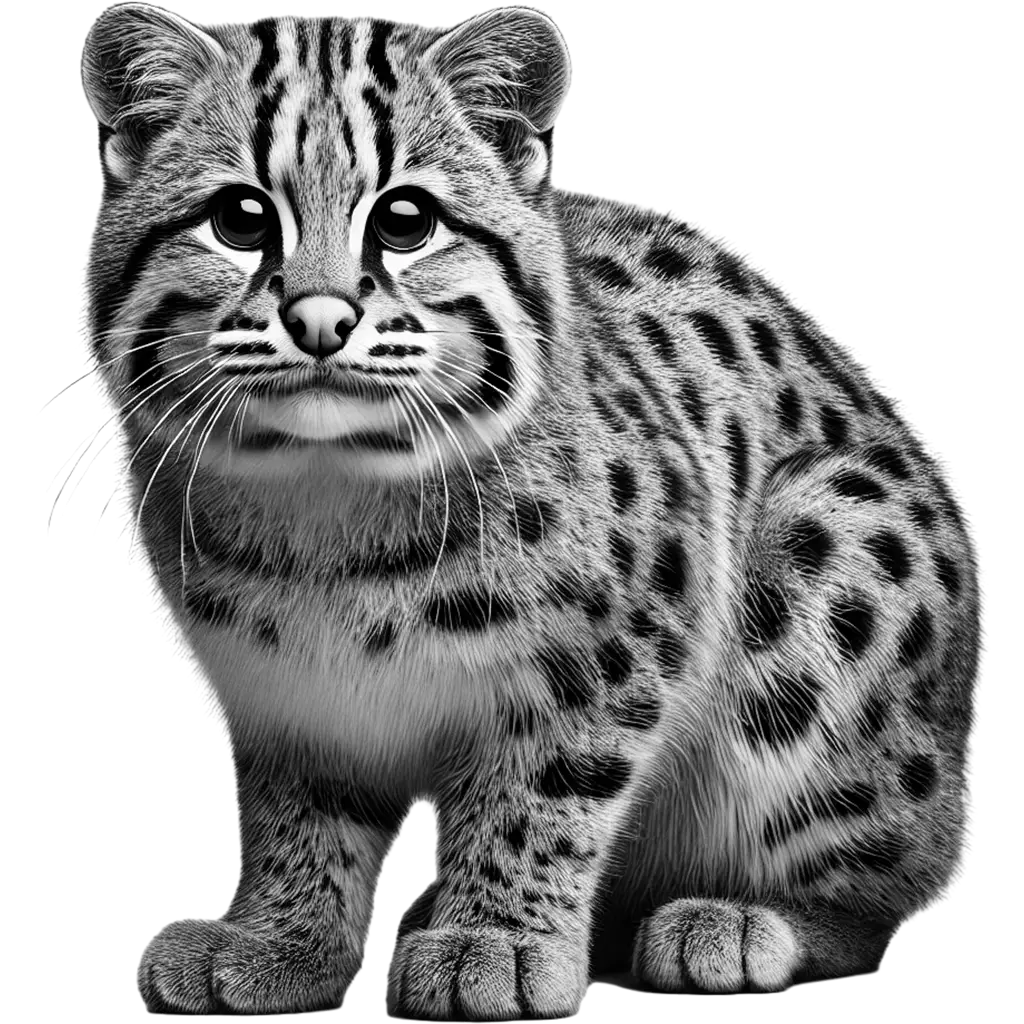
Fishing Cats are medium-sized wild cats with a robust, muscular build and dense tawny fur accented by subtle markings. They feature large, rounded ears, a broad head, and partially webbed paws that aid in swimming. A long, tapering tail provides balance during agile maneuvers on both land and water. Their
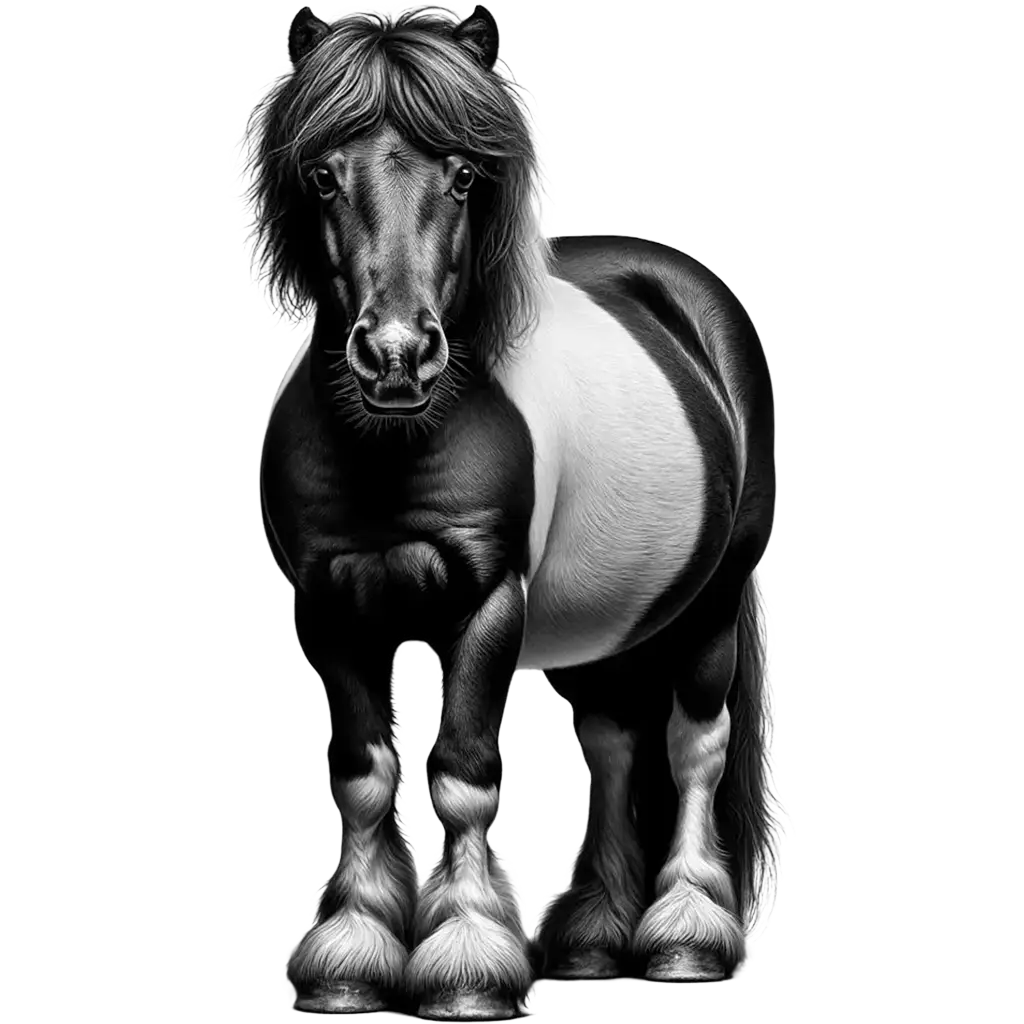
The Shetland Pony, native to the Shetland Isles located northeast of mainland Scotland, is one of the smallest pony breeds in the world. Despite their small stature, typically standing no more than 102 cm (40 inches) at the withers, Shetland Ponies are known for their strength, hardiness, and friendly disposition.