
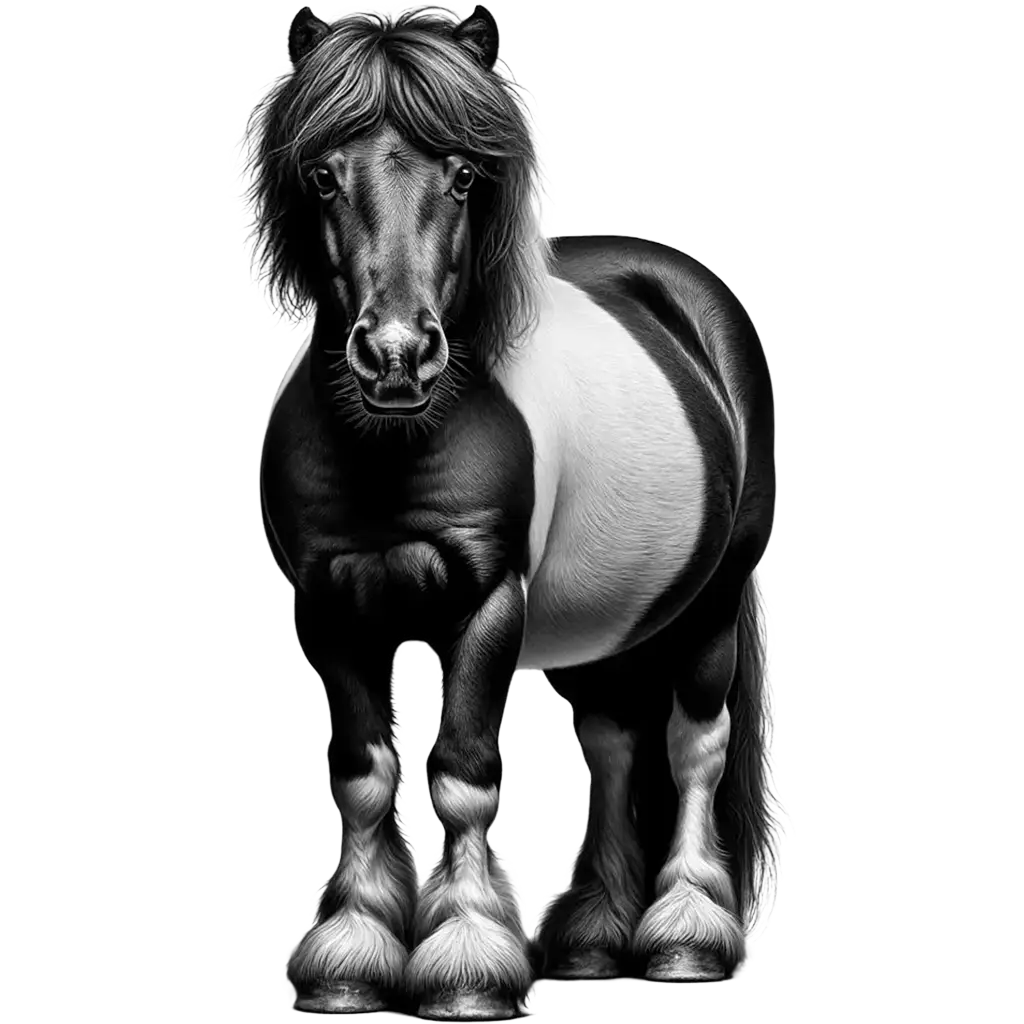
Equus Caballus
Shetland Pony
Native to the Shetland Isles, but found worldwide due to domestication
The Shetland Pony, native to the Shetland Isles located northeast of mainland Scotland, is one of the smallest pony breeds in the world. Despite their small stature, typically standing no more than 102 cm (40 inches) at the withers, Shetland Ponies are known for their strength, hardiness, and friendly disposition. Their thick double coats, which can vary in color from black, brown, and grey to paler shades like chestnut and dun, provide insulation against harsh weather conditions. These ponies also possess a heavy mane and tail, providing additional protection against the cold and wet climate of their native habitat.
| Population: | Not classified as endangered; popular and widely bred |
| Generation Length: | Around 5-8 years |
| Average Weight: | 150-200 kg |
| Average Length: | Height at withers is 70-107 cm |
| Lifespan: | 20-30 years, sometimes longer in captivity |
| Diet: | Primarily grasses, hay, and sometimes grains, adapted to sparse vegetation |
| Conservation Status: | Not Evaluated (NE) |
Historically, Shetland Ponies were used for pulling carts, carrying peat and coal, and ploughing farm land, showcasing their remarkable strength relative to their size. Today, they are popular as children's pets and show ponies, thanks to their gentle nature and intelligence. The adaptability of Shetland Ponies allows them to thrive in various environments beyond their native islands.
The diet of the Shetland Pony is relatively modest, consisting mainly of grasses and hay. Their efficient digestive system enables them to thrive on the sparse vegetation of the Shetland Isles. However, care must be taken to manage their food intake, as they are prone to obesity and related health issues when kept in richer pastures or overfed.
Reproduction in Shetland Ponies follows that of other horse breeds, with a gestation period of approximately 11 months. Mares typically give birth to a single foal, which is weaned at around 6 months of age. Shetland Ponies are known for their long lifespans, often living well into their 20s or even 30s with proper care.
The population of Shetland Ponies is stable, but their conservation is important to maintain the breed's genetic diversity and heritage. Organizations such as the Shetland Pony Stud-Book Society work to preserve the breed standards and promote responsible breeding practices. The enduring popularity of Shetland Ponies in various equestrian disciplines and as family pets underscores the importance of ongoing conservation and welfare efforts.
Classifications
The Key Attributes
Features
- Movement:
Walking, trotting, cantering, galloping
- Territorial Behavior:
Social, often kept in herds
- Speed:
Not known for speed but strong and sturdy
- Diet:
Herbivore
- Physical Features:
- Small stature with a thick neck and short legs
- Thick mane and tail
- Sturdy and robust body build, adapted to harsh climates
- Coat can be various colors, often with thick, shaggy fur
- Primary Senses:
- Sight
- Hearing
- Smell
Understanding Habitat and Range
Geography
- Habitat:
Native to the Shetland Isles, but found worldwide due to domestication
- Migration Patterns:
Non-applicable
- Geographical Range:
Originally from the Shetland Islands, Scotland; now globally distributed due to domestication
- Climate Preferences:
Adapted to cold, harsh environments but can thrive in various climates
Navigating the Wilderness
In the wild
- Predators:
Few natural predators due to domestication
- Prey:
Not applicable
- Feeding Behavior:
Grazes on grass and other vegetation
- Diet:
Primarily grasses, hay, and sometimes grains, adapted to sparse vegetation
- Defensive Mechanisms:
- Social herd behavior for vigilance and protection
- Preferred Food Sources:
- Hardy vegetation typical of their native Scottish highlands and similar pastures
Insights Into Reproduction
Mating
- Mating System:
Managed breeding in domesticated populations
- Number of Offspring:
Usually one foal
- Gestation Period:
Approximately 11 months
- Parental Involvement:
- Mares care for their foals with human assistance in domesticated settings
Youngsters Section
Shetland Pony
Fun Fact
Shetland Ponies are small but strong, often used in children's riding and driving events.
Originating from the Shetland Islands, these ponies have a dense coat to protect them from harsh weather conditions. Despite their small size, they are known for their strength and ability to carry heavy loads. Their friendly nature makes them popular pets for children.

Download word search puzzles
Word Search Puzzles

Check Out Other Mammals
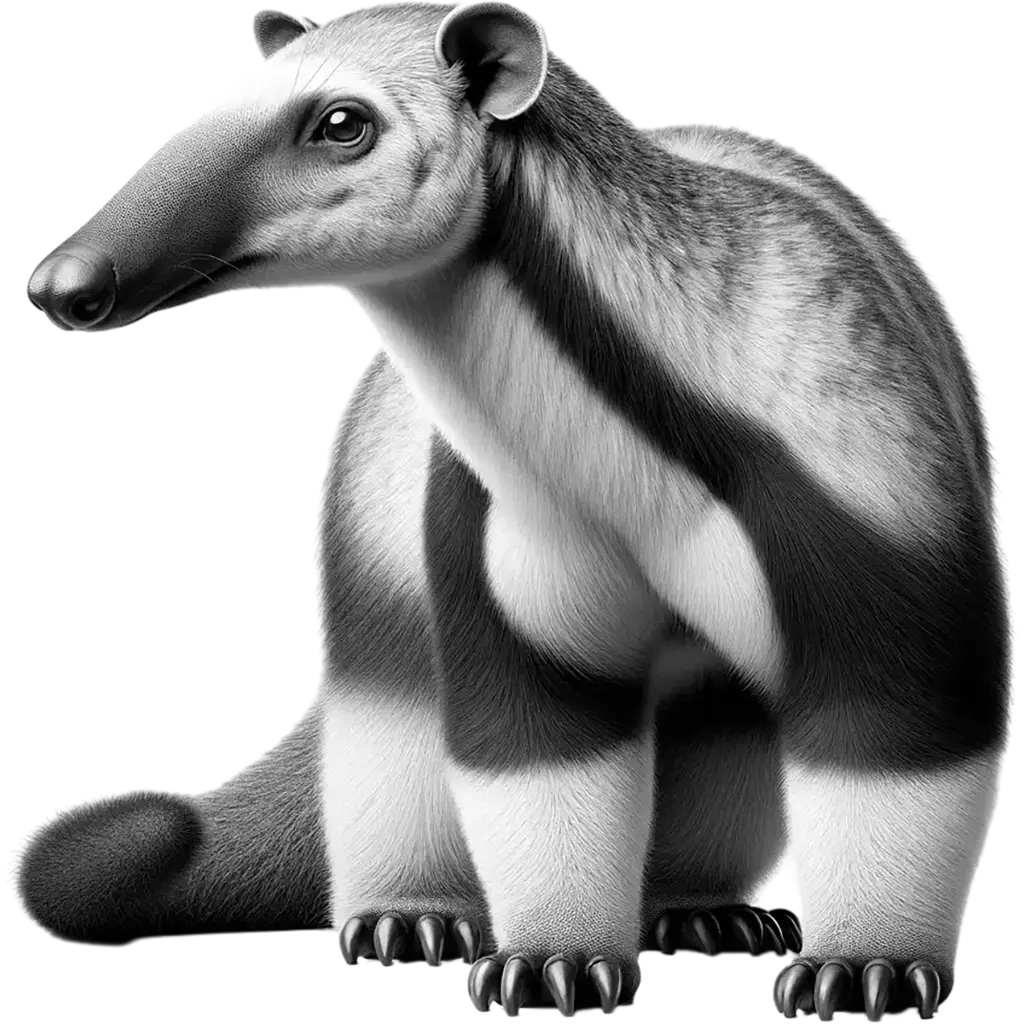
The Southern Tamandua, tamandua tetradactyla, also known as the Collared Anteater or Lesser Anteater, is a medium-sized arboreal mammal native to South America. This species is distinguished by its long, prehensile tail, elongated snout, and a distinctive black 'vest' pattern over its otherwise yellowish-brown fur, although coloration can vary significantly
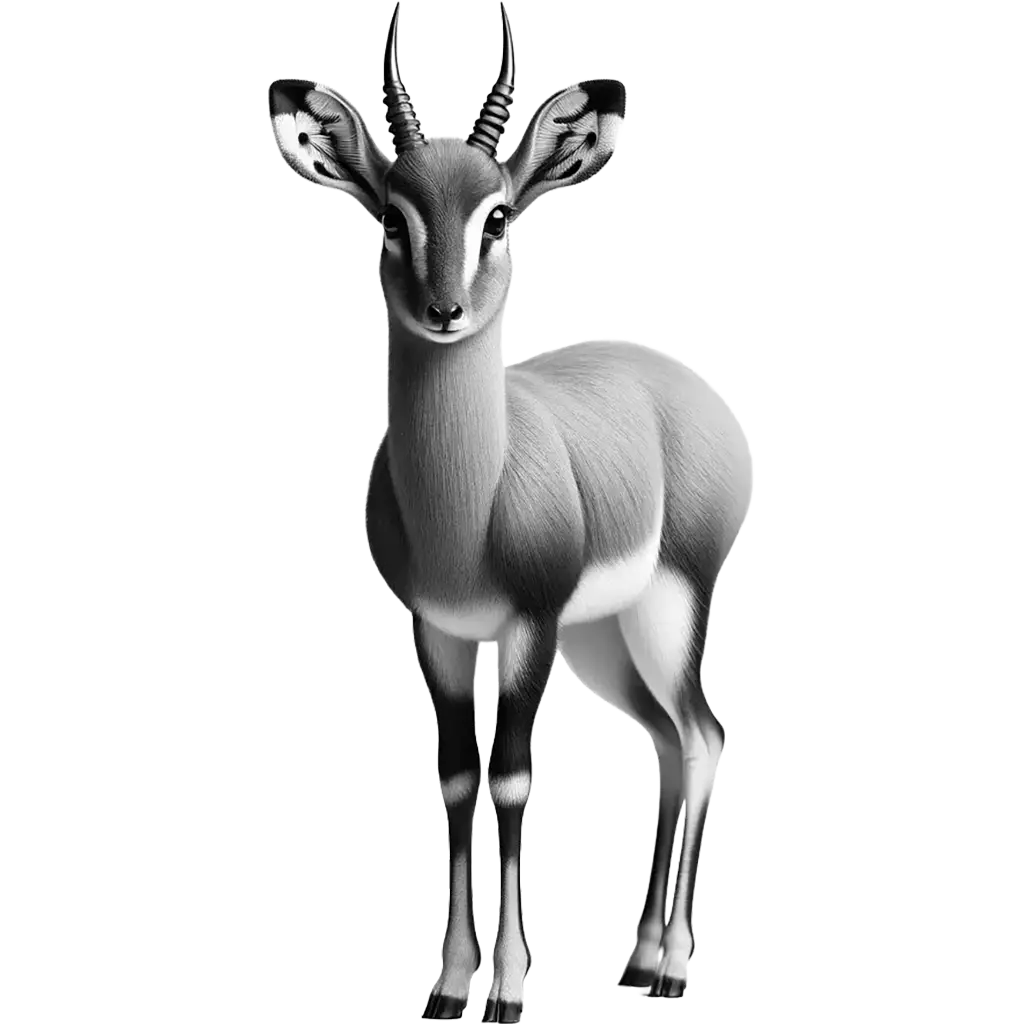
The Oribi, ourebia ourebi, is a small, elegant antelope found in the grasslands and savannas of sub-Saharan Africa. Standing approximately 50 to 68 cm (20 to 27 inches) at the shoulder and weighing between 12 to 22 kg (26 to 48 lbs), the Oribi exhibits a slender build, with a
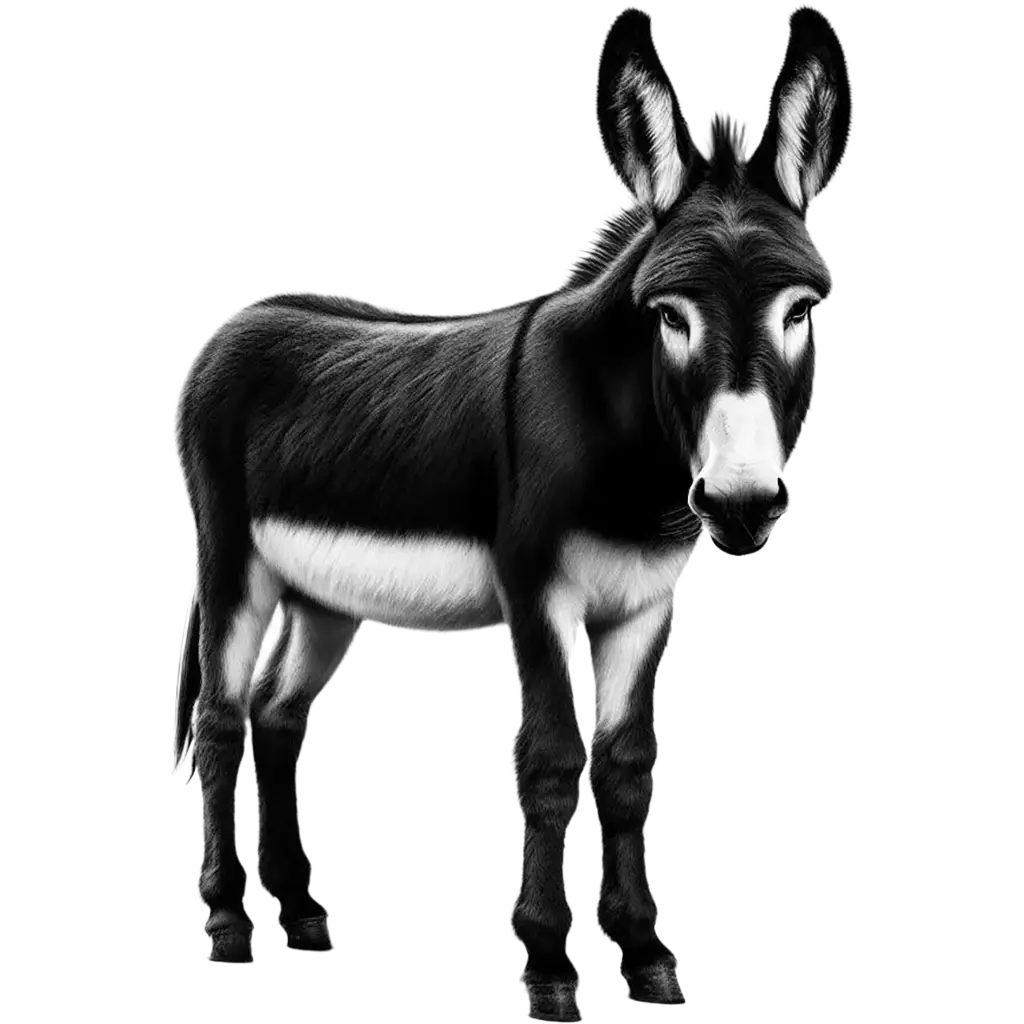
The Donkey, equus africanus asinus, is a domesticated member of the horse family, Equidae. Originating from the African wild ass, Donkeys have been used by humans for millennia, serving primarily as working animals due to their strength, endurance, and ability to carry heavy loads. Adult Donkeys vary greatly in size,
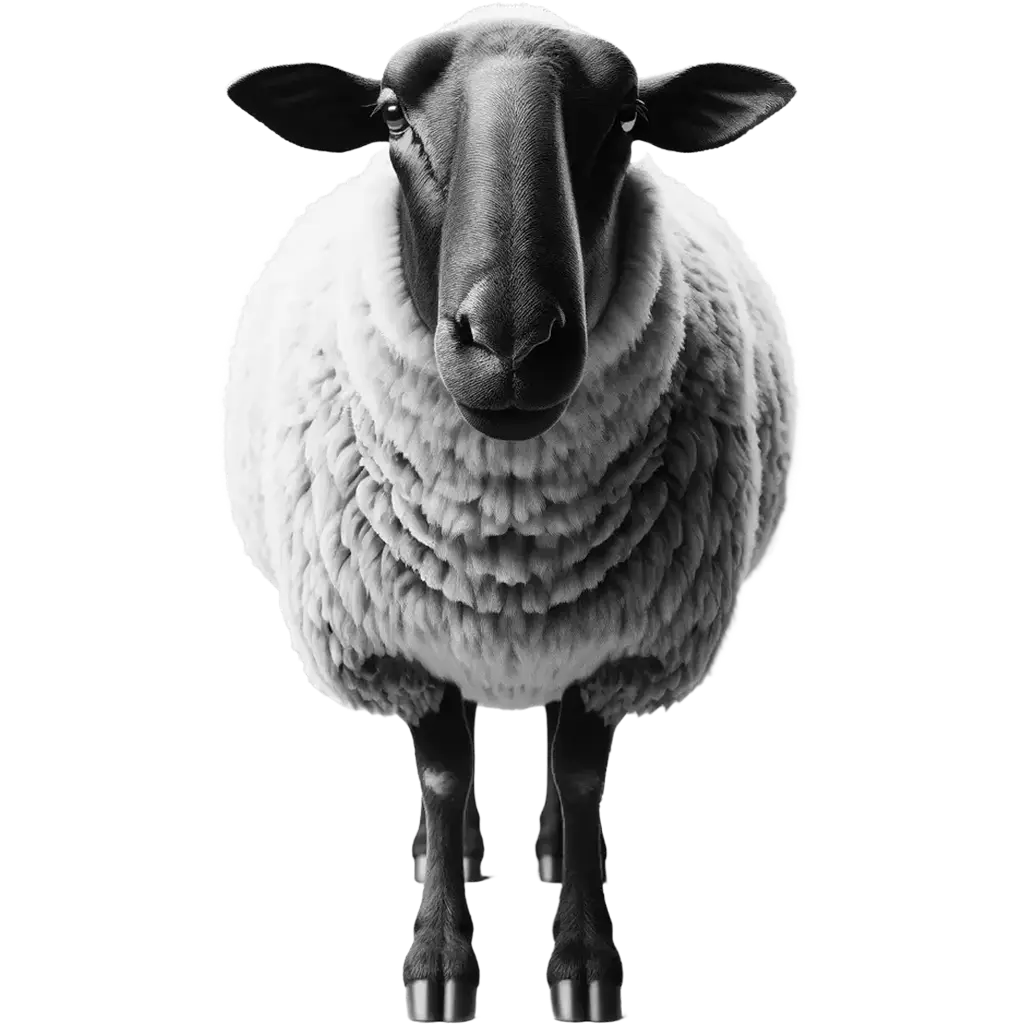
The Domestic Sheep, ovis aries, is a key livestock species that has been domesticated for thousands of years, playing an integral role in agriculture and human society. Adult sheep typically weigh between 45 to 160 kg, depending on the breed, sex, and age, with males (rams) usually larger than females