
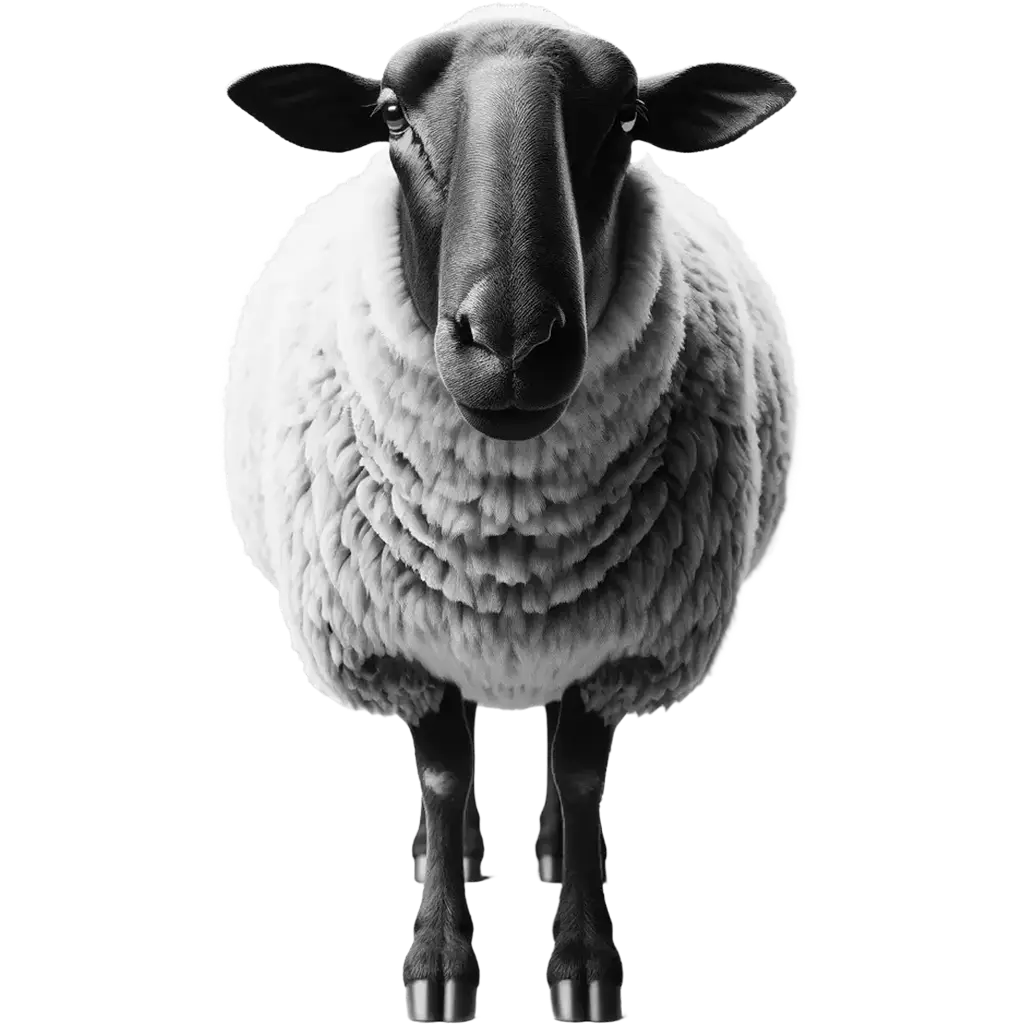
Ovis Aries
Domestic Sheep
Domesticated, kept in a variety of environments including pastures, hillsides, and arid lands
The Domestic Sheep, ovis aries, is a key livestock species that has been domesticated for thousands of years, playing an integral role in agriculture and human society. Adult sheep typically weigh between 45 to 160 kg, depending on the breed, sex, and age, with males (rams) usually larger than females (ewes). Their body is covered with a woolly coat, which can vary in color from white to brown, black, and spots of multiple colors. This wool coat is one of the sheep's most distinctive features, providing insulation and being a valuable resource for textiles.
| Population: | Widespread and abundant, with numerous breeds and varieties |
| Generation Length: | 1-3 years |
| Average Weight: | Varies widely by breed, generally 45-100 kg |
| Average Length: | Varies by breed, typically 1.4-1.8 meters in length including the body and head |
| Lifespan: | 10-12 years on average in domestication |
| Diet: | Primarily grass, may be supplemented with grains, hay, and other feed in domestic settings |
| Conservation Status: | Not Evaluated (NE) |
Domestic Sheep are highly adaptable and have been bred to thrive in a variety of environments, from arid plains to mountainous regions. They are primarily kept for their wool, meat (lamb or mutton), and milk, with different breeds optimized for each purpose. Sheep farming practices vary globally, from pastoral nomadic systems to intensive farming operations.
The diet of Domestic Sheep is herbivorous, consisting mainly of grasses, forbs, and other plant materials. They are ruminants, possessing a complex digestive system that allows them to efficiently process high-fiber plant material. This grazing behavior plays a significant role in the maintenance of grasslands and agricultural landscapes, contributing to the control of brush and facilitating nutrient cycling.
Reproduction in sheep is characterized by a breeding season, or rut, which varies by geographic location and breed. Ewes typically give birth to one to three lambs after a gestation period of about five months. Lambing season is a critical time for sheep farmers, requiring careful management to ensure the health and survival of both ewes and their offspring.
The population of Domestic Sheep is widespread and abundant, with millions of individuals across the globe. While not considered endangered, local breeds and populations may face threats from genetic erosion, disease, and changes in agricultural practices. Conservation efforts in the sheep industry focus on the preservation of genetic diversity, sustainable farming practices, and the welfare of the animals. The Domestic Sheep remains a symbol of pastoral life and an essential component of agricultural economies worldwide.
Classifications
The Key Attributes
Features
- Movement:
Walking, grazing
- Territorial Behavior:
Herd animals, showing strong flocking behavior
- Speed:
Not known for speed, domesticated for grazing and farming purposes
- Diet:
Herbivore
- Physical Features:
- Variety in size and build depending on breed
- Woolly coat that requires shearing
- Curved horns in some breeds, both males and females
- Stout body, adapted for grazing and storing fat
- Primary Senses:
- Sight
- Hearing
- Smell
- Taste
Understanding Habitat and Range
Geography
- Habitat:
Domesticated, kept in a variety of environments including pastures, hillsides, and arid lands
- Migration Patterns:
Non-applicable, movement controlled by human management
- Geographical Range:
Global, on every continent except Antarctica
- Climate Preferences:
Varies widely; sheep are adaptable to many climates from cold highlands to arid deserts
Navigating the Wilderness
In the wild
- Predators:
Managed in farming environments, predators include wolves, coyotes, and dogs in natural settings
- Prey:
Not applicable
- Feeding Behavior:
Grazing on grass, clover, and other vegetation, often managed within rotational grazing systems to maintain pasture health
- Diet:
Primarily grass, may be supplemented with grains, hay, and other feed in domestic settings
- Defensive Mechanisms:
- Flocking together for protection
- Running to evade predators
- Some breeds can use horns for defense
- Preferred Food Sources:
- Well-managed pastures with a variety of grasses and plants
Insights Into Reproduction
Mating
- Mating System:
Polygynous typically managed by breeders
- Number of Offspring:
1-3 lambs
- Gestation Period:
Approximately 5 months
- Parental Involvement:
- Ewes care for the lambs with human assistance in domestic settings
Youngsters Section
Domestic Sheep
Fun Fact
Domestic sheep have rectangular pupils, which grant them an impressive field of vision.
These unique pupils allow sheep to see approximately 270 to 320 degrees around them. This wide field of view helps them spot predators and navigate their surroundings effectively. Unlike humans, sheep can also see in dim light, aiding their survival in various environments.

Download word search puzzles
Word Search Puzzles
Check Out Other Mammals
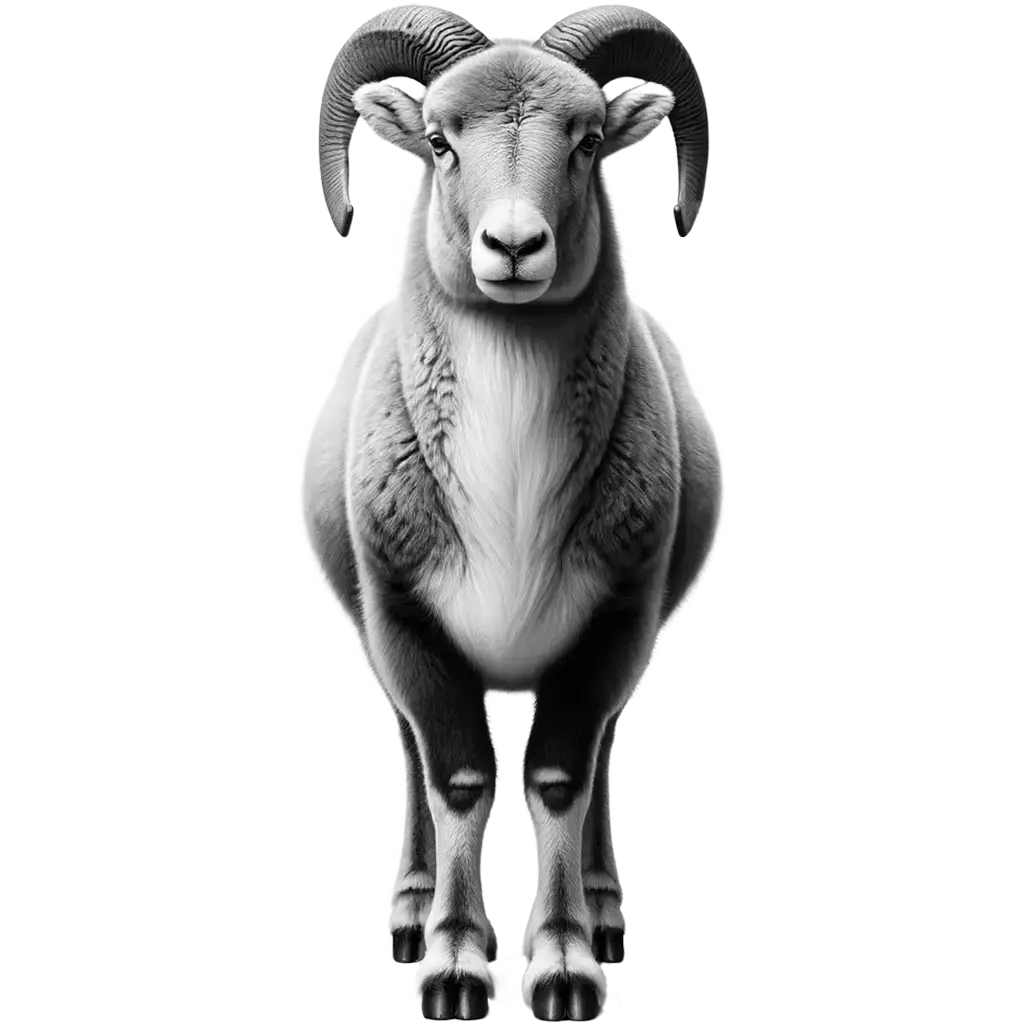
The Barbary Sheep, ammotragus lervia, also known as the Aoudad, is a rugged, mountain-dwelling ungulate native to the rocky mountains and desert landscapes of North Africa. This species is characterized by its sandy to reddish-brown coat, which helps it blend into its arid surroundings, and a distinctive mane that runs
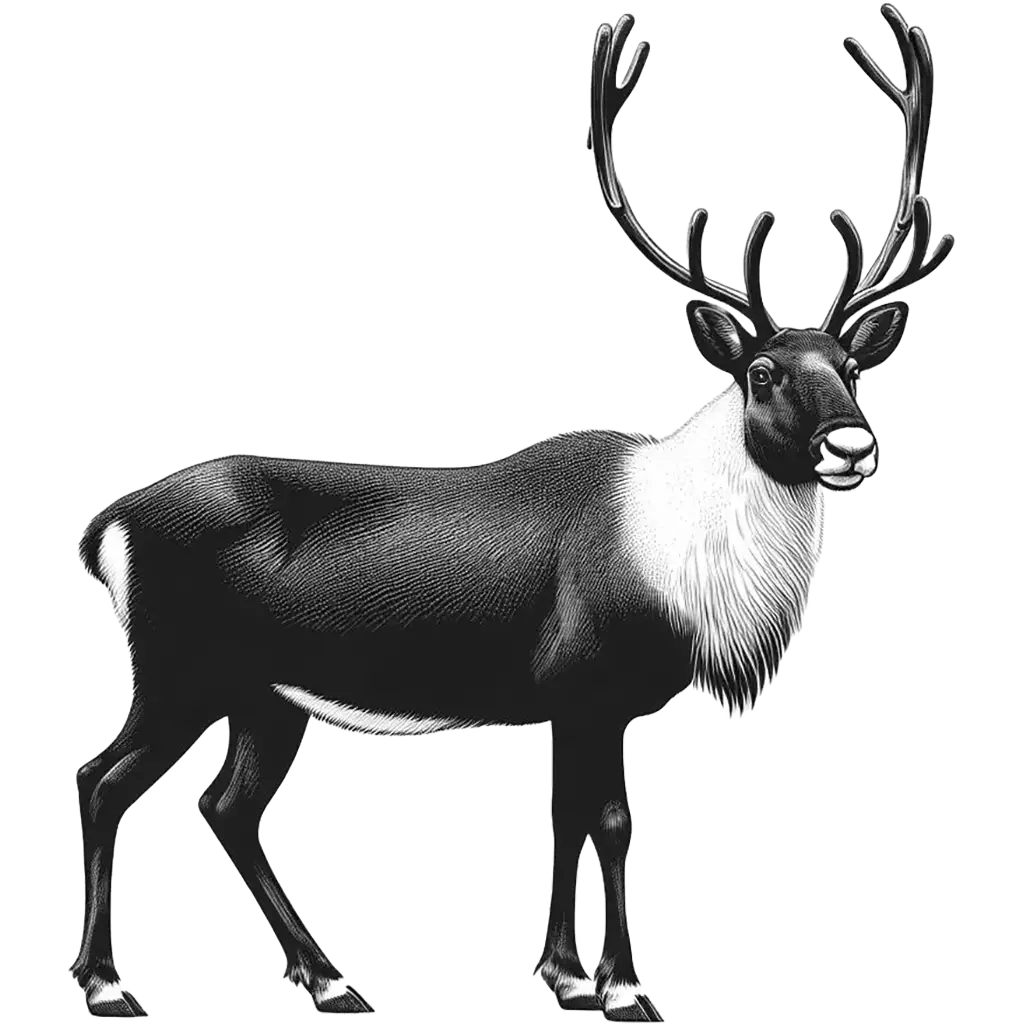
The Reindeer, rangifer tarandus, also known as the caribou in North America, is a species of deer native to Arctic, sub-Arctic, tundra, boreal, and mountainous regions of northern Europe, Siberia, and North America. This species is unique among deer for its adaptations to cold environments, including a thick coat of

The African Wild Ass, equus africanus, is an endangered species and the ancestor of the domestic donkey, known for its hardiness and adaptability to harsh desert environments. This species exhibits a light gray to fawn-colored coat, with distinctive zebra-like stripes on its legs and a dark dorsal stripe running down
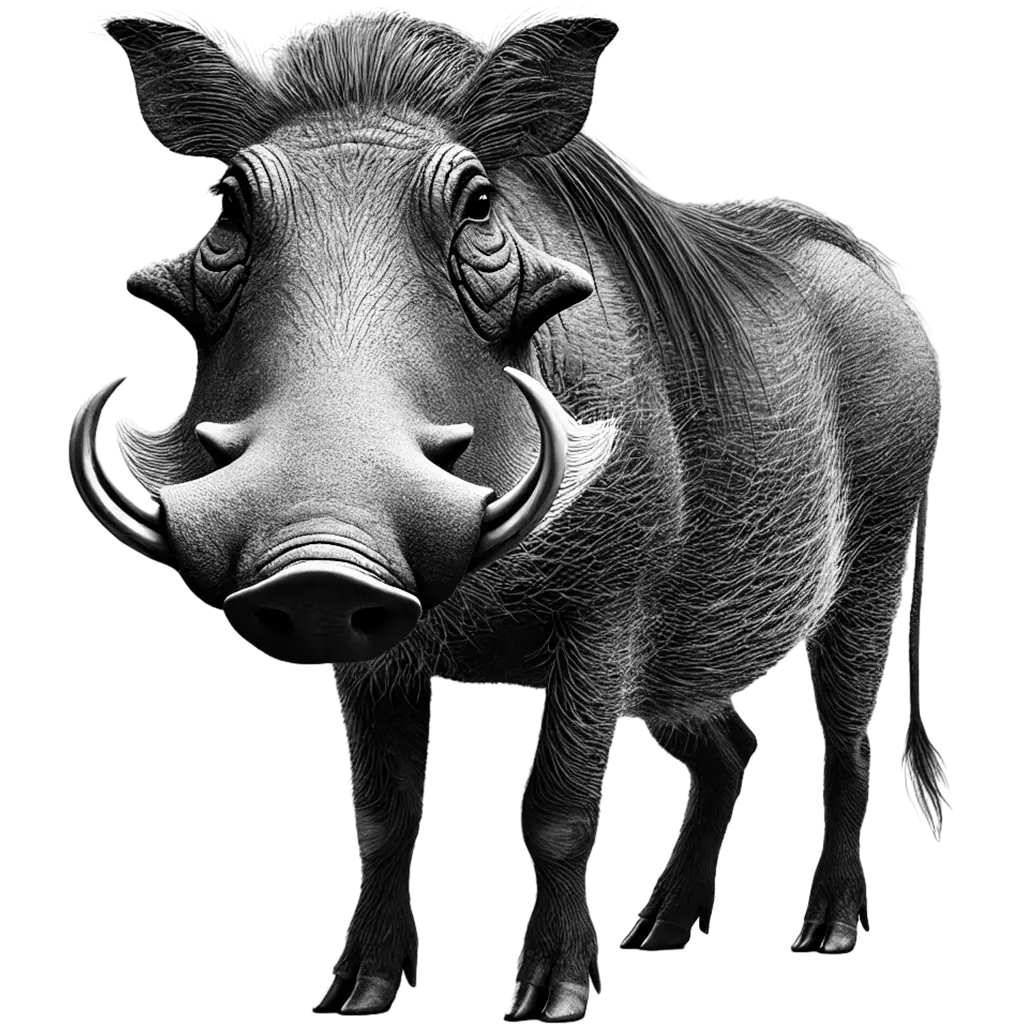
The Common Warthog exhibits a robust, pig-like face marked by prominent facial warts and a pair of upward-curving tusks. Its coarse, bristly hair displays a natural palette of grayish to light brown hues, while its muscular build, sturdy legs, and long, tapering snout give it a distinctive silhouette ideal for