
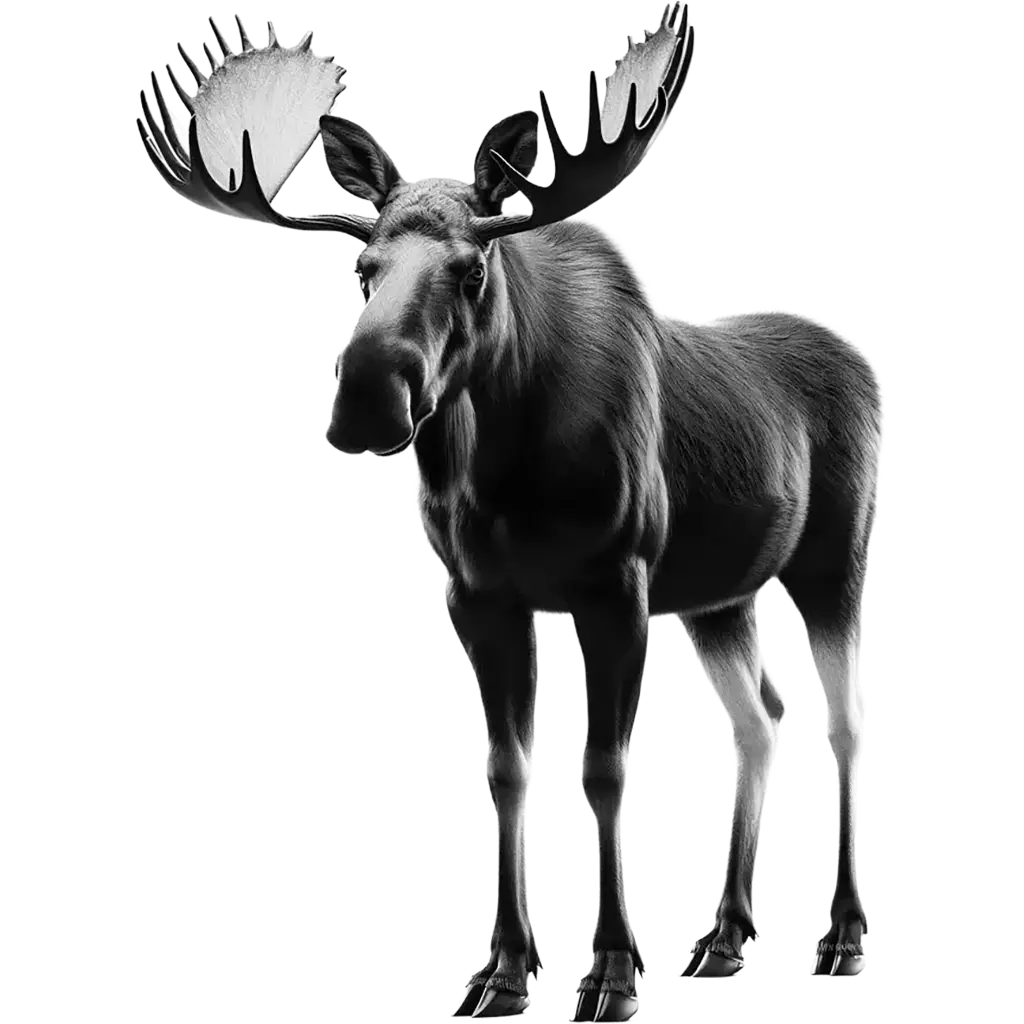
Alces Alces
Moose
Boreal and mixed deciduous forests, often near lakes, rivers, and wetlands
The Moose, alces alces, is the largest and most majestic member of the deer family, known for its impressive stature and distinctive features. With a towering height that can reach up to 2.1 meters (6.9 feet) at the shoulder, adult males are adorned with massive, palmate antlers that can span over 1.8 meters (6 feet) across. The Moose's bulky body is covered in a thick, dark brown coat, with a long, drooping nose and a 'bell,' a skin flap, hanging beneath the throat. Despite their cumbersome appearance, Moose are adept swimmers and can traverse various terrains with ease.
| Population: | Listed as Least Concern, but local populations can be affected by environmental changes and human activities |
| Generation Length: | 8-10 years |
| Average Weight: | Male: 380-700 kg, Female: 200-490 kg |
| Average Length: | Length: 2.4-3.1 meters, Height at the shoulder: 1.5-2.1 meters |
| Lifespan: | 15-20 years in the wild |
| Diet: | Consists mostly of browse from trees and shrubs, as well as aquatic plants in summer |
| Conservation Status: | Least Concern (LC) |
Inhabiting the cold, northern forests of North America, Europe, and Asia, Moose prefer habitats with dense vegetation near water sources, such as lakes, rivers, and wetlands. These environments provide the necessary food and cover from predators. Moose are solitary animals, with territories that they defend vigorously, especially during the mating season. Their presence in an ecosystem indicates a healthy and balanced natural environment.
The diet of the Moose is herbivorous, consisting mainly of leaves, twigs, and bark from a variety of trees and shrubs, as well as aquatic plants during the summer. Their large size requires a substantial intake of food, up to 27 kilograms (60 pounds) per day, to maintain their energy levels, especially in colder climates.
Reproduction occurs during the fall, when males compete for the attention of females through vocalizations and displays of strength. Females give birth to one or two calves in the spring, after a gestation period of about 8 months. Calves are born with a reddish-brown fur that changes to the darker adult coloration within a few months. They stay with their mother for a year, learning vital survival skills.
The population of the Moose is considered stable in many of their natural habitats, but they face challenges from habitat fragmentation, climate change, and hunting pressures. Conservation efforts are focused on habitat protection and management, research on disease and parasites, and sustainable hunting practices to ensure the long-term survival of this iconic species.
Classifications
The Key Attributes
Features
- Movement:
Walking, swimming
- Territorial Behavior:
Solitary except during mating season
- Speed:
Can run up to 56 km/h over short distances
- Diet:
Herbivore
- Physical Features:
- Large body with long legs
- Males have large, broad antlers
- Thick, dark brown fur with a mane on the neck
- Long face and muzzle with a distinctive overhanging snout
- Primary Senses:
- Sight
- Hearing
- Smell
Understanding Habitat and Range
Geography
- Habitat:
Boreal and mixed deciduous forests, often near lakes, rivers, and wetlands
- Migration Patterns:
Non-migratory but moves to different areas seasonally depending on food availability and weather conditions
- Geographical Range:
Northern regions of North America, Europe, and Asia
- Climate Preferences:
Prefers cold climates and can tolerate extremely low temperatures
Navigating the Wilderness
In the wild
- Predators:
Wolves, bears, and humans are primary predators; calves are more vulnerable to predation
- Prey:
Not applicable
- Feeding Behavior:
Browses on leaves, twigs, bark, and aquatic vegetation
- Diet:
Consists mostly of browse from trees and shrubs, as well as aquatic plants in summer
- Defensive Mechanisms:
- Using antlers and hooves for defense
- Swimming to escape predators
- Large size and strength as a deterrent
- Preferred Food Sources:
- Forested areas rich in shrubs, deciduous trees, and aquatic plant life
Insights Into Reproduction
Mating
- Mating System:
Polygynous
- Number of Offspring:
Usually 1-2 calves
- Gestation Period:
About 8 months
- Parental Involvement:
- Female cares for the calves, teaching them to feed and swim
Youngsters Section
Moose
Fun Fact
Moose are the largest members of the deer family, with males weighing up to 1,600 pounds.
Their antlers can span up to 6 feet across. Moose are excellent swimmers and can dive underwater to feed on aquatic plants. They have long legs to help wade through deep snow, which is an adaptation for their cold habitat.

Download word search puzzles
Word Search Puzzles
Check Out Other Mammals
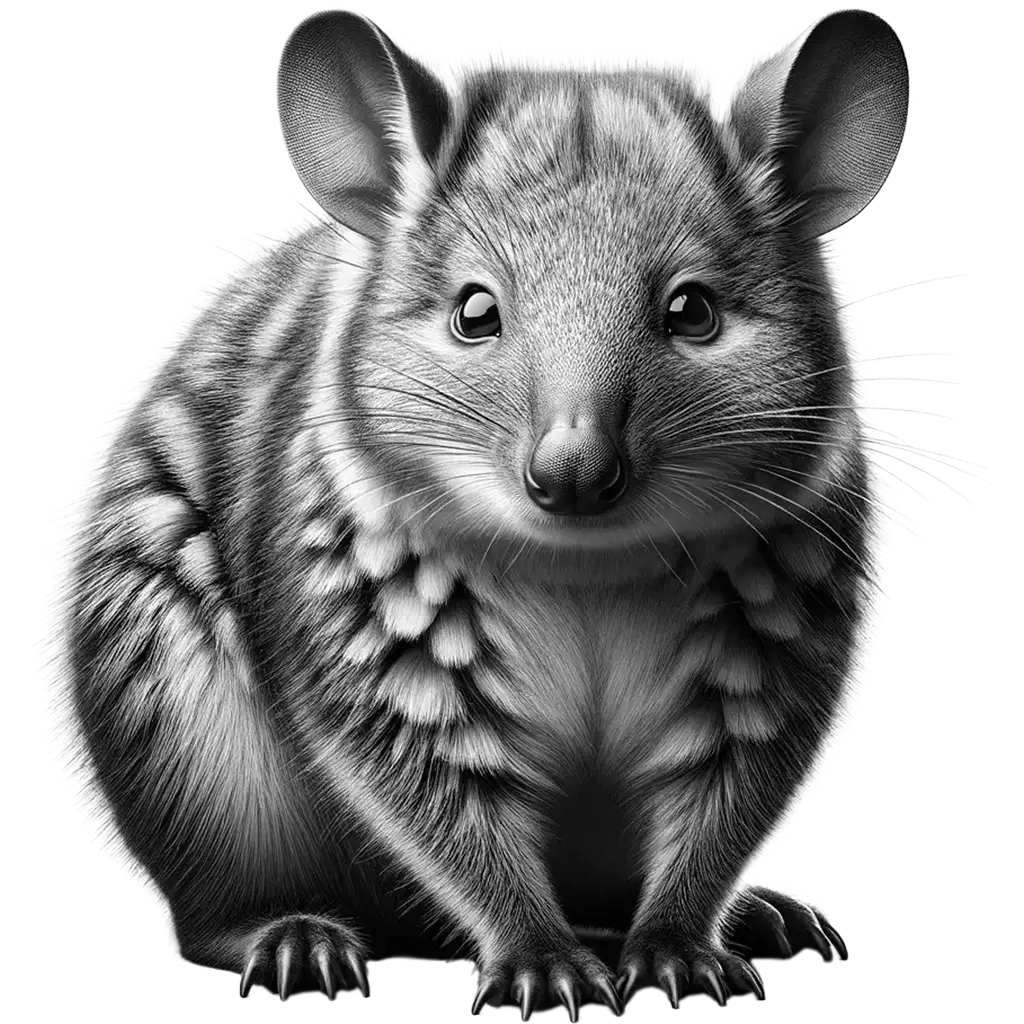
The Lesser Bandicoot Rat, bandicota bengalensis, is a robust and adaptable species of rodent, widespread across South and Southeast Asia. This species is characterized by its large size for a rat, with adults typically reaching body lengths of 25 to 29 cm, not including the tail, which adds an additional
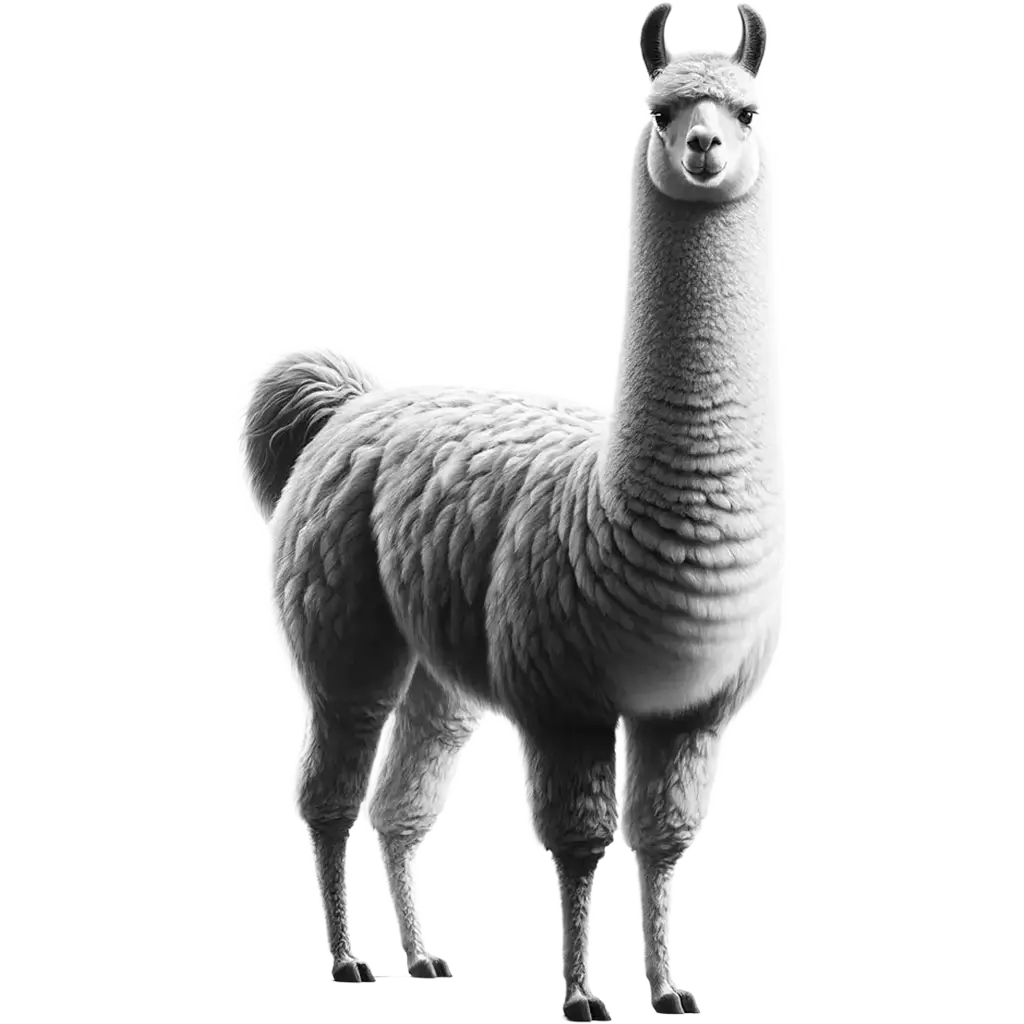
The Llama, lama glama, is a domesticated mammal from the camelid family, known for its long neck, large ears, and distinctive coat which can vary in color from white to black, including shades of brown and gray. Adults stand about 1.7 to 1.8 meters tall at the top of the

The Harrier, a medium-sized breed of dog, is known for its prowess in hunting hares and foxes in packs, embodying a blend of stamina and agility. Adults typically stand between 48 to 53 centimeters (19 to 21 inches) at the shoulder and weigh between 18 to 27 kilograms (40 to
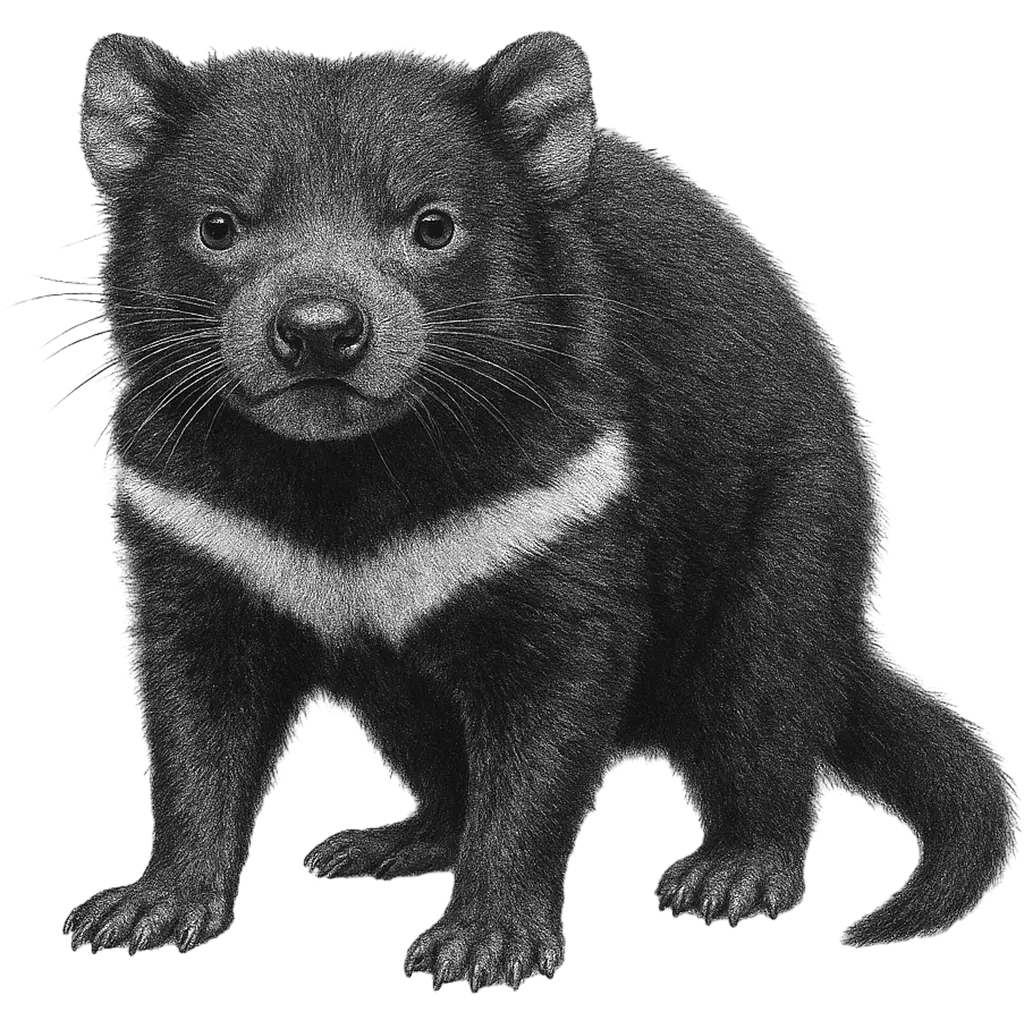
With a compact, muscular build, the Tasmanian Devil stands about thirty centimeters at the shoulder and measures sixty to eighty centimeters from nose to tail. Its dense black fur is punctuated by irregular white patches on the chest and rump. The broad head features powerful jaws and sharp premolars, while