
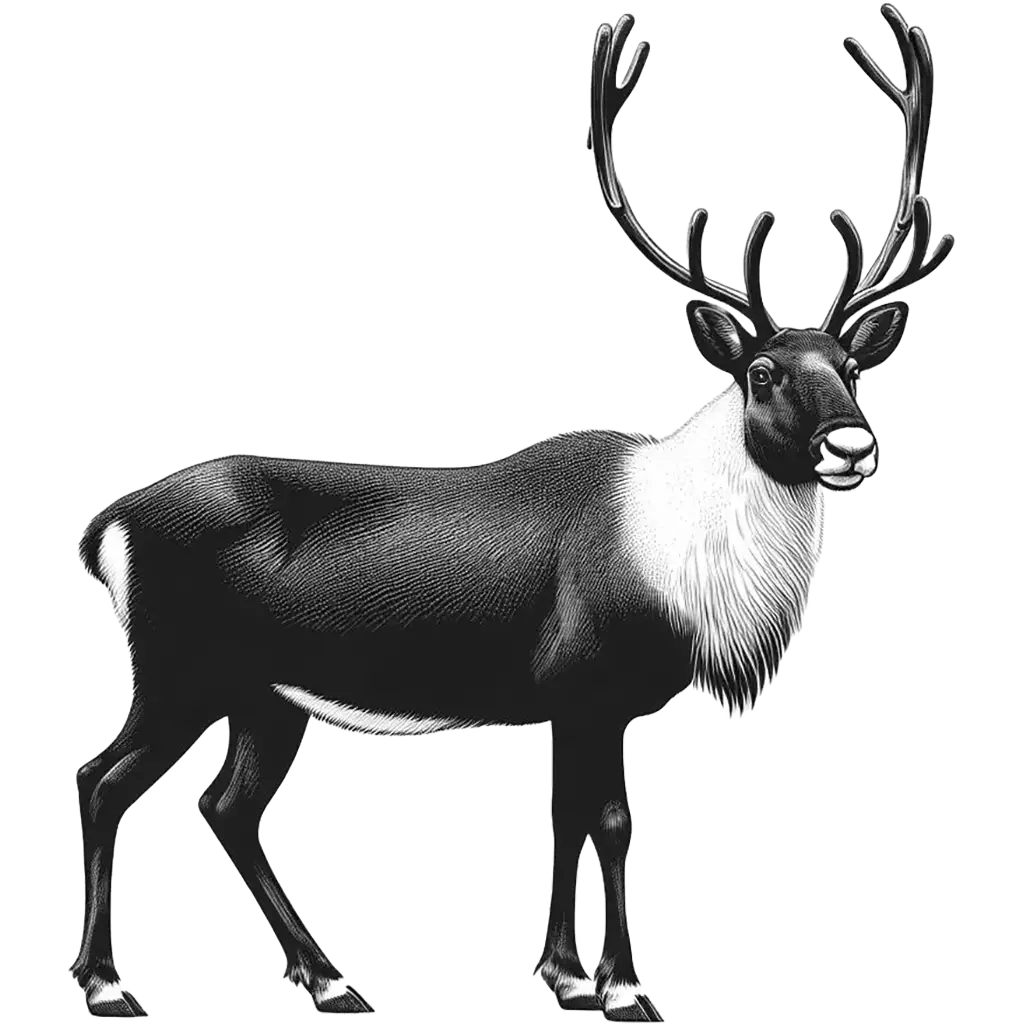
Rangifer Tarandus
Reindeer
Tundra, boreal forests, and mountainous regions
The Reindeer, rangifer tarandus, also known as the caribou in North America, is a species of deer native to Arctic, sub-Arctic, tundra, boreal, and mountainous regions of northern Europe, Siberia, and North America. This species is unique among deer for its adaptations to cold environments, including a thick coat of fur and large, fur-covered hooves that provide insulation and support on soft snow and wetlands. Reindeer vary significantly in size and color depending on their subspecies and habitat, with weights ranging from 60 to 300 kilograms. Both males and females grow antlers, though the size and shape vary; males' antlers can span up to 1 meter.
| Population: | Not precisely quantified; varies by region with some populations stable and others in decline |
| Generation Length: | 3-4 years |
| Average Weight: | 60-300 kg, varying by subspecies and region |
| Average Length: | 160-220 cm (total length), including tail |
| Lifespan: | 15-20 years in the wild |
| Diet: | Lichens, grasses, shrubs, and other vegetation |
| Conservation Status: | Vulnerable (VU) |
Reindeer are highly social animals, forming large migratory herds that travel up to thousands of kilometers between summer and winter feeding grounds. Their migrations are among the most impressive of any terrestrial mammal, driven by the seasonal availability of food sources, primarily lichens in the winter, with grasses, herbs, and leaves in the summer. The social structure of Reindeer herds is complex, with a hierarchy that shifts during the annual cycle.
The diet of the Reindeer is uniquely adapted to its environment, capable of digesting lichens available during the winter thanks to specialized bacteria in its stomach. In the summer, their diet broadens to include a variety of vegetation, demonstrating the species' adaptability to changing resources throughout the year. This varied diet helps sustain them across the harsh conditions of their habitats.
Reproduction in Reindeer is characterized by a short breeding season, or rut, in the autumn. Males compete for access to females, often engaging in dramatic antler clashes. After a gestation period of about 228 days, females give birth to a single calf in the spring. Calves are able to stand and nurse within minutes of birth and soon join the herd in its migrations, showcasing the early development of their survival instincts.
The Reindeer is considered vulnerable in certain areas due to factors like habitat loss, climate change, and industrial development. In North America, some caribou populations are endangered, particularly those of woodland caribou, which face threats from logging, mining, and oil drilling. Conservation efforts focus on habitat preservation, sustainable management of wild and domesticated populations, and addressing the challenges posed by climate change to ensure the survival of this iconic species. The cultural importance of Reindeer to indigenous peoples, including the Sami in Scandinavia and the Nenets and Chukchi in Russia, underscores the need for collaborative conservation strategies that respect traditional ways of life.
Classifications
The Key Attributes
Features
- Movement:
Quadrupedal
- Territorial Behavior:
Herding, with complex social structures
- Speed:
Can run at speeds up to 60-80 km/h
- Diet:
Herbivore
- Physical Features:
- Large, branched antlers in both males and females
- Thick fur coat
- Hooves that adapt to season changes
- Primary Senses:
- Sight
- Hearing
- Smell
Understanding Habitat and Range
Geography
- Habitat:
Tundra, boreal forests, and mountainous regions
- Migration Patterns:
Some populations undertake significant seasonal migrations
- Geographical Range:
Circumpolar distribution in the northern regions of North America, Europe, and Asia
- Climate Preferences:
Cold, ranging from arctic to subarctic
Navigating the Wilderness
In the wild
- Predators:
Wolves, bears, and humans
- Prey:
N/A
- Feeding Behavior:
Grazes on lichens, grasses, and shrubs
- Diet:
Lichens, grasses, shrubs, and other vegetation
- Defensive Mechanisms:
- Running
- Swimming
- Herding for protection
- Preferred Food Sources:
- Lichens in winter
- A variety of vegetation in summer
Insights Into Reproduction
Mating
- Mating System:
Polygynous
- Number of Offspring:
Usually 1 calf
- Gestation Period:
About 229 days
- Parental Involvement:
- Mothers care for calves; calves can stand shortly after birth and are quickly mobile
Youngsters Section
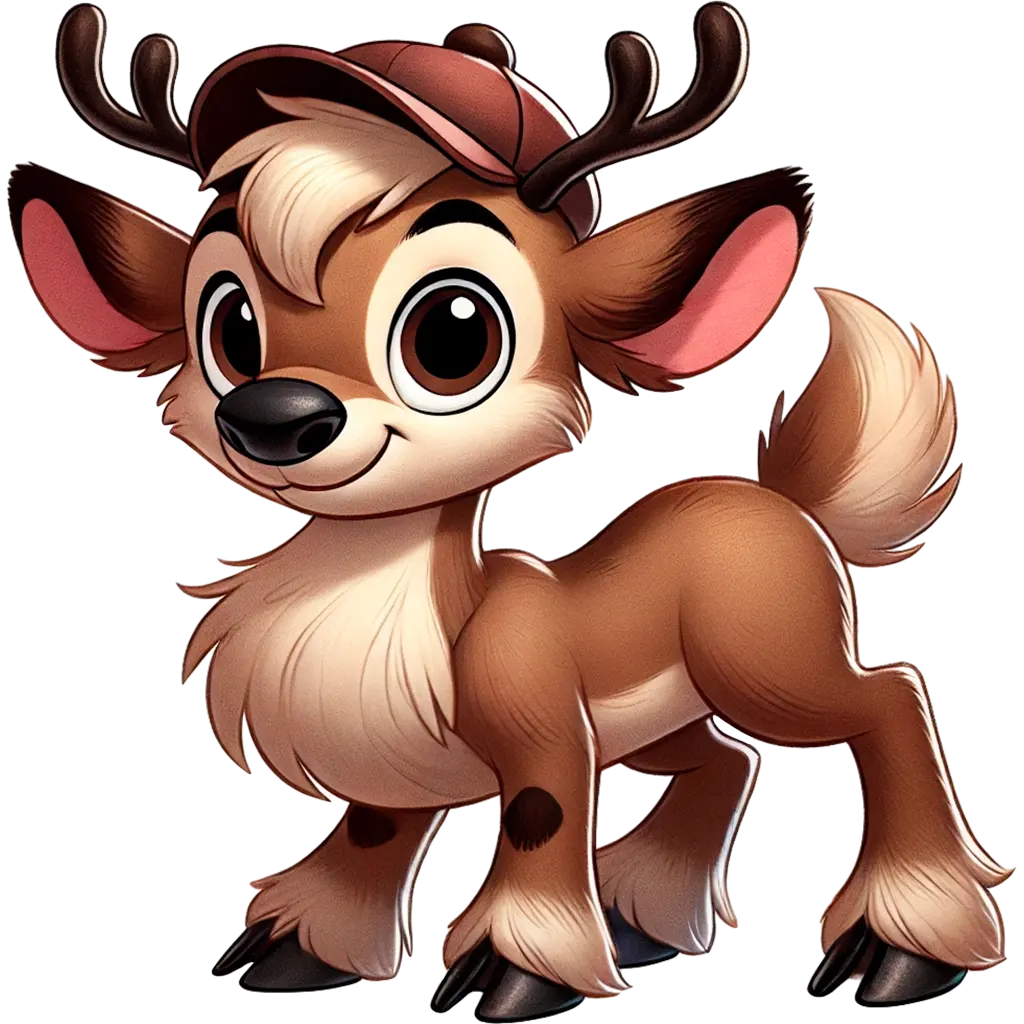
Reindeer
Fun Fact
Reindeer have unique noses that warm the cold air before it enters their lungs.
These specialized noses help them adapt to harsh Arctic climates by conserving body heat. They also have the ability to see ultraviolet light, which aids in spotting predators and food against the snowy landscape. This adaptation is crucial for survival in their icy habitats.

Download word search puzzles
Word Search Puzzles
Check Out Other Mammals
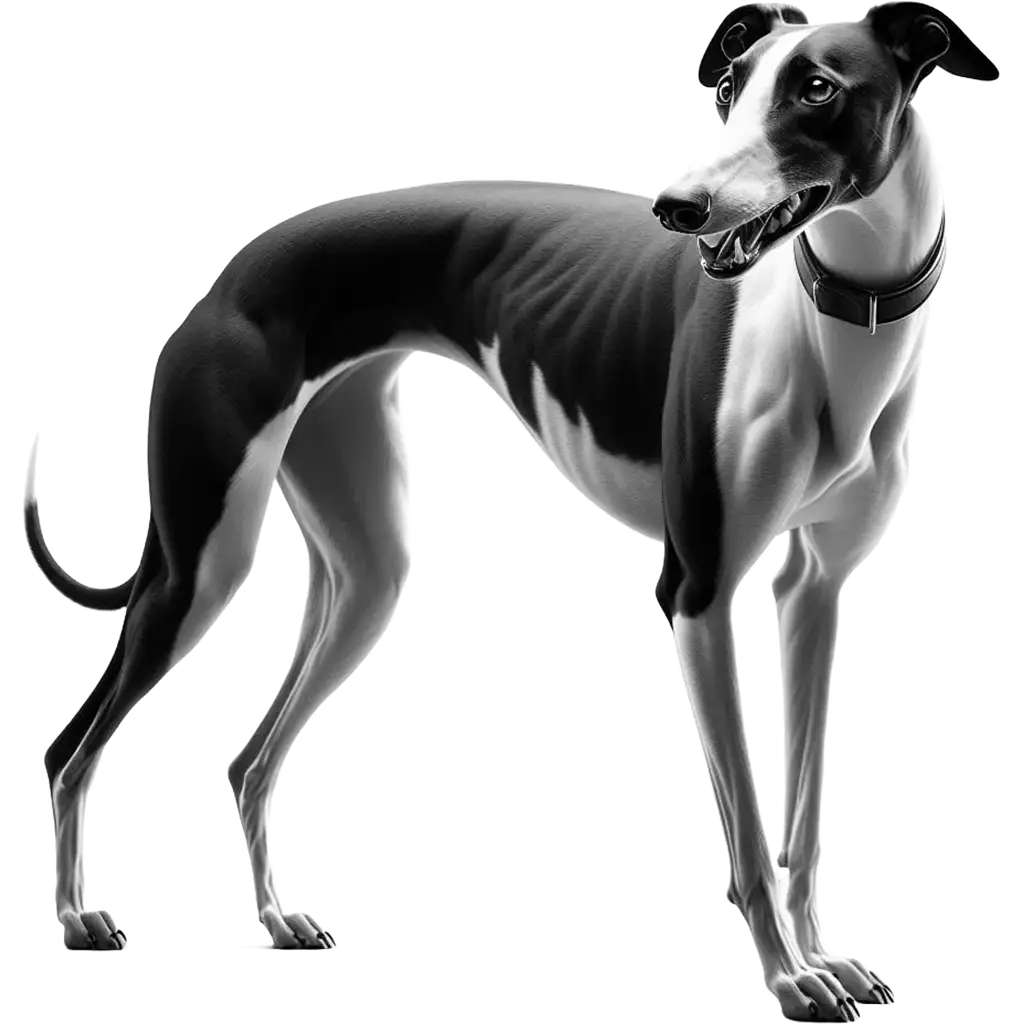
The Greyhound, canis lupus familiaris, is a breed of dog distinguished by its slender, elegant build and remarkable speed, making it one of the fastest dog breeds, capable of reaching speeds up to 45 miles per hour (72 kilometers per hour). This breed typically weighs between 27 to 40 kilograms
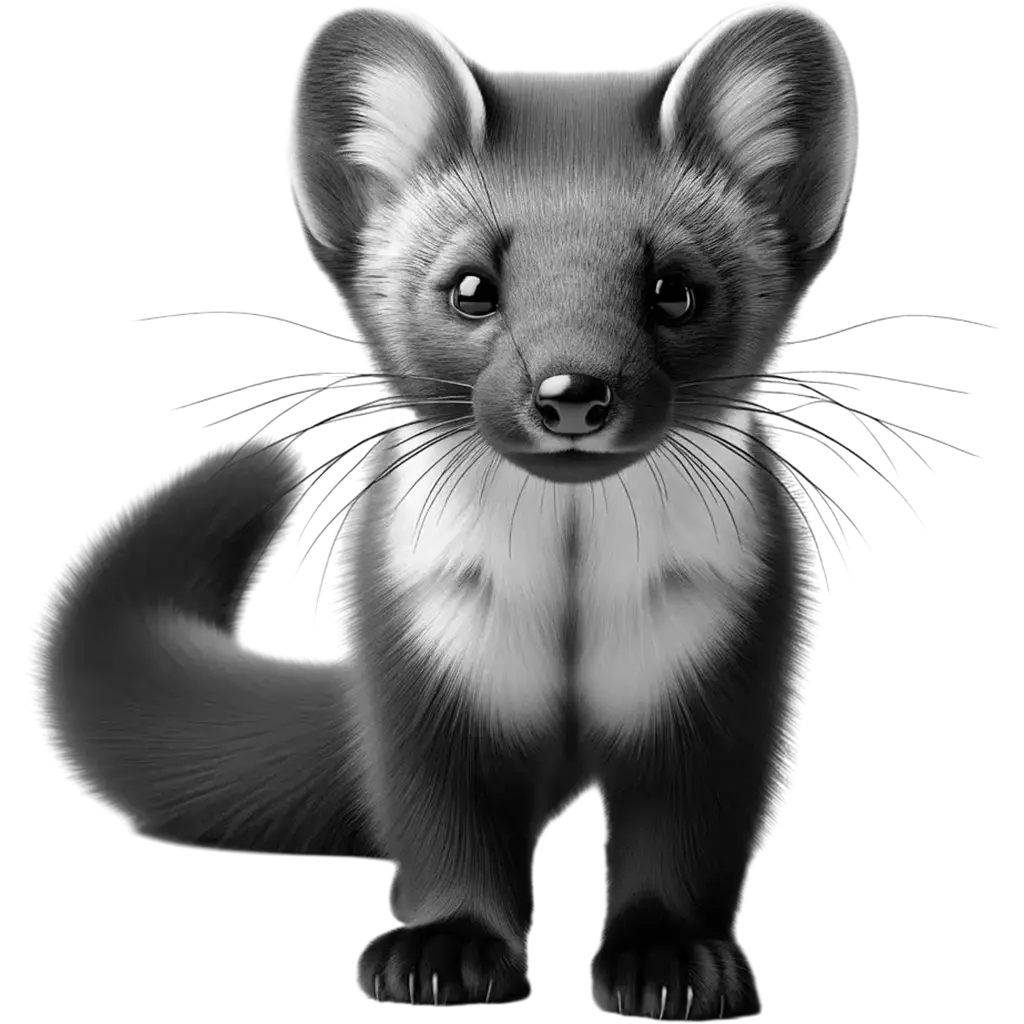
The European Pine Marten, martes martes, is a medium-sized carnivore distinguished by its slender body, bushy tail, and luxurious fur. This species has a rich brown coat with a distinctive creamy-yellow bib on its throat, extending down its chest. Adult pine martens have a body length ranging from 45 to
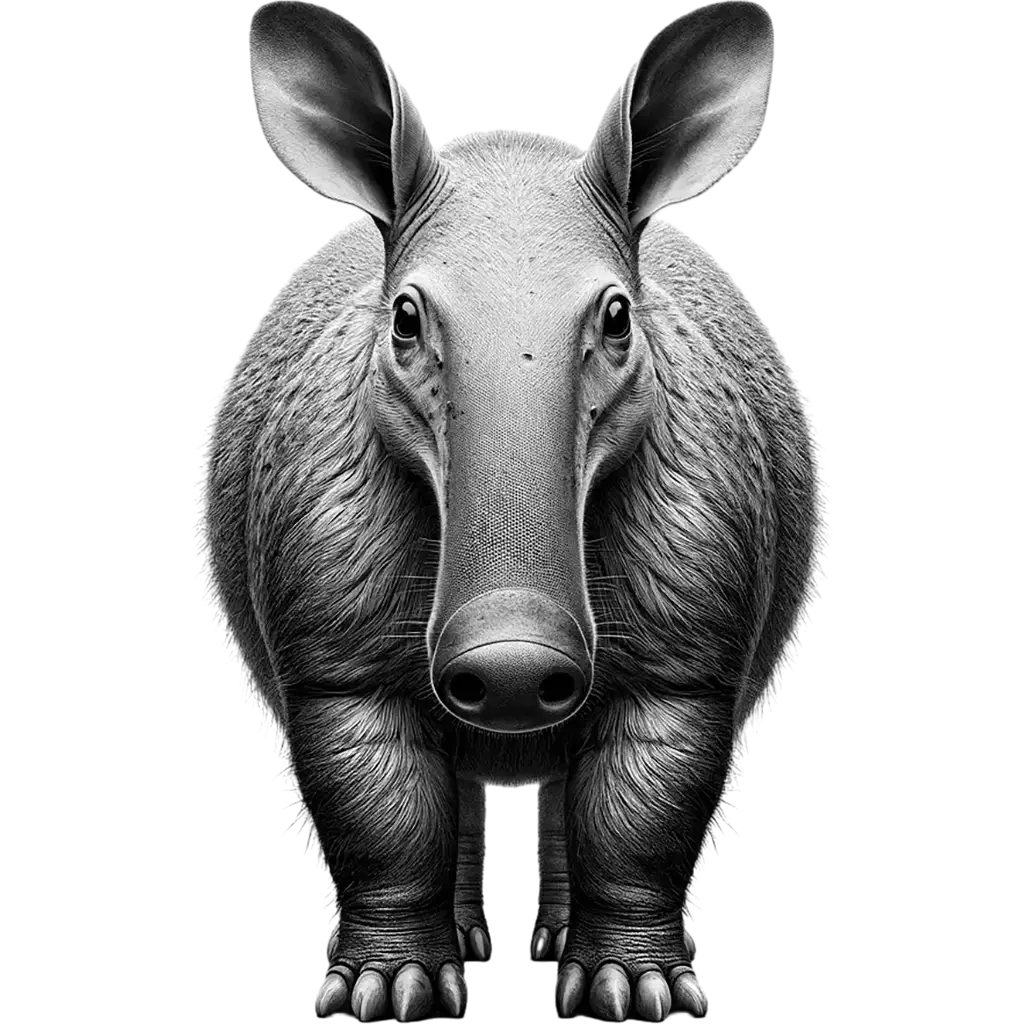
The Aardvark, orycteropus afer, is a unique mammal native to Africa, distinguished by its pig-like snout, long ears, and powerful limbs equipped with large claws. It measures approximately 1 to 1.5 meters in length and weighs between 40 to 65 kg. The Aardvark's body is covered in coarse, sparse fur
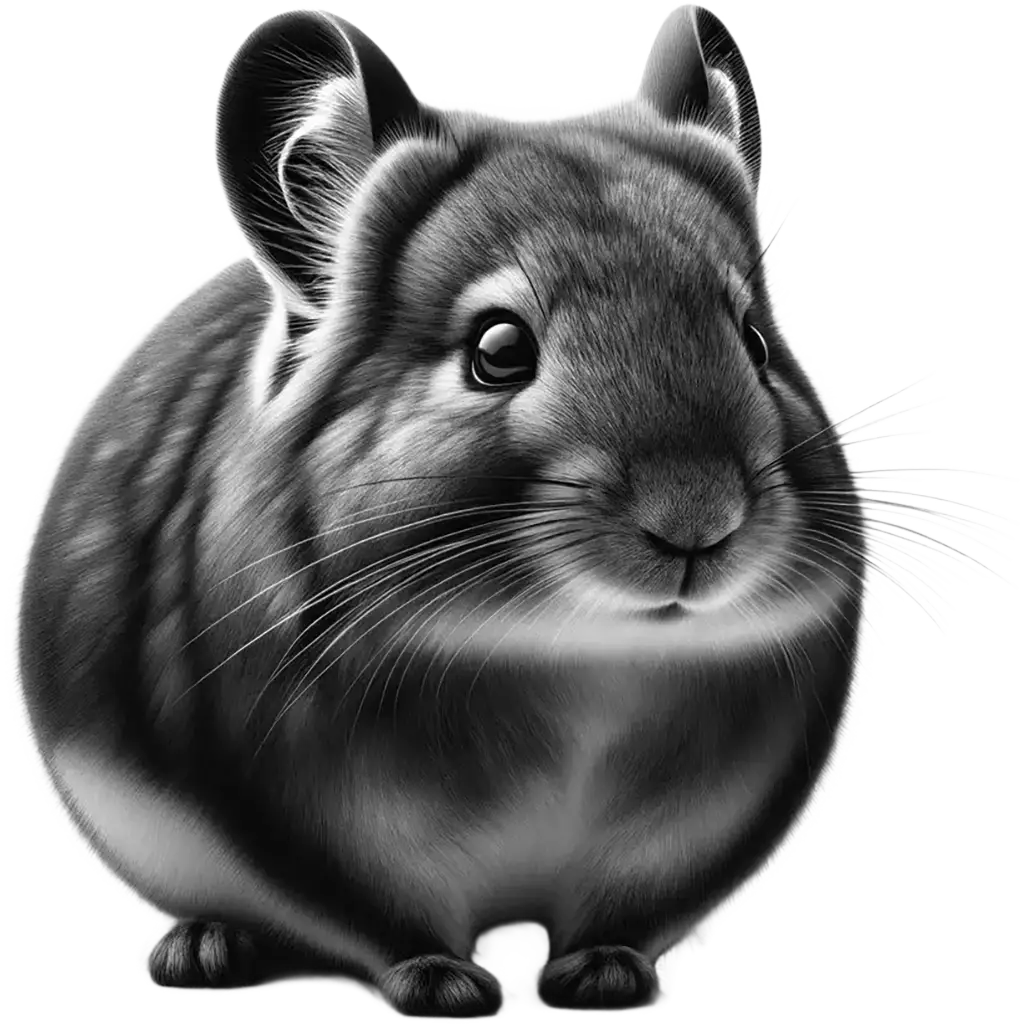
The Daurian Pika, ochotona dauurica, is a small, herbivorous mammal belonging to the pika family, which resides predominantly in the steppe regions of Mongolia, parts of Russia, and northern China. This species is characterized by its compact body, rounded ears, and absence of a visible tail, typical of pikas. Adult