
Phascolarctos Cinereus
Koala
Eucalypt forests and woodlands
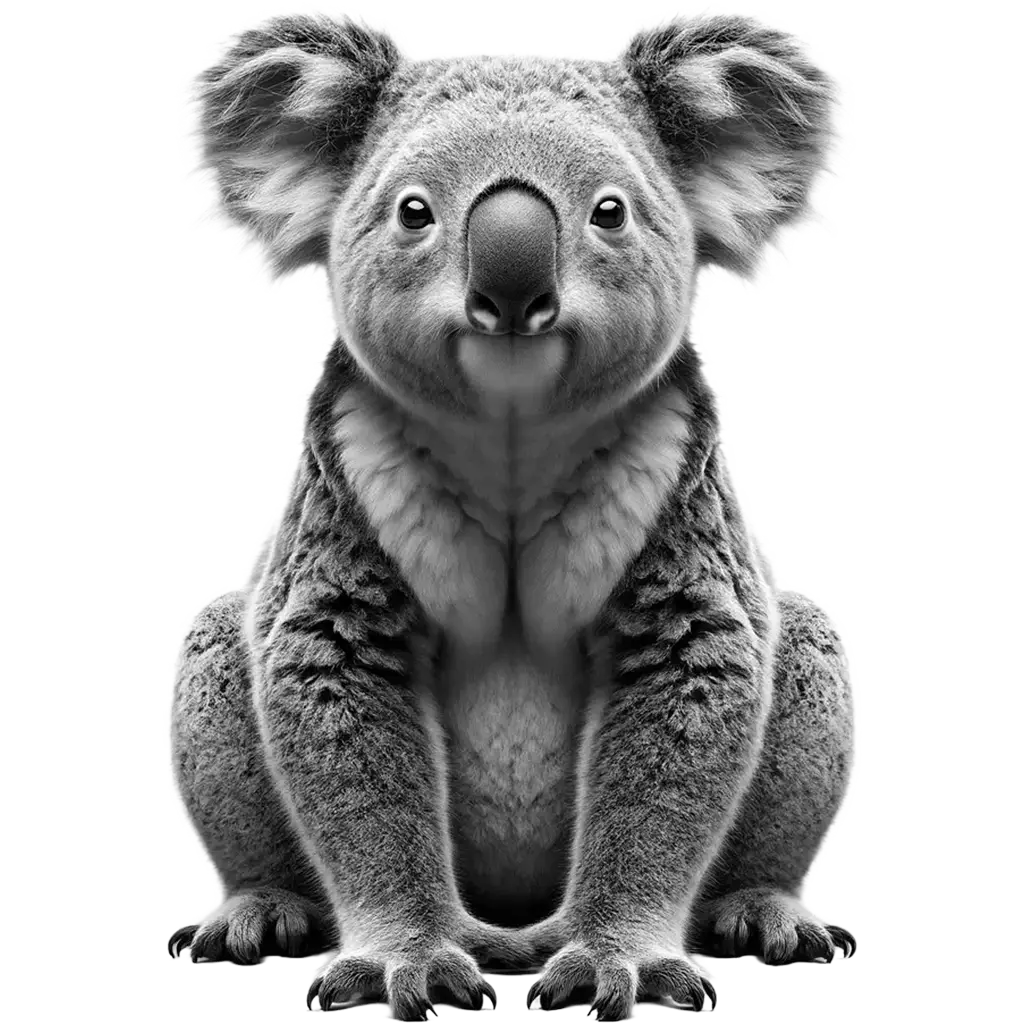
The Koala, phascolarctos cinereus, is an iconic marsupial native to Australia, instantly recognizable by its stout, tailless body; large, fluffy ears; and a large, spoon-shaped nose. Adults can vary significantly in size depending on their geographic location, with northern populations being smaller (about 5 to 8.5 kg or 11 to 18.7 lbs) than their southern counterparts (up to 12 to 14 kg or 26.5 to 30.8 lbs). Their thick, woolly fur ranges from light grey to brown, providing insulation against both high and low temperatures. Koalas possess sharp claws for climbing and a specialized pouch for carrying their young.
| Population: | Listed as Vulnerable due to declining numbers from habitat loss, disease, and climate change impacts |
| Generation Length: | 6-7 years |
| Average Weight: | 4-15 kg, with males generally heavier than females |
| Average Length: | 60-85 cm from head to rump |
| Lifespan: | 13-18 years in the wild |
| Diet: | Almost exclusively eucalyptus leaves |
| Conservation Status: | Vulnerable (VU) |
Koalas are arboreal, spending most of their life in the eucalyptus trees of eastern and southern coastal regions of Australia. They are highly specialized feeders, with a diet consisting almost exclusively of eucalyptus leaves, which are toxic to most other animals. This diet is low in nutritional content, leading Koalas to adopt a sedentary lifestyle to conserve energy, sleeping up to 18-22 hours a day.
The reproductive cycle of the Koala is closely linked to their diet and habitat, with breeding occurring annually. Females give birth to a single joey, which climbs into the mother's pouch immediately after birth to continue its development. The joey remains in the pouch for about six months before emerging to ride on its mother's back and start feeding on predigested eucalyptus pap and leaves.
Koalas face several threats, including habitat destruction due to urban expansion and agricultural development, diseases such as chlamydia, and climate change, which impacts the availability and nutritional content of their food sources. Wildfires also pose a significant threat, destroying large areas of habitat and leaving surviving populations vulnerable to starvation and predation.
Conservation efforts for the Koala include habitat preservation and restoration, disease management programs, and research into their ecology and genetics to inform conservation strategies. Despite these efforts, Koalas are listed as vulnerable by the Australian government, highlighting the need for ongoing protection and support to ensure the survival of this beloved marsupial.
Classifications
The Key Attributes
Features
- Movement:
Climbing, crawling
- Territorial Behavior:
Solitary, with individuals maintaining distinct home ranges
- Speed:
Not specifically quantified; moves slowly and spends most of its time stationary in trees
- Diet:
Herbivore, specializing in eucalyptus leaves
- Physical Features:
- Thick, woolly fur varying from light grey to brown
- Large, rounded ears and a spoon-shaped nose
- Strong, sharp claws for climbing
- A specialized caecum for digesting eucalyptus leaves, which are toxic to most animals
- Primary Senses:
- Sight
- Hearing
- Smell
Understanding Habitat and Range
Geography
- Habitat:
Eucalypt forests and woodlands
- Migration Patterns:
Non-migratory, but may move within their home range to find food and mates
- Geographical Range:
Eastern and southeastern Australia, including Queensland, New South Wales, Victoria, and South Australia
- Climate Preferences:
Prefers habitats within a temperate to subtropical climate
Navigating the Wilderness
In the wild
- Predators:
Predation is not a significant threat to healthy adult koalas; however, joeys may be preyed upon by large birds of prey, snakes, and dingoes
- Prey:
Not applicable
- Feeding Behavior:
Nocturnal and crepuscular, feeding on a variety of eucalyptus species, selecting leaves based on nutritional content and toxin levels
- Diet:
Almost exclusively eucalyptus leaves
- Defensive Mechanisms:
- Camouflage in eucalyptus canopies
- Climbing to high branches to avoid ground-based threats
- Preferred Food Sources:
- Specific eucalyptus tree species that provide the necessary balance of nutrients and low toxin levels
Insights Into Reproduction
Mating
- Mating System:
Polygynous
- Number of Offspring:
Usually one joey
- Gestation Period:
About 35 days
- Parental Involvement:
- Mothers carry joeys in their pouches for about 6 months, followed by a period of dependency until around 12 months of age
Youngsters Section
Koala
Fun Fact
Koalas have a highly specialized diet, consisting mainly of eucalyptus leaves, which are toxic to most animals.
Their digestive system is uniquely adapted to detoxify the harmful compounds found in eucalyptus, allowing them to consume up to one kilogram of leaves daily. This specialized diet provides limited nutrition, so koalas spend up to 20 hours a day resting or sleeping to conserve energy. Their sedentary lifestyle and unique diet make them fascinating creatures adapted to their niche environment.

Download word search puzzles
Word Search Puzzles


Check Out Other Mammals
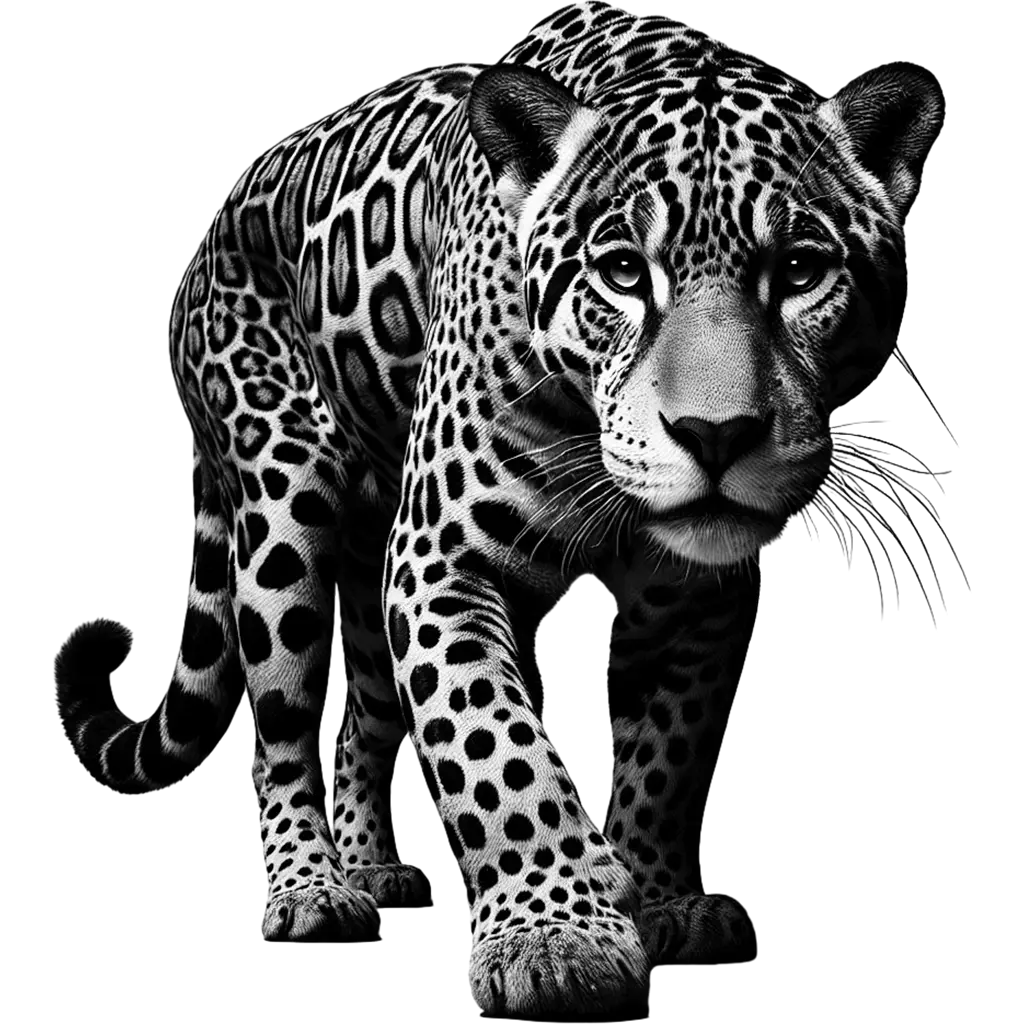
The Jaguar, panthera onca, is the largest cat in the Americas and the third-largest feline in the world, after tigers and lions. Known for its powerful build, the Jaguar has a broad head, muscular limbs, and a robust body that enables it to excel in climbing, swimming, and crawling through
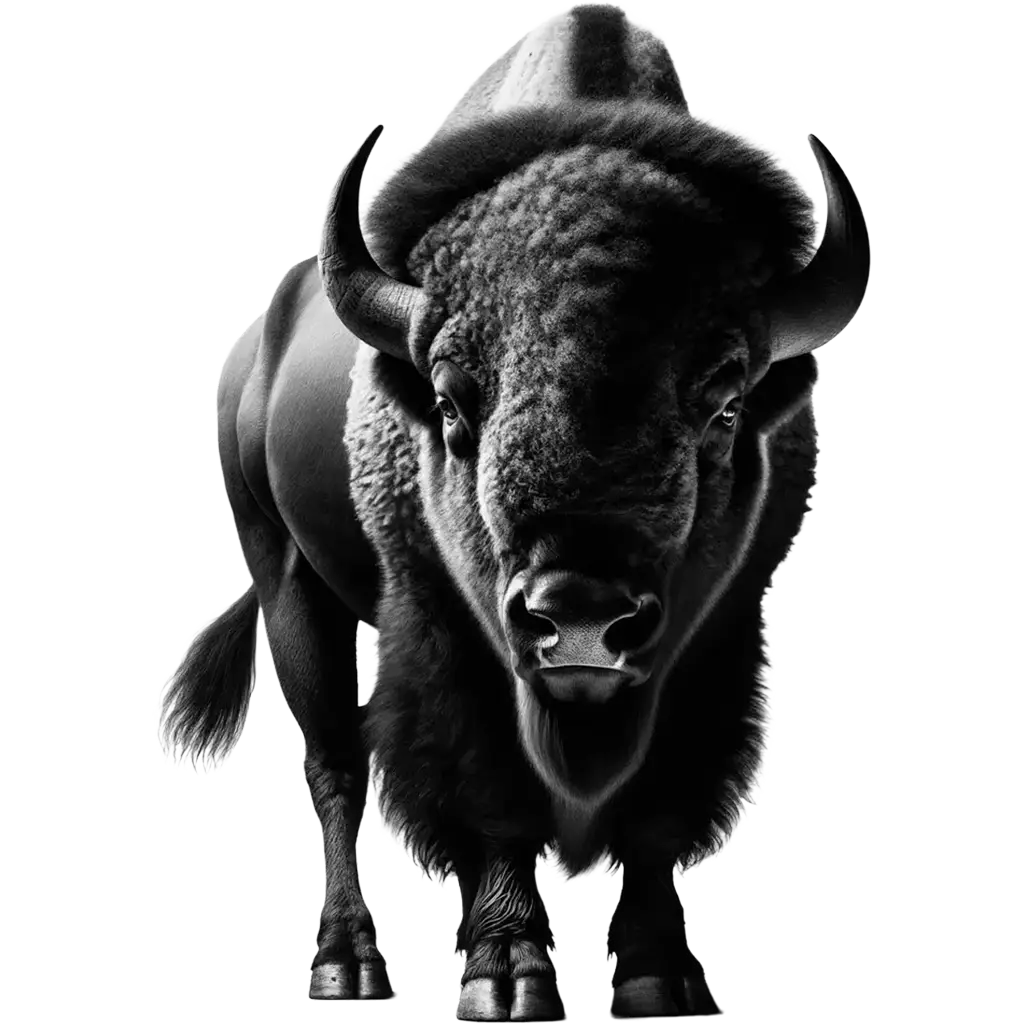
The American Bison, bison bison, is a majestic symbol of the North American plains, standing up to 2 meters tall at the shoulder and weighing over a ton. These massive animals are characterized by their long, shaggy brown coats, massive heads, and distinctive hump over their shoulders, designed to help
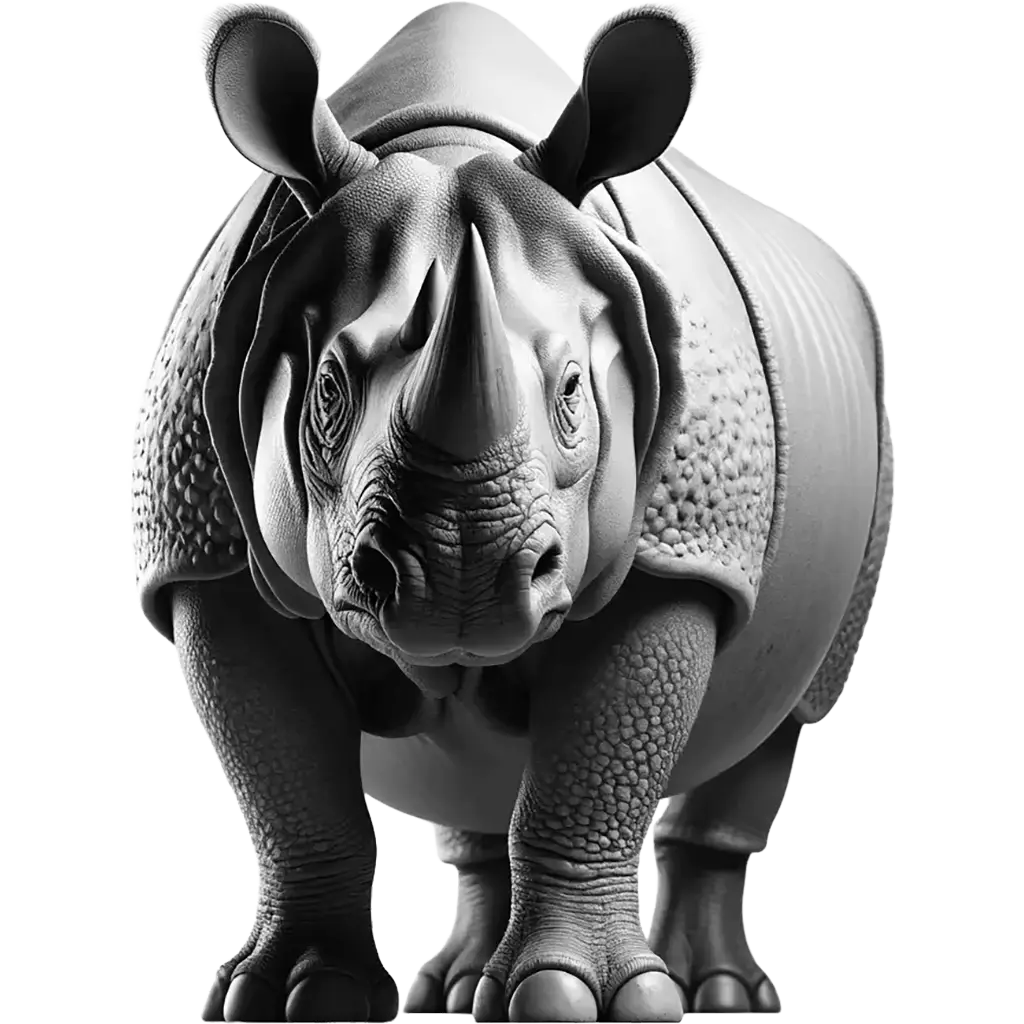
The Javan Rhinoceros, rhinoceros sondaicus, is one of the world's rarest large mammals, a relic of the past that now teeters on the brink of extinction. This solitary, elusive creature is characterized by its grey, armor-like skin and a single horn that grows up to about 25 cm in length,
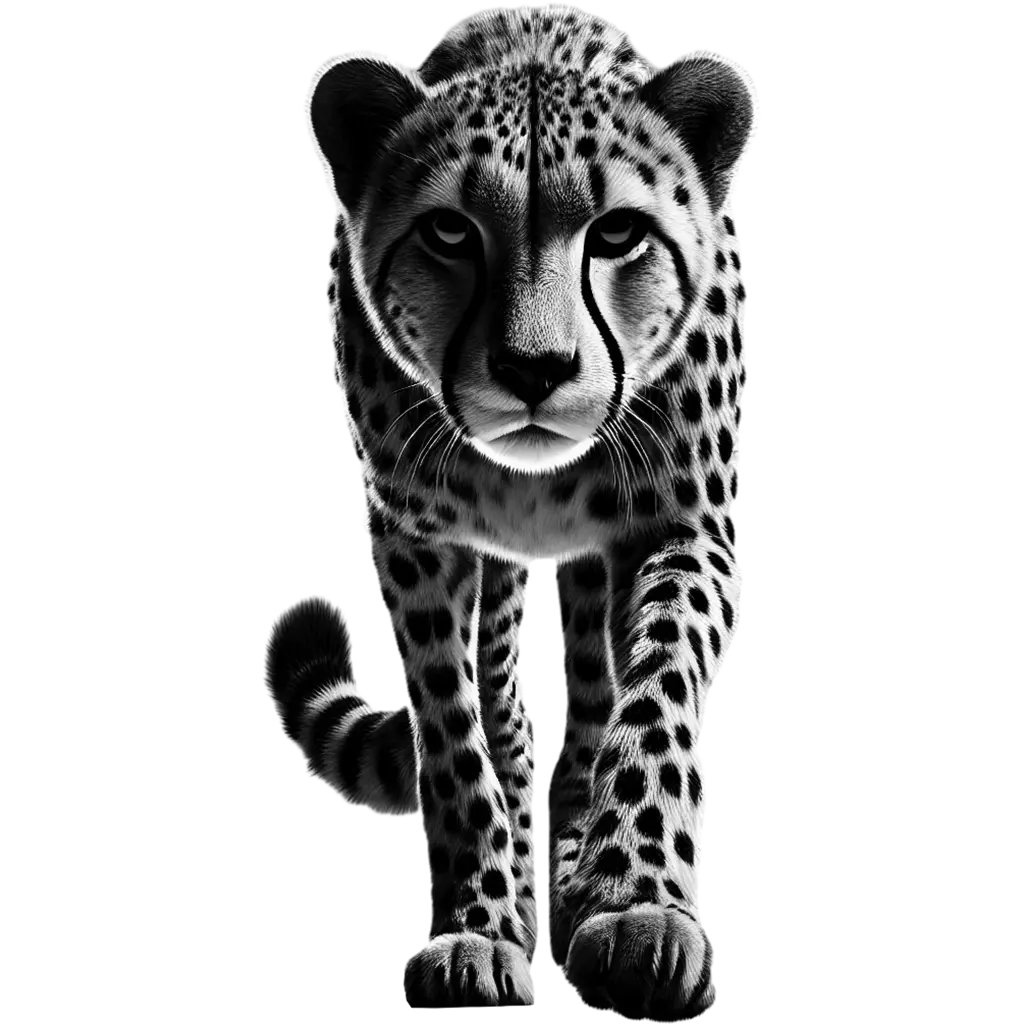
The Cheetah, acinonyx jubatus, stands as a symbol of speed and agility in the animal kingdom, holding the title of the fastest land animal, capable of reaching speeds up to 75 mph (120 km/h) in short bursts covering distances up to 1,500 feet (460 meters). This slender, long-legged feline is